Why you should experience Hilton Head Beach & Tennis Resort in South Carolina.
Hilton Head Beach & Tennis Resort is an expansive oceanfront retreat where Folly Field's broad Atlantic shoreline meets an early-1980s villa community built around beach access, racquet sports and one of Hilton Head's largest resort pools.
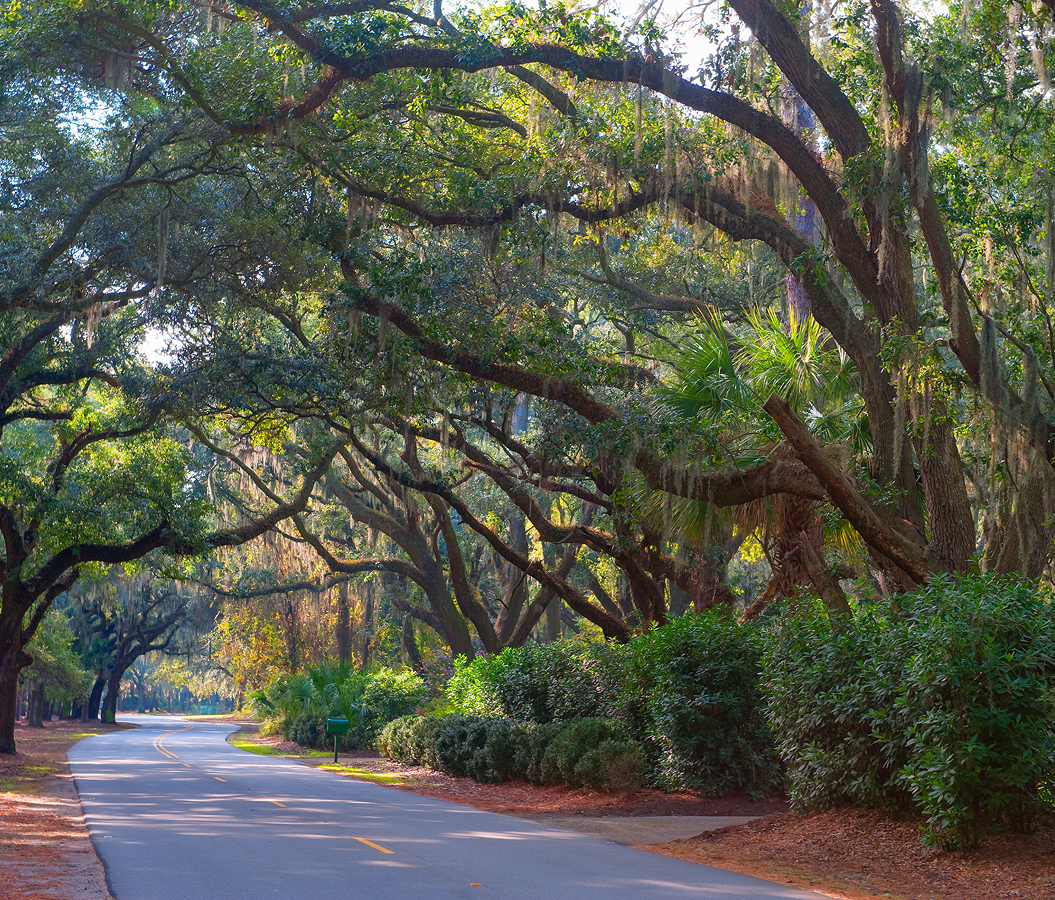
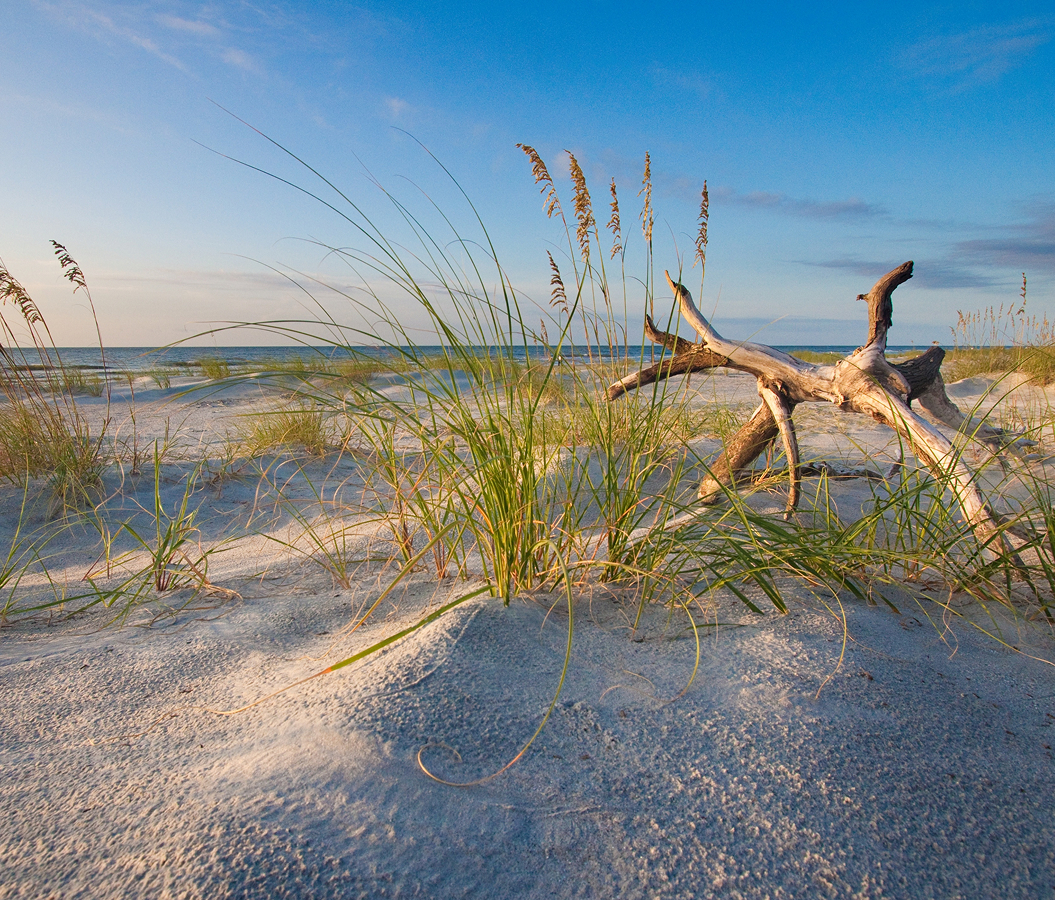
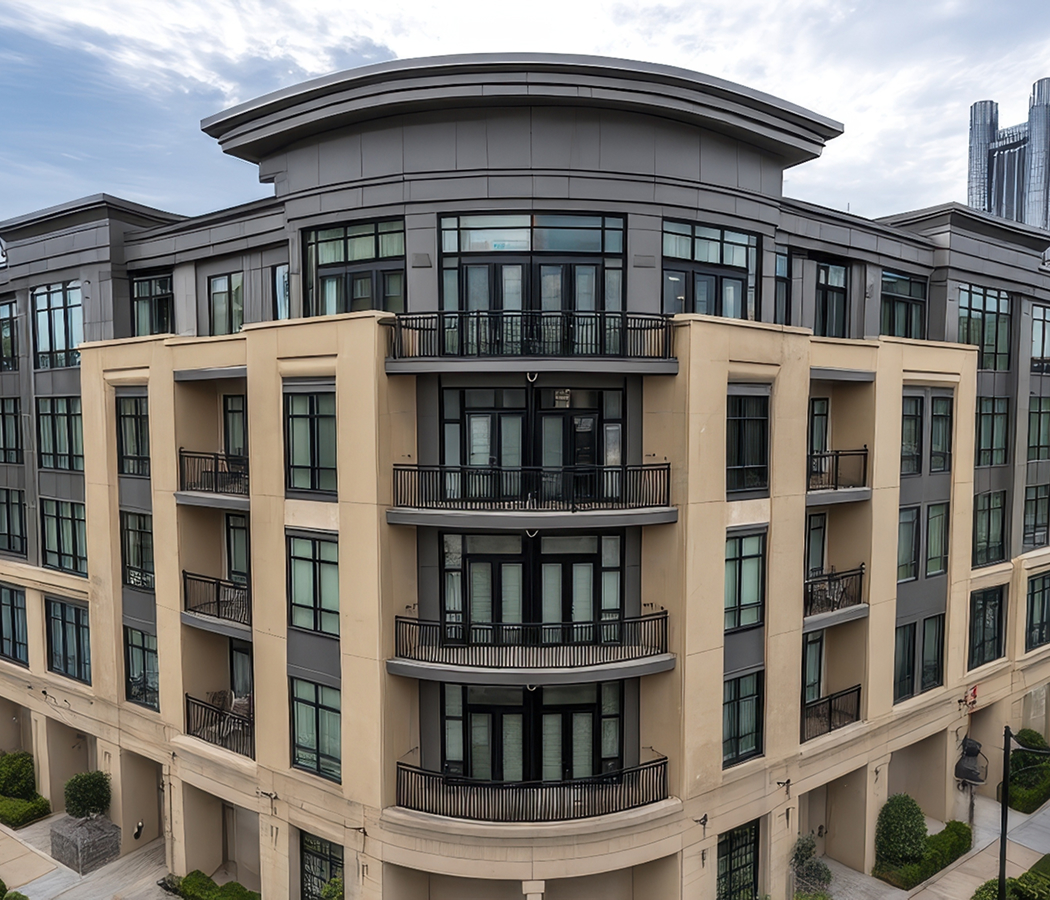
Set along Folly Field Road near William Hilton Parkway and just steps from Folly Field Beach, the resort occupies 55 oceanfront acres on Hilton Head's quieter northeastern shoreline, where maritime forest gives way to dunes and the Atlantic. Low-rise villa buildings spread horizontally through the property, keeping the architecture beneath the surrounding tree canopy and distributing accommodations between ocean-facing and interior settings. The principal pool forms a substantial recreational center immediately inland from the beach, creating a second large body of water between the villas and Atlantic shoreline. Tennis courts extend the resort inland and preserve the racquet-sport emphasis embedded in its name, with paths connecting the different residential sections across the grounds. The result is a Folly Field resort whose unusually broad oceanfront site supports the independent rhythm of a villa community alongside the scale of a traditional coastal resort.
What you should know about Hilton Head Beach & Tennis Resort.
Hilton Head Beach & Tennis Resort is best known for a 55-acre oceanfront condominium community constructed between 1980 and 1981 as Hilton Head's modern resort era moved beyond the gated plantation developments that had reshaped the island during the preceding decades. The complex was divided into three distinct residential regimes, Ocean Villas, Admiral's Row and Tennis Villas, creating an ownership structure that still defines the property more than four decades later. Ocean Villas became the largest component with 498 one-bedroom residences, establishing a dense arc of compact vacation units near the Atlantic. Admiral's Row added 180 residences divided between 40 one-bedroom and 140 two-bedroom units, introducing larger configurations along another ocean-oriented section of the property. Tennis Villas completed the original residential composition with 168 two-bedroom units positioned around the resort's inland recreational zone, bringing the combined development to 846 villas. Construction finished in 1981, fixing the essential physical organization that survives at Folly Field today. The resort subsequently developed into one of Hilton Head's substantial racquet destinations, with ten lighted tennis courts supporting a sporting emphasis established during the original development period. Its convention operation added another dimension through facilities designed for groups reaching 1,000 people, moving the property beyond the seasonal beach-condominium model into meetings and organized events.
Ocean Villas place compact one-bedroom residences closest to the resort's coastal activity, giving couples and small families a self-contained base with the Atlantic reached across the property's dune line. Admiral's Row shifts the residential pattern toward one- and two-bedroom configurations, with ocean-facing positions strengthening the relationship between private balconies and the shoreline. Tennis Villas move inland around the racquet complex, trading direct beachfront orientation for immediate connection with the courts and a more residential setting beneath the trees. Ten lighted courts sustain play into the evening, supported by professional instruction and a dedicated tennis operation that keeps the sport active beyond casual vacation use. The principal oceanfront pool expands across a scale promoted as the largest on Hilton Head, establishing a major aquatic center between the residential buildings and beach. Villa independence, tennis infrastructure, the immense pool and direct Atlantic access allow days to divide naturally between private residential space and large shared recreational environments.
How to fold Hilton Head Beach & Tennis Resort into your trip.
Hilton Head Beach & Tennis Resort works as the coastal endpoint for a northern-island outing tracing Hilton Head from eighteenth-century colonial settlement through Civil War fortification and the emergence of self-government among formerly enslaved residents during Union occupation.
Begin at Zion Chapel of Ease Cemetery, where St. Luke's Parish established Hilton Head's first chapel after the colonial assembly created the parish in 1767, with the church completed in 1788 under Isaac Fripp and Captain John Stoney. The chapel disappeared after the Civil War, yet the cemetery preserves graves connected with Revolutionary War patriots and the Baynard Mausoleum, built in 1846 and surviving as the island's oldest standing structure, carrying the colonial plantation period into the present through funerary architecture. Continue to Fort Howell, the pentagonal earthwork constructed in 1864 by the 32nd United States Colored Infantry and 144th New York Infantry under engineering supervision from Captain Patrick McGuire and the 1st New York Engineers. Its 23-foot parapet and positions for as many as 27 guns were designed to protect the approaches to the nearby freedmen's settlement of Mitchelville; the fort never entered combat, leaving an unusually intact example of sophisticated Federal field fortification on Hilton Head. Conclude at Historic Mitchelville Freedom Park, preserving the site where Major General Ormsby Mitchel directed the establishment of a settlement for formerly enslaved people in 1862. Residents built homes on quarter-acre lots, elected officials and established their own system of government, churches, stores and compulsory schooling; by 1863 the community extended across more than 200 acres and supported thousands of residents, making Mitchelville a foundational experiment in African American freedom and self-government before the Civil War had ended. The progression moves from the colonial society preserved at Zion Chapel of Ease Cemetery through the United States Colored Infantry's defense of a newly emancipated community at Fort Howell into Mitchelville's creation of elected government, property ownership and compulsory education, compressing several decisive eras of Hilton Head history into its northern end.
Where your story begins.
Foresyte Travel reveals places that feel extraordinary long before you arrive.
Experience premium editorial crafted for luxury travelers.