Why Hotel & Restaurant Nevada, Ischgl matters.
Hotel & Restaurant Nevada brings Ischgl's ski-season energy into a family-run hotel and dining house, where Tyrolean cooking, international restaurant culture and après-ski meet at the heart of the village.
Hotel & Restaurant Nevada occupies Florianplatz at the point where Ischgl's close-set village streets open toward steep Paznaun slopes, the high Silvretta ridges rising beyond the rooftops and the mountain descent reaching the village edge in winter. That setting makes the threshold between outdoor activity and the village's social life the hotel's defining physical feature. The day's movement from mountain air to the restaurant's timbered dining rooms gives the house its primary rhythm. The nearby Nevada Alm extends that rhythm into music and late-day gathering, adding a more animated register to the hotel's alpine character. The result is a place that binds the village's mountain setting to its dining and après-ski culture.
What defines Hotel & Restaurant Nevada, Ischgl.
Hotel & Restaurant Nevada is best known for combining family-run lodging with a restaurant that brings Tyrolean cooking into conversation with international dining. Family Walser GmbH operates the hotel and restaurant, and company records show the limited-liability company was established in October 2011. Its stated business purpose covers hotel, restaurant and lodging operations, reflecting the linked roles that define the Nevada's public character. The property holds a four-star classification, and its recent investment has focused on extending the spa and renewing guest-facing spaces in a contemporary alpine style. Restaurant Nevada sets the house apart through a menu that places Austrian quality and Tyrolean specialties alongside international dishes. Fondue gives that range a distinctly alpine centre, served either in broth or hot oil and accompanied by sauces, sides and wines from the restaurant's cellar. Steaks, fish, vegetarian dishes and Italian-style pizza widen the kitchen's reach beyond traditional regional fare, while the take-away service carries that restaurant offer into Ischgl's holiday apartments. The Nevada Alm, the hotel's adjacent après-ski venue, extends the operation from dining into the village's evening social life. Together, the restaurant, hotel and bar make the Nevada a connected hospitality business whose appeal rests on moving between alpine food, international choices and Ischgl's winter gathering culture.
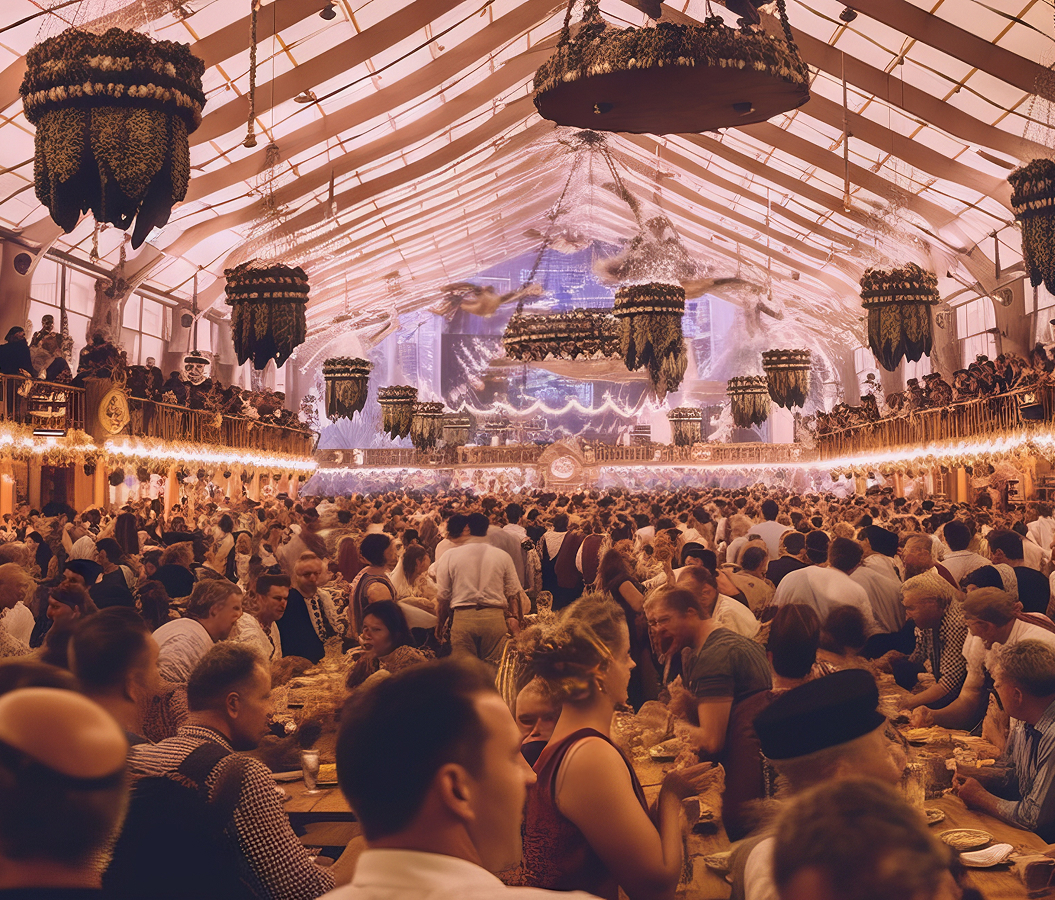
Paznauner Almkäse producers placed the Nevada's Florianplatz setting inside a larger regional food tradition when the seventh Markttag and Oktoberfest arrived there in August 2015. Ten valley alps, three valley dairies and partner producers presented local products, linking the market to the Paznauner Almkäse Genussregion. The opening combined a ceremonial cheese cutting and beer tapping with a procession by the Galtür music band and the Silberfüchse brass band. That public programme made the square a showcase for the valley's dairy culture, and a children's programme brought local families into the event. In the afternoon, chef Martin Sieberer demonstrated cooking, carrying regional ingredients into a live culinary presentation. The evening shifted the gathering toward Nevada Alm, where Franz Posch and the Innbrüggler played for the Oktoberfest. By 2019, the eleventh Markttag again paired the sale of alpine cheese and local products with the Oktoberfest at Florianplatz. A 2019 programme again named ten alpine pastures and three valley dairies, showing the producer network continuing across market editions. The event grouped these producers under the named Paznauner Almkäse Genussregion, presenting alpine cheeses as a shared product of pastures and village dairies. The repeated event joined regional production, public music and the Nevada's dining and après-ski spaces in a single annual celebration. The hotel's 2024-25 winter menu also credits local suppliers as the source of regional quality while pairing Tyrolean specialties with international cooking. On New Year's Eve 2025, the menu centred a Paznauner ox duo, carrying a product rooted in valley agriculture into the hotel's formal holiday dining. The progression between the Florianplatz market and the restaurant menu connects public celebration with the Nevada's own seasonal cooking. Because the market occupied Florianplatz and its evening programme continued at Nevada Alm, the hotel became part of the event's route from public produce stalls to music and hospitality. This gives the hotel a role in the valley's public food culture beyond its restaurant tables, linking local producers and visitors through both an annual village gathering and the kitchen's continuing regional emphasis.
How Hotel & Restaurant Nevada, Ischgl fits.
Hotel & Restaurant Nevada works as a base for an outing that follows Ischgl's visual culture from sacred architecture through devotional sculpture to the work of a Paznaun painter.
Begin at Pfarrkirche zum Hl. St. Nikolaus, first recorded as a chapel dedicated to St. Nicholas in 1443. The church expanded in 1471 and was consecrated in 1483 by Johannes, auxiliary bishop of Chur, under the dedications of St. Nicholas and Achatius. A 1673 fire damaged the building, and parish priest Joseph Moritz commissioned the present Rococo church in 1755; it was consecrated in 1757, with the earlier Gothic north tower retained. Anton Kirchebner supplied the Rococo altar paintings and ceiling work, making the rebuilt interior a concentrated expression of eighteenth-century Tyrolean religious art. Continue to Kalvarienberg, where Ischgl innkeeper Franz Xaver Zangerl commissioned Johann Ladner to carve a near life-size Calvary group between 1763 and 1769. The ensemble brings Jesus, Mary Magdalene, John and the two thieves into a hillside scene above the Fimbaschlucht, extending sacred art from the church interior into the landscape. Seven footfall chapels were added along the approach in 1827, shaping the ascent into a sequence of prayer and sculpture. Ladner's wooden figures connect Ischgl's local patronage with the wider eighteenth-century Tyrolean tradition of elaborate devotional carving. Conclude at Mathias-Schmid-Museum, opened on 2 May 1999 in the Chalet Cima and dedicated to the painter born in See in 1835. Schmid trained with Gottlieb Egger before entering Munich's Academy of Fine Arts, where he developed a realist approach to Tyrolean social and religious life. His works, including Karrenzieher and Sittenrichter, brought critical attention to class and clerical authority, while his summer visits to Ischgl generated drawings and paintings of Paznaun landscapes and village life. The museum preserves paintings, drawings, sketchbooks, documents and folk art, placing the artist's regional subjects beside the history of the valley that shaped them. The progression moves from the parish church's changing sacred forms through Ladner's outdoor devotional sculpture to Schmid's critical images of Tyrolean society, revealing how faith, art and local life have shaped Ischgl's cultural record.
Where your story begins.
Foresyte Travel reveals places that feel extraordinary long before you arrive.
Enjoy editorial crafted for luxury travelers.
Foresyte may earn a commission when you book.