Why Hotel Bayerischer Hof matters.
Hotel Bayerischer Hof is where Munich's cultural gravitas, creative eccentricity, and grand-hotel tradition converge, where staying feels less like occupying a room and more like stepping inside a living organism that has absorbed centuries of art, politics, music, cinema, and social life into its walls.
Located just off Promenadeplatz in the historic heart of Munich, Hotel Bayerischer Hof occupies a position that is both central and symbolic. This is not simply a luxury hotel placed in the city; it is a defining piece of Munich's identity. Arrival immediately signals this distinction. The exterior carries stately confidence rather than ostentation, but stepping inside reveals a world that is layered, theatrical, and unexpectedly pluralistic. Public spaces unfold as a sequence of moods. Grand staircases, ornate salons, contemporary lounges, vaulted corridors, and intimate corners coexist in deliberate contrast, creating an atmosphere that feels cultivated yet alive. The hotel does not attempt to simplify itself. Instead, it embraces complexity as character. Movement through the property feels exploratory rather than linear, encouraging discovery rather than efficiency. This sense of layered character defines the experience. Guest accommodations reflect the hotel's refusal to conform to a single narrative. Rooms and suites vary widely in style, scale, and mood, ranging from classically appointed spaces that echo traditional European elegance to boldly contemporary interiors curated by renowned designers. What unites them is proportion, craftsmanship, and an emphasis on individuality. Beds are deeply comfortable and positioned to support restorative rest despite the hotel's central location. Sound insulation, thoughtful layouts, and substantial materials create a sense of privacy that feels intentional. Seating areas invite reading, conversation, or reflection, reinforcing the sense that rooms here are meant to be inhabited. Bathrooms range from classic marble sanctuaries to sleek modern compositions, but all are designed with ritual and ease in mind, offering deep soaking tubs, walk-in showers, generous counter space, and lighting that supports both function and atmosphere. Suites elevate the experience further, often feeling like private apartments within the hotel, complete with expansive living areas and architectural details that reflect the building's long history. Dining at Hotel Bayerischer Hof is not a single experience but a constellation. The hotel is home to multiple restaurants, bars, and lounges, each with its own character and rhythm. Culinary offerings span refined Bavarian tradition, international fine dining, and relaxed social venues, allowing guests to engage as deeply or casually as they wish. The hotel's bars are particularly notable, functioning as cultural meeting points. Live music, conversation, and late evenings unfold naturally, reinforcing the sense that the hotel is woven into Munich's social fabric. Wellness and recreation are equally multifaceted. The rooftop spa and pool offer panoramic views across the city's rooftops toward the Alps on clear days, transforming relaxation into an act of observation. Indoor wellness facilities provide refuge year-round, emphasizing continuity. Treatments focus on restoration, balance, and longevity, aligning with the hotel's broader philosophy of sustaining presence. Fitness spaces support routine maintenance, allowing guests to remain grounded even amid indulgence. Service at Hotel Bayerischer Hof is polished yet flexible, guided by an understanding that guests arrive with different expectations, rhythms, and reasons for being here. Interactions feel attentive without rigidity, formal when appropriate and relaxed when desired. Staff possess deep institutional knowledge, enabling them to navigate the hotel's complexity with ease and to guide guests toward experiences that align with their intent. The location amplifies everything. From the hotel's doors, Munich's historic core, opera houses, museums, shopping streets, and cafés unfold effortlessly. Hotel Bayerischer Hof is eclectic, authoritative, and culturally saturated, ideal for travelers who value depth, individuality, and a form of luxury that thrives on character.
What defines Hotel Bayerischer Hof.
Hotel Bayerischer Hof is not just one of Munich's most famous hotels; it is one of Europe's most culturally significant hospitality institutions, with a history that mirrors the city's artistic, political, and social evolution.
Founded in 1841, the hotel has remained family-owned for generations, a rarity among properties of its stature. This continuity has allowed the hotel to evolve organically. Over nearly two centuries, Hotel Bayerischer Hof has hosted royalty, heads of state, artists, filmmakers, musicians, and thinkers, becoming a silent witness to some of the most consequential moments in European history. The building itself has been expanded, rebuilt, and reimagined multiple times, particularly after significant damage during World War II. Rather than attempting to restore a single historical moment, each generation of ownership chose to reinterpret the hotel according to contemporary cultural currents while preserving its core identity. This approach explains the property's eclectic interior language. Classic salons coexist with avant-garde design not as contradiction but as dialogue, reflecting Munich's dual character as both traditional and forward-looking. Architectural choices within the hotel favor continuity of experience over visual uniformity. Corridors, staircases, and public rooms are designed to encourage movement and encounter, reinforcing the hotel's role as a social stage. The hotel's relationship with music and cinema is particularly deep. It has long served as a hub for Munich's cultural festivals, including film premieres and music events, embedding it within the city's creative life rather than positioning it solely as accommodation. This cultural embeddedness shapes operations. Dining venues and bars are not treated as secondary amenities but as independent destinations with loyal local followings. This dual audience, hotel guests and Munich residents, keeps the property dynamic and relevant across generations. Guest room diversity is a deliberate choice. Rather than enforcing a single aesthetic standard, the hotel allows rooms to express different design philosophies, catering to guests who value individuality over predictability. This diversity also reflects the hotel's belief that luxury is personal. Operationally, long staff tenures contribute significantly to the experience. Many team members possess deep familiarity not only with the hotel but with the city's cultural landscape, allowing them to offer guidance that feels rooted. This institutional memory is among the hotel's most valuable assets. Over time, Hotel Bayerischer Hof has become less a hotel and more a cultural ecosystem. Its success lies in its refusal to simplify itself for easy consumption. Instead, it invites guests to participate in its layered identity, trusting that those who seek depth will recognize its value. In Munich, where tradition and innovation coexist with rare balance, the hotel stands as a hospitality expression of that same equilibrium.
How Hotel Bayerischer Hof fits.
Hotel Bayerischer Hof works best when treated not merely as a place to sleep, but as an active participant in your Munich experience.
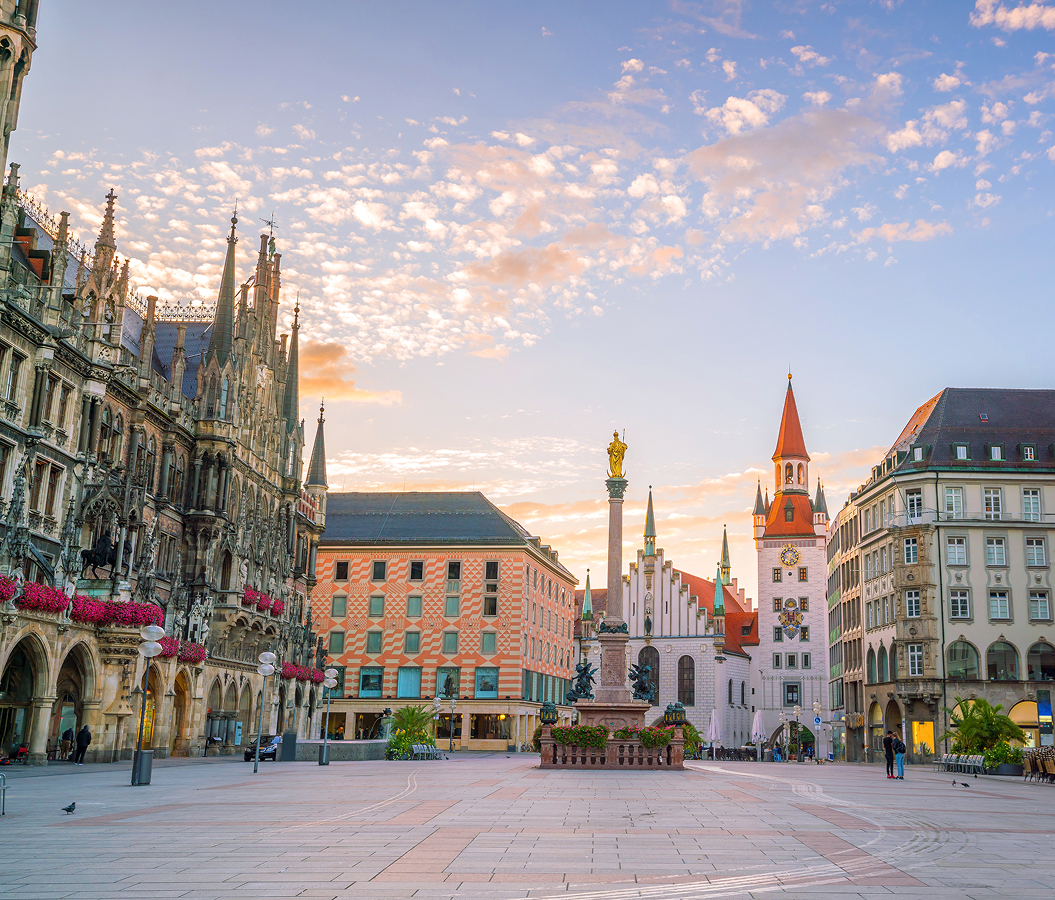
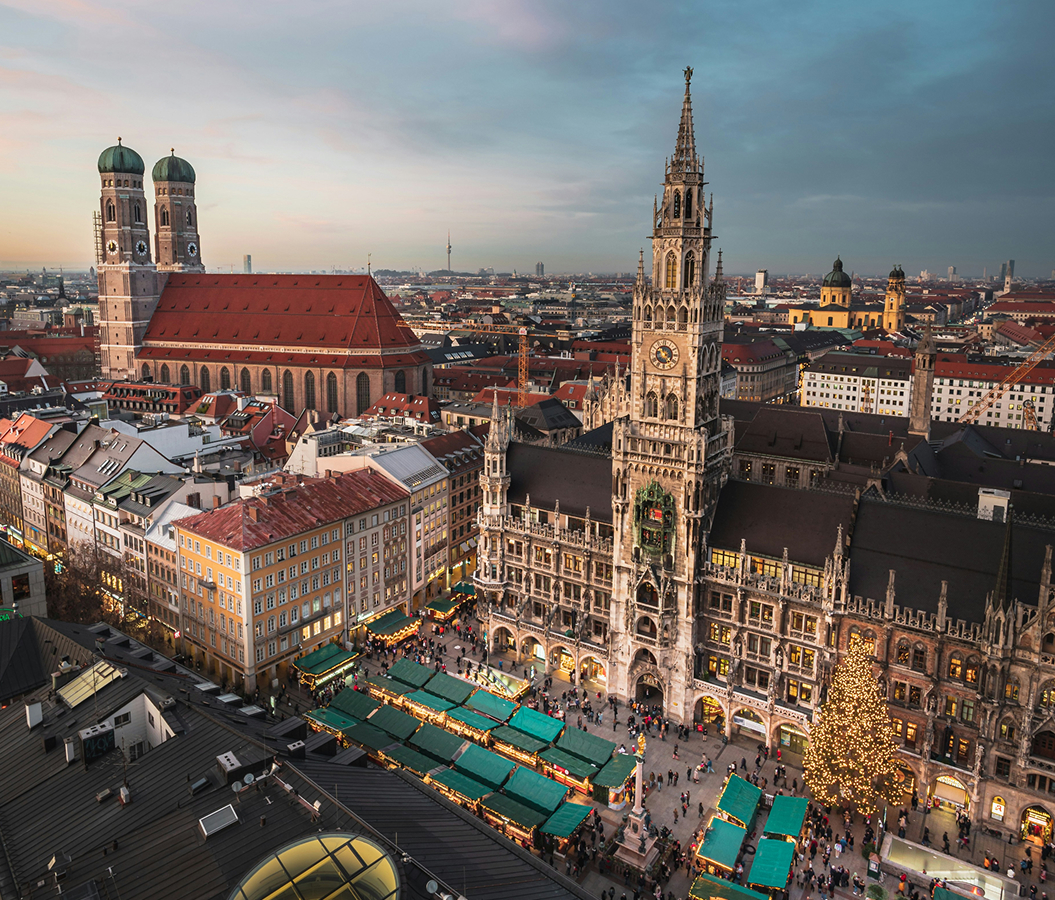
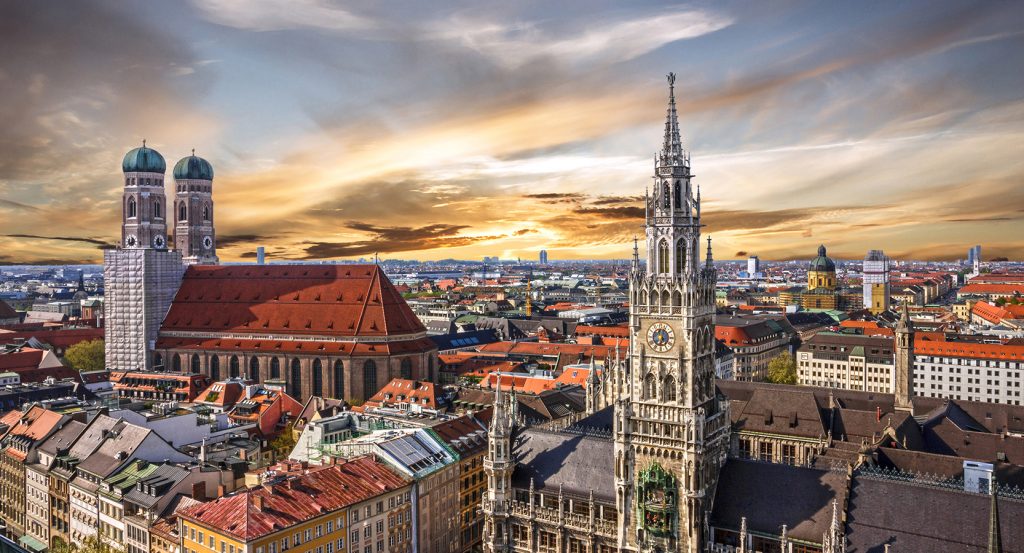
Begin your mornings within the hotel's own rhythm. Breakfast here offers more than sustenance; it provides orientation, allowing you to ease into the day before stepping into the city. From the hotel, Munich's historic core unfolds. Walk toward Marienplatz, explore the Residenz, or drift into quieter streets where the city's character reveals itself through detail. Mid-morning is ideal for cultural immersion. Museums, galleries, and opera houses are all within comfortable reach, allowing exploration. Return to the hotel around midday for a pause. A coffee, a quiet moment in your room, or time in the spa recalibrates energy and reinforces the hotel's role as anchor rather than backdrop. Afternoons can branch outward into Schwabing's cafés, river walks along the Isar, or understated shopping streets nearby. Because the hotel sits so centrally, transitions remain fluid, preserving momentum. As evening approaches, allow the hotel to reclaim its role as a social center. An aperitif in one of its bars or lounges connects you to Munich's living culture, where locals and travelers intersect. Dinner can unfold within the hotel's diverse culinary offerings or at one of the city's celebrated restaurants just steps away. Returning feels immediate and grounding, allowing the night to close. For longer stays, the hotel's layered character becomes increasingly valuable. Each day can engage a different facet of the property, preventing monotony while preserving continuity.
Where your story begins.
Foresyte Travel reveals places that feel extraordinary long before you arrive.
Enjoy editorial crafted for luxury travelers.
Foresyte may earn a commission when you book.