Why you should experience Hotel Isartor in Munich, Germany.
Hotel Isartor is where centrality meets composure, where Munich's historic energy feels accessible without being overwhelming, and where staying supports rhythm, continuity, and everyday ease rather than performance.
Situated just east of Munich's Altstadt near the Isartor gate, among the city's original medieval entrances, the hotel occupies a position that is both historically resonant and practically ideal. Arrival immediately feels grounded. The surrounding streets carry a blend of old-city texture and local life: small shops, cafés, cultural venues, and steady pedestrian flow. Stepping inside, the atmosphere shifts into calm order. Public areas are clean, welcoming, and thoughtfully scaled, designed to orient. The tone is professional yet warm, offering a sense of reliability that becomes increasingly valuable the longer you stay. Guest rooms at Hotel Isartor continue this emphasis on balance and functionality. Interiors are bright, modern, and well-maintained, prioritizing clarity and comfort over decorative excess. Beds are generous and supportive, dressed in quality linens that encourage dependable rest after full days walking Munich's historic streets, visiting museums, or attending meetings. Layouts are efficient but not restrictive, allowing movement to feel natural. Furnishings are arranged with logic: desks positioned for productivity, seating areas that support brief downtime, and storage that keeps the room orderly. Windows frame views of surrounding streets or quiet interior courtyards, reinforcing a sense of place. Lighting is adjustable and practical, transitioning smoothly from early morning readiness to evening decompression. Acoustic insulation is handled effectively, maintaining a calm interior environment despite the hotel's central location. Bathrooms reflect the same disciplined sensibility. Clean lines, reliable fixtures, walk-in showers or tubs in select rooms, and bright, functional lighting support daily routines. Everything is designed to work intuitively, reducing cognitive load and allowing attention to remain on the city itself. Dining at Hotel Isartor is purposeful and unfussy. Breakfast is offered in a calm, organized setting, featuring fresh breads, pastries, eggs, fruit, cereals, and hot beverages that provide a solid foundation for the day. The emphasis is on quality and efficiency. For lunch and dinner, the surrounding area offers a wide range of options, traditional Bavarian restaurants, casual eateries, international cuisine, and neighborhood cafés, all easily accessible on foot. The hotel positions itself as a gateway to Munich's culinary life. Wellness facilities add a quiet layer of value to the experience. A small sauna and fitness area provide opportunities to reset after long days of walking or travel, reinforcing the hotel's role as a place of recovery as well as rest. Service throughout Hotel Isartor is professional, attentive, and grounded. Interactions feel sincere and efficient, guided by situational awareness. Staff members are particularly helpful with transit guidance, neighborhood orientation, and practical recommendations, reinforcing the hotel's character as a dependable urban base.
What you should know about Hotel Isartor.
Hotel Isartor reflects a distinctly Munich approach to hospitality: practical, precise, and deeply attentive to location intelligence.
The hotel's proximity to the Isartor gate places it within one of Munich's most historically layered zones. The gate itself dates back to the 14th century and once marked a primary entry point into the medieval city. Over centuries, the surrounding area evolved into a corridor of commerce, culture, and everyday life. Hotel Isartor draws from this lineage, positioning itself as part of the city's working fabric. Architecturally, the building balances modern renovation with contextual respect. Interiors have been updated to meet contemporary comfort standards while maintaining proportions and flow suited to an urban footprint. Public spaces are designed to manage steady guest movement efficiently, using clean materials and clear sightlines to reduce friction during peak times. Guest room design reflects careful optimization. Layouts emphasize sleep quality, storage efficiency, and acoustic comfort, key considerations for travelers staying multiple nights in a central location. Rather than offering an array of themed room categories, the hotel focuses on consistency across accommodations, ensuring predictable comfort regardless of room type. This reliability has contributed significantly to its appeal among repeat visitors. Wellness facilities, while modest, were integrated intentionally. Recognizing the demands of urban exploration and business travel, the hotel added sauna and fitness options to support recovery and routine. This reinforces the hotel's philosophy of functional enhancement. The breakfast program follows similar principles. By curating a reliable, high-quality offering instead of an expansive buffet, the hotel maintains efficiency while meeting guest expectations rooted in European hospitality norms. Waste reduction and operational clarity are key considerations here. Service culture at Hotel Isartor emphasizes clarity, accuracy, and warmth. Staff training prioritizes problem-solving and local knowledge over formal protocol, allowing interactions to remain natural and useful. Guests are treated as autonomous travelers rather than guided participants, reinforcing a sense of trust and competence. Culturally, the hotel appeals to a wide range of guests: business travelers attending meetings nearby, leisure visitors exploring Munich on foot, and repeat guests who value centrality. Its authority stems from consistency. By understanding its role precisely and executing it with discipline, Hotel Isartor has established itself as a reliable anchor within Munich's hospitality ecosystem, quietly supporting the city.
How to fold Hotel Isartor into your trip.
Hotel Isartor integrates most effectively into itineraries that prioritize walkability, central access, and a rhythm that balances exploration with restoration.
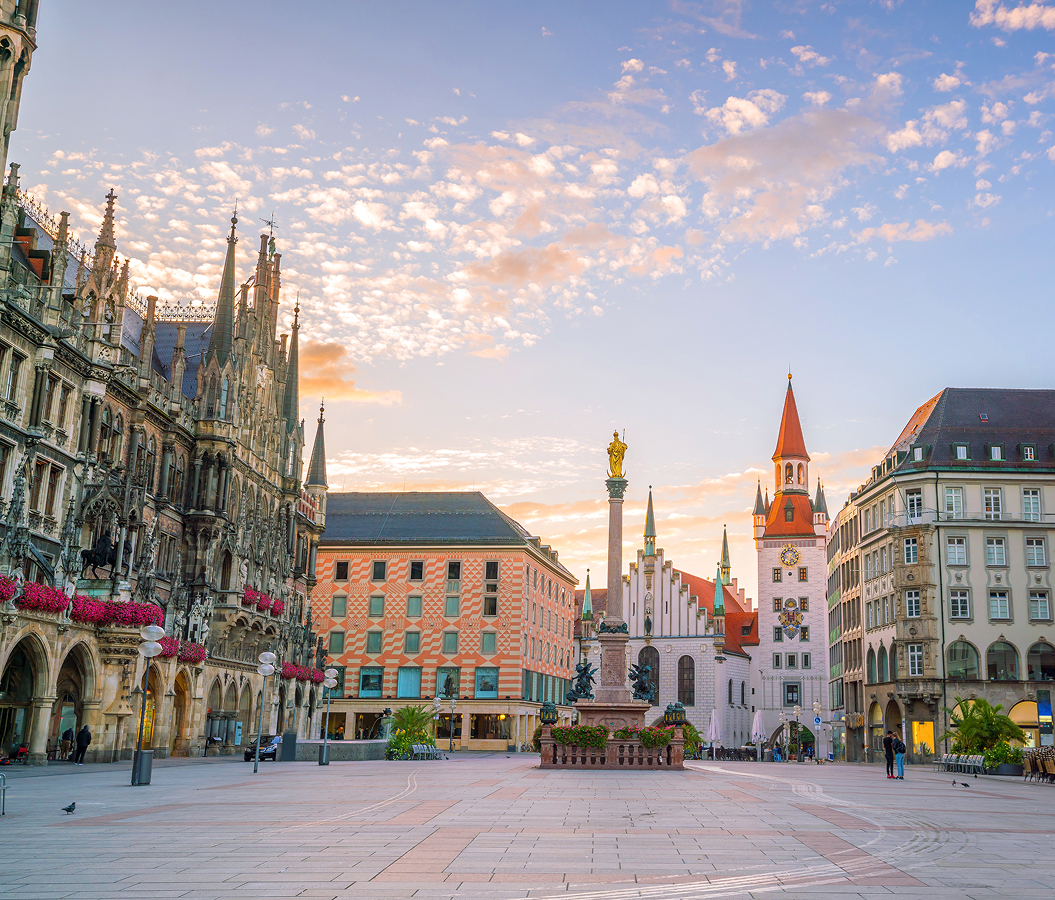
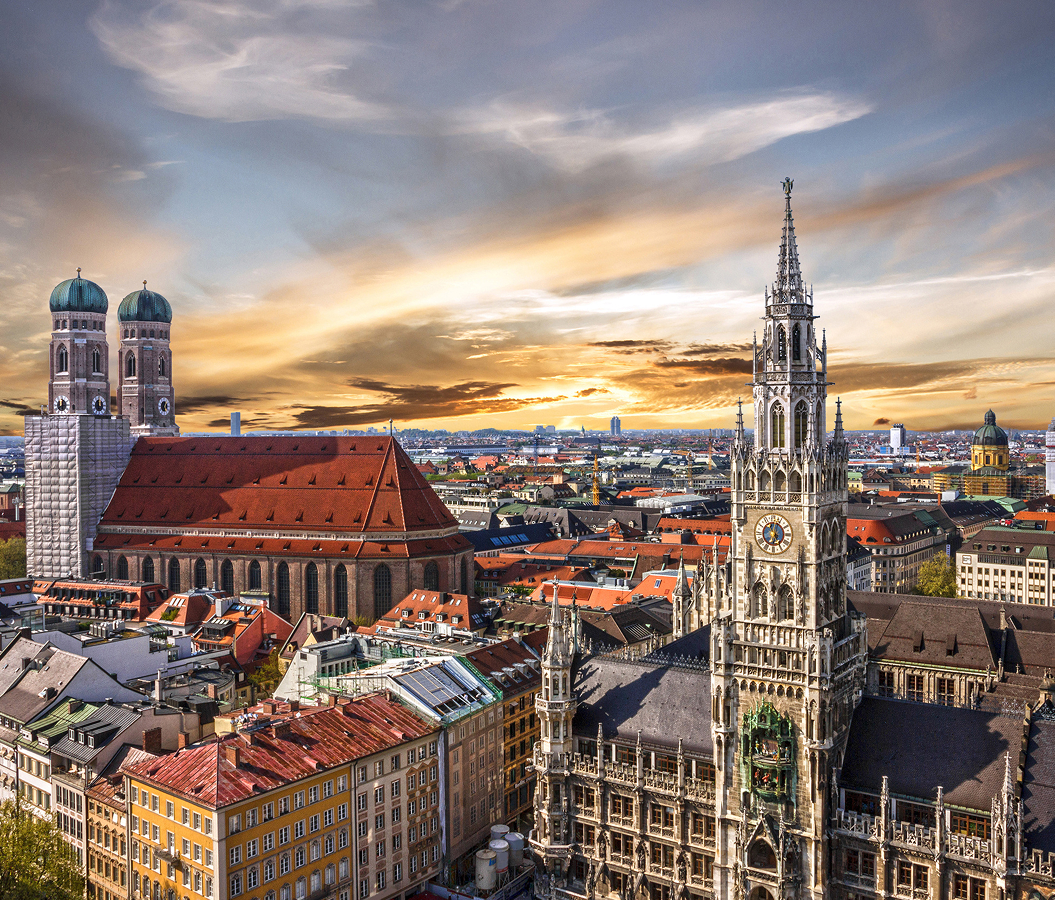
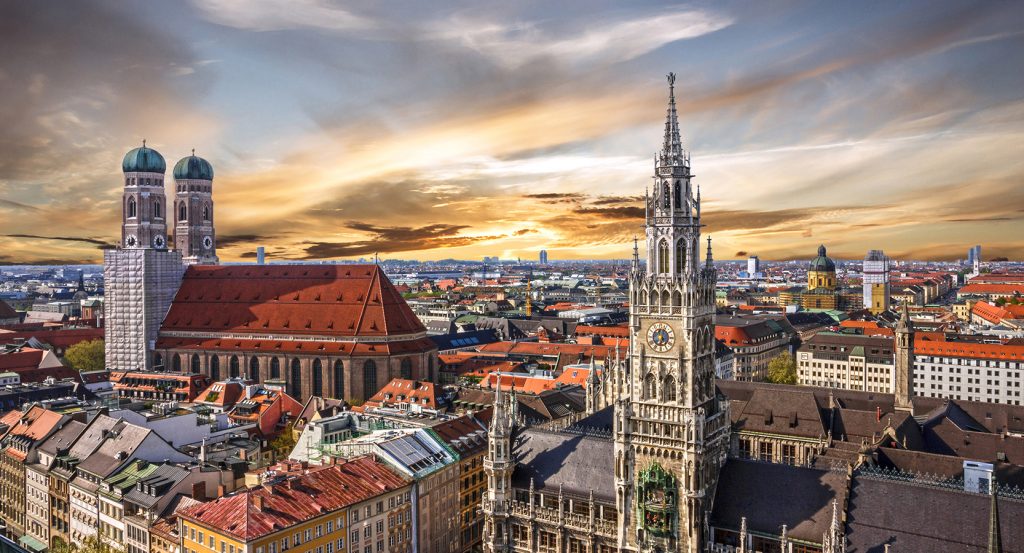
Begin mornings with breakfast at the hotel, using the calm, organized setting to plan the day. Step outside and explore the immediate neighborhood, where Isartor's historic presence anchors streets filled with everyday Munich life. Walk toward Viktualienmarkt for local flavors and fresh produce, or continue into Marienplatz and the surrounding old town for cultural landmarks and shopping. From there, follow the Isar River south or north for scenic walks that offer a quieter perspective on the city. Midday returns to the hotel are easy and efficient. Whether you're dropping off purchases, resting between museum visits, or resetting before evening plans, the hotel's central location makes these pauses natural. Afternoons can extend into Haidhausen's village-like streets, museum corridors, or longer walks through Munich's layered neighborhoods. Transit connections nearby ensure flexibility. As evening approaches, dining options remain abundant. Choose a neighborhood restaurant within walking distance or venture slightly further for more energetic nightlife and culinary scenes. Returning to Hotel Isartor afterward feels straightforward and grounding, a transition back into order. Over multiple days, this rhythm proves sustainable. Exploration is supported by proximity to rest, movement by clarity, and curiosity by continuity. The hotel becomes a steady reference point, allowing Munich to be experienced as a living city.
Where your story begins.
Foresyte Travel reveals places that feel extraordinary long before you arrive.
Experience premium editorial crafted for luxury travelers.