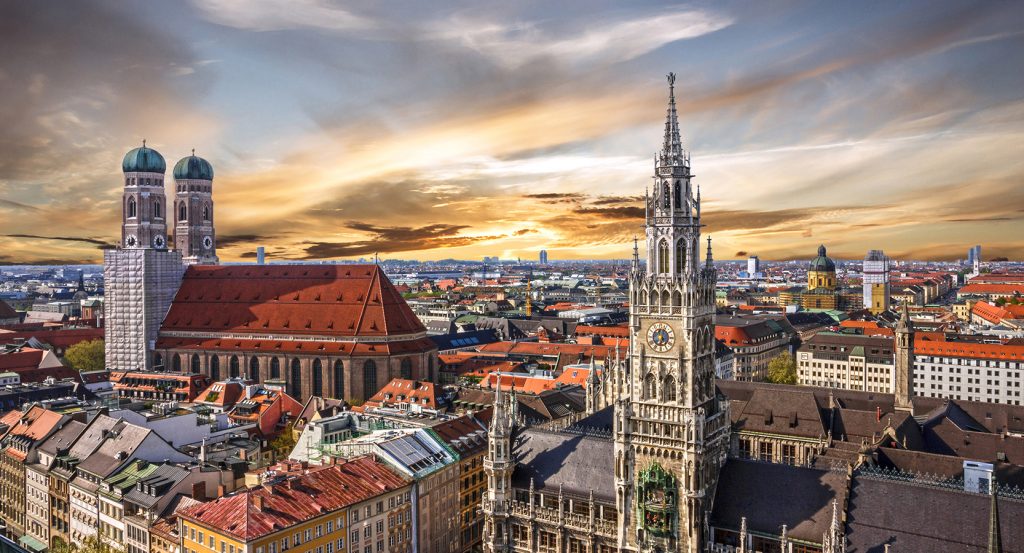
Why you should experience Hotel Jedermann in Munich, Germany.
Hotel Jedermann is where Munich feels approachable, lived-in, and refreshingly unpretentious, where staying supports momentum rather than performance, and where the city reveals itself through ease, rhythm, and everyday coherence instead of performance.
Located near Munich's central districts and within comfortable reach of the Hauptbahnhof, Hotel Jedermann occupies a quietly strategic position that immediately simplifies the experience of the city. Arrival feels practical in the best sense of the word. The surrounding streets carry a residential calm layered with local commerce, cafés, and steady urban movement. Stepping inside the hotel, the tone is clear and grounded. Public areas are modest, orderly, and welcoming, designed to orient. There is no attempt to dazzle or distract; instead, the environment communicates reliability, warmth, and clarity. The lobby and shared spaces feel functional yet human, offering a place to arrive, pause, and transition. Guest rooms at Hotel Jedermann reflect this same philosophy of straightforward comfort. Interiors are clean, bright, and thoughtfully maintained, prioritizing usability and rest over decorative excess. Beds are generous and supportive, dressed in crisp linens that encourage consistent, restorative sleep after long days navigating Munich's streets, museums, or business meetings. Room layouts are efficient but not cramped, allowing circulation to feel natural and intuitive. Furnishings are arranged with purpose: desks positioned for productivity, seating placed for quiet downtime, and storage solutions that keep belongings contained. Windows open to views of surrounding streets or inner courtyards, grounding the experience in everyday Munich. Lighting is practical and adjustable, transitioning smoothly from early-morning readiness to evening decompression. Acoustic insulation is handled competently, preserving calm even as the city continues its steady pulse outside. Bathrooms continue this theme of reliability and ease. Walk-in showers or tubs in select rooms, bright lighting, clean surfaces, and straightforward fixtures support daily routines. Everything functions as expected, removing unnecessary decision-making from the stay and allowing focus to remain on the city itself. Dining at Hotel Jedermann is intentionally uncomplicated. Breakfast is offered in a classic, European format, featuring fresh breads, pastries, eggs, fruit, cereals, and hot beverages that provide a dependable start to the day. The setting is calm and efficient, designed to support both early departures and slower mornings. Beyond breakfast, the surrounding neighborhood expands dining possibilities significantly. Traditional Bavarian restaurants, international eateries, bakeries, and casual cafés are all within easy walking distance, allowing guests to engage with Munich's culinary landscape organically. The hotel positions itself as a base. Service throughout Hotel Jedermann is friendly, direct, and quietly attentive. Interactions feel sincere and grounded, shaped by practicality. Staff members are helpful with transit guidance, local recommendations, and logistical questions, offering information that feels useful. The location reinforces the hotel's appeal.
What you should know about Hotel Jedermann.
Hotel Jedermann represents a distinctly European approach to hospitality, where value is defined by consistency, location intelligence, and human-scale service rather than branding theater or experiential excess.
The hotel's name itself, “Jedermann,” meaning “everyone”, reflects its foundational philosophy: a place designed to welcome a wide spectrum of travelers. This inclusive character has shaped its operations over time, influencing everything from room design to service style. Rather than chasing trends or repositioning itself through periodic reinvention, Hotel Jedermann has evolved incrementally, refining what works and maintaining continuity where it matters. Architecturally, the property reflects a pragmatic urban footprint. Spaces are designed to maximize functionality within a compact structure, emphasizing circulation efficiency, light access, and acoustic separation. Renovations have focused on upkeep, modernization of systems, and comfort improvements rather than aesthetic overhauls, ensuring the hotel remains reliable and coherent rather than visually dated or theatrically updated. Guest room design reflects this same pragmatism. Layouts are optimized for short to medium stays, with particular attention paid to sleep quality, lighting control, and storage. The emphasis on dependable beds and quiet rooms reflects an understanding that rest is the primary currency of hospitality for travelers navigating dense urban environments. Bathrooms follow suit, prioritizing cleanliness, intuitive use, and durability over decorative novelty. The breakfast offering is emblematic of the hotel's operational discipline. By providing a focused, high-quality selection rather than an expansive buffet, the hotel maintains predictability while minimizing waste and complexity. This aligns with broader European hospitality norms, where restraint and quality often carry more weight than abundance. Service culture at Hotel Jedermann emphasizes approachability and accuracy. Staff members are trained to assist efficiently and respectfully, offering guidance that supports guest autonomy. This creates an environment where travelers feel supported. Culturally, the hotel attracts a diverse clientele: business travelers seeking reliable access to transit, leisure guests exploring Munich for the first time, repeat visitors who value familiarity, and international travelers looking for a base that feels straightforward and trustworthy. Its reputation has been built through repetition rather than hype, guests return because the experience remains consistent. Hotel Jedermann's authority lies in its clarity of purpose. It does not attempt to be something it is not. Instead, it centers on delivering exactly what it promises: a clean, well-located, comfortably run hotel that supports the real act of being in Munich.
How to fold Hotel Jedermann into your trip.
Hotel Jedermann integrates most effectively into itineraries that prioritize flexibility, walkability, and efficient use of time.
Begin mornings with breakfast at the hotel, using the calm, predictable setting to plan the day ahead. From there, step out toward the Hauptbahnhof area to access Munich's extensive transit network. U-Bahn, S-Bahn, and tram lines connect you quickly to Marienplatz, Viktualienmarkt, the English Garden, museum quarters, and shopping districts, making orientation simple even for first-time visitors. Alternatively, start on foot. The surrounding streets offer a sense of everyday Munich, with local cafés, bakeries, and small shops that reveal the city's lived texture beyond landmarks. Midday returns to the hotel are easy and restorative. Whether you're pausing between meetings, dropping off purchases, or taking a short rest, the hotel's location and uncomplicated layout make these breaks efficient. Afternoons can branch outward into deeper exploration. Spend time in Schwabing's cultural corridors, stroll along the Isar River paths, or dive into museum visits. The hotel's proximity to transit ensures that distance never becomes a constraint. As evening approaches, dining choices remain flexible. Choose a neighborhood restaurant nearby for a relaxed, local meal, or travel into the city center for more energetic nightlife and culinary scenes. Returning to Hotel Jedermann afterward feels straightforward and grounding, a return to familiarity. Over multiple days, this rhythm proves sustainable. Exploration is balanced by proximity to rest, movement by clarity, and curiosity by ease. The hotel becomes a steady reference point, always accessible, always predictable, allowing Munich to unfold naturally rather than feeling compressed into a checklist.
Where your story begins.
Foresyte Travel reveals places that feel extraordinary long before you arrive.
Experience premium editorial crafted for luxury travelers.