Why you should experience Hotel Torbräu in Munich, Germany.
Hotel Torbräu is where Munich's living history feels intimate rather than monumental, where centuries of tradition quietly support modern comfort, and where staying feels less like checking into a hotel and more like being folded into the city's everyday rhythm.
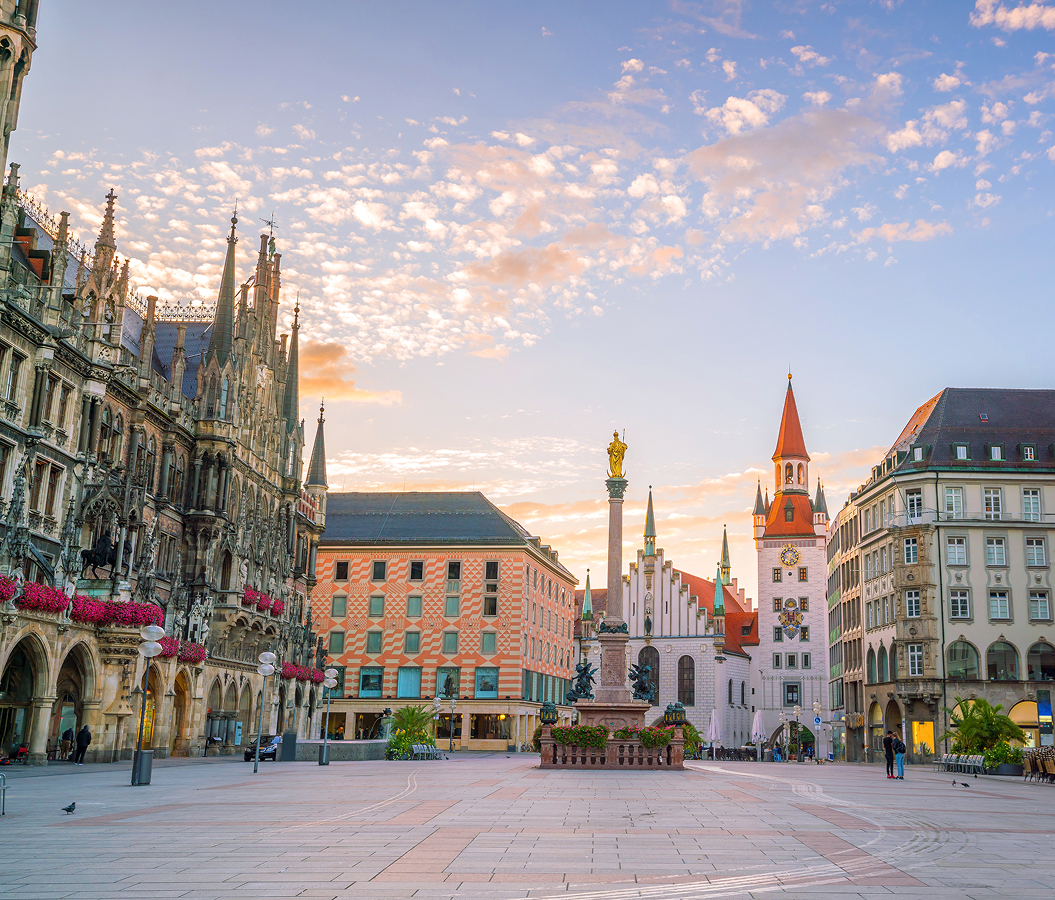
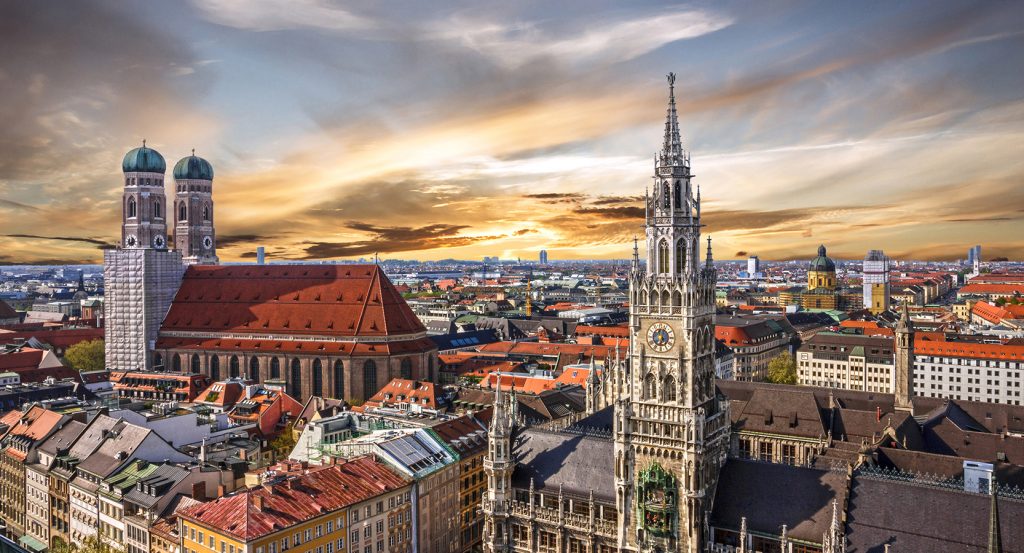
Located just inside Munich's historic old town near Isartor, Hotel Torbräu occupies one of the most authentic and strategically placed positions in the city. This is not a property that gestures toward history as a branding exercise, it lives inside it. The building has hosted travelers for generations, and that continuity is felt the moment you arrive. The surrounding streets are alive with Munich's daily pulse: trams passing softly, locals heading to cafés, church bells marking time, and the subtle hum of a city that has learned how to balance tradition with forward motion. Arrival feels calm, welcoming, and grounded. There is no theatrical entrance or performative luxury; instead, there is a sense of quiet assurance, as if the hotel has nothing to prove because it has already endured. Public spaces are warm and composed, defined by classic proportions, rich materials, and a distinctly Bavarian sense of hospitality. Wood accents, traditional detailing, and carefully maintained historic elements coexist with modern lighting and comfort-driven updates, creating an environment that feels layered. The lobby functions as both threshold and refuge, a place to orient yourself, pause, and absorb the atmosphere before stepping back into the city. Guest rooms at Hotel Torbräu continue this balance between heritage and comfort. Interiors are thoughtfully designed to feel residential rather than generic, with layouts that prioritize rest, usability, and a sense of calm. Beds are generous and inviting, dressed in crisp linens that support deep, reliable sleep after days spent walking Munich's cobbled streets. Furnishings lean toward classic elegance, wooden desks, comfortable seating, and tasteful textiles, while remaining uncluttered and functional. Windows often frame views of the old town, inner courtyards, or neighboring rooftops, reinforcing the feeling that you are living within the city rather than observing it from a distance. Sound insulation and thoughtful spatial planning ensure that even in such a central location, rooms remain peaceful and restorative. Bathrooms are modern, clean, and well-appointed, offering walk-in showers or bathtubs depending on room category, quality fixtures, and lighting that supports both efficient mornings and relaxed evenings. Everything feels intentionally maintained rather than recently installed, which contributes to the hotel's sense of continuity and care. Dining at Hotel Torbräu reflects its role as a cultural host. Breakfast is a highlight, offering a generous spread that blends Bavarian staples with international options, fresh breads, local cheeses, meats, fruit, eggs, and warm dishes that provide energy for the day ahead. The breakfast room itself feels convivial and unhurried, encouraging guests to linger. Other dining and drinking options within the hotel maintain the same tone: welcoming, unfussy, and rooted in hospitality.
What you should know about Hotel Torbräu.
Hotel Torbräu is Munich's oldest hotel still in continuous operation, a distinction that shapes every aspect of its identity, from its architecture and atmosphere to its approach to hospitality.
The hotel's history stretches back to the 15th century, when it began welcoming travelers entering Munich through the nearby Isartor gate. Over centuries, it has evolved alongside the city itself, adapting to changing needs while preserving its role as a place of welcome and rest. Unlike properties that reconstruct history through design cues, Hotel Torbräu carries its legacy organically. Its walls have absorbed generations of travelers, merchants, artists, families, and explorers, each leaving behind an invisible imprint that contributes to the hotel's unique character. Throughout its long history, the property has been carefully maintained and updated by generations of the same family, ensuring continuity not just in ownership but in philosophy. Modern comforts were introduced thoughtfully, with an emphasis on preserving the building's soul. Structural elements, spatial proportions, and traditional materials were respected during renovations, allowing the hotel to remain relevant. This approach gives Hotel Torbräu a sense of integrity that is increasingly rare in historic urban hotels. Operationally, the hotel has always functioned as a bridge between visitors and the city. Its location near historic trade routes and civic centers made it a natural gathering point, and that role continues today. Staff training emphasizes cultural fluency and local knowledge, equipping team members to act as informal ambassadors for Munich. This is not accidental but a continuation of the hotel's original purpose: helping travelers navigate a city that is both welcoming and complex. Economically, Hotel Torbräu occupies a position that prioritizes value through experience. It does not seek to compete with large luxury chains on amenities alone; instead, it offers something more enduring, a sense of place and belonging. Rooms are designed to be comfortable and dependable rather than trend-driven, which contributes to long-term guest satisfaction and repeat visits. Culturally, the hotel reflects Munich's broader character: respect for tradition paired with pragmatic modernity. It does not romanticize the past at the expense of comfort, nor does it chase novelty for its own sake. This balance connects with travelers who appreciate history but live firmly in the present. Over time, Hotel Torbräu has become less a hotel in the conventional sense and more a fixture of the city's identity, a place where Munich's past and present meet quietly.
How to fold Hotel Torbräu into your trip.
Hotel Torbräu integrates most naturally into itineraries that prioritize walkability, cultural immersion, and a slow, intentional engagement with Munich's historic core.
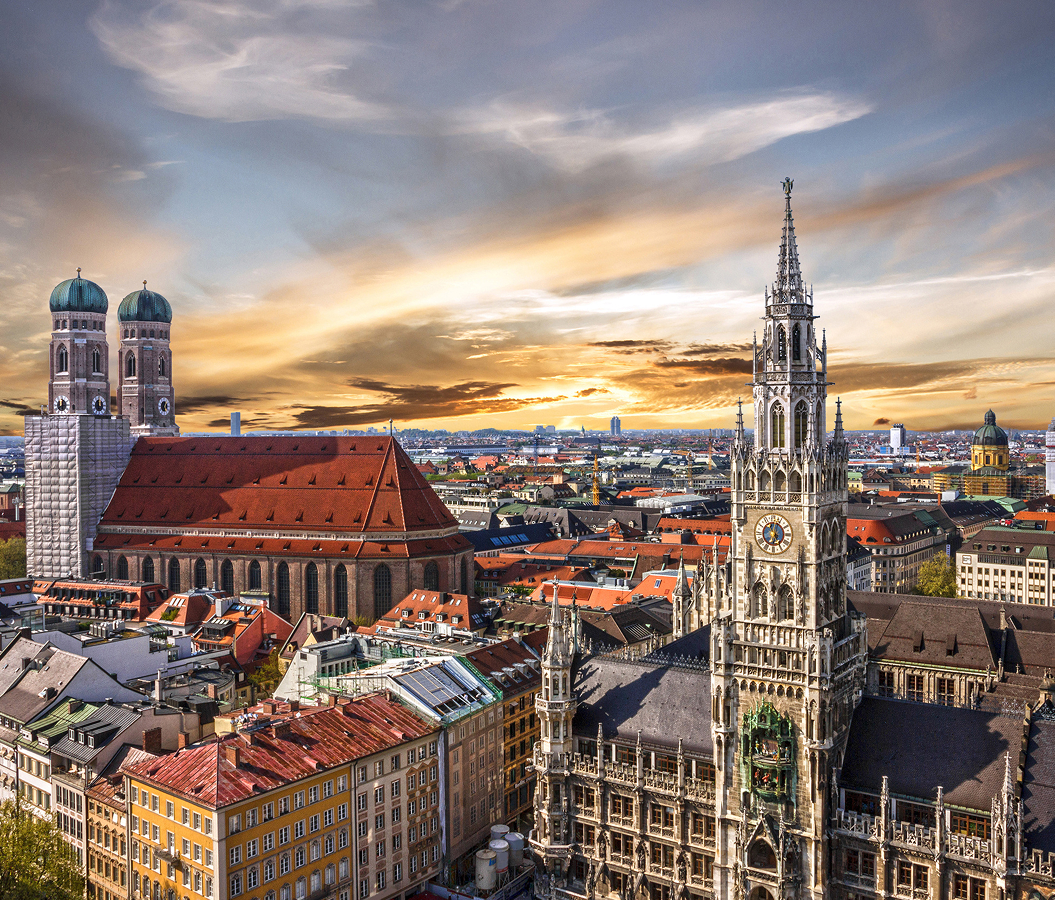
Begin your mornings with breakfast at the hotel, allowing the day to unfold. From the front door, step directly into the old town and let your route be guided by curiosity. Walk to Viktualienmarkt to sample local produce, then continue toward Marienplatz to observe the city's daily rhythms. Mid-morning is ideal for museums, churches, or a stroll along the Isar River, all easily reached on foot. Return to the hotel around midday for a brief pause, to drop off purchases, rest, or simply recalibrate before the afternoon. This ability to move in and out of the city without transportation planning is among the hotel's greatest strengths. Afternoons can extend into quieter neighborhoods or remain centered around the old town's layered streets, galleries, and cafés. As evening approaches, enjoy dinner at a traditional Bavarian restaurant nearby or venture slightly outward for contemporary cuisine, knowing the walk back will be calm and familiar. Returning to Hotel Torbräu at night feels grounding; the city's energy softens, and the hotel's interior becomes a place of rest. Over multiple days, this rhythm becomes deeply satisfying. You are not rushing between sights but inhabiting the city as it reveals itself gradually.
Where your story begins.
Foresyte Travel reveals places that feel extraordinary long before you arrive.
Experience premium editorial crafted for luxury travelers.