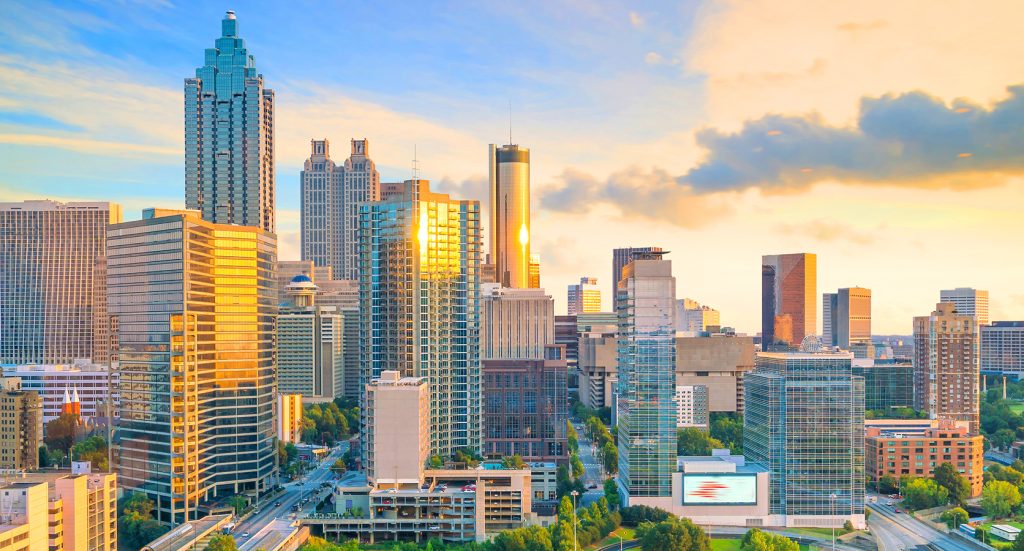
Why you should experience Howard Street in Atlanta, Georgia.
Howard Street is a welcoming corridor where Kirkwood's railroad heritage, neighborhood character, architectural continuity, and entrepreneurial revival define one of Atlanta's most enduring eastside streets.
Running through Kirkwood between Edgewood and East Lake, the corridor connects historic commercial blocks, early residential neighborhoods, civic institutions, and longtime local businesses that collectively reflect Kirkwood's evolution from an independent railroad town into one of Atlanta's most distinctive urban communities. Successive blocks reveal how rail transportation, suburban growth, and neighborhood stewardship established a streetscape that continues preserving the character of one of the city's oldest eastside districts. Brick storefronts, Craftsman residences, mature hardwood canopies, and preserved sidewalks create an environment shaped by more than a century of continuous community life. The result is an experience defined by continuity, authenticity, and one of Kirkwood's most recognizable corridors.
What you should know about Howard Street.
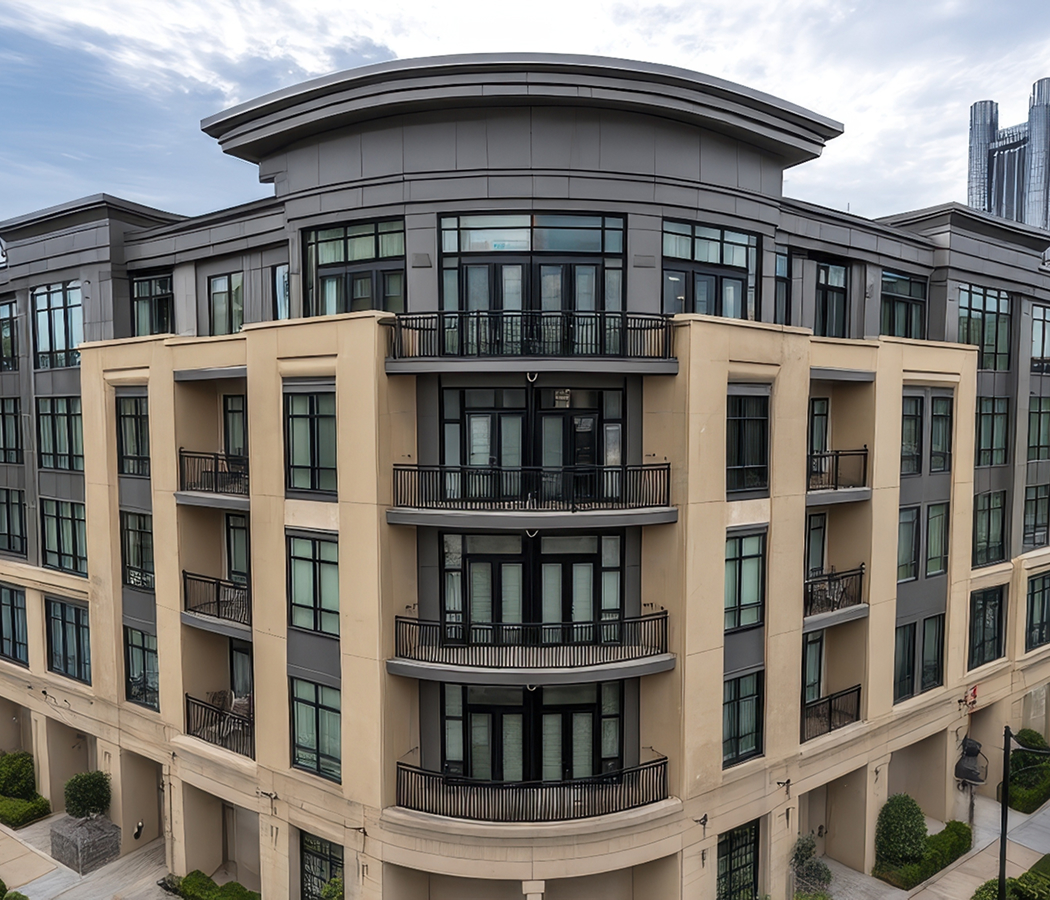
Howard Street is best known for developing alongside the Georgia Railroad, whose expansion during the late nineteenth century established Kirkwood as an independent railroad suburb before its annexation into the City of Atlanta in 1924. Residential and commercial construction accelerated between the 1890s and the 1930s, introducing Craftsman bungalows, Queen Anne cottages, Colonial Revival residences, and masonry storefronts that served a growing commuter population traveling between Kirkwood and Downtown by rail. The corridor evolved around the historic Kirkwood Depot, where passenger service encouraged compact commercial development while reinforcing Howard Street as one of the community's principal east-west connections. Brick masonry, granite foundations, decorative woodwork, exposed rafter tails, and traditional neighborhood lot patterns demonstrate construction practices associated with Atlanta's streetcar and railroad suburban era. Collectively, these layers of railroad transportation, suburban expansion, architectural craftsmanship, and commercial development established Howard Street as one of Kirkwood's defining historic corridors.
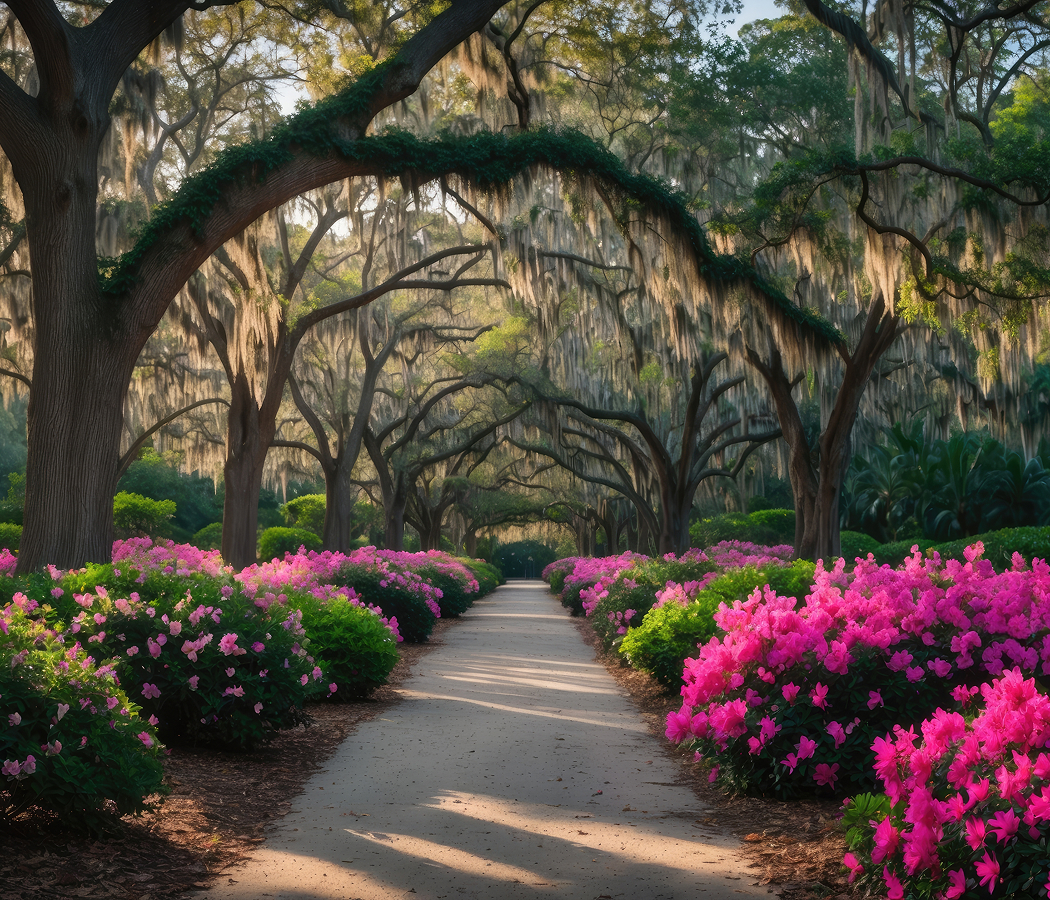
Community preservation initiatives beginning in the late twentieth century encouraged restoration of historic residences, neighborhood businesses, and commercial buildings while maintaining the corridor's original scale and walkable street pattern. Mature oak trees, granite curbing, historic retaining walls, brick sidewalks, and surviving early twentieth-century streetscape elements continue reinforcing the avenue's longstanding relationship between transportation and residential development. Independent businesses, neighborhood organizations, and locally driven reinvestment have preserved Howard Street's role as a civic and commercial gathering place while respecting the architectural fabric established during Kirkwood's formative decades. Ultimately the preservation of railroad-era planning, historic building materials, and sustained neighborhood stewardship demonstrates how Howard Street continues expressing the enduring character of one of Atlanta's oldest communities.
How to fold Howard Street into your trip.
Howard Street works as an exploration of Kirkwood's history, neighborhood culture, and public spaces.
Begin at Kirkwood Historic District, where preserved early twentieth-century residences and neighborhood streets establish the historical character that defines the community before naturally leading toward Howard Street. Continue to 2nd + Hosea, where locally owned businesses, neighborhood gathering spaces, and thoughtfully restored commercial buildings deepen appreciation for Kirkwood's contemporary entrepreneurial spirit while extending the walking experience. Conclude at Pullman Yards, where the restored industrial campus provides the historical payoff by illustrating how Atlanta's railroad heritage continues finding new purpose through thoughtful preservation and adaptive reinvestment. Together, the sequence reveals how transportation, neighborhood identity, and historic preservation have collectively shaped the enduring character surrounding Howard Street.
Where your story begins.
Foresyte Travel reveals places that feel extraordinary long before you arrive.
Experience premium editorial crafted for luxury travelers.