Why Howell Mill Road matters.
Howell Mill Road is a dynamic West Midtown corridor where industrial heritage, entrepreneurial innovation, and contemporary urban culture converge along one of Atlanta's most influential commercial thoroughfares.
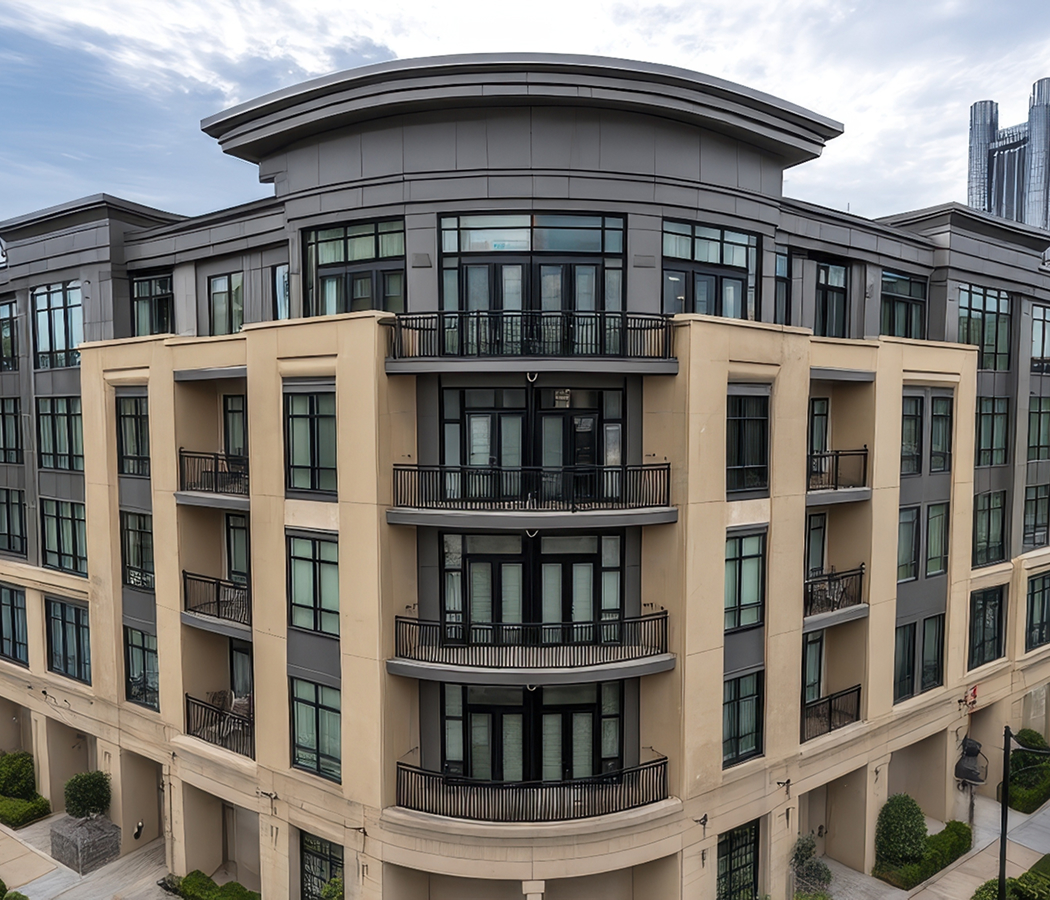
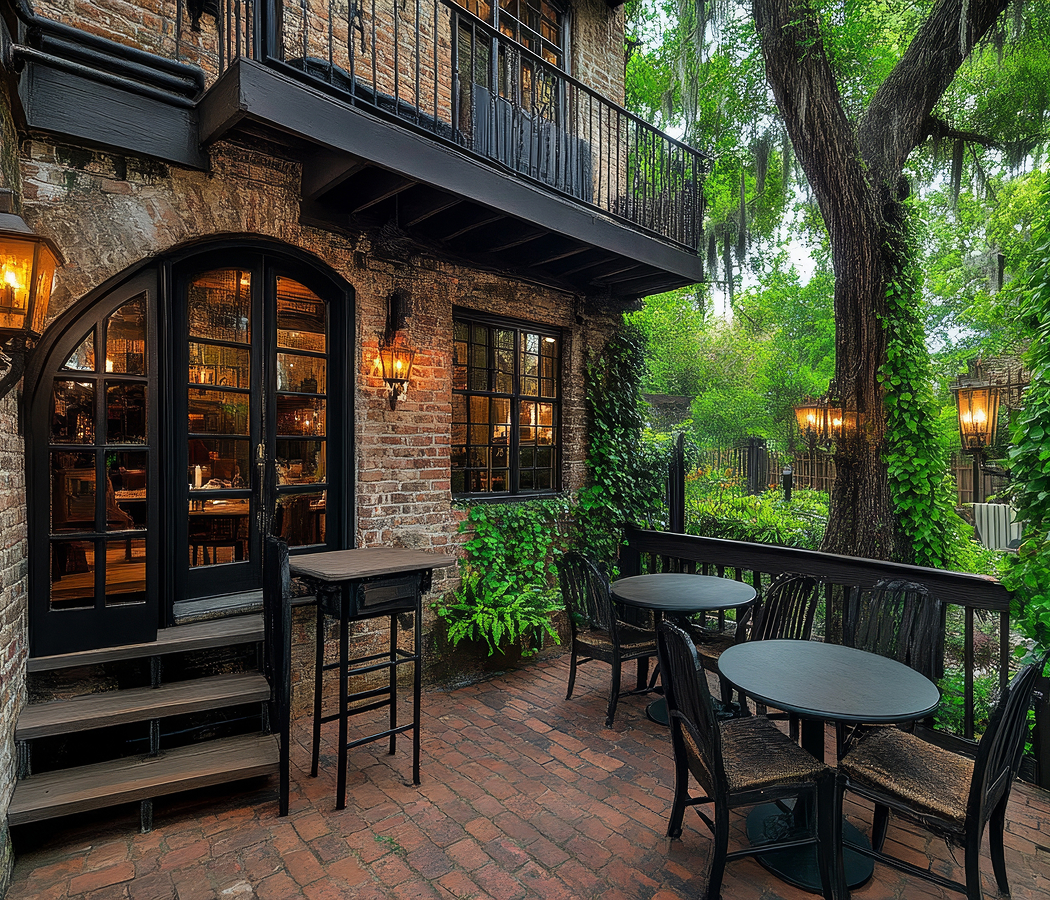
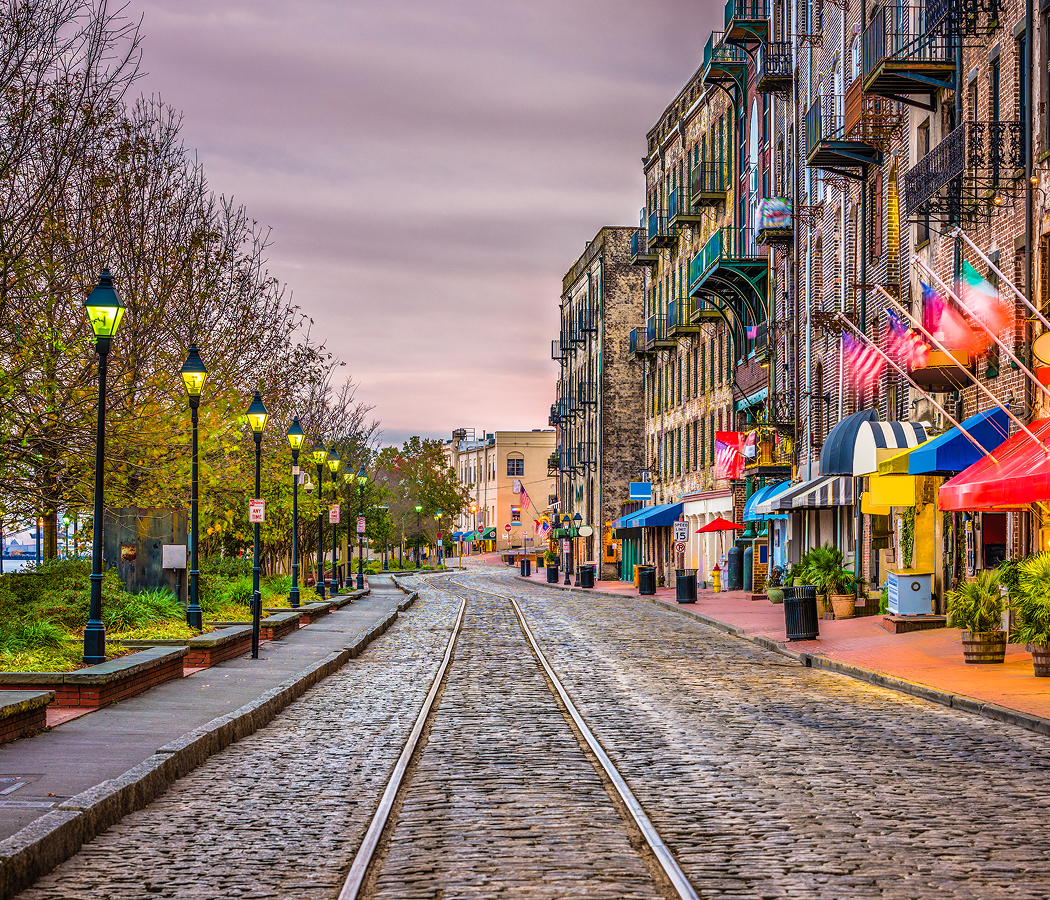
Running through West Midtown between Underwood Hills and Atlantic Station, this prominent corridor connects adaptive reuse districts, design showrooms, chef-driven restaurants, creative offices, historic industrial buildings, and mixed-use developments that have transformed Atlanta's former manufacturing center into one of the Southeast's premier innovation districts. Restored brick warehouses, modern architecture, landscaped streetscapes, and thriving pedestrian environments create a corridor where industrial history and contemporary creativity coexist seamlessly. Originally developed to serve Atlanta's expanding rail and manufacturing economy, Howell Mill Road has evolved into the defining spine of West Midtown's remarkable renaissance. The result is a corridor defined by reinvention, enterprise, and enduring metropolitan significance.
What defines Howell Mill Road.
Howell Mill Road is best known for passing King Plow Arts Center, the former King Plow Company factory, where the company manufactured the Maltese Plow, an agricultural implement that became one of the best-selling plows in the United States, helping establish Atlanta as one of the South's leading industrial manufacturing centers during the late nineteenth and early twentieth centuries.
Founded in 1891, King Plow grew into one of America's foremost agricultural equipment manufacturers, producing implements that were shipped throughout the United States and international markets while employing generations of Atlantans. The factory complex became a defining landmark of West Midtown's industrial landscape, symbolizing the city's emergence as a regional manufacturing powerhouse beyond its railroad origins. Rather than disappearing after industrial production ended, the campus became one of Atlanta's earliest large-scale adaptive reuse success stories, preserving its historic brick architecture while welcoming artists, technology firms, creative agencies, restaurants, and cultural organizations. Today, Howell Mill Road continues to reflect this extraordinary evolution, where preserved industrial landmarks and innovative businesses together demonstrate one of Atlanta's most successful examples of urban reinvention.
How Howell Mill Road fits.
Howell Mill Road works as an exploration of West Midtown's industrial heritage, culinary excellence, and creative energy.
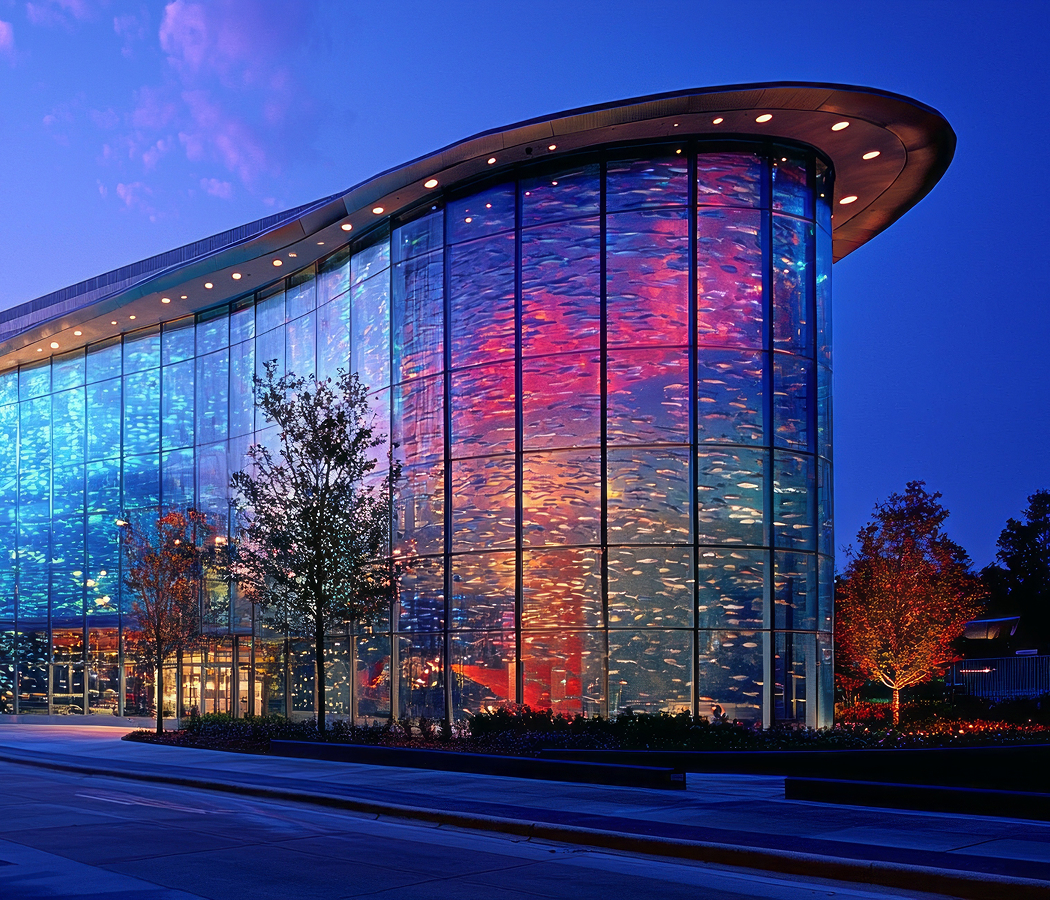
Begin at King Plow Arts Center, where preserved factory buildings immediately reveal the corridor's remarkable manufacturing legacy. Continue toward Westside Provisions District, whose adaptive reuse of historic warehouses showcases another chapter in West Midtown's transformation into one of Atlanta's premier lifestyle destinations. From there, make your way to The Interlock, where contemporary architecture, energetic public spaces, and innovative mixed-use development provide a broader perspective on the neighborhood's continuing evolution. Along the route, you'll encounter chef-driven restaurants, boutique retailers, creative workspaces, public art, restored industrial buildings, and lively pedestrian streets that demonstrate how Howell Mill Road seamlessly connects Atlanta's manufacturing history with one of its most dynamic contemporary districts. The progression moves naturally from historic factory complex to celebrated adaptive reuse destination to modern innovation hub, revealing why Howell Mill Road remains one of Atlanta's defining corridors.
Where your story begins.
Foresyte Travel reveals places that feel extraordinary long before you arrive.
Enjoy editorial crafted for luxury travelers.
Foresyte may earn a commission when you book.