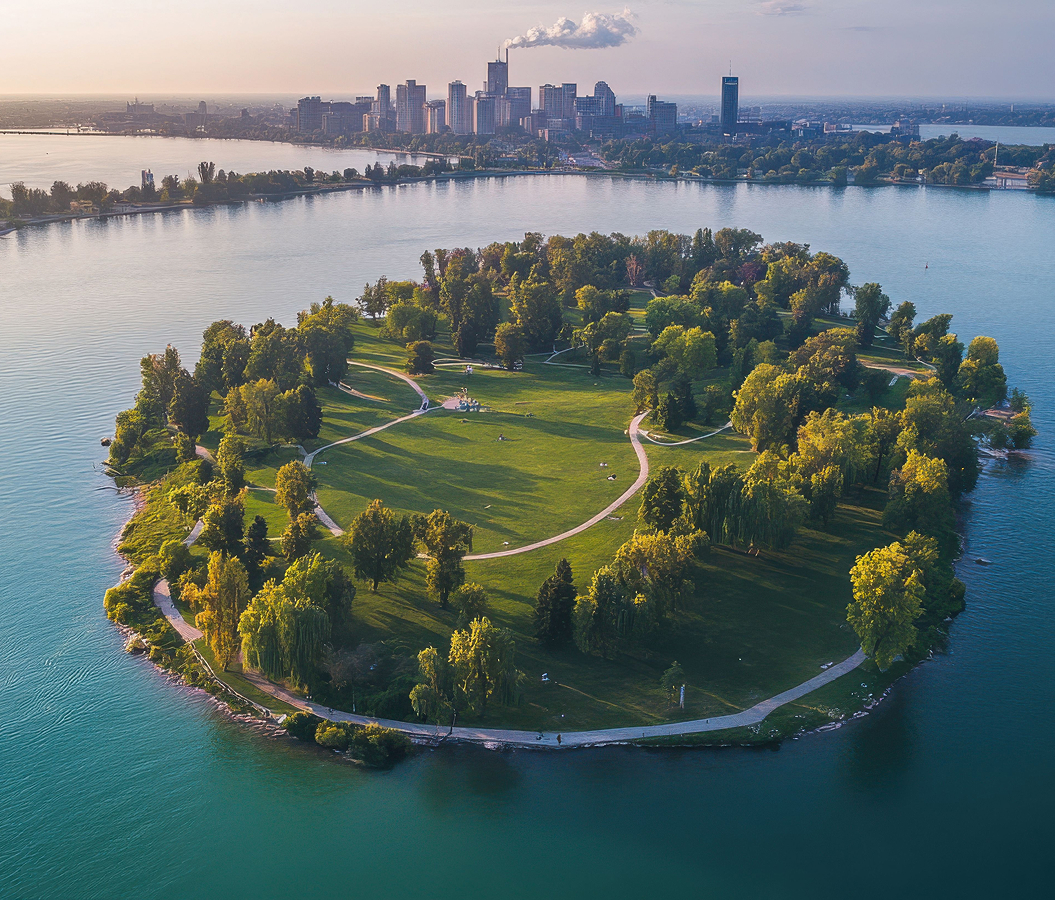
Why you should experience Humboldt Park Natural Area in Chicago, Illinois.
Humboldt Park Natural Area is a quiet reclamation of wildness, a space where native landscape softens the city's edges and invites you into something slower, looser, and more elemental.
Tucked within Humboldt Park just west of the lagoon and near North Humboldt Drive, this preserved natural area sits slightly removed from the park's more active zones, offering a transition from open lawns into a landscape shaped by prairie grasses, wetlands, and subtle ecological design. The shift is gradual but unmistakable. Paths narrow, textures change, and the environment begins to feel less managed. Wind moves through tall grasses, birds replace background noise, and the pace of the city fades into something more ambient. There's no central attraction here, no focal point pulling you forward. Instead, the space unfolds in layers, asking you to move differently, to notice more, and to let the experience build quietly.
What you should know about Humboldt Park Natural Area.
Humboldt Park Natural Area is part of a broader effort to restore native ecosystems within urban parks, reintroducing plant and wildlife habitats that once defined the region before the city expanded around them.
Unlike traditional park landscaping, this area is intentionally less controlled. Native prairie species, wetland plants, and natural growth cycles are allowed to shape the environment, creating a habitat that supports birds, pollinators, and a range of local wildlife. What might appear unstructured is deeply intentional. The layout is designed to mimic natural systems, balancing water, soil, and plant life in a way that sustains itself over time. Paths are minimal and carefully placed, guiding visitors. This approach shifts the purpose of the space. It's not about recreation in the traditional sense, but about restoration, observation, and coexistence within an urban setting.
How to fold Humboldt Park Natural Area into your trip.
Humboldt Park Natural Area works as a reflective detour, a place to step away from the park's more active areas and into something quieter and more immersive.
Visit during the morning or late afternoon when the light moves gently across the grasses and the area feels most alive with subtle motion. Walk slowly along the designated paths, resisting the urge to rush or cover ground quickly. This is a space that rewards attention. If you're exploring Humboldt Park, use the natural area as a contrast point, a quieter chapter between more social or recreational stops. Stay as long as it feels natural, then transition back into the broader park. When you leave, the shift is noticeable, the city returns, but you carry a sense of calm shaped by a space that exists not to entertain, but to restore.
Where your story begins.
Foresyte Travel reveals places that feel extraordinary long before you arrive.
Experience premium editorial crafted for luxury travelers.