Why InterContinental Nha Trang matters.
InterContinental Nha Trang is a defining beachfront hotel where Nha Trang's coastal resort culture meets Cham heritage, South China Sea geography and the city's transformation into Vietnam's principal urban beach destination.
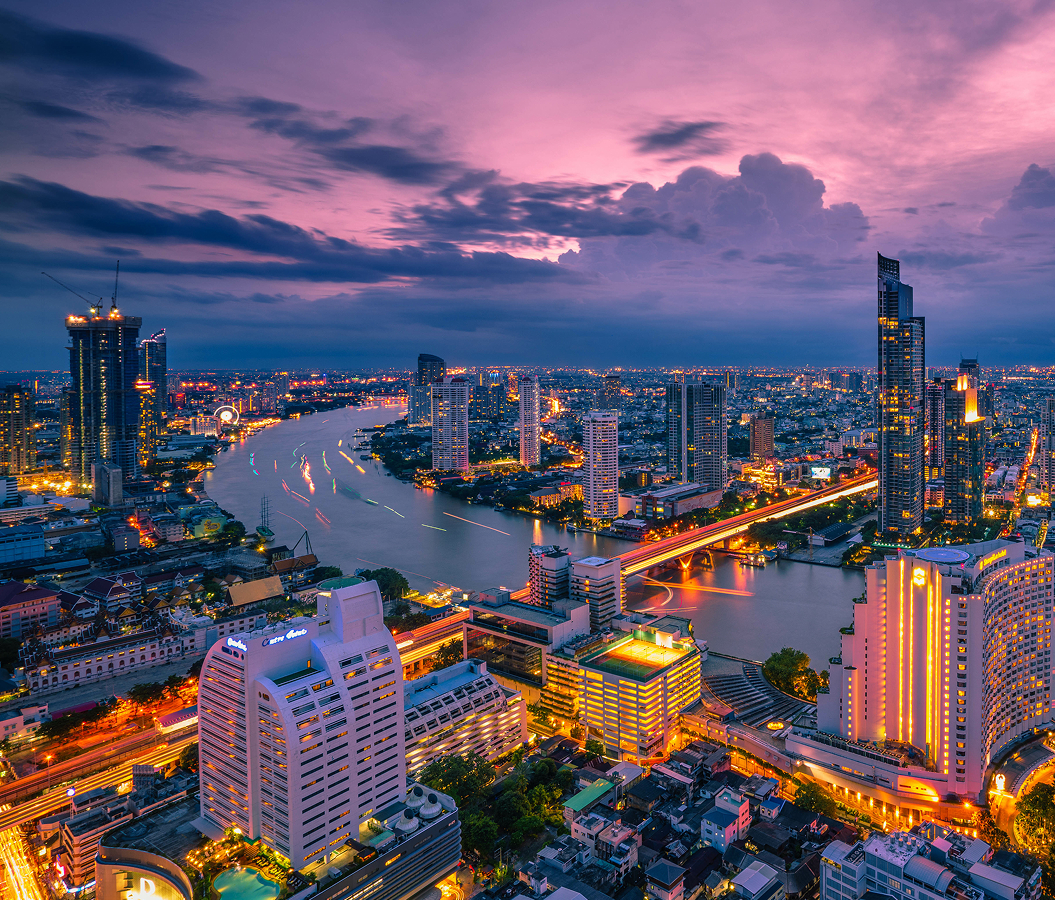
Set along Tran Phu Street on Nha Trang Bay, InterContinental Nha Trang stands between the sandy beachfront and the city's central commercial district, with the promenade extending toward the harbor, Hon Tre Island and the mountain ranges surrounding Khanh Hoa. Its distinctive physical setting places a tall contemporary hotel directly against the open bay, creating a sharp transition between urban streets, tropical gardens, swimming pools and the sea. The city is encountered primarily through movement between the hotel, the beachfront promenade, nearby restaurants, harbor routes and the boats crossing the bay toward offshore islands. A second atmosphere develops inside the property through ocean-facing restaurants, lounges, guest terraces, wellness spaces and shaded interiors that provide a calm counterpart to the active coastal boulevard. The result is an exceptional urban resort whose architecture and setting connect Nha Trang's modern hospitality economy with its bay, islands and long maritime history.
What defines InterContinental Nha Trang.
InterContinental Nha Trang is best known for introducing the InterContinental brand to Vietnam's celebrated Nha Trang coastline in March 2014, establishing a major international luxury hotel within the city's expanding beachfront commercial district. The property emerged from TD Corporation's development of The Costa Nha Trang, a mixed-use hospitality and residential complex conceived during the transformation of Tran Phu Boulevard into a prominent destination for international tourism and coastal real estate investment. Singaporean architect Tan Hock Beng designed the hotel, bringing an established background in Asian resort architecture to a development that integrated contemporary urban hospitality with the distinctive geography of Nha Trang Bay. The project was originally conceived under the Crowne Plaza brand before its repositioning as an InterContinental property in 2013, reflecting an ambition to establish a more prestigious international presence along the city's principal waterfront. InterContinental Hotels Group formally opened the hotel on March 17, 2014, expanding its Vietnamese portfolio into one of the country's most established coastal tourism destinations. The development joined TD Corporation's adjoining residential investment with an internationally managed hotel, creating a substantial new hospitality complex within Nha Trang's emerging luxury accommodation market. Its introduction coincided with the growing international visibility of Khánh Hòa Province, whose protected bays, offshore islands and marine tourism industry had established the region as an important destination within Vietnam's coastal economy. The property's arrival strengthened Nha Trang's position in the international meetings and events market through the introduction of a substantial pillarless ballroom and conference facilities designed for corporate gatherings and ceremonial functions. Its culinary program also brought a more internationally oriented dining format to the beachfront district, incorporating Vietnamese coastal specialties into the service traditions of a global luxury hotel brand. The hotel subsequently developed a prominent position within Nha Trang's upscale hospitality sector, connecting the city's established seaside tourism culture with the international commercial investment reshaping its waterfront. InterContinental Nha Trang represents a significant chapter in the development of contemporary Vietnamese coastal hospitality, reflecting the expansion of international hotel management into one of the country's principal beach destinations.
Tan Hock Beng's architectural conception establishes the hotel's defining relationship with Nha Trang Bay through a contemporary tower whose principal accommodations and public spaces face the broad coastal panorama. The building's glass-fronted elevations introduce expansive views across the waterfront, bringing the changing light and maritime character of the bay into the interior composition. Its modern architectural language reflects the transformation of Tran Phu Boulevard from a traditional seaside promenade into a concentrated district of international hotels, commercial developments and contemporary residential towers. The interior program extends this relationship with the coastline through carefully arranged public spaces that emphasize natural light, open views and the transition between the urban waterfront and the protected waters of the bay. Cookbook Café develops the hotel's culinary character around interactive cooking stations, where Vietnamese specialties, locally sourced seafood and chargrilled meats connect the region's fishing traditions with contemporary international dining. The restaurant's open preparation areas place culinary craftsmanship within the dining environment, allowing the techniques associated with Vietnamese coastal cooking to become part of the restaurant's architectural and social character. Its terrace extends the dining room toward Nha Trang Bay, reinforcing the relationship between the hotel's culinary program and the maritime landscape that sustains the surrounding city. The Lobby Lounge introduces another interpretation of the coastal setting through full-height glazing, establishing a panoramic social space overlooking the waterfront. Aqualine Pool Bar develops the relationship between hospitality and the tropical climate through outdoor dining and informal gatherings beside the hotel's swimming pools. Spa InterContinental incorporates Japanese-inspired decorative influences into a wellness environment combining traditional therapeutic approaches with contemporary treatments. The property's principal ballroom introduces a contrasting ceremonial dimension, accommodating substantial weddings, diplomatic gatherings and international business events within one of Nha Trang's prominent beachfront hotels. Together, these architectural and hospitality elements establish a distinctive relationship between contemporary luxury accommodation, Vietnamese coastal cuisine and the international tourism culture of Nha Trang Bay.
How InterContinental Nha Trang fits.
InterContinental Nha Trang works as the starting point for an exploration connecting Nha Trang's maritime economy, Cham cultural heritage and the religious and natural landscapes surrounding Vietnam's southern central coast.
Begin at Po Nagar Cham Towers, the historic temple complex rising above the Cái River north of Central Nha Trang where brick towers, carved deities and elevated terraces preserve the religious traditions of the ancient Champa civilization. The site's red-brick architecture occupies a hill overlooking the river and urban plain, creating a strong relationship between sacred structure, waterway and surrounding mountains. Its surviving towers reveal the cultural history that predates the modern resort city and remains central to the character of Khanh Hoa. Continue to Long Son Pagoda, the major Buddhist complex at the foot of Trai Thuy Mountain where ornate halls, tiled roofs, dragon decorations and an expansive white Buddha overlook Nha Trang. The pagoda combines religious practice, hillside geography and city views, creating a setting in which the modern urban grid opens toward forested slopes and distant coastlines. Its architecture and elevated terraces provide a direct connection between Nha Trang's civic center and the spiritual landscapes beyond the beachfront. Conclude at Nha Trang Cathedral, the stone Gothic church rising above the central city where pointed arches, stained glass, bell towers and elevated grounds create a distinctive landmark within the tropical urban landscape. Built during the French colonial period, the cathedral introduces a European architectural layer into a city shaped by Cham, Buddhist, Vietnamese and contemporary coastal influences. Its position near the railway station and central streets connects religious architecture with the transportation and commercial structure of modern Nha Trang. The progression moves from Po Nagar Cham Towers' ancient riverine sanctuary through Long Son Pagoda's hillside Buddhist landscape and concludes at Nha Trang Cathedral, where Cham, Vietnamese, Buddhist, colonial and coastal histories meet.
Where your story begins.
Foresyte Travel reveals places that feel extraordinary long before you arrive.
Enjoy editorial crafted for luxury travelers.
Foresyte may earn a commission when you book.