Why InterContinental Phuket Resort by IHG matters.
InterContinental Phuket Resort is a coastal retreat where Thai mythology, Kamala Beach, jungle-covered hills and contemporary resort architecture converge along Phuket's Andaman Sea shoreline.
Set along Kamala Beach Road near Route 4030 and just steps from Kamala Beach, the resort occupies Phuket's west coast between jungle-covered hills, the Andaman Sea, Millionaire's Mile and the headland reaching toward Surin Bay. The beachside and mountainside wings create two distinct spatial conditions, with one facing open water and the other rising into tropical vegetation. Direct access to Kamala Beach forms the primary experiential mechanism, linking guest rooms, beachfront dining and sea views through a continuous coastal setting. Underground passages, pools, sculptures and elevated pavilions introduce a secondary architectural rhythm shaped by Thai mythology and the movement of the Naga through the resort. The result is a resort whose beaches, forested slopes and mythological design language create a complete interpretation of contemporary Phuket hospitality.
What defines InterContinental Phuket Resort.
InterContinental Phuket Resort is best known for transforming Thai mythology and Phuket's coastal landscape into a two-wing resort of rooms, suites, villas, pools and cultural spaces. The resort contains 221 accommodations distributed between the Kamala Mountain Wing and the Club InterContinental Beach Wing. The Kamala Mountain Wing contains 151 Classic Rooms, 12 Pool Access Lagoon Villas and 13 Private Pool Villas with one-, two- and three-bedroom configurations. The beach wing contains 42 Premium Rooms and three one-bedroom Beachfront Suites with direct access to Kamala Beach. Habita Architects shaped the resort around Traibhumikatha, the Thai epic of Heaven, the Human World and the Underwater World. Naga, the serpent king, forms the central mythological figure and travels from the sea through the beachfront pool, underground Art Passage and elevated resort spaces. The Crystal Kingdom and lotus-ringed Sawan Pavilion extend the mythology upward into glittering architectural and landscaped compositions. Thai National Artist Professor Prayad Pongdam created original sculptures that give the resort's mythological program a direct artistic presence. The five-piece Kuan-Ka-Sian-Samut Collection depicts angels, giants and the Naga king across the Beachside and Hillside areas. Warm wood, earthen tones and Thai architectural references connect the accommodation interiors to Phuket's regional identity. Floor-to-ceiling windows and private terraces place the Andaman Sea, Kamala Mountain and tropical vegetation within the rooms and villas. This combination of coastal geography, Thai mythology, architectural sculpture and divided resort planning gives InterContinental Phuket Resort its distinctive identity.
Pinto anchors the resort's culinary program through a fire-inspired marketplace built around local produce, open cooking and the visual energy of a Phuket food market. Jaras turns southern Thai cuisine into a refined dining language shaped by regional ingredients, local traditions and a close relationship with the island's landscape. Hom develops tasting menus around locavorism, fermentation and the transformation of local ingredients through extended culinary technique. Devas' Lounge provides afternoon tea with locally sourced teas and coffees beneath a design language connected to Thai courtly references. Pine Beach Bar brings cocktails, seafood and sunset dining directly onto the sand at Kamala Beach. Tengoku introduces Japanese cuisine through buffet and omakase formats that add a distinct East Asian culinary tradition to the resort. Sipping Tiger creates a more theatrical bar setting where cocktails, tiger imagery and contemporary Phuket nightlife intersect. Sati Spa extends the resort's mythology into wellness rituals, treatment rooms and relaxation spaces shaped by Thai traditions. The 78-foot Princess yacht W.J. Lip carries the resort's dining and hospitality program onto the Andaman Sea through private marine journeys and chef-led meals. Five outdoor swimming pools distribute water-based leisure across the Beachside and Mountain Wing landscapes. Together, Pinto, Jaras, hom, Devas' Lounge, Pine Beach Bar, Tengoku, Sipping Tiger and Sati Spa make InterContinental Phuket Resort a complete coastal environment organized around Thai cuisine, regional ingredients, mythology and sea-based living.
How InterContinental Phuket Resort fits.
InterContinental Phuket Resort works as a coastal base for tracing Phuket's transformation from a nineteenth-century trading centre through Buddhist religious culture and into the island's dramatic southern landscape.
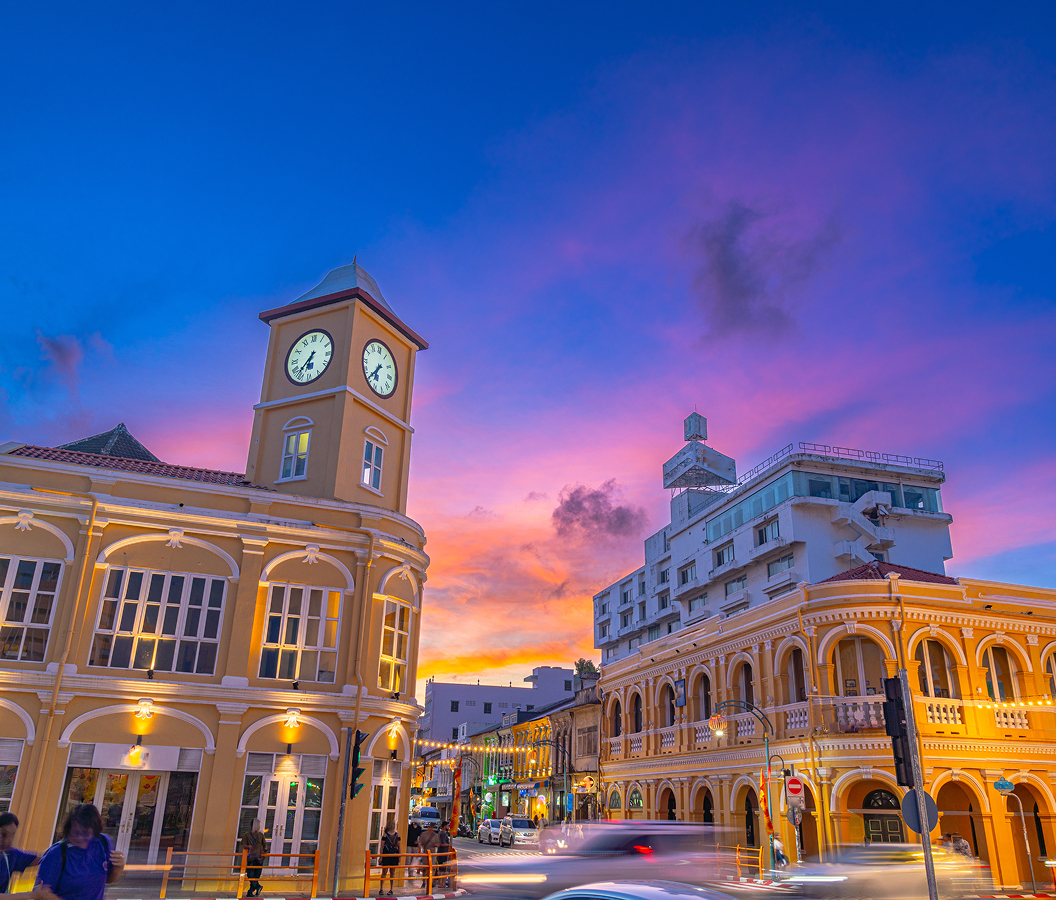
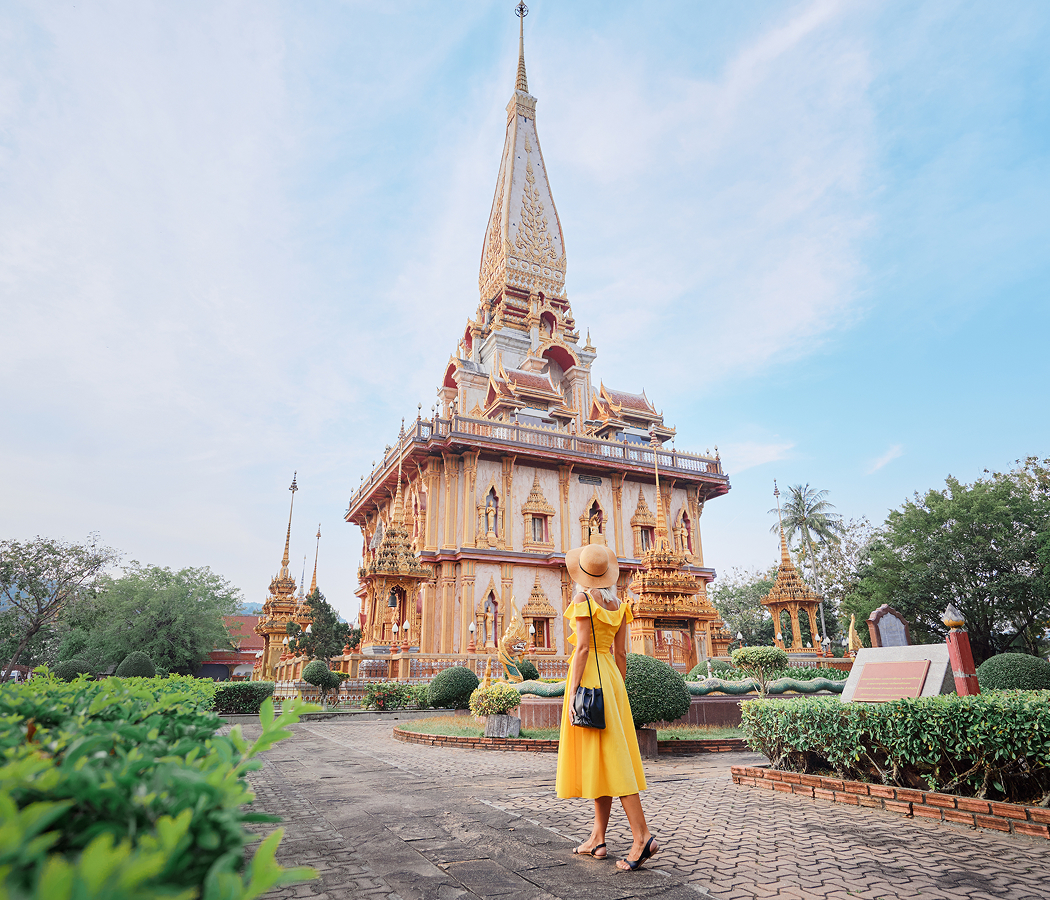
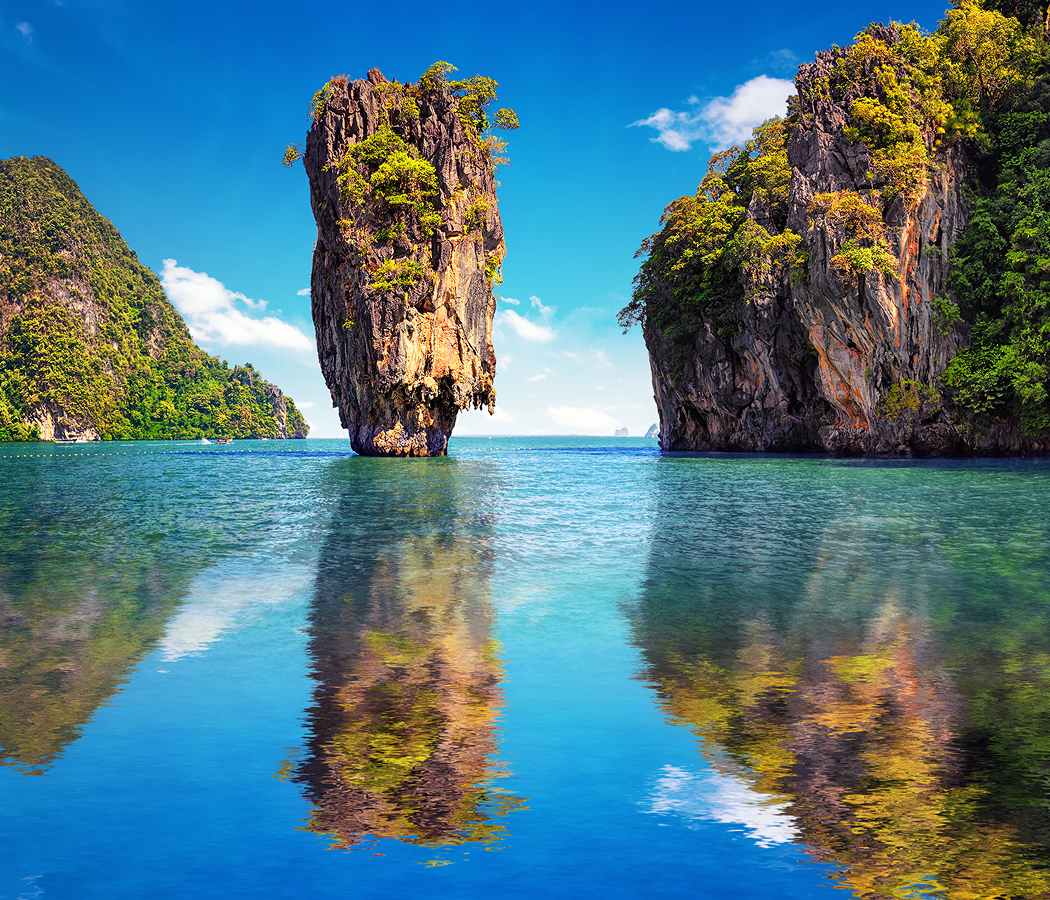
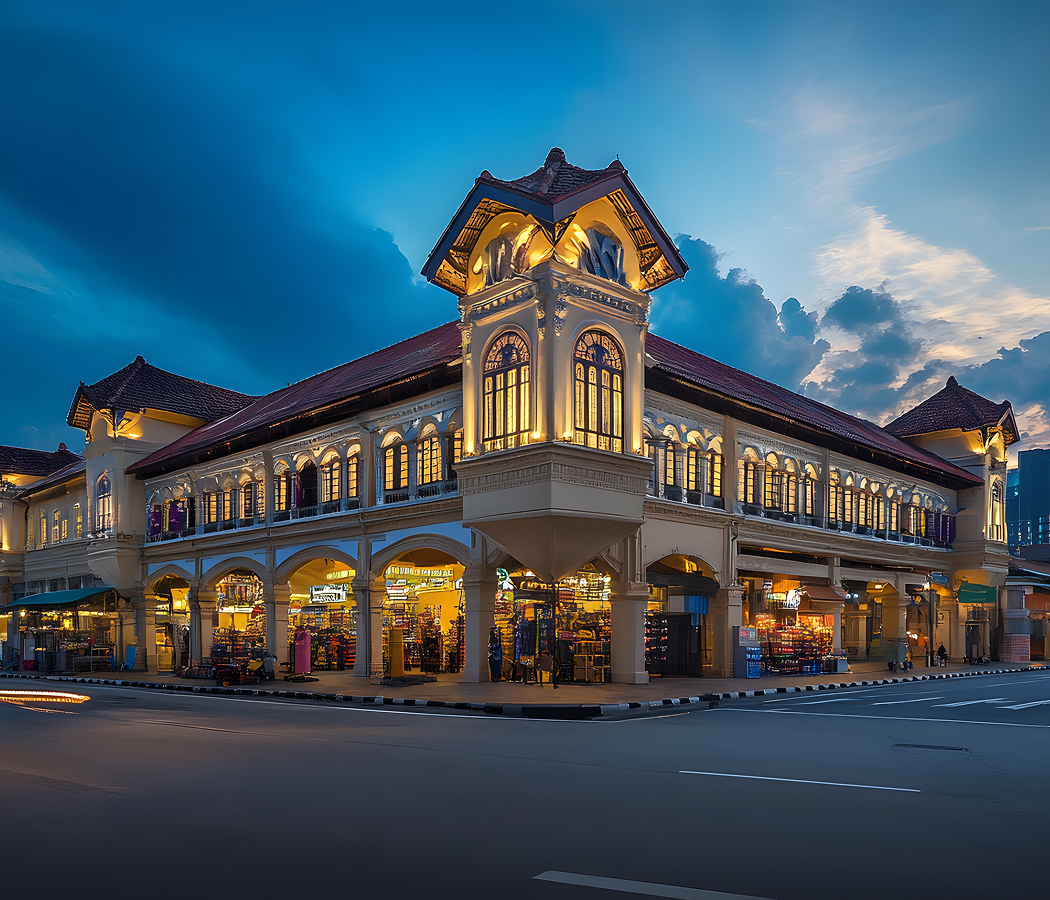
Begin at Phuket Old Town, where Sino-Portuguese shophouses, arcaded façades and narrow streets preserve the commercial architecture created by Phuket's nineteenth-century tin-mining economy. Chinese and European influences developed through migration, trade and maritime exchange, producing colourful façades, ornamental plasterwork, tiled roofs and long shophouse interiors organized around commerce and domestic life. Thalang Road and the surrounding historic quarters connect Phuket's contemporary cultural scene to the port economy that transformed the island from a mining settlement into a regional trading centre. The district's architecture also preserves the social presence of Chinese merchants, European administrators and local families whose businesses shaped Phuket's urban identity. Continue to Wat Chalong, Phuket's most important Buddhist temple complex and the spiritual centre of local devotion. Luang Pho Chaem and Luang Pho Chuang became associated with the temple during the late nineteenth century, when their medical knowledge and religious authority carried particular importance during the 1876 Chinese rebellion. The Grand Pagoda rises above a complex of shrines, statues and devotional spaces, while murals depicting the life of the Buddha connect the building's vertical structure to Buddhist teaching. Wat Chalong develops the itinerary from commercial exchange into religious authority, linking Phuket's Chinese-influenced urban history with the island's Theravada Buddhist culture. Conclude at Promthep Cape, where a narrow headland projects into the Andaman Sea and concentrates Phuket's southern landscape into cliffs, palms, offshore islands and open water. The cape's rocky promontory creates a geographic conclusion to the island's urban and religious history, turning built heritage and devotional architecture toward the marine environment that sustained Phuket's trade and settlement. Nai Harn Beach and Ko Kaeo Yai extend the coastal frame beyond the headland, connecting the cape to Phuket's surrounding seascape and southern shoreline. The progression moves from Phuket Old Town's trading architecture through Wat Chalong's Buddhist history and culminates at Promthep Cape's ocean-facing landscape, allowing InterContinental Phuket Resort to anchor a continuous reading of Phuket's commercial origins, spiritual culture and coastal identity.
Where your story begins.
Foresyte Travel reveals places that feel extraordinary long before you arrive.
Enjoy editorial crafted for luxury travelers.
Foresyte may earn a commission when you book.