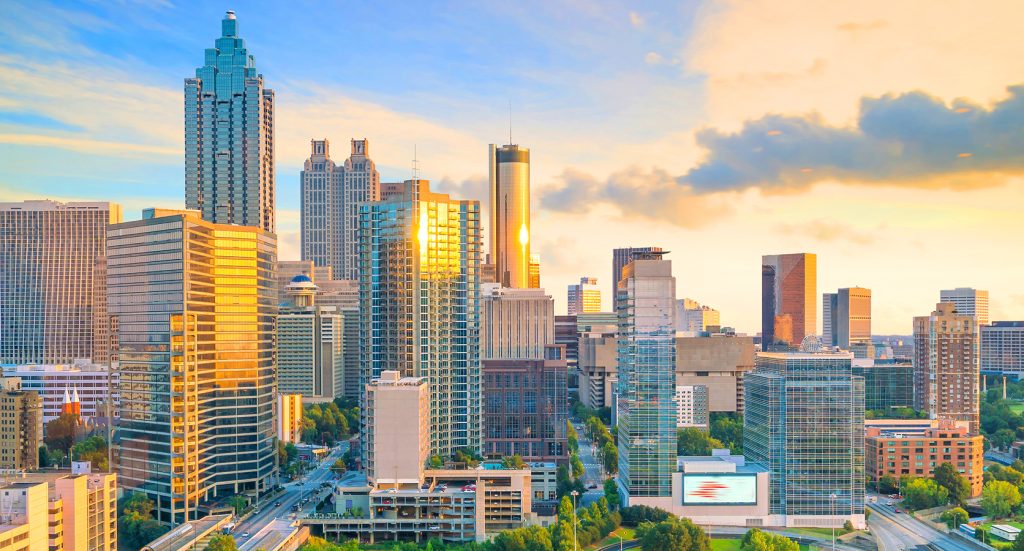
Why you should experience Irwin Street in Atlanta, Georgia.
Irwin Street is a spirited corridor where Old Fourth Ward's industrial heritage, entrepreneurial spirit, neighborhood revival, and culinary culture converge along one of Atlanta's most distinctive east-west streets.
Running through Old Fourth Ward between Sweet Auburn and Inman Park, the corridor connects historic industrial buildings, residential blocks, neighborhood businesses, and creative destinations that collectively reflect Atlanta's evolution from a railroad manufacturing center into one of the city's most dynamic urban districts. Successive blocks reveal how industrial commerce, adaptive reinvestment, and thoughtful neighborhood revitalization established a streetscape that continues balancing historic character with contemporary innovation. Brick warehouses, converted manufacturing buildings, mature streetscapes, and early twentieth-century homes preserve a physical record of more than a century of urban change. The result is an experience defined by creativity, continuity, and one of Old Fourth Ward's most engaging corridors.
What you should know about Irwin Street.
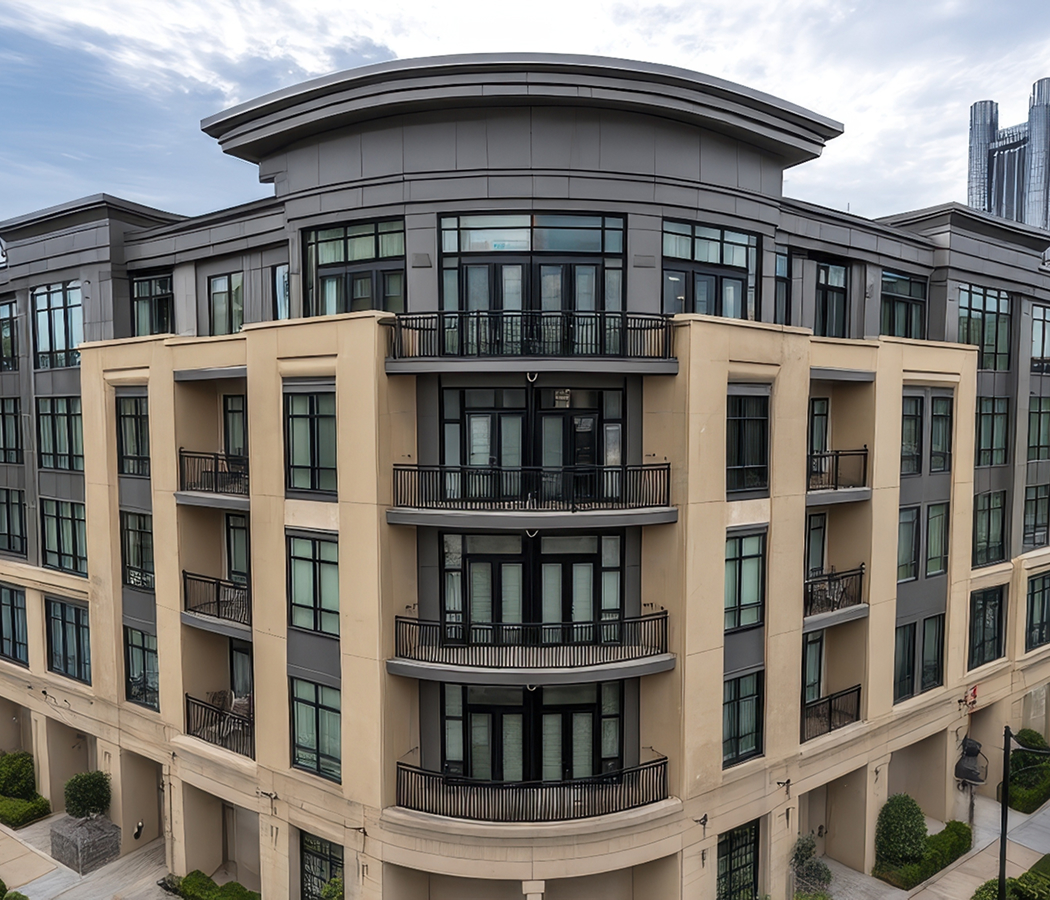
Irwin Street is best known for developing alongside Atlanta's expanding railroad and industrial economy during the late nineteenth and early twentieth centuries, when nearby freight corridors encouraged warehouses, food processors, manufacturing firms, and wholesale distributors to establish operations east of Downtown. Residential construction between the 1890s and the 1930s introduced Craftsman bungalows, Queen Anne cottages, Folk Victorian houses, and masonry commercial buildings that accommodated a rapidly growing workforce while reinforcing Old Fourth Ward as one of Atlanta's principal streetcar-era neighborhoods. Industrial buildings along the corridor employed heavy timber framing, load-bearing brick masonry, steel industrial sash windows, timber roof trusses, and expansive warehouse interiors designed to support food production, storage, and regional distribution. During the late twentieth century, preservation initiatives and private investment gradually redirected former industrial properties toward creative commercial uses, reinforcing Irwin Street's role within Old Fourth Ward's broader economic transformation. Collectively, these layers of industrial expansion, residential growth, architectural craftsmanship, and adaptive reinvestment established Irwin Street as one of the neighborhood's defining historic corridors.
Nearby segments of the Atlanta BeltLine Eastside Trail accelerated renewed investment throughout the surrounding district while encouraging sensitive rehabilitation of historic industrial buildings without altering the corridor's original street pattern. Former warehouses preserve exposed brick walls, timber columns, steel roof structures, original loading bays, and masonry detailing that continue illustrating construction methods associated with Atlanta's principal era of industrial expansion. Mature street trees, granite curbing, historic retaining walls, and preserved residential blocks reinforce the corridor's longstanding relationship between manufacturing activity and neighborhood life across successive generations. Ultimately the combination of industrial preservation, architectural continuity, and sustained neighborhood reinvestment demonstrates how Irwin Street continues expressing the remarkable evolution of Old Fourth Ward.
How to fold Irwin Street into your trip.
Irwin Street works as an exploration of Old Fourth Ward's history, public spaces, and creative energy.
Begin at Martin Luther King, Jr. National Historical Park, where preserved historic sites establish the broader historical importance of the surrounding neighborhood before naturally leading toward Irwin Street. Continue to Krog Street Market, where thoughtfully restored industrial architecture, local businesses, and neighborhood gathering spaces deepen appreciation for Old Fourth Ward's adaptive revival while extending the experience through one of Atlanta's defining destinations. Conclude at Historic Fourth Ward Park, where innovative landscape design, public gathering spaces, and restored green infrastructure provide the historical payoff by illustrating how environmental investment has become central to the neighborhood's continuing evolution. Together, the sequence reveals how preservation, entrepreneurship, and public investment have collectively shaped the enduring character surrounding Irwin Street.
Where your story begins.
Foresyte Travel reveals places that feel extraordinary long before you arrive.
Experience premium editorial crafted for luxury travelers.