Why Jonesboro Road matters.
Jonesboro Road is a resilient corridor where Lakewood Heights' transportation heritage, industrial legacy, neighborhood resilience, and commercial vitality define one of Atlanta's longest-serving southside thoroughfares.
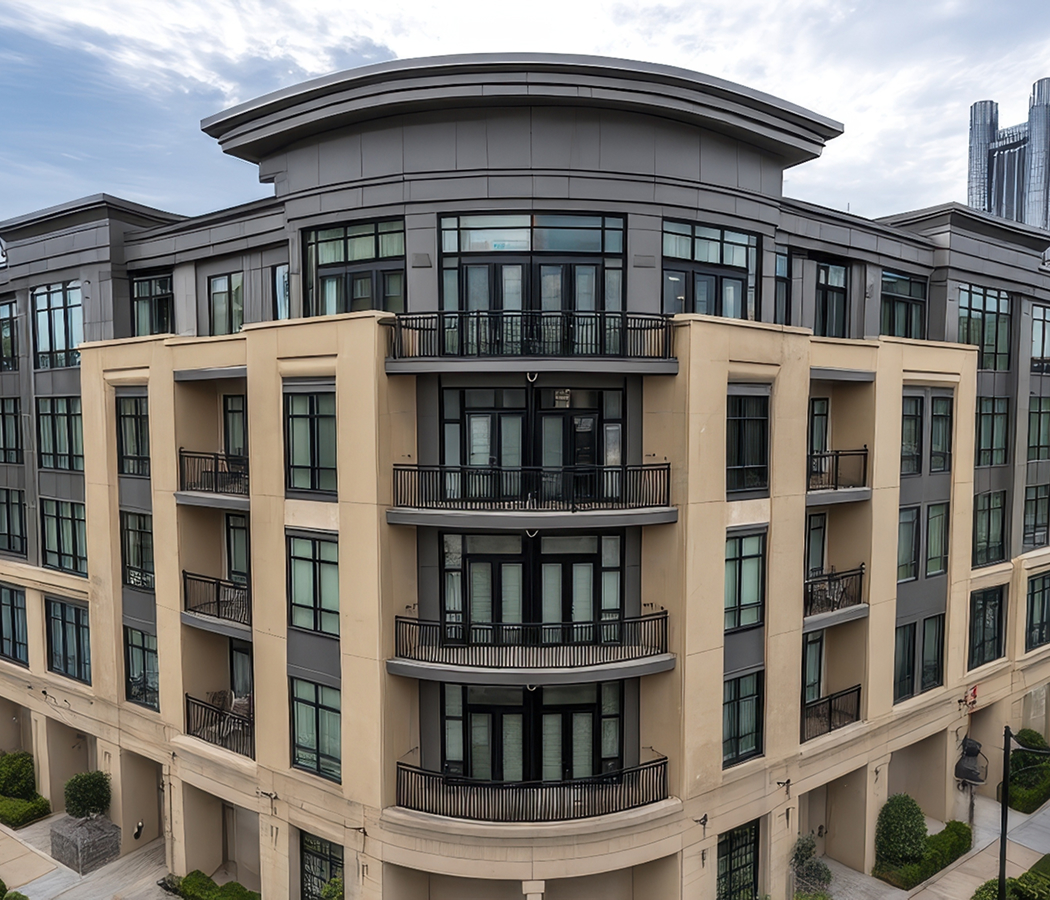
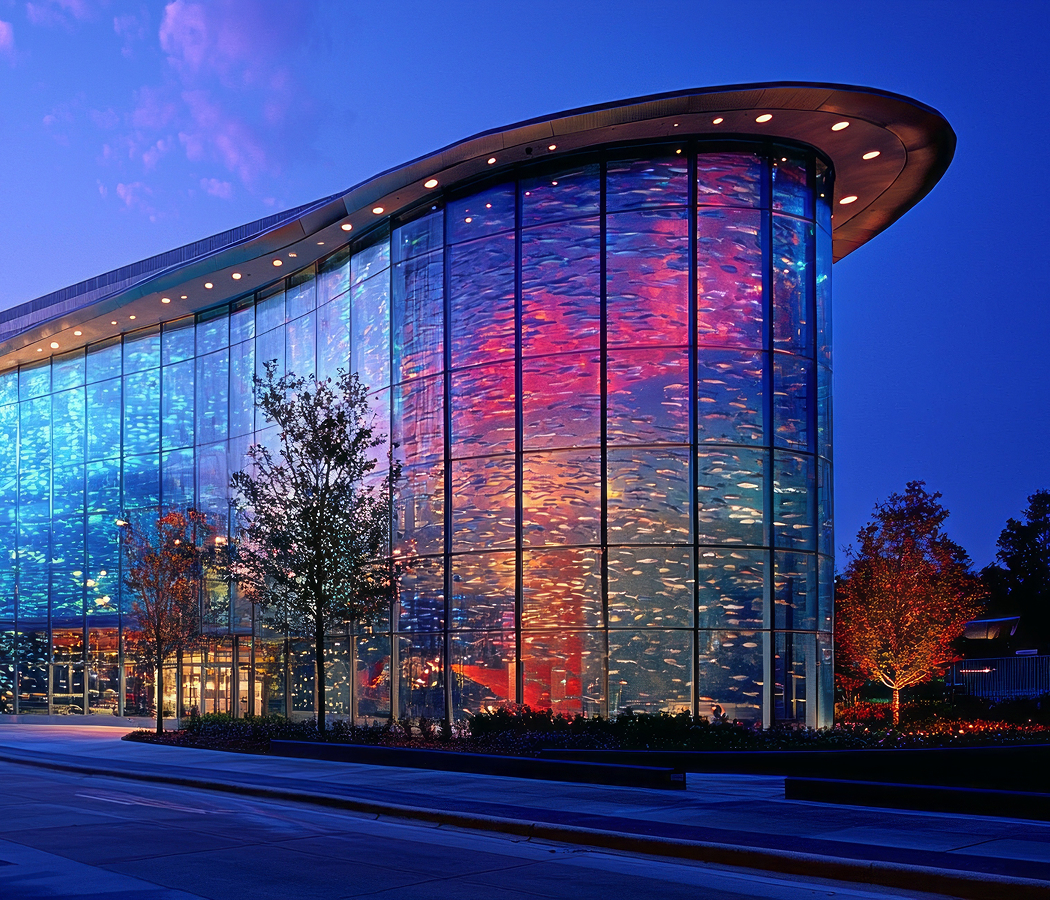
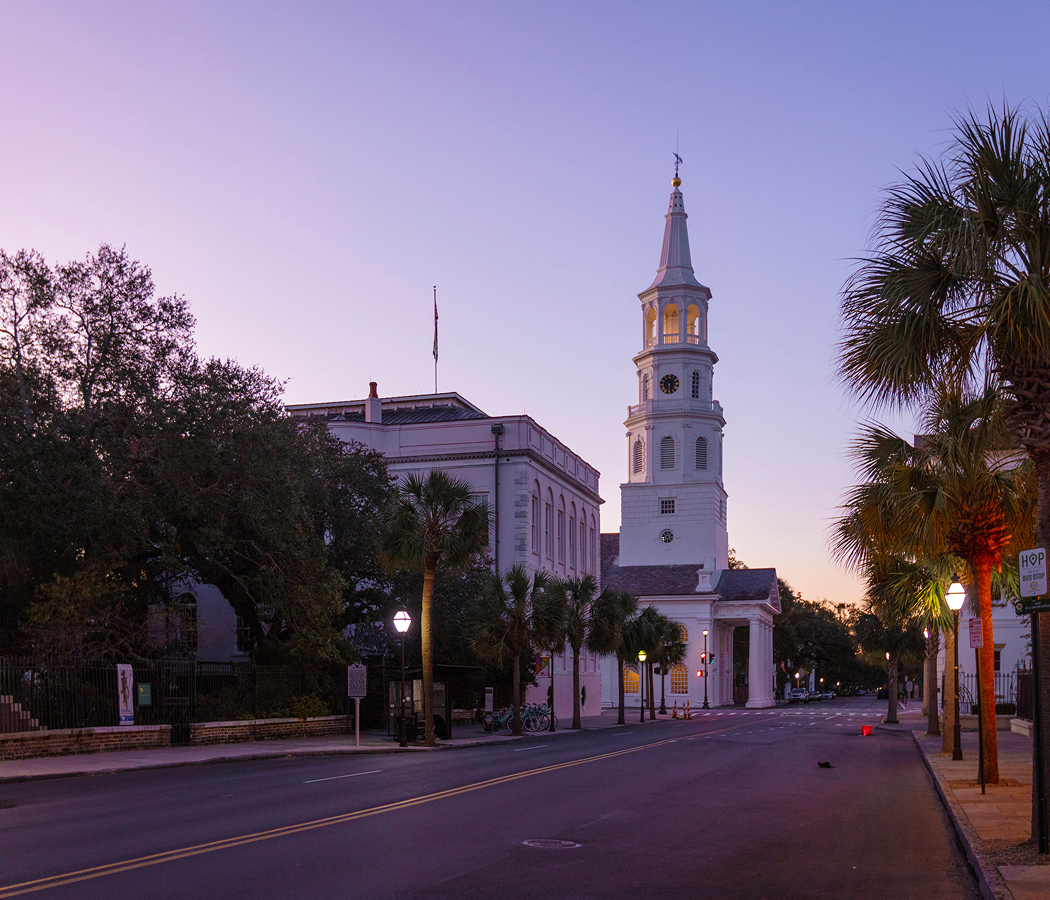
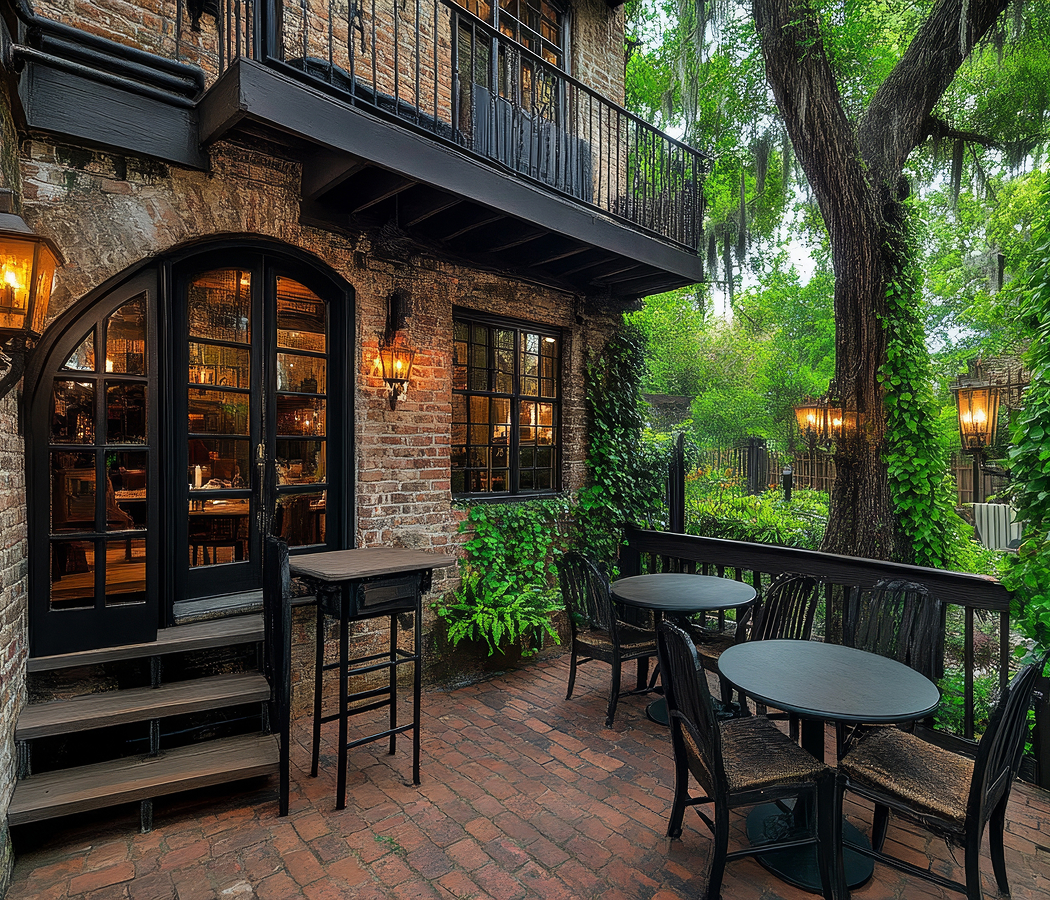
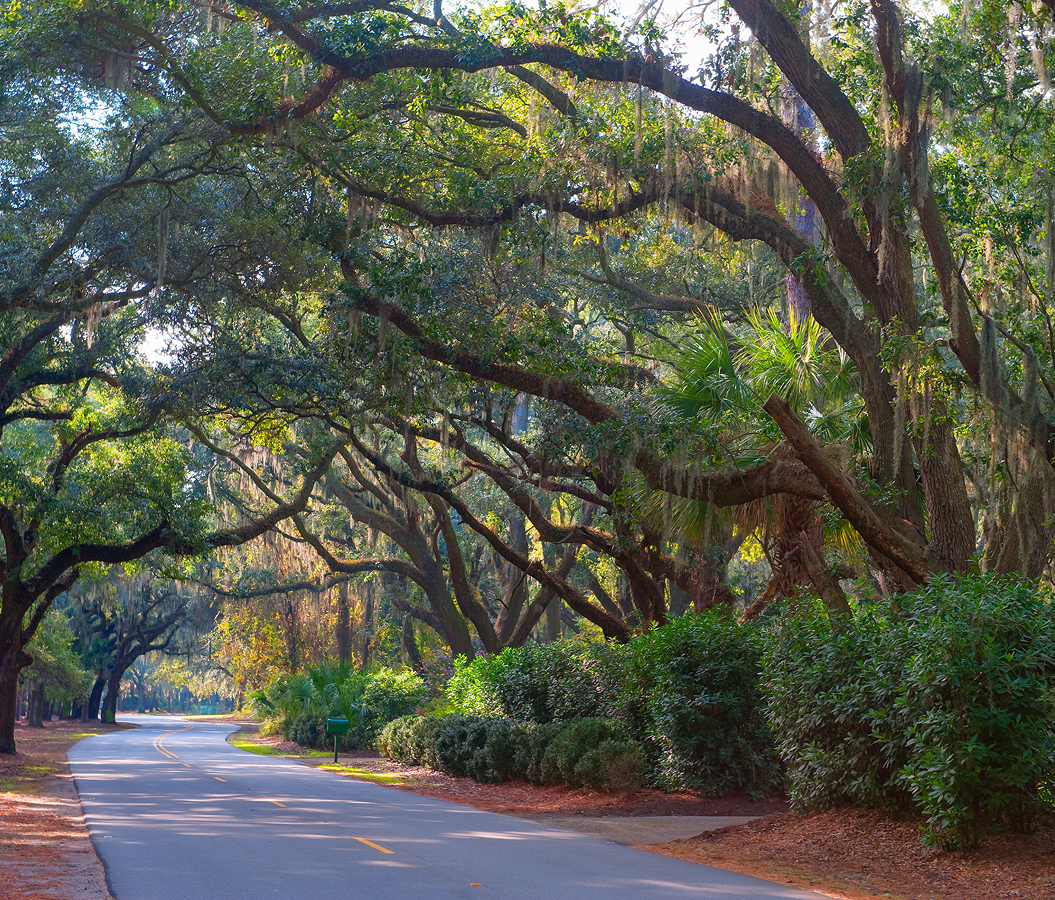
Running through Lakewood Heights between South Atlanta and Hammond Park, the corridor connects historic residential neighborhoods, industrial districts, civic institutions, and longstanding commercial centers that collectively reflect Atlanta's expansion toward Clayton County and the communities beyond. Successive segments reveal how wagon routes, rail infrastructure, and suburban development established a roadway that continues serving as one of the city's principal southern gateways. Brick commercial buildings, industrial facilities, mature tree canopies, and early residential blocks preserve a streetscape shaped by more than a century of continuous urban growth. The result is an experience defined by endurance, connectivity, and one of Atlanta's most historically important corridors.
What defines Jonesboro Road.
Jonesboro Road is best known for following the historic route connecting Atlanta with Jonesboro, the Clayton County seat established in 1859, making the corridor one of metropolitan Atlanta's oldest overland transportation links long before widespread automobile travel. During the late nineteenth and early twentieth centuries, expanding rail infrastructure and nearby freight facilities encouraged warehouses, manufacturing plants, wholesale distributors, and industrial employers to establish operations along the surrounding southside corridor, reinforcing Atlanta's role as the Southeast's leading distribution center. Residential construction accelerated between the 1910s and the 1950s, introducing Craftsman bungalows, brick ranch houses, masonry commercial buildings, and neighborhood institutions that supported successive generations of working families employed throughout Atlanta's industrial districts. Completion of Interstate 75 and Interstate 285 during the mid-twentieth century reshaped regional circulation while preserving Jonesboro Road's importance as a major surface connection linking southern neighborhoods with Downtown and communities farther south. Collectively, these layers of early transportation, industrial expansion, residential development, and highway engineering established Jonesboro Road as one of Atlanta's defining historic corridors.
Bordering portions of the corridor, tributaries within the South River watershed continue influencing drainage systems, roadway engineering, and the preservation of mature hardwood landscapes that distinguish sections of the surrounding neighborhoods. Commercial reinvestment has introduced neighborhood-serving businesses, logistics facilities, light industrial enterprises, and service providers that continue the corridor's longstanding relationship with regional commerce while adapting to changing economic conditions. Original brick storefronts, reinforced concrete industrial buildings, steel warehouse construction, historic retaining walls, and surviving railroad infrastructure remain visible throughout the avenue, documenting the craftsmanship and engineering that supported Atlanta's manufacturing economy across multiple generations. Ultimately the combination of historic transportation routes, industrial continuity, and resilient neighborhood development demonstrates how Jonesboro Road continues expressing the enduring evolution of Atlanta's southside.
How Jonesboro Road fits.
Jonesboro Road works as an exploration of Atlanta's transportation history, green spaces, and cultural legacy.
Begin at Lakewood Amphitheatre, where one of Atlanta's premier outdoor performance venues establishes the area's longstanding role as a destination for regional entertainment before naturally leading into the surrounding southside communities. Continue to Lakewood/Fort McPherson MARTA Station, where multimodal transportation and neighborhood connectivity deepen appreciation for the corridor's continuing importance within metropolitan Atlanta while extending the journey through the city's transit network. Conclude at Aaron's Amphitheatre Gateway at Lakewood Greenway, where landscaped public spaces and connections to the surrounding community provide the historical payoff by illustrating how recreation and neighborhood investment continue reshaping Atlanta's southside. Together, the sequence reveals how transportation, community, and public space have collectively shaped the enduring character surrounding Jonesboro Road.
Where your story begins.
Foresyte Travel reveals places that feel extraordinary long before you arrive.
Enjoy editorial crafted for luxury travelers.
Foresyte may earn a commission when you book.