Why Katong matters.
Katong, Singapore is a cultural landmark where Peranakan heritage, seaside history, and culinary tradition converge along one of the nation's most distinctive neighborhoods.
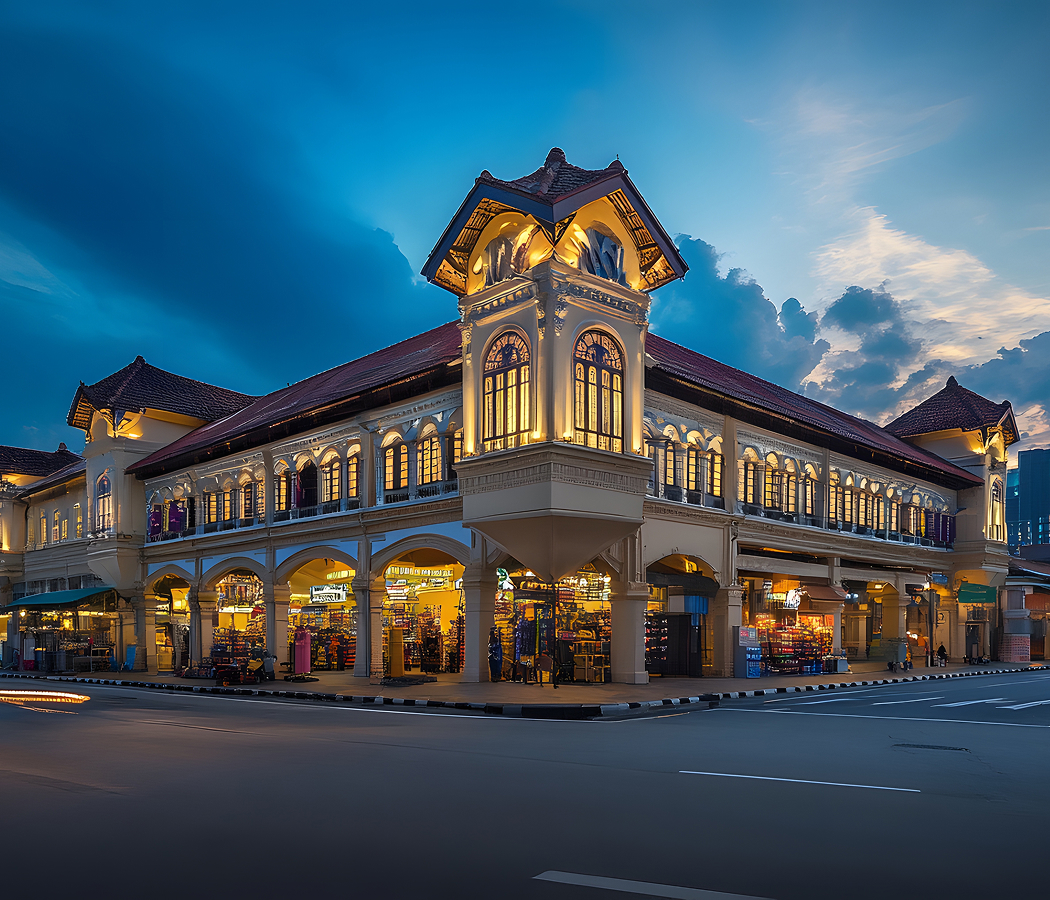
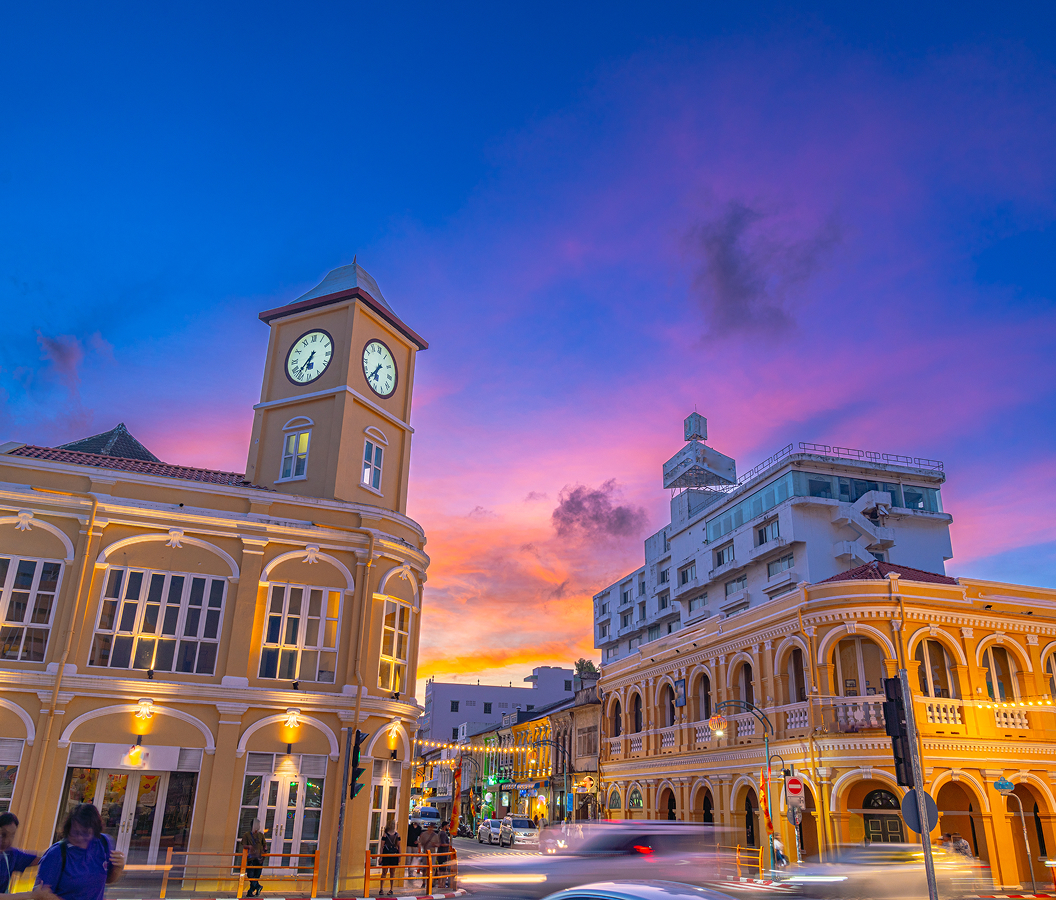
Colorful shophouses, heritage residences, family-run eateries, religious landmarks, community institutions, and preserved streetscapes create a district that reflects a uniquely Singaporean blend of cultures and traditions. During the late nineteenth and early twentieth centuries, Katong emerged as a fashionable coastal suburb where affluent Peranakan and Eurasian families built elegant homes overlooking the sea. As the community grew, distinctive architectural styles, culinary traditions, and cultural practices became deeply woven into the character of the neighborhood. Although land reclamation altered the original shoreline, Katong retained much of its historical character through carefully preserved buildings and enduring community institutions. Today, visitors encounter a neighborhood that feels thriving, authentic, and deeply rooted in local culture. The result is a district defined by heritage, flavor, and continuity. To the west, Joo Chiat extends naturally from Katong through a network of preserved shophouses, cultural landmarks, and historic streets, reinforcing the district's position within Singapore's most celebrated heritage corridor.
What defines Katong.
Katong, Singapore is best known for being the birthplace of Katong laksa, a distinctive noodle dish traditionally eaten with a spoon alone because the noodles are cut into short strands.
The dish emerged from the Peranakan communities that helped define the neighborhood's cultural identity, combining Chinese and Malay culinary influences into a uniquely local creation. Over generations, Katong laksa became one of Singapore's most recognizable foods, attracting residents and visitors eager to experience a specialty closely associated with the district. Its unusual preparation method distinguishes it from other laksa variations found throughout Southeast Asia and contributes to its enduring popularity. The dish's reputation spread far beyond the neighborhood, becoming an iconic representation of Singapore's multicultural food culture. Few districts in Singapore possess a culinary tradition so closely tied to their character and recognized throughout the nation.
How Katong fits.
Katong, Singapore works as an exploration of the heritage landmarks, culinary institutions, and cultural corridors that define one of Singapore's most beloved neighborhoods.
Begin at Katong-Joo Chiat Heritage District, where the neighborhood's defining connection to Peranakan culture and architectural preservation immediately comes into focus. Continue toward Sri Senpaga Vinayagar Temple, whose history and striking design reveal the multicultural communities that helped shape the district for generations. From there, make your way to The Intan, where one of Singapore's most respected private Peranakan collections provides a broader perspective on the traditions, artistry, and customs that continue to influence Katong today. Along the route, you'll encounter preserved shophouses, neighborhood cafés, traditional eateries, community landmarks, cultural institutions, boutique retailers, and historic streets that showcase the district's remarkable depth. The progression moves naturally from heritage corridor to religious landmark to cultural collection, revealing the forces that shaped Katong across generations. Katong remains one of Singapore's most rewarding districts, preserving a remarkable balance between cultural heritage, culinary excellence, and everyday community life.
Where your story begins.
Foresyte Travel reveals places that feel extraordinary long before you arrive.
Enjoy editorial crafted for luxury travelers.
Foresyte may earn a commission when you book.