Why you should experience Keemala in Thailand.
Keemala is where imagination becomes inhabitable, where architecture reads like mythology rather than design language, and where staying feels less like a vacation and more like stepping into a parallel narrative shaped by nature, ritual, and intentional solitude.
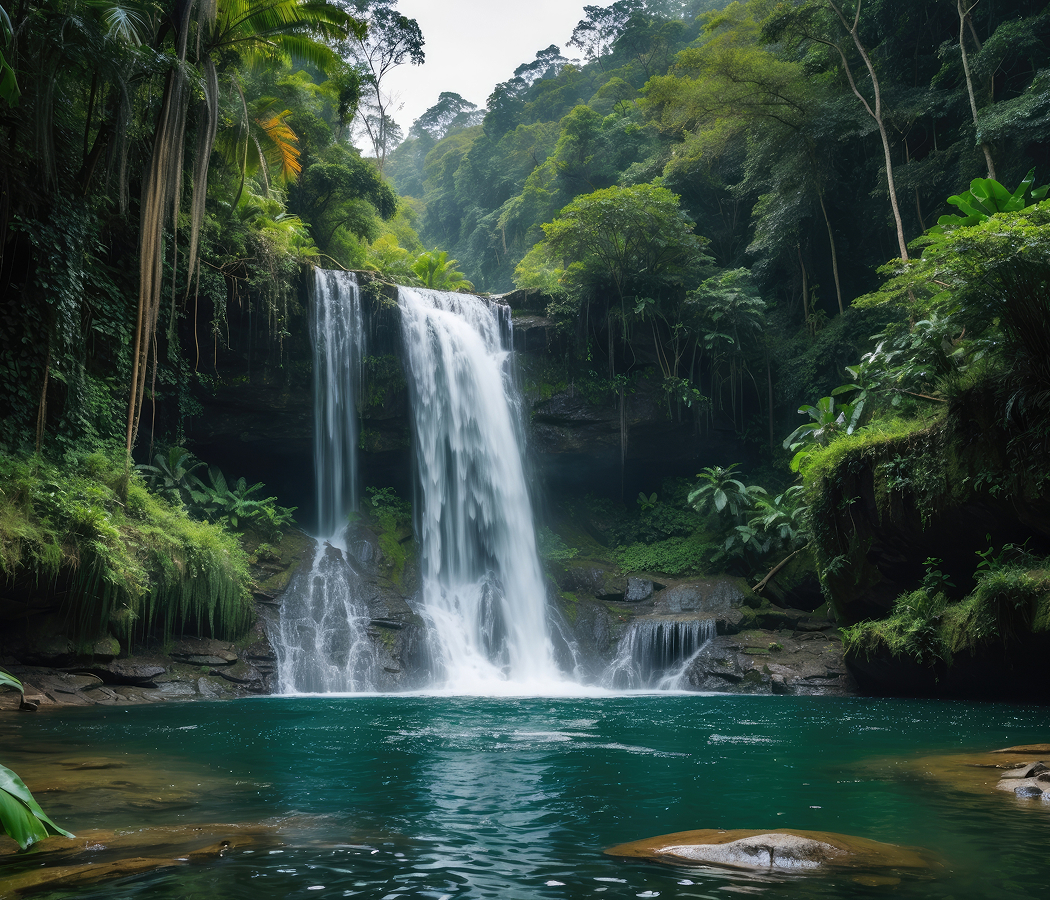
Set deep within the forested hills above Kamala, Keemala occupies a landscape that feels deliberately removed from Phuket's coastal rhythms. The approach itself signals a departure. Roads narrow, foliage thickens, and the island's familiar resort style gives way to something quieter, stranger, and more inward-looking. Arrival does not announce luxury in conventional terms. Instead, it introduces a story. The property is conceived as a symbolic village inspired by fictional ancient clans, each represented through distinct architectural forms that appear suspended, rooted, or woven into the jungle canopy. Tree Pool Houses perch above the forest floor like watchful nests, Bird's Nest Villas coil into sculptural forms, Clay Pool Cottages feel grounded and earthen, and Tent Pool Villas recall nomadic structures interpreted through contemporary craft. Architecture is not decorative here, it is narrative. Public spaces unfold organically rather than symmetrically, connected by winding pathways that encourage slow movement and curiosity. There is no single axis or focal point; instead, the resort reveals itself in fragments, reinforcing the sense that this is a place to be discovered. Guest accommodations at Keemala are immersive and deeply private. Each villa is freestanding and oriented to minimize visual intrusion, allowing guests to inhabit their own pocket of forest. Interiors are textural and atmospheric, using natural materials, subdued lighting, and handcrafted details to create spaces that feel cocooning. Beds are positioned as sanctuaries rather than centerpieces, designed to support deep rest and withdrawal. Living areas feel intentional and intimate, encouraging stillness. Bathrooms are experiential, featuring open-air elements, soaking tubs, rainfall showers, and materials that blur the boundary between built and natural environments. Private pools are integral to each villa, positioned to feel hidden rather than showcased, reinforcing the sense of seclusion. Dining at Keemala aligns with the resort's introspective tone. Restaurants emphasize nourishment, balance, and ritual. Menus draw from Thai culinary traditions and wellness principles, offering dishes that feel grounding and restorative. Meals unfold slowly, often framed by jungle views or softened light, encouraging presence. In-villa dining is encouraged and seamless, allowing guests to remain within their private world. Wellness is not an amenity at Keemala, it is the organizing principle. The spa occupies a central yet secluded position, offering treatments inspired by holistic philosophies, traditional healing practices, and modern wellbeing science. Programs focus on restoration, resonant balance, and reconnection. Yoga, meditation, and movement practices are offered in spaces that feel ritualistic. Pools and communal areas are designed for quiet immersion. Service throughout Keemala is gentle, observant, and deeply respectful of privacy.
What you should know about Keemala.
Keemala was conceived as a conceptual hospitality project rooted in storytelling, anthropology, and spiritual symbolism.
The resort's fictional clan narrative was developed to provide an interpretive structure for design, encouraging guests to engage with the environment on a resonant and symbolic level. Each architectural form reflects imagined lifestyles shaped by nature, movement, and survival, allowing the built environment to function as metaphor rather than ornament. This narrative-driven approach informed everything from spatial planning to material selection. Structures were designed to feel embedded rather than imposed, using elevated foundations, organic forms, and minimal ground disturbance to preserve the forest ecosystem. Materials were chosen for texture, tactility, and aging potential. Interiors prioritize shadow, softness, and physical nuance over brightness or display. Operational philosophy mirrors this conceptual depth. Keemala emphasizes retreat, silence, and autonomy, deliberately limiting external stimulation. There is no beach club, no nightlife, and no pressure to participate. Instead, the resort supports withdrawal from habitual patterns through space, rhythm, and intentional absence. Wellness programming is holistic and deeply integrated, extending beyond spa treatments into daily life through nutrition, movement, and environment. Culinary offerings are shaped by principles of balance and seasonal alignment. Service culture is intentionally subdued. Staff are trained to read energy and intention, offering support when invited and absence when preferred. Privacy protocols are strong but unspoken, reinforcing trust and safety. Sustainability practices are embedded quietly, focusing on low-impact construction, water management, and ecological preservation. Over time, Keemala has attracted travelers seeking not relaxation but recalibration, individuals drawn to symbolic environments that allow for introspection and resonant processing. Its endurance lies in its refusal to universalize appeal. Rather than softening its character for broader consumption, Keemala maintains clarity of purpose, trusting that depth connects more powerfully than accessibility. Today, it stands as a rare example of experiential hospitality that prioritizes inner transformation through environment, narrative, and intentional restraint.
How to fold Keemala into your trip.
Keemala integrates best into itineraries that allow for decompression, inward focus, and unstructured time free from expectation.
Begin your days. Morning light filtering through the forest canopy sets a natural rhythm that encourages slow waking and quiet presence. Breakfast is best enjoyed privately or in tranquil communal spaces, allowing nourishment to feel ritualistic. Mornings lend themselves to wellness practices, yoga, meditation, spa treatments, or simply sitting with the sounds of the jungle. External exploration should be minimal and intentional. While beaches and towns are accessible, the value of Keemala lies in staying within its contained world long enough for its rhythm to take hold. Returning quickly after brief excursions reinforces contrast. Midday is ideal for rest, reflection, and solitude. Private pools, shaded terraces, and interior spaces support withdrawal. Afternoons can unfold slowly, with reading, journaling, or additional wellness treatments that deepen presence. As evening approaches, the resort softens further. Light dims, sounds recede, and dining becomes a grounding ritual. Meals feel contemplative, often followed by quiet time. Nights at Keemala are deeply restorative, shaped by silence, darkness, and the sense of being held by the forest. For longer stays, this rhythm becomes transformative. External urgency fades, replaced by heightened awareness of internal states. Time stretches, perception sharpens, and the boundary between place and self begins to blur. Keemala supports this evolution by remaining consistent, insulated, and intentionally limited.
Where your story begins.
Foresyte Travel reveals places that feel extraordinary long before you arrive.
Experience premium editorial crafted for luxury travelers.