Why you should experience Lee Street in Atlanta, Georgia.
Lee Street is a historic West End corridor where railroad heritage, neighborhood resilience, and civic transformation converge along one of Southwest Atlanta's most enduring thoroughfares.
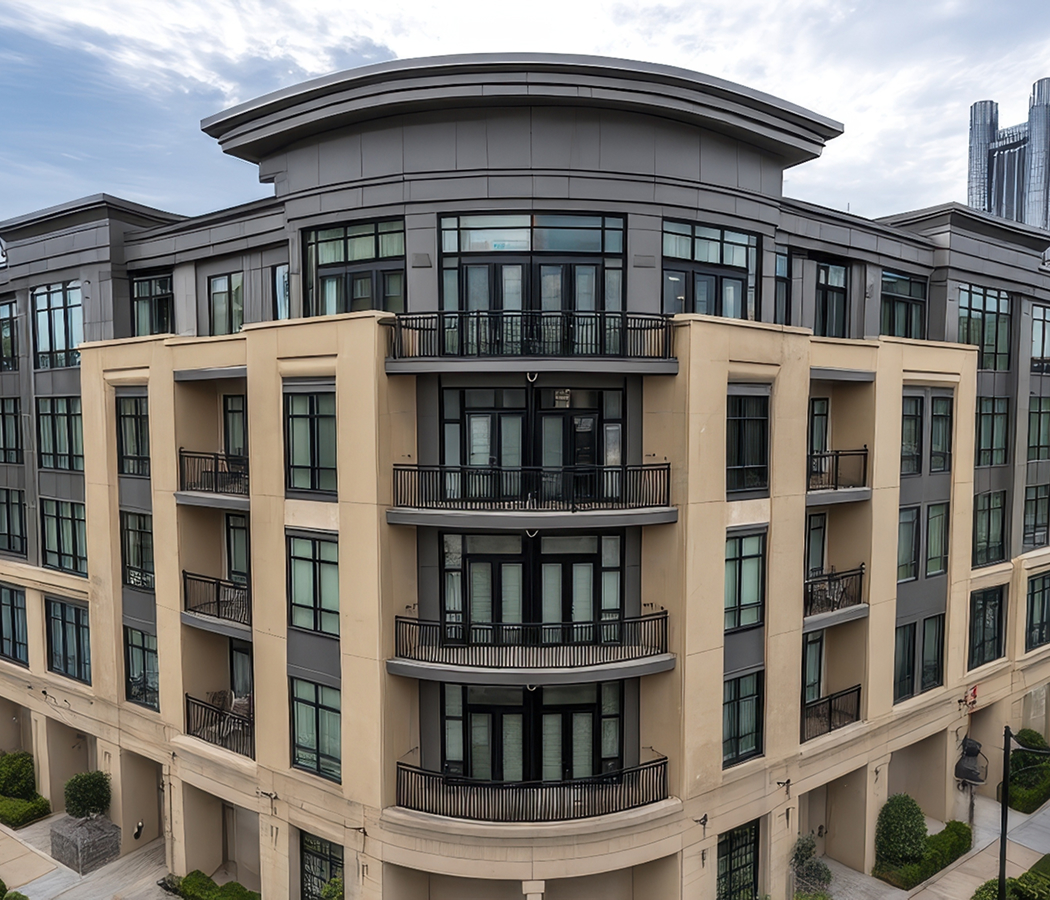
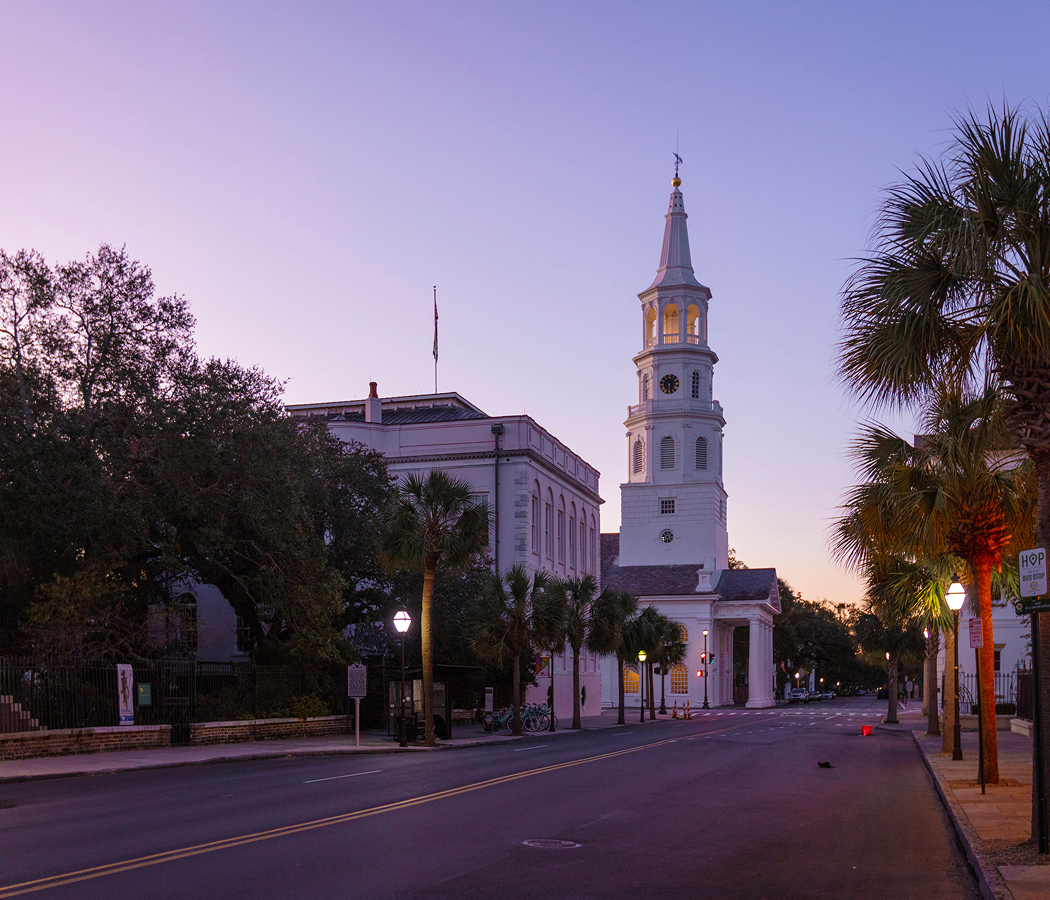
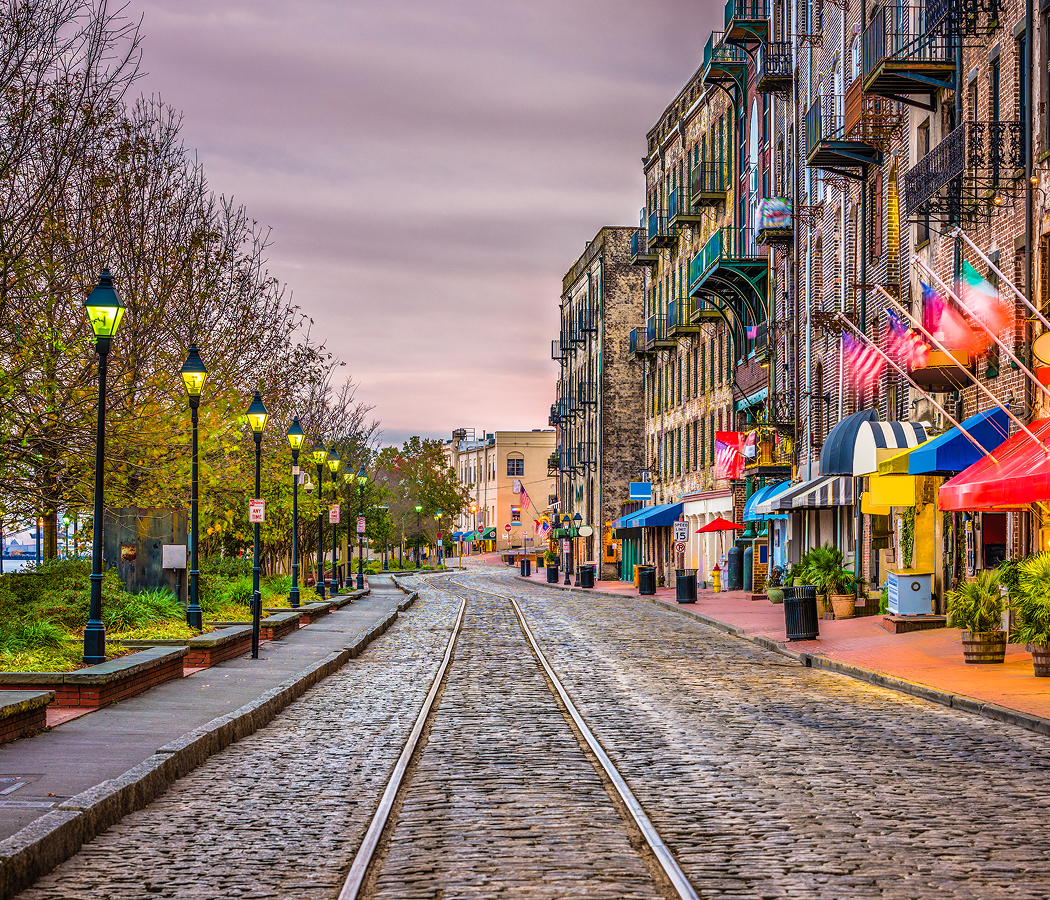
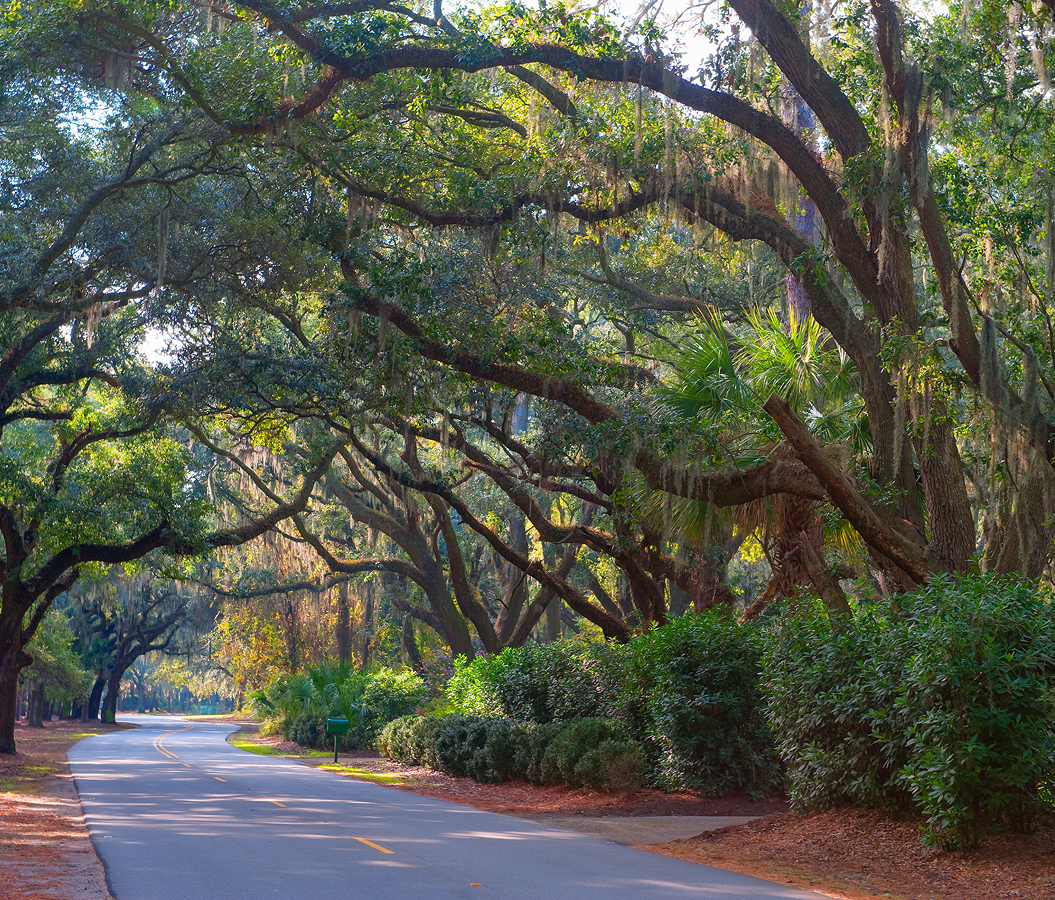
Running through West End between Adair Park and Oakland City, this historic corridor connects beautifully preserved commercial buildings, neighborhood parks, historic churches, transit connections, locally owned businesses, and long-established residential communities that have shaped Atlanta's southwest side for more than a century. Early twentieth-century storefronts, mature tree canopies, restored civic landmarks, and evolving mixed-use developments create a streetscape where the neighborhood's rich past continues to inform its future. As West End emerged as one of Atlanta's premier streetcar suburbs, Lee Street became a vital commercial and transportation spine supporting generations of residents, merchants, and community institutions. The result is a corridor defined by continuity, community, and enduring historical significance.
What you should know about Lee Street.
Lee Street is best known for passing through the West End Historic District, among Georgia's largest National Register historic districts, preserving hundreds of late nineteenth- and early twentieth-century buildings that document the neighborhood's rapid expansion after its 1894 annexation into Atlanta as one of the city's premier streetcar suburbs.
The arrival of electric streetcars transformed West End from a quiet independent community into one of Atlanta's most desirable residential districts, attracting business leaders, professionals, educators, and civic figures who commissioned an extraordinary collection of Queen Anne, Colonial Revival, Neoclassical, and Craftsman architecture. Lee Street evolved into the neighborhood's principal commercial corridor, where banks, pharmacies, theaters, retail stores, restaurants, and professional offices served a flourishing population during Atlanta's period of extraordinary urban growth. Preservation efforts have safeguarded much of this architectural legacy, allowing visitors to experience one of the Southeast's finest surviving streetcar-era neighborhoods while walking a corridor that continues to anchor community life more than a century after its greatest period of development.
How to fold Lee Street into your trip.
Lee Street works as an exploration of West End's architectural heritage, cultural landmarks, and neighborhood character.
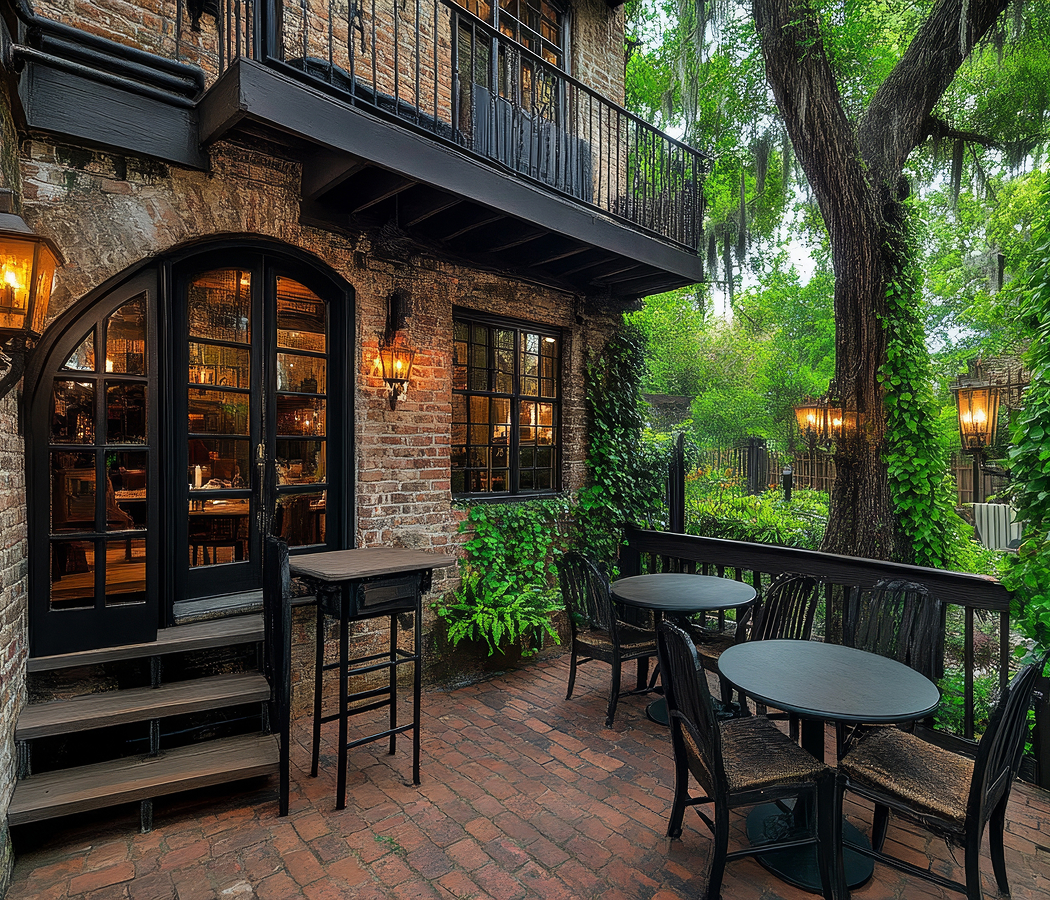
Begin at West End Historic District, where beautifully preserved Victorian architecture immediately establishes the corridor's remarkable historical significance. Continue toward The Wren's Nest, whose restored Victorian home and literary legacy provide deeper insight into one of Atlanta's most treasured cultural landmarks. From there, make your way to Atlanta BeltLine Westside Trail, where landscaped pathways, public art, and inviting gathering spaces reveal how contemporary investment complements the surrounding historic neighborhoods. Along the route, you'll encounter historic churches, neighborhood cafés, restored storefronts, mature tree-lined streets, welcoming public spaces, and architecturally significant residences that demonstrate how Lee Street continues to connect West End's rich past with its energetic future. The progression moves naturally from preserved historic neighborhood to literary landmark to transformative greenway, revealing why Lee Street remains one of Southwest Atlanta's defining corridors.
Where your story begins.
Foresyte Travel reveals places that feel extraordinary long before you arrive.
Experience premium editorial crafted for luxury travelers.