Why you should experience LOUIS Hotel in Munich, Germany.
LOUIS Hotel is where Munich's historic soul, modern restraint, and physical intimacy converge, where staying feels quietly intentional rather than performative, and where the city's oldest rhythms unfold through proximity, texture, and presence rather than grand gestures.
Set directly on Viktualienmarkt, Munich's most beloved and enduring public square, LOUIS Hotel occupies one of the city's most emotionally resonant locations. This is not a peripheral vantage point or a polished remove from daily life; it is the living heart of Munich, animated from early morning to late evening by florists, food vendors, chefs, musicians, and locals who return day after day. Arrival places you immediately inside this cadence. The exterior blends seamlessly into the surrounding architecture, signaling discretion. Inside, the hotel reveals a world that feels curated with restraint and deep sensitivity to place. Public spaces are warm, tactile, and deliberately scaled, emphasizing intimacy over grandeur. Natural materials, wood, stone, leather, and linen, anchor the interiors, while soft lighting and carefully framed views of the market below create a constant discussion between inside and out. There is a sense of calm here that does not come from isolation, but from attunement. The hotel feels alive without being loud, refined without being distant. Guest rooms and suites continue this philosophy with exceptional coherence. Interiors are minimalist but deeply considered, prioritizing physical balance and spatial clarity. Floor-to-ceiling windows open directly onto Viktualienmarkt or the surrounding historic streets, allowing the sights and sounds of Munich to filter in gently. Beds are generously proportioned and meticulously appointed, delivering restorative comfort that feels earned after days immersed in the city's movement. Furnishings are purposeful and unfussy, supporting reading, reflection, or quiet conversation. The rooms feel personal rather than generic, spaces that encourage inhabitation rather than admiration. Bathrooms are elegantly resolved with stone surfaces, rainfall showers, deep soaking tubs in select categories, and lighting that supports both morning clarity and evening softness. Everything feels edited to its essence, reinforcing the idea that luxury here is expressed through intention. Suites elevate this experience further with expanded living areas, enhanced market views, and a heightened sense of privacy within the city's most public square. Dining at LOUIS Hotel is inseparable from its location and philosophy. The hotel's restaurant and bar draw inspiration directly from the market below, emphasizing seasonal ingredients, clarity of flavor, and an intimate connection to place. Meals unfold with a sense of rhythm rather than ceremony, breakfast aligned with the market's early energy, lunch offering a reflective pause, and dinner transforming the space into a warm, low-lit refuge from the day's movement. The bar feels like a natural extension of Munich's social fabric, a place where conversations linger and observation becomes part of the experience. Wellness at LOUIS Hotel is understated but meaningful. Rather than expansive facilities, the focus is on restoration through atmosphere and flow.
What you should know about LOUIS Hotel.
LOUIS Hotel was conceived as a deeply contextual project, designed to dissolve the boundary between hotel and city rather than reinforce it, making location not just an advantage but the core of its identity.
The decision to situate the hotel directly on Viktualienmarkt was foundational. This square has functioned as Munich's daily gathering place for centuries, and the hotel's design intentionally reflects the rhythms, materials, and physical layers of that environment. Rather than isolating guests from the market's vitality, architects and designers focused on filtering it, allowing sound, light, and movement to enter in measured ways that enrich rather than overwhelm. Interior materials were selected to age gracefully, echoing the patina of surrounding historic structures while maintaining a contemporary sensibility. The restrained palette is not an aesthetic limitation but a deliberate strategy, ensuring that views, textures, and daily light shifts remain the primary visual elements. Guest room layouts were developed to emphasize orientation and connection. Sightlines were carefully calibrated so that even from bed or bath, the city remains present but not intrusive. This design approach reflects a philosophy of hospitality rooted in awareness. Culinary programming at LOUIS Hotel is inseparable from its setting. The kitchen maintains close relationships with vendors in Viktualienmarkt, allowing menus to evolve naturally with seasonal availability and daily inspiration. This results in dining experiences that feel grounded and immediate. The bar's role extends beyond guest service; it functions as a neighborhood anchor, attracting locals and reinforcing the hotel's integration into daily life. Operationally, LOUIS Hotel places strong emphasis on staff continuity and local fluency. Team members are encouraged to develop genuine familiarity with the surrounding streets, shops, and cultural institutions, enabling recommendations that feel personal and current. This cultural literacy elevates the guest experience, transforming the hotel into a trusted interpreter of Munich. The property's scale is also intentional. By remaining relatively intimate, LOUIS Hotel preserves a sense of personal rhythm and attentiveness that larger properties struggle to maintain. This scale allows service to feel responsive and human, reinforcing the hotel's overall atmosphere of quiet confidence. Over time, LOUIS Hotel has become a preferred choice for travelers who value authenticity, intimacy, and a form of luxury that reveals itself slowly. Its success lies not in performance, but in coherence, the alignment of place, design, service, and daily life into a single, resonant experience.
How to fold LOUIS Hotel into your trip.
LOUIS Hotel integrates most effectively into itineraries that value physical immersion, cultural proximity, and a rhythm shaped by the city's natural flow.
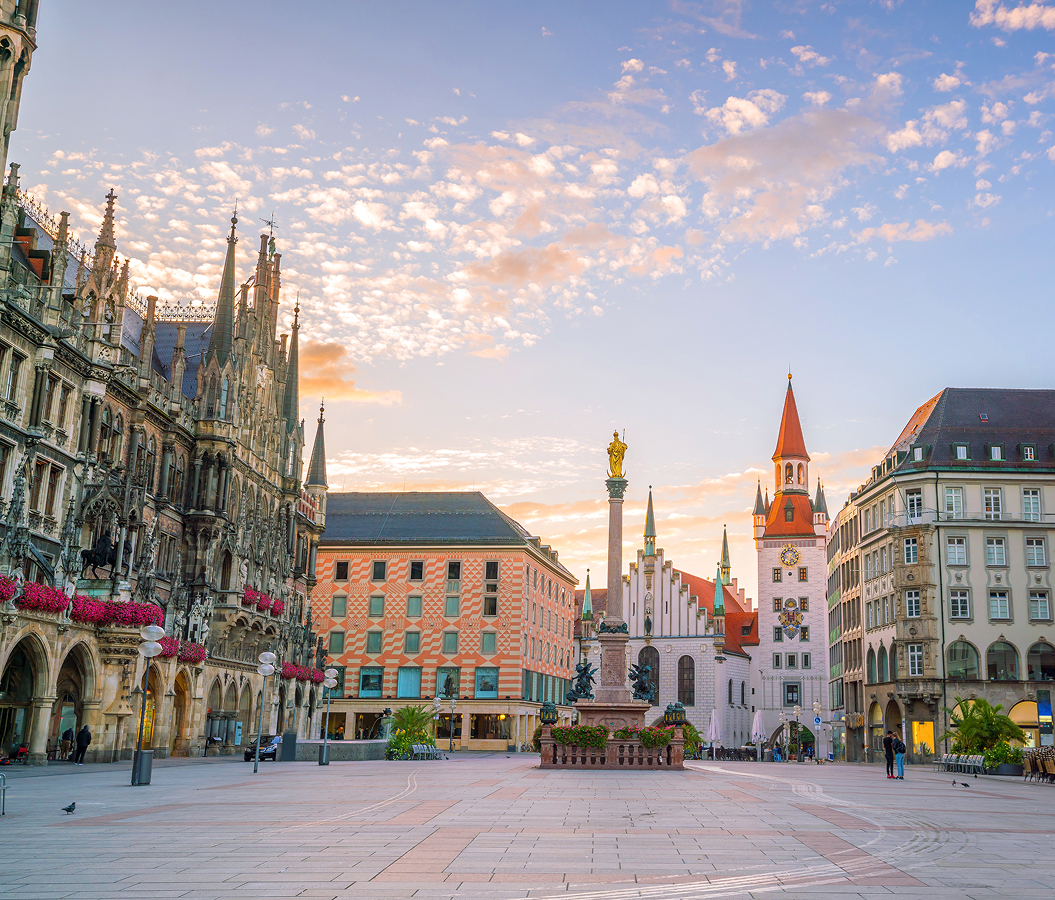
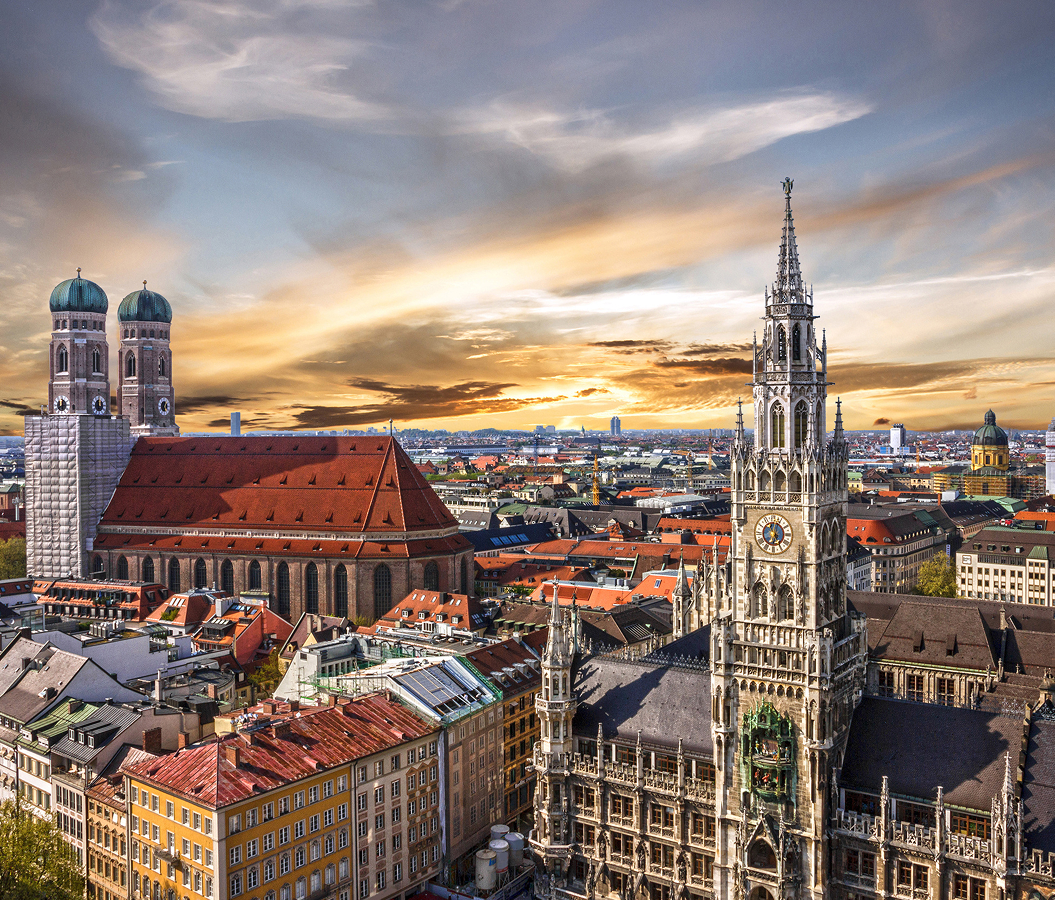
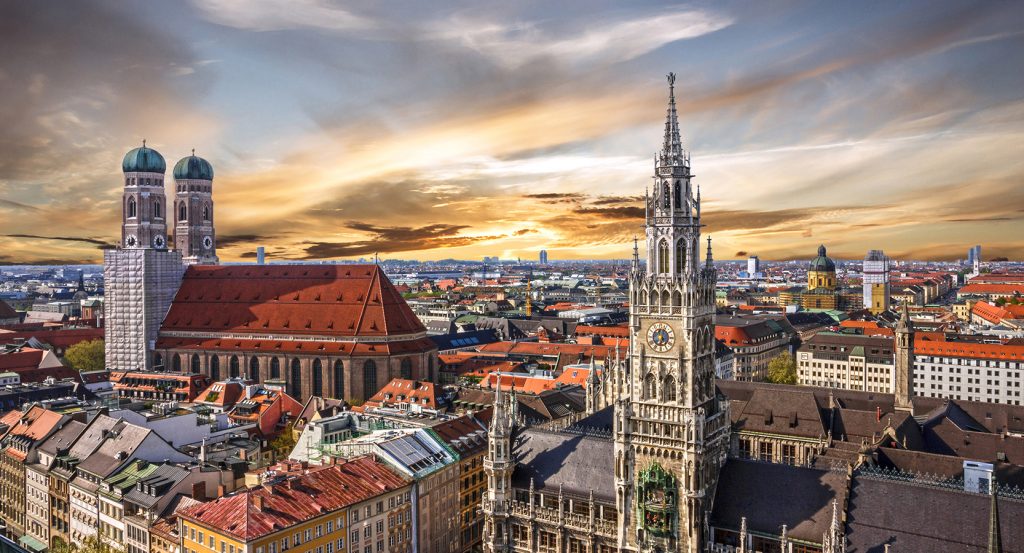
Begin your mornings with breakfast overlooking Viktualienmarkt, allowing the market's early activity to set a grounded, human pace for the day. From the hotel, Munich's historic core unfolds effortlessly. Walk to Marienplatz in minutes, explore the Residenz, or drift into nearby streets where boutiques, galleries, and cafés reveal themselves. Mid-morning is ideal for museums or extended walks, knowing that returning to the hotel requires no logistical reset. Use midday as a natural pause, returning for lunch, a short rest, or simply time to observe the market from above. This proximity allows you to move in and out of the city's energy. Afternoons can extend outward into Schwabing, along the Isar, or into Munich's contemporary cultural spaces, all easily reached via nearby transit. As evening approaches, allow the hotel to reassert itself as a place of warmth and grounding. A drink in the bar offers a gentle transition from public engagement to private reflection, while dinner on-site or nearby unfolds. Over multiple days, this rhythm becomes deeply restorative. Each return to LOUIS Hotel feels like a continuation rather than a retreat, reinforcing a sense of belonging within the city.
Where your story begins.
Foresyte Travel reveals places that feel extraordinary long before you arrive.
Experience premium editorial crafted for luxury travelers.