Why Luckie Street matters.
Luckie Street is a historic Downtown corridor where entertainment history, commercial ambition, and architectural legacy converge along one of the city's most celebrated urban streets.
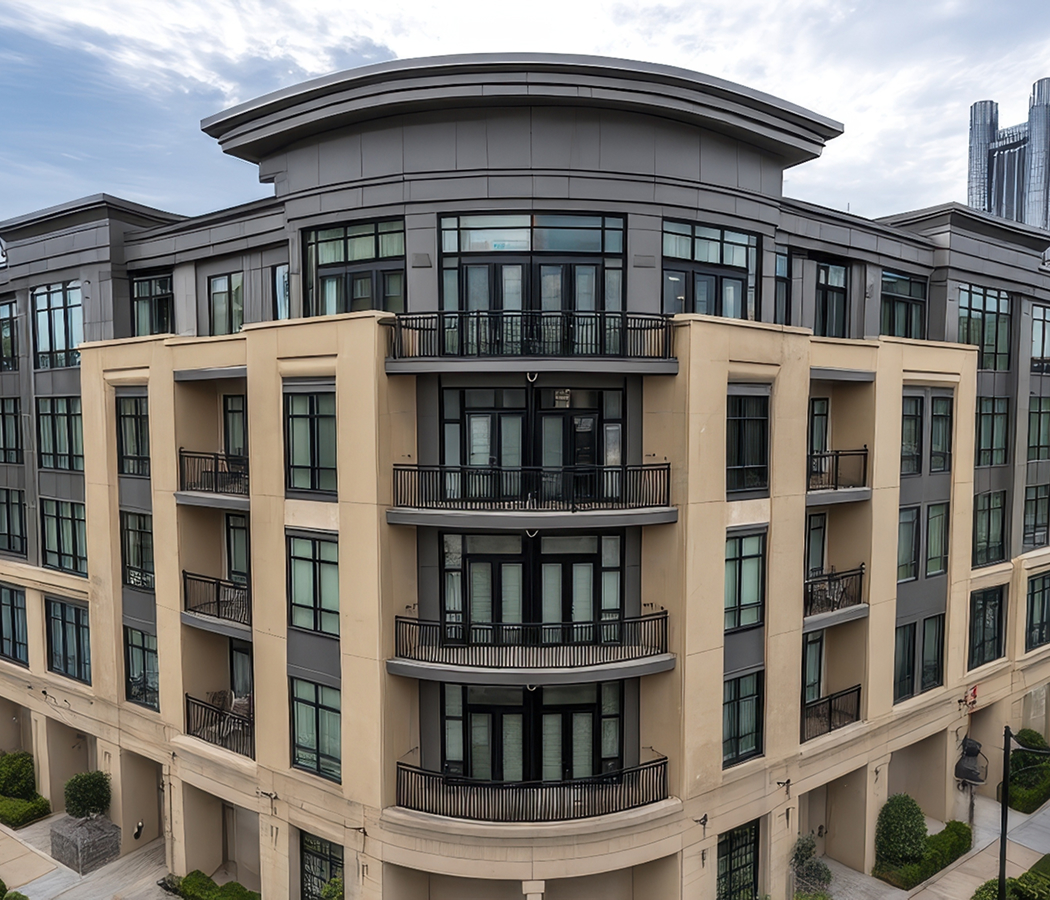
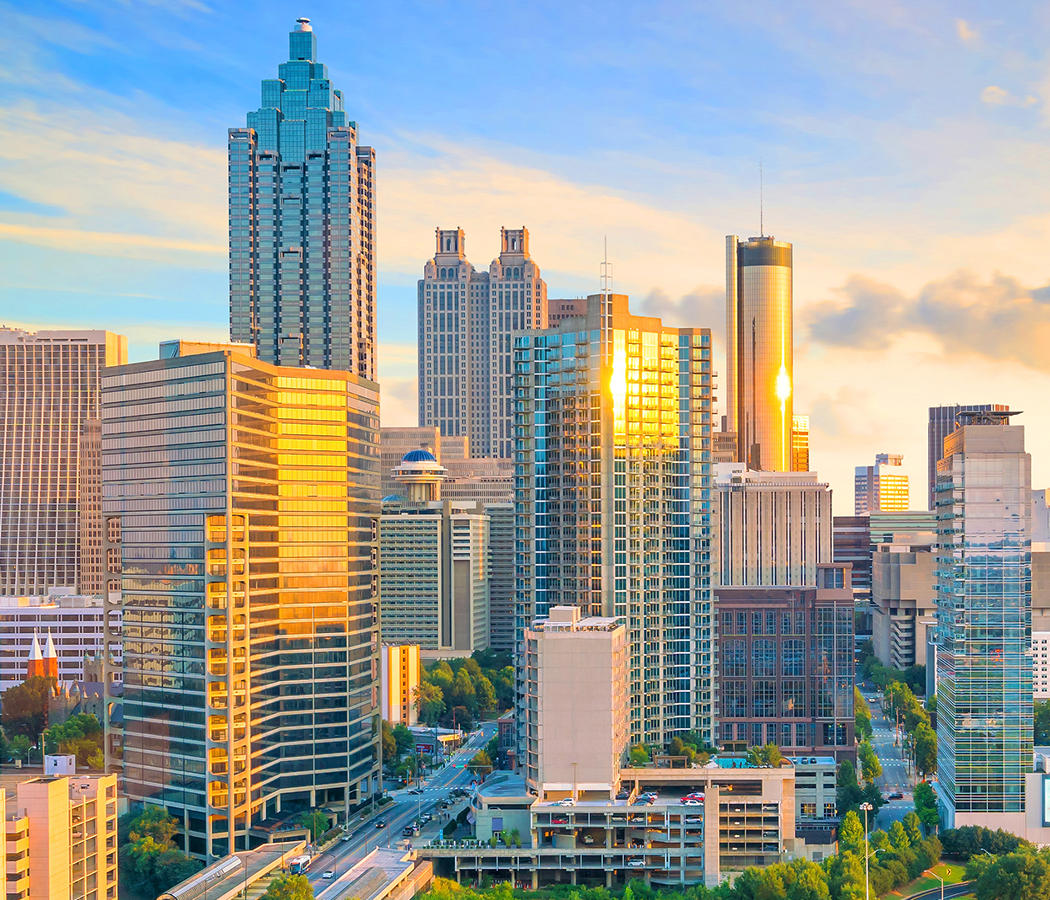
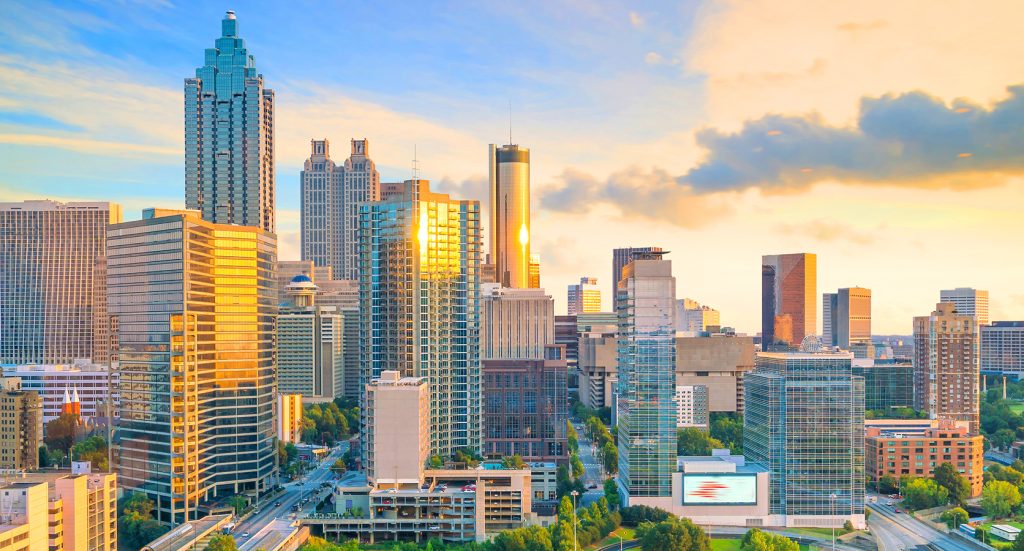
Running through Downtown between Centennial Hill and Fairlie-Poplar, this energetic corridor connects renowned theaters, landmark hotels, museums, sports venues, historic office buildings, and entertainment districts that have shaped Atlanta's cultural character for more than a century. Early skyscrapers, restored commercial façades, contemporary attractions, and lively pedestrian streets create a dynamic environment where the city's historic core continues to thrive. As Atlanta expanded into the commercial capital of the New South, Luckie Street became a focal point for business, hospitality, and entertainment, preserving a remarkable cross-section of the city's architectural and cultural evolution. The result is a corridor defined by performance, innovation, and enduring civic significance.
What defines Luckie Street.
Luckie Street is best known for passing the Tabernacle, the former Broughton Tabernacle constructed in 1911 as a temporary home for evangelist Billy Sunday, before its extraordinary conversion into one of Atlanta's premier live music venues following the 1996 Summer Olympic Games.
Originally erected in just weeks to accommodate Sunday's hugely attended revival meetings, the wooden tabernacle welcomed thousands of worshippers during one of the most influential evangelical campaigns in Atlanta's history. Rather than disappearing after the revival concluded, the structure endured for decades, serving a succession of religious congregations before facing possible demolition late in the twentieth century. Extensive restoration preserved the landmark's soaring interior while adapting it into an acclaimed concert venue that has hosted internationally renowned performers across virtually every musical genre. Few Atlanta buildings demonstrate adaptive reuse so successfully, transforming a revival tabernacle into one of the city's most recognizable entertainment landmarks while preserving an important chapter of its architectural and cultural heritage.
How Luckie Street fits.
Luckie Street works as an exploration of Downtown's entertainment legacy, architectural landmarks, and cultural attractions.
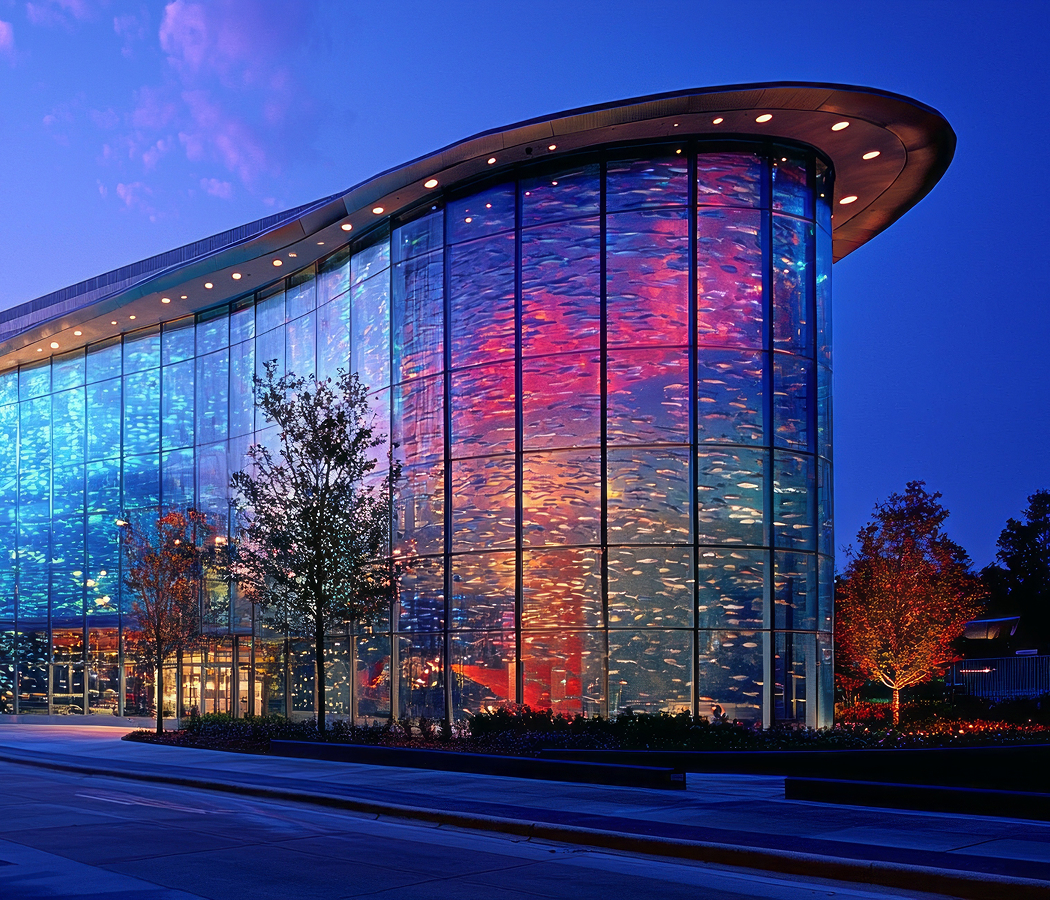
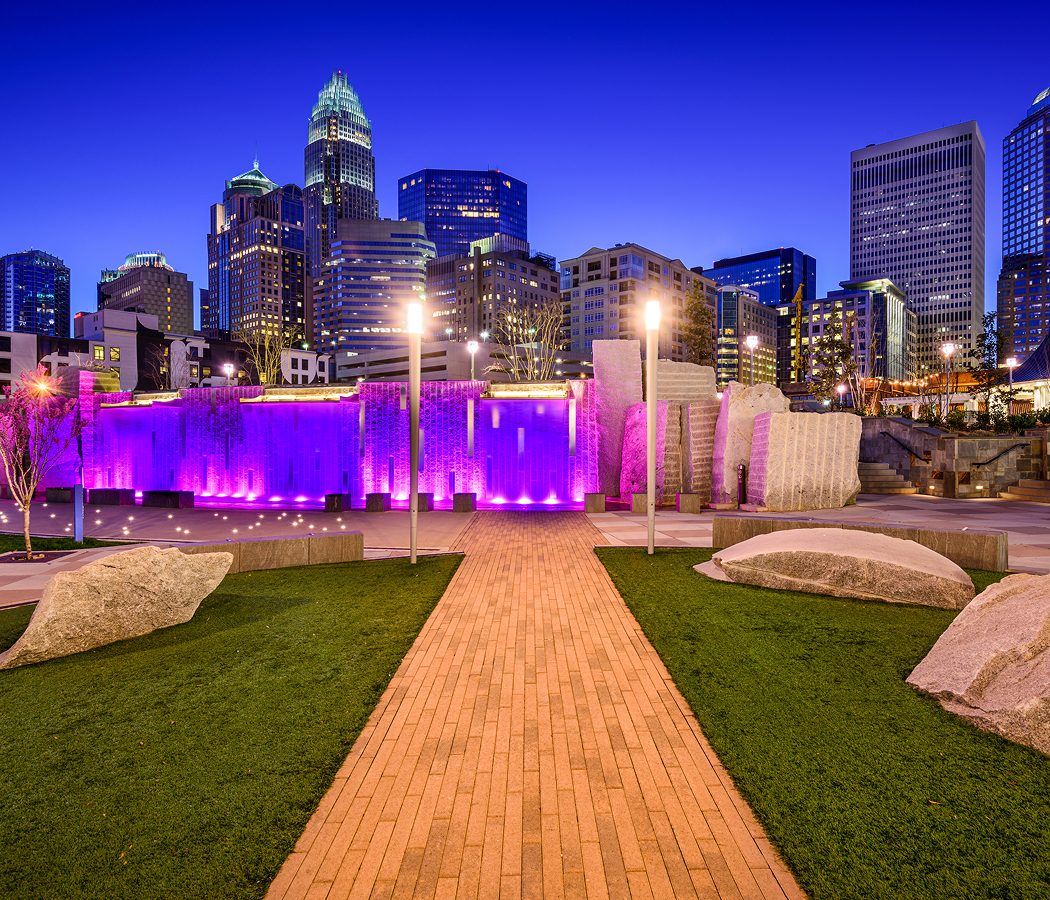
Begin at Tabernacle, where the corridor's remarkable transformation from revival hall to celebrated concert venue immediately comes into focus. Continue toward Centennial Olympic Park, whose fountains, public art, and expansive gathering spaces reflect the international legacy of the 1996 Summer Olympic Games. From there, make your way to College Football Hall of Fame, where interactive exhibits and championship history provide a broader perspective on one of Atlanta's premier visitor destinations. Along the route, you'll encounter historic commercial buildings, restored theaters, lively restaurants, public plazas, illuminated skyline views, and energetic pedestrian streets that demonstrate how Luckie Street seamlessly connects Atlanta's architectural heritage with its contemporary entertainment district. The progression moves naturally from historic performance venue to internationally recognized park to immersive sports museum, revealing why Luckie Street remains one of Downtown's defining corridors.
Where your story begins.
Foresyte Travel reveals places that feel extraordinary long before you arrive.
Enjoy editorial crafted for luxury travelers.
Foresyte may earn a commission when you book.