Why Main Highway matters.
Main Highway is a storied corridor where Coconut Grove's bohemian legacy, tropical landscape, maritime heritage, and architectural character continue defining one of Miami's most celebrated streets.
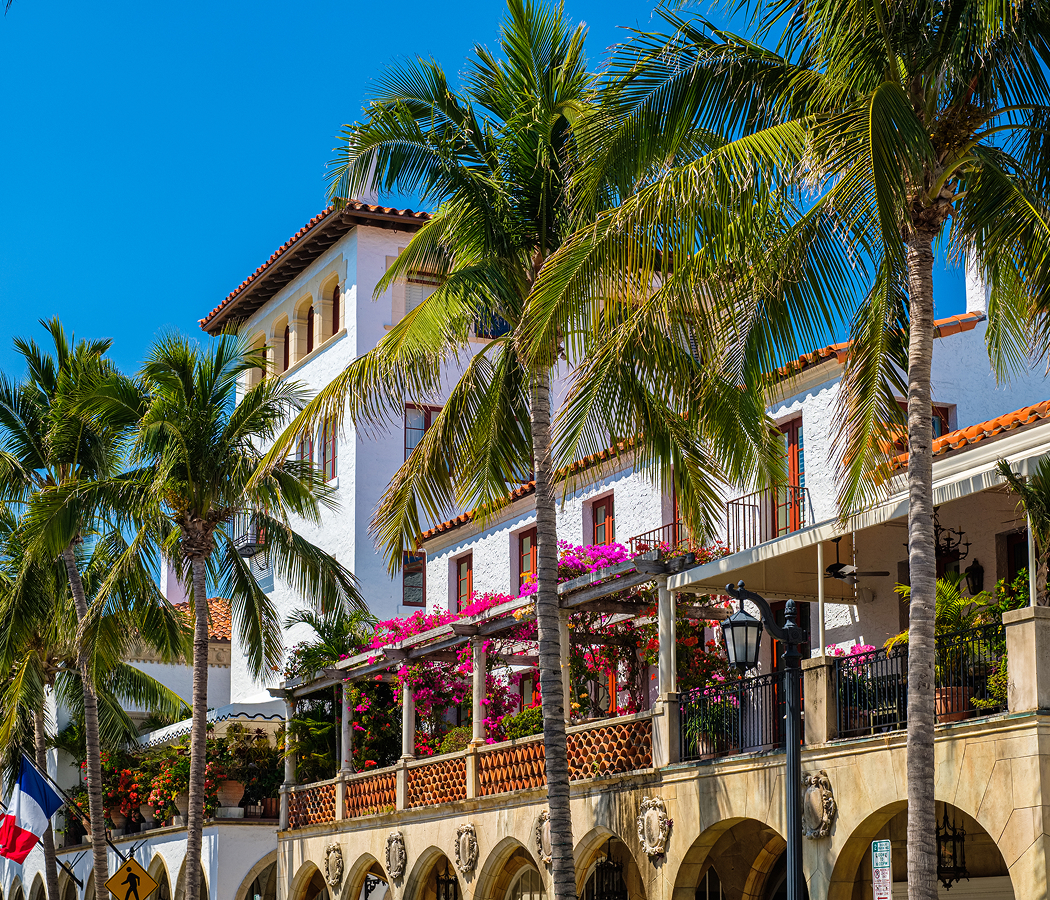
Running through Coconut Grove between North Grove and South Grove, the corridor follows the western edge of Biscayne Bay while connecting historic estates, waterfront parks, village commercial districts, marinas, and shaded residential blocks that collectively reflect more than a century of continuous cultural and architectural evolution. Mature banyans, royal poincianas, live oaks, and towering royal palms form a lush canopy above Mediterranean Revival landmarks, contemporary residences, and intimate pedestrian spaces that preserve the neighborhood's distinctive scale. Throughout the corridor, celebrated institutions, architect-designed buildings, and enduring waterfront landscapes reinforce a setting whose character has matured through preservation, artistic influence, and close ties to Biscayne Bay. The result is an experience defined by tropical elegance, historical depth, and one of Miami's most iconic neighborhood corridors.
What defines Main Highway.
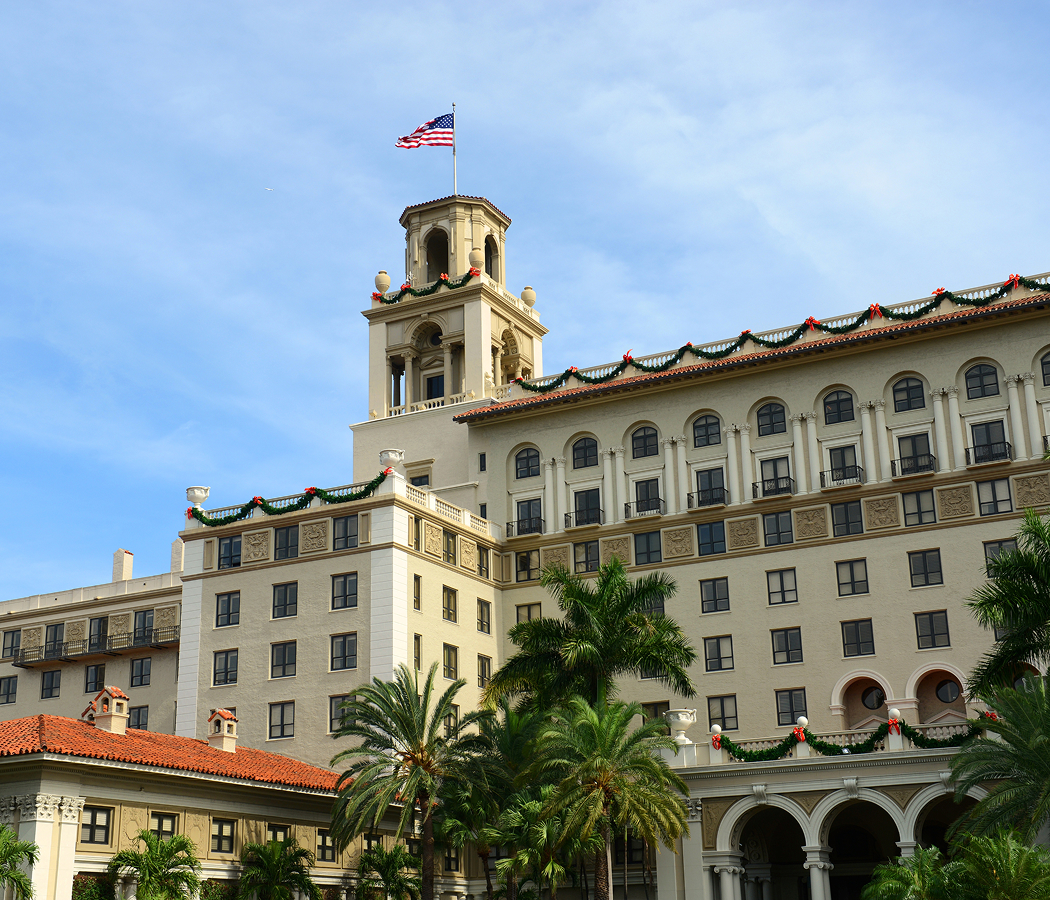
Main Highway is best known for serving as Coconut Grove's original north-south spine, following routes established during the community's earliest settlement after Bahamian immigrants, pioneering families, and commercial growers transformed the area into one of South Florida's oldest continuously inhabited neighborhoods during the late nineteenth century. The corridor developed alongside the growth of Coconut Grove after the arrival of the Peacock Inn in 1883, the extension of Henry Flagler's Florida East Coast Railway to nearby Miami in 1896, and the village's incorporation in 1919 before annexation into the City of Miami in 1925. Buildings lining Main Highway represent an exceptional architectural chronology that includes Bahamian Vernacular cottages, Mediterranean Revival estates, Mission Revival residences, Tropical Modern homes, and Mid-Century Modern architecture designed by figures including Walter De Garmo, Marion Manley, and Alfred Browning Parker. The surrounding landscape preserves one of Miami's richest urban tree canopies through mature banyans, gumbo limbo, live oaks, mahogany, strangler figs, royal palms, and native hardwood hammock vegetation that reflects the ecology predating urban development. Biscayne Bay's shoreline, early yacht clubs, and long-established maritime traditions collectively shaped the corridor's enduring relationship with sailing, waterfront recreation, and tropical village life.
The Barnacle Historic State Park preserves the 1891 waterfront home of Ralph Middleton Munroe, whose innovations in yacht design and advocacy for shallow-draft sailing helped establish Coconut Grove as one of America's earliest recreational sailing communities. The Kampong occupies the former estate of botanist Dr. David Fairchild, where introductions of tropical fruit trees, flowering species, and botanical collections profoundly influenced horticultural research throughout South Florida. Oolitic limestone walls, native coral rock, Dade County pine, hand-forged wrought iron, and clay barrel roof tiles incorporated throughout historic properties demonstrate the regional materials and craftsmanship that distinguished Coconut Grove's earliest residential architecture. Together, these maritime legacies, botanical contributions, and enduring construction traditions deepen the historical narrative established by Main Highway's streetscape, demonstrating why the corridor remains inseparable from Coconut Grove's cultural identity.
How Main Highway fits.
Main Highway works as a journey through Coconut Grove's maritime heritage, tropical landscapes, and village character.
Begin at Peacock Park, where sweeping Biscayne Bay views, public waterfront lawns, and the site's connection to Coconut Grove's earliest resort era provide the ideal introduction before following Main Highway beneath its celebrated tropical canopy. Continue to Coconut Grove Sailing Club, where active sailing traditions, panoramic views across Biscayne Bay, and the neighborhood's enduring relationship with the water naturally deepen the story established along the corridor. Conclude at Vizcaya Museum & Gardens, where Italian Renaissance-inspired architecture, formal gardens, and one of America's most celebrated historic estates provide a memorable culmination that showcases the artistic ambition and coastal elegance defining greater Coconut Grove. The progression moves naturally from the neighborhood's waterfront origins through its living maritime culture before culminating at an extraordinary architectural masterpiece, revealing how Main Highway binds together the landscapes, traditions, and history that define Coconut Grove.
Where your story begins.
Foresyte Travel reveals places that feel extraordinary long before you arrive.
Enjoy editorial crafted for luxury travelers.
Foresyte may earn a commission when you book.