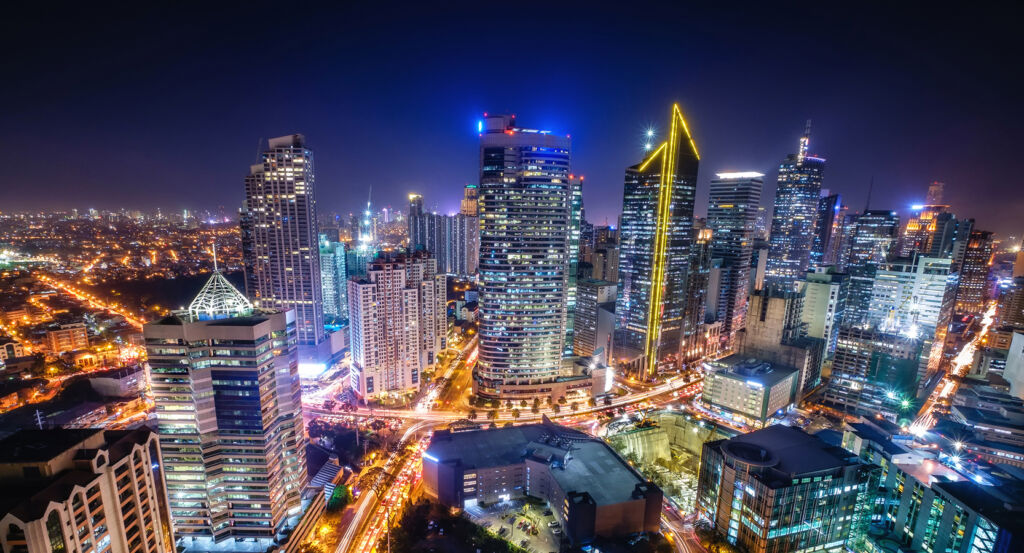
Why you should experience Makati Shangri-La in Makati, Philippines.
Makati Shangri-La is where legacy luxury, diplomatic gravity, and the measured confidence of old-guard Makati converge into a stay that feels stately, insulated, and quietly authoritative in the heart of the city's financial core.
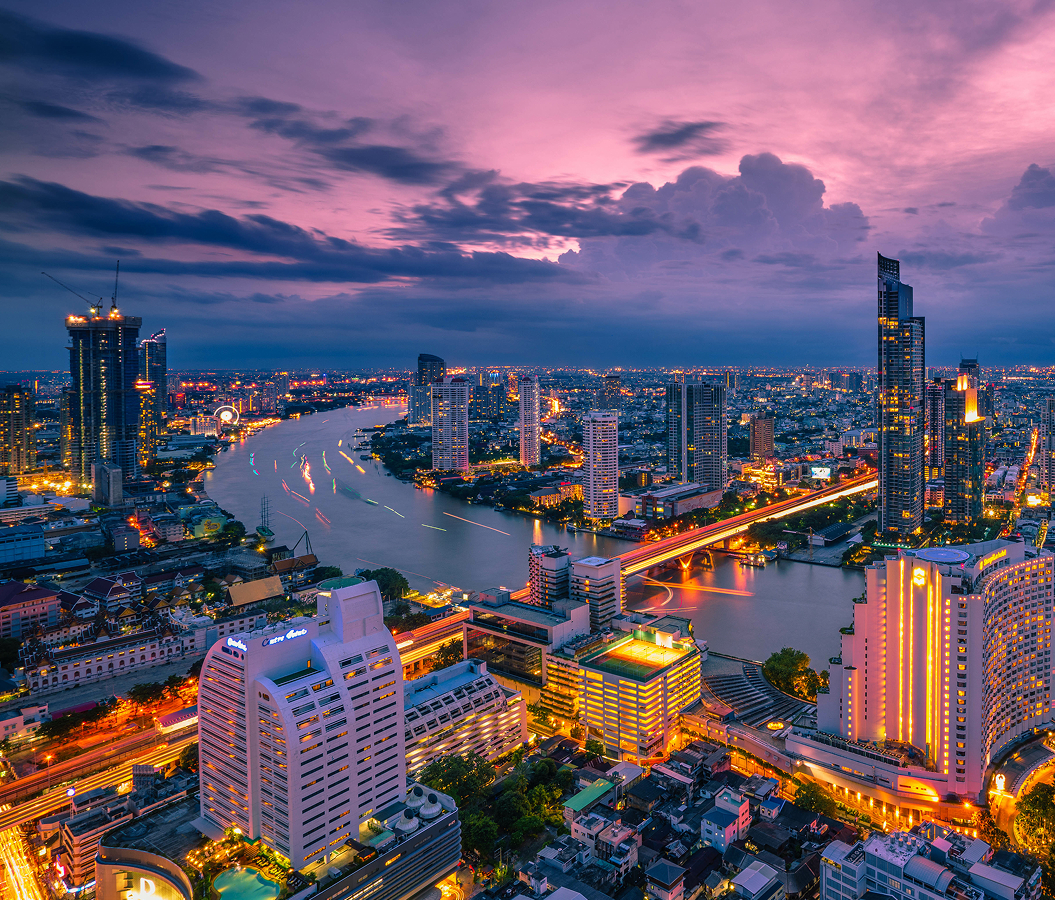
This is not Manila in acceleration mode or luxury chasing modernity at all costs. This is Manila operating at depth, from a hotel that has long served as a crossroads for power, policy, and permanence. Located along Ayala Avenue, Makati Shangri-La occupies one of the most historically consequential stretches of real estate in the country. This corridor has witnessed decades of economic expansion, political negotiation, and international exchange, and the hotel stands as one of its most enduring anchors. Arrival feels deliberately formal. The porte-cochère, the guarded entry, and the sense of separation from the street immediately signal that this is a place designed to buffer, not amplify, the city outside. Inside, the atmosphere shifts into controlled calm. The lobby is expansive and dignified, defined by high ceilings, polished stone, warm woods, and a sense of symmetry that communicates order and stability. There is movement here, but it is subdued and intentional. Conversations feel important. Guests carry themselves with purpose. This is a hotel that understands its role as a place where decisions are made, not displayed. Public spaces are generous and layered, offering discreet corners for conversation, large-scale venues for meetings, and lounges that feel appropriate for both quiet reflection and serious discussion. Guest rooms extend this sense of gravitas into private space with a focus on proportion and comfort. Accommodations are well sized and classically composed, designed to feel substantial. Interiors lean toward timeless elegance, using warm color palettes, plush textiles, and traditional detailing that prioritize comfort and continuity over trend. Beds are deeply comfortable, designed for restorative rest after long days shaped by meetings and movement. Seating areas encourage lingering rather than passing through, reinforcing the room's residential quality. Workspaces are formal yet functional, supporting productivity. Windows frame views of Makati's skyline, Ayala Avenue, and surrounding towers, offering perspective. Bathrooms are indulgent and serene, featuring deep soaking tubs, walk-in rain showers, stone finishes, and layouts that encourage unhurried daily rituals. Dining venues reinforce Makati Shangri-La's role as a civic institution. Restaurants and lounges attract diplomats, executives, and long-time Manila residents, creating a social rhythm that feels established. Cuisine is refined and classic, executed with precision and restraint. Service throughout the hotel reflects Shangri-La's reputation for warmth, elevated here through discipline and experience. Staff operate with intuition, discretion, and memory, anticipating needs quietly and responding with confidence shaped by decades of institutional knowledge. Makati Shangri-La does not attempt to reinvent the city. It offers a place where Makati's intensity feels managed, ordered, and deeply intelligible.
What you should know about Makati Shangri-La.
Makati Shangri-La has long functioned as one of Southeast Asia's most important business and diplomatic hotels, playing a behind-the-scenes role in the region's economic and political life.
Since its opening in the late 1990s, the hotel has served as a preferred venue for international summits, corporate negotiations, and high-level diplomatic stays, earning a reputation for discretion and reliability. What many guests do not realize is how intentionally the hotel's design and operations support confidentiality and control. Spatial layouts minimize unnecessary exposure, public areas offer layered privacy, and service protocols emphasize subtlety over visibility. This makes the hotel particularly appealing to guests whose presence carries significance. Culturally, Makati Shangri-La attracts a distinctive mix of travelers: senior executives managing regional portfolios, diplomats and embassy staff, heads of multinational organizations, long-stay residents, and returning guests who value continuity over novelty. This creates an atmosphere that feels composed, influential, and quietly cosmopolitan. Service culture here is deeply institutional. Many staff members have built long careers at the property, carrying generational knowledge of guests, preferences, and standards. Memory is embedded into the hotel's identity, creating relationships that feel enduring. Architecturally, the hotel favors scale, symmetry, and acoustic control. Spaces are designed to absorb sound, maintain privacy, and support concentration. Operationally, Makati Shangri-La performs with exceptional consistency across large-scale events, extended stays, and daily operations. Standards remain exacting, systems are resilient, and maintenance is proactive, reinforcing trust over time. Sustainability is expressed through longevity. Furnishings endure, processes are refined rather than replaced, and excellence is treated as responsibility rather than branding. Perhaps most importantly, the hotel represents a philosophy of hospitality rooted in stewardship. It exists not just to host guests, but to uphold a standard for how Makati presents itself to the world.
How to fold Makati Shangri-La into your trip.
Makati Shangri-La works best when you allow it to become a stabilizing force within your Manila experience, shaping your pace and perspective rather than reacting to the city's demands.
Begin your mornings with intention. Wake into a room that feels settled and quiet, let light filter through substantial windows, and enjoy breakfast. The hotel's atmosphere encourages focus before movement. Late mornings and afternoons are ideal for meetings along Ayala Avenue, embassy visits, corporate offices, or institutional engagements, knowing that return will feel restorative. Midday returns are especially powerful here. A bath, a short rest, or simply sitting in stillness recalibrates energy in a way few city hotels can offer. Evenings carry their own gravity. Dine deliberately, meet colleagues in the lounges, or retreat early knowing that rest is respected here. Over longer stays, routines become almost ceremonial. Staff greet you by name, preferences are remembered without prompting, and the hotel begins to feel less like accommodation and more like infrastructure supporting your presence in the city. Weekends take on a quieter tone, offering space to reflect, read, or explore Makati. On departure day, transitions feel composed and unforced. Logistics are handled discreetly, and you leave without the usual sense of depletion that accompanies urban travel. Makati Shangri-La does not linger in memory as performance or indulgence. It stays with you as a feeling of authority and calm, the rare satisfaction of having experienced a major global city from a place that understood time, discretion, and the enduring power of stability.
Where your story begins.
Foresyte Travel reveals places that feel extraordinary long before you arrive.
Experience premium editorial crafted for luxury travelers.