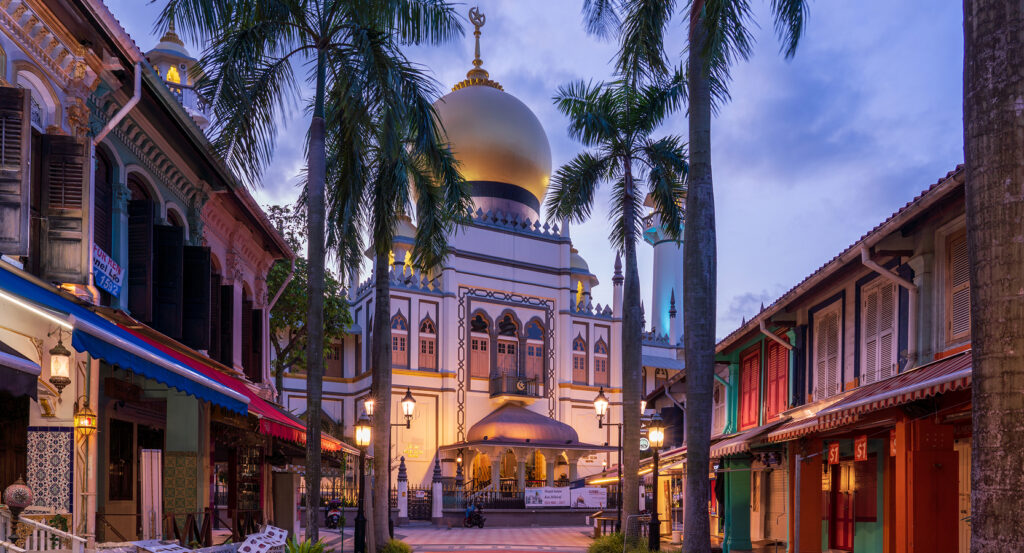
Why Malay Heritage Centre matters.
Set within the former royal grounds of Malay Sultanate in Singapore, Malay Heritage Centre glows with quiet dignity, a sunlit palace reborn as a museum, where history doesn't whisper; it sings.
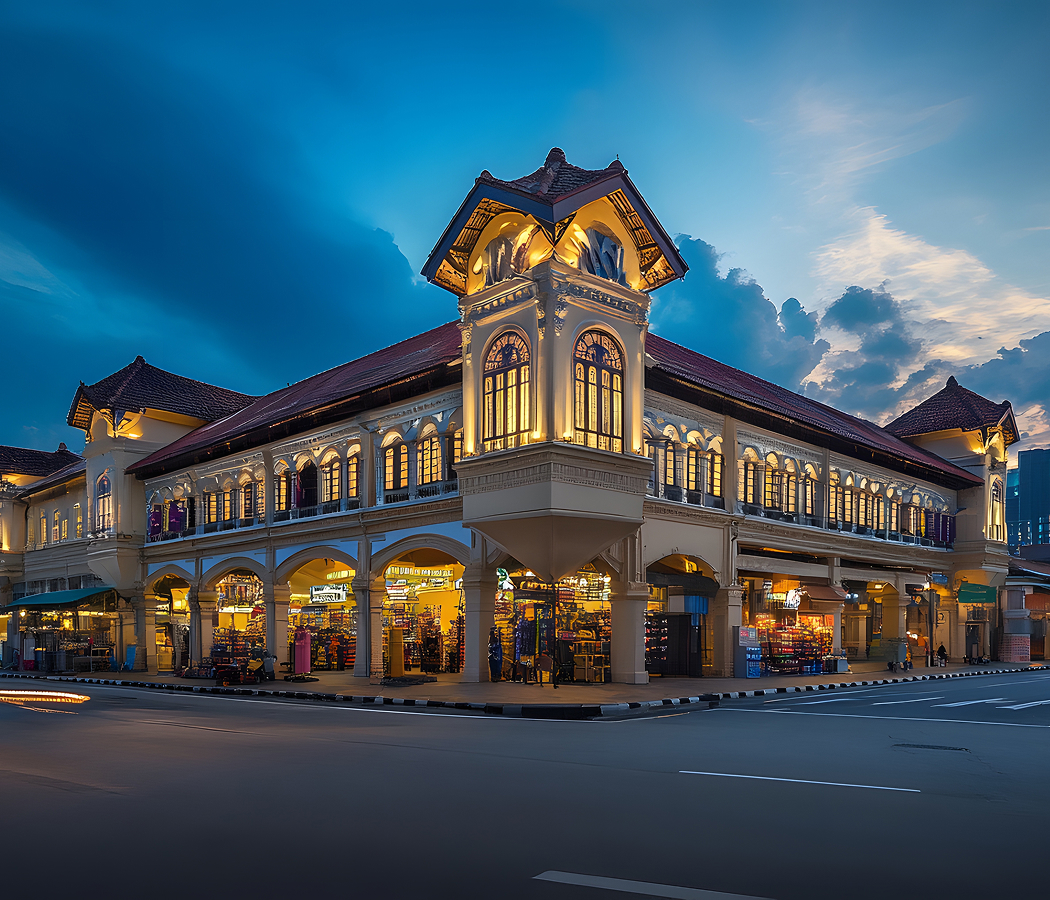
The building itself, Istana Kampong Gelam, is a symphony of proportion and grace: ochre walls, white colonnades, and shuttered verandas opening onto palm-fringed lawns that once hosted royal ceremonies under the tropical sky. Step through its gates, and you step into centuries of memory. The air carries the fragrance of frangipani and rain-damp earth; the soft rustle of trees mingles with the rhythmic call to prayer from the nearby Sultan Mosque. Inside, the galleries unfold like verses of a long poem, tracing the evolution of Malay character through trade, art, and faith. You'll find maritime maps inked with ancient routes, keris daggers shimmering with pattern-welded steel, batik textiles that seem to breathe with color. Every exhibit feels personal, as though the past itself is reaching out, reminding you that culture, like lineage, lives only through remembrance.
What defines Malay Heritage Centre.
What most travelers never realize is that Malay Heritage Centre is not merely a museum, it is the pulse of a living kingdom reinterpreted for a modern nation.
This was once the royal palace of Sultan Hussein Shah, the ruler who signed the treaty founding modern Singapore in 1819. His descendants lived here for generations, their court life shaped by the tides of empire, Islam, and migration. When the last royal occupants left in the 1990s, the building could have faded into nostalgia, yet the government's restoration honored not just its architecture, but its soul. The centre's curation is deeply layered: beyond royal artifacts lie stories of kampong life, Malay craftsmanship, and the intersection of cultures that defined the Malay world. You'll see the influence of Bugis sailors and Javanese weavers, the resilience of poets and musicians who carried tradition into modern rhythm. Multimedia displays bring old voices to life, while outdoor exhibits, traditional boats, sculptures, and gardens, connect the past to the open air. It's not a relic; it's a discussion between memory and renewal.
How Malay Heritage Centre fits.
To fold Malay Heritage Centre into your Singapore journey, approach it as a pilgrimage, not a detour.
Come in the late morning, when sunlight dapples the courtyard and the golden dome of the Sultan Mosque gleams beyond the palms. Enter through the royal gates and linger by the garden pond; its reflection captures the palace in soft motion, as though history itself were breathing. Move through the galleries slowly, listen to the recorded voices of elders recounting kampong days, trace the motifs in traditional songket cloth, study the calligraphy that once adorned royal decrees. Step outside afterward into the open courtyard, where exhibitions often spill into the garden, storytelling sessions, musical performances, even silat (Malay martial arts) demonstrations. As evening falls, the palace glows amber against the indigo sky, lanterns flickering under the frangipani trees. Sit for a while on the stone steps; the city hums around you, but here, time softens. Malay Heritage Centre reminds you that heritage isn't a chapter to be closed, it's a melody to be learned by heart, and sung again with every generation.
Where your story begins.
Foresyte Travel reveals places that feel extraordinary long before you arrive.
Enjoy editorial crafted for luxury travelers.
Foresyte may earn a commission when you book.