Why Mandarin Oriental matters.
Mandarin Oriental is Bangkok experienced as quiet authority and perfected balance, where centuries of river life, literary legacy, and disciplined hospitality converge into a stay that feels timeless.
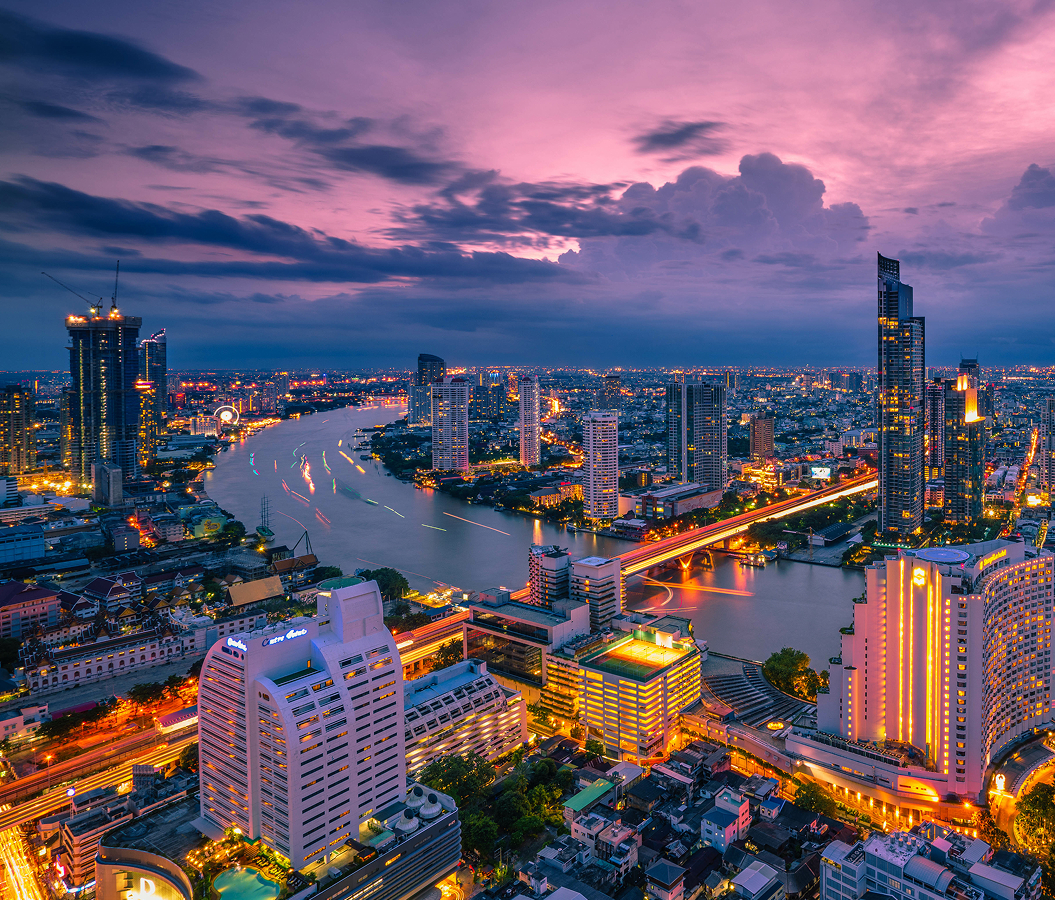
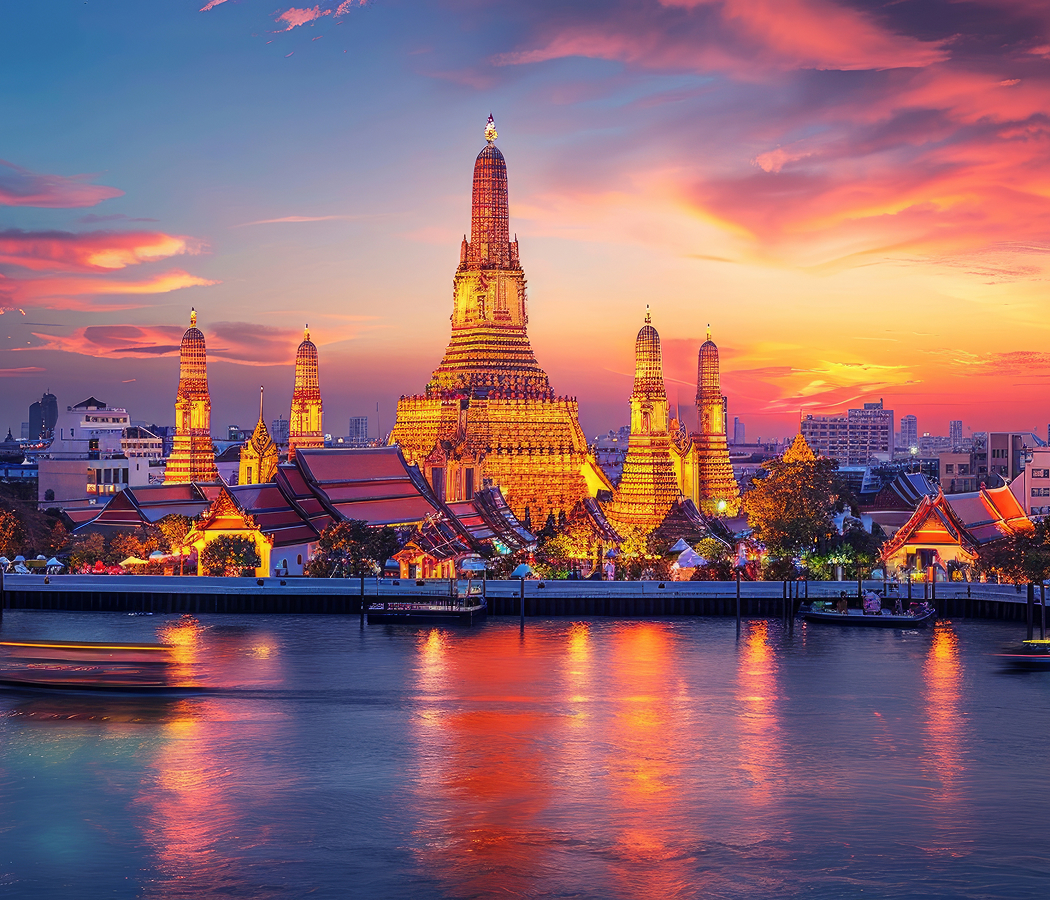
This is not a hotel that needs reinterpretation or reinvention. It exists as a fixed point in a city defined by motion. Set directly along the Chao Phraya River, Mandarin Oriental has witnessed Bangkok's transformation while remaining unmistakably itself. Arrival carries weight. The river approach immediately reframes the city, shifting perspective from congestion to continuity. Boats glide past, water reflects sky and architecture, and the property asserts itself not through scale but through composure. Stepping onto the grounds feels like entering an institution that has already decided who it is. The transition from river to interior is seamless and calming. The lobby opens with proportion and light rather than performance, offering clarity rather than distraction. Check-in is unhurried, attentive, and precise, delivered with a confidence that does not require explanation. Public spaces throughout the hotel reinforce this sense of assured restraint. Corridors are elegant and open, seating areas feel intentional rather than decorative, and sightlines consistently draw the eye toward gardens or water. Materials are refined and tactile, chosen for longevity and comfort. Movement through the property feels guided by rhythm rather than signage, encouraging guests to slow. There is no visual noise here. Every element serves atmosphere. Guest rooms embody this same philosophy of disciplined luxury. Rooms are generously proportioned and meticulously arranged, prioritizing comfort, clarity, and calm. Beds are deeply comfortable and composed, designed to support true rest. Furnishings blend classic form with modern utility, ensuring spaces feel relevant. Lighting is layered and warm, creating an environment that adapts effortlessly from day to night. Windows frame river views, gardens, or the city's softer edges, maintaining connection to Bangkok. Sound is absorbed and softened, allowing rooms to function as sanctuaries. Dining at Mandarin Oriental is inseparable from its identity. Culinary experiences here are not staged events but established rituals. Restaurants operate with precision and confidence, offering environments that encourage presence and conversation. Meals unfold deliberately, supported by service that understands timing as a form of respect. Whether dining by the river or within the hotel's refined interiors, food becomes part of a broader rhythm. Wellness is treated with equal seriousness. The spa operates across the river, reinforcing the idea of intentional separation between activity and restoration. Treatments, spaces, and pacing are designed to recalibrate both body and attention, offering depth. Fitness facilities support continuity and routine, aligning with the hotel's broader commitment to balance. Service throughout Mandarin Oriental is exemplary in its restraint. Interactions feel intuitive and deeply informed, shaped by awareness. Staff anticipate without intrusion, guide without directing, and resolve details quietly. There is no performance of warmth here, only practiced attentiveness delivered with consistency and grace. The location anchors everything. Positioned along the river, the hotel offers direct access to Bangkok's historic arteries while maintaining resonant distance from its congestion. The river becomes both threshold and buffer, allowing you to enter the city deliberately and return with ease. Returning to the property after time in Bangkok feels grounding. This is a stay for travelers who value continuity, composure, and depth, people who understand that true luxury is not about novelty but about trust. Mandarin Oriental offers the city as something enduring and navigable, because your base captures balance, legacy, and disciplined excellence.
What defines Mandarin Oriental.
Mandarin Oriental operates on a philosophy of institutional calm, where consistency, memory, and pacing are treated as the highest expressions of luxury.
The hotel's layout prioritizes openness and orientation, ensuring that guests remain connected to river, light, and movement. Public spaces are designed to absorb presence rather than amplify it, allowing the atmosphere to remain steady regardless of occupancy. Guest rooms follow a clear functional hierarchy, separating rest, preparation, and movement to reduce friction and mental clutter. Design elements favor timeless materials and proportion over trend, reinforcing stability. Service culture reflects this same discipline. Staff training emphasizes timing, discretion, and resonant intelligence, ensuring interactions feel personal. Hospitality here does not create moments, it sustains environment. The result is a hotel that feels grounded, reliable, and quietly powerful, offering Bangkok as a city that can be engaged deeply.
How Mandarin Oriental fits.
Mandarin Oriental works best when you allow it to set the resonant tempo for your entire stay.
Begin your days slowly, using the river as your orientation point. Mornings are ideal for early excursions while the city is still gentle, followed by returns to the hotel for breakfast or reflection. Use midday as a moment of recalibration, whether through spa time, quiet dining, or simply sitting by the water. Afternoons can extend into cultural exploration or river travel. Evenings are best approached selectively, knowing your return environment is composed and restorative. On your final morning, departure feels resolved rather than rushed, shaped by the sense that you did not chase Bangkok, you moved alongside it. You leave with the feeling that you experienced the city through balance and depth, supported by a place that understands legacy not as history, but as lived continuity.
Where your story begins.
Foresyte Travel reveals places that feel extraordinary long before you arrive.
Enjoy editorial crafted for luxury travelers.
Foresyte may earn a commission when you book.