Why Marietta Street matters.
Marietta Street is a historic Downtown corridor where railroad heritage, commercial ambition, and architectural legacy converge along one of the city's oldest and most influential streets.
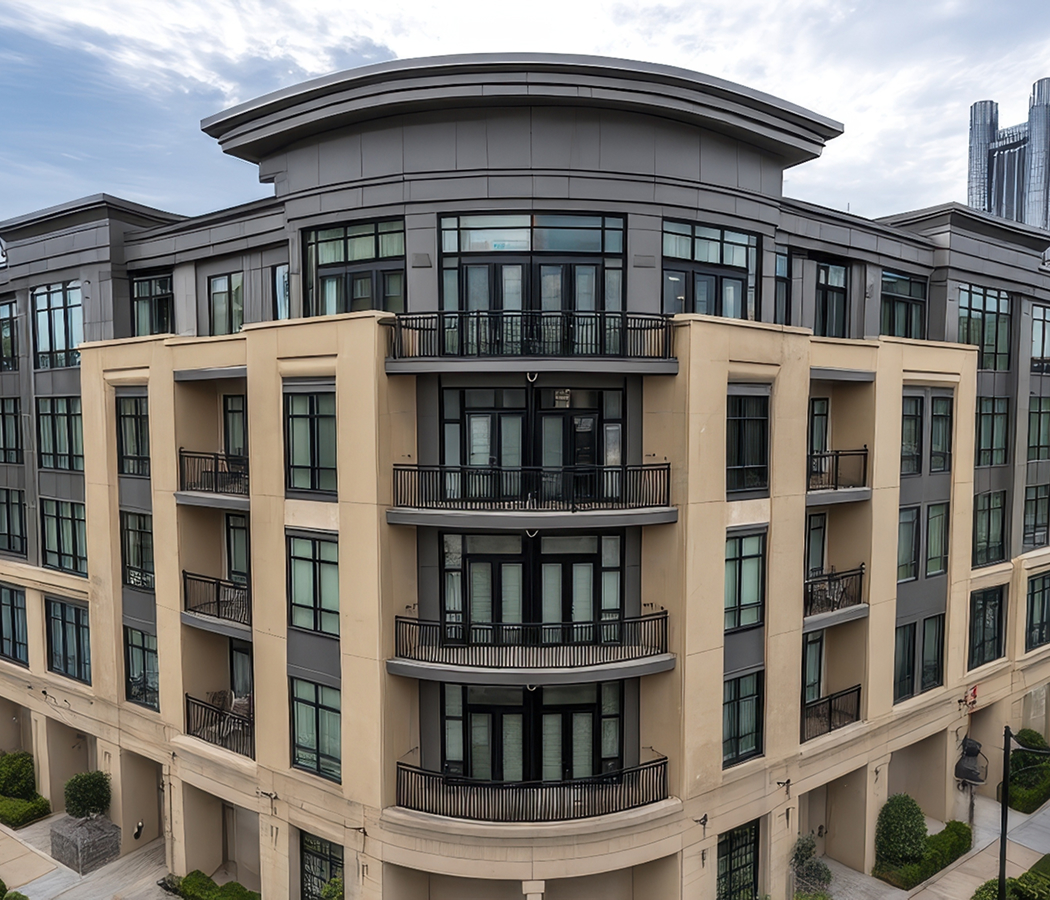
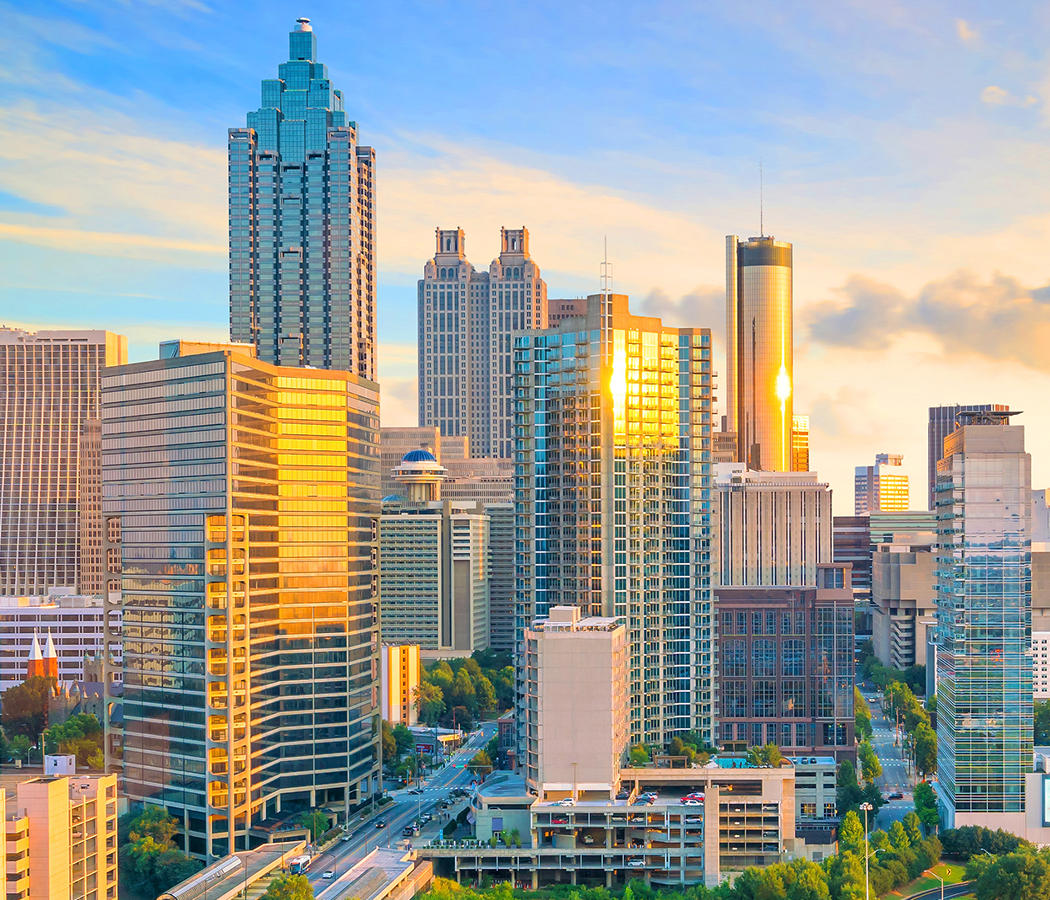
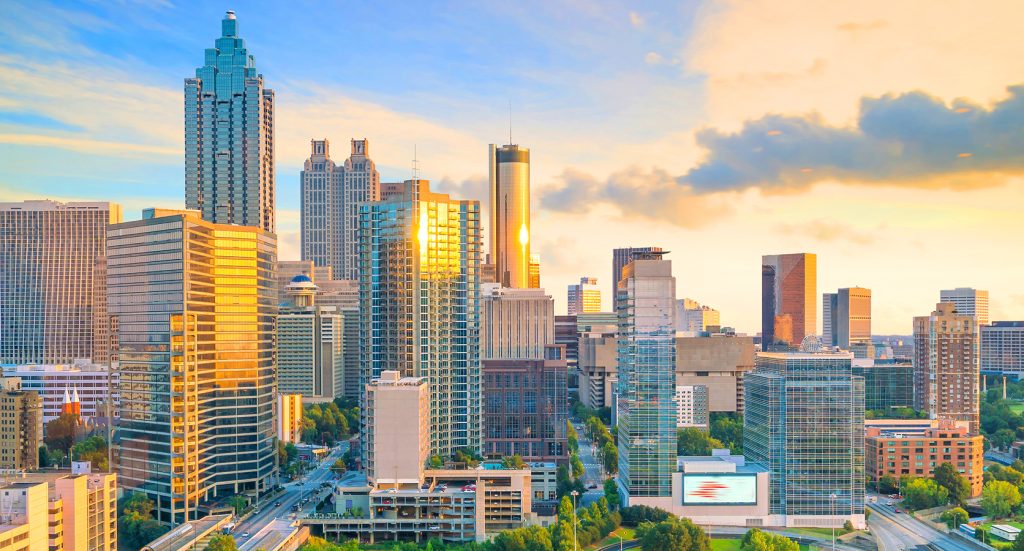
Running through Downtown between Centennial Hill and Fairlie-Poplar, this iconic corridor connects historic office buildings, celebrated theaters, university campuses, adaptive reuse developments, museums, and landmark civic institutions that have shaped Atlanta's commercial character since the city's earliest years. Late nineteenth-century commercial blocks, early skyscrapers, contemporary mixed-use developments, and restored brick façades create a streetscape where Atlanta's remarkable evolution remains visible at every turn. Established as the principal route leading northwest toward Marietta, the corridor became a defining artery of commerce as Atlanta emerged from a railroad terminus into the economic capital of the Southeast. The result is a street defined by enterprise, innovation, and enduring metropolitan significance.
What defines Marietta Street.
Marietta Street is best known for preserving the Fairlie-Poplar Historic District, where Atlanta's earliest generation of skyscrapers transformed the city into the commercial capital of the New South, including the Flatiron Building, completed in 1897, five years before New York's Flatiron Building, and recognized as one of the oldest surviving steel-frame skyscrapers in the South.
As Atlanta rebuilt following the Civil War, Marietta Street became the city's premier commercial corridor, lined with banks, wholesalers, insurance companies, department stores, hotels, and professional offices that reflected the extraordinary pace of economic expansion. Advances in steel-frame engineering allowed developers to construct taller, more fire-resistant buildings that fundamentally reshaped the city's skyline and announced Atlanta's arrival as a modern metropolitan center. Many of these architectural landmarks remain standing today, giving the corridor one of the Southeast's richest collections of late nineteenth- and early twentieth-century commercial architecture. Walking Marietta Street offers an opportunity to experience the physical landscape where Atlanta established itself as the financial, architectural, and commercial heart of the New South.
How Marietta Street fits.
Marietta Street works as an exploration of Downtown's architectural heritage, civic landmarks, and commercial history.
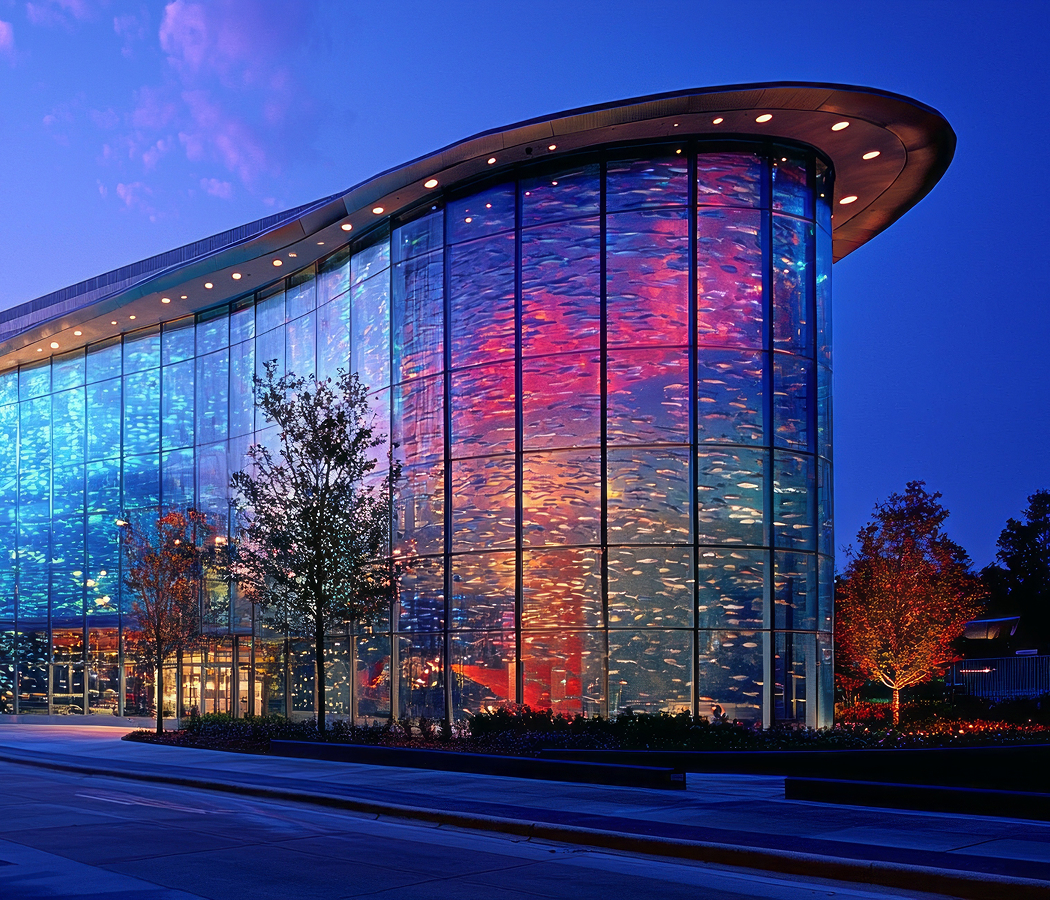
Begin at Fairlie-Poplar Historic District, where beautifully preserved commercial architecture immediately establishes the corridor's extraordinary historical significance. Continue toward Children's Museum of Atlanta, whose interactive exhibits highlight Downtown's continuing role as a destination for families, education, and culture. From there, make your way to Centennial Olympic Park, where Atlanta's Olympic legacy, iconic skyline, and surrounding cultural institutions provide a memorable conclusion to the experience. Along the route, you'll encounter historic office buildings, grand façades, neighborhood cafés, public art, restored storefronts, and energetic pedestrian spaces that demonstrate how Marietta Street continues to connect Atlanta's nineteenth-century commercial foundations with its contemporary urban energy. The progression moves naturally from historic business district to educational landmark to internationally recognized civic park, revealing why Marietta Street remains one of Atlanta's defining corridors.
Where your story begins.
Foresyte Travel reveals places that feel extraordinary long before you arrive.
Enjoy editorial crafted for luxury travelers.
Foresyte may earn a commission when you book.