Why Marktgasse Hotel matters.
Marktgasse Hotel is where medieval bones, contemporary intelligence, and deliberate restraint converge, a hotel that feels edited rather than decorated, intentional rather than nostalgic.
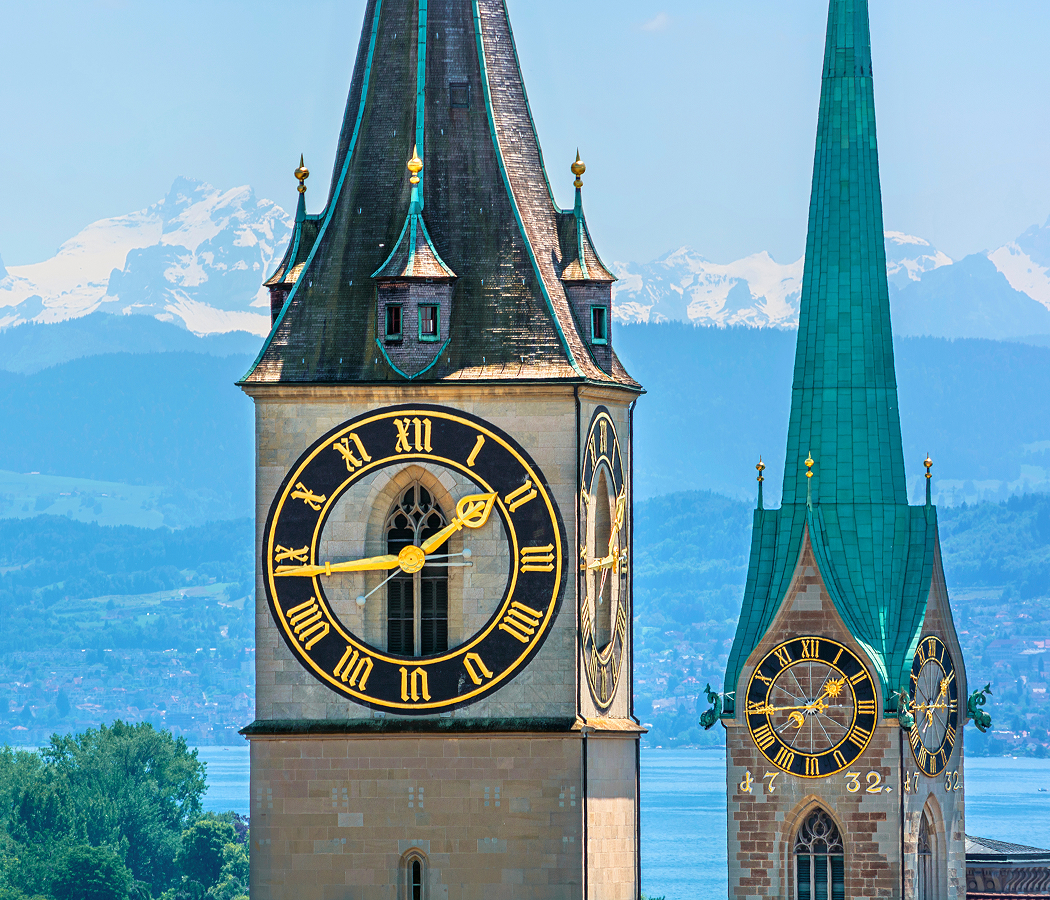
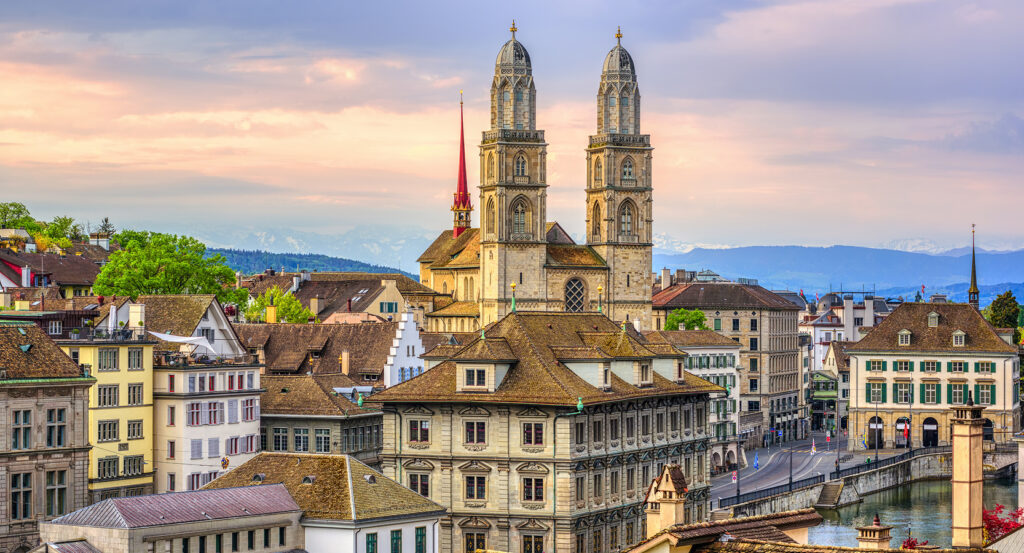
Set directly within Zürich's Old Town, Marktgasse Hotel occupies a building whose origins trace back to the 13th century, yet nothing about the experience feels frozen in time. Arrival is subtle, almost understated, as if the hotel prefers discovery to declaration. The exterior blends seamlessly into the historic street, stone and proportion doing the quiet work of belonging. Inside, the atmosphere shifts immediately into something modern, calm, and quietly cerebral. The design is confident enough to be sparse. Materials are honest and tactile, stone, wood, soft textiles, arranged with precision. Light is used as an architectural element, guiding the eye. The effect is grounding, as though the space encourages you to slow your breathing. Guest rooms follow the same philosophy of restraint with depth. Expect beds that feel intentionally generous rather than indulgent, linens that are crisp without excess, and furnishings that appear almost minimal until you realize how carefully each piece earns its place. The rooms feel balanced, never cold, never busy, with windows opening onto Old Town streets that carry centuries of life below. You're aware of the city, but not overwhelmed by it. Bathrooms are clean-lined and composed, finished with stone surfaces, walk-in showers or soaking tubs, and lighting that makes routine feel calm. What defines Marktgasse Hotel is its editorial confidence. There is nothing ornamental for ornament's sake. Public spaces feel like well-considered rooms rather than hospitality zones: areas where conversation can happen naturally, where silence feels comfortable, where presence is enough. Service mirrors this sensibility, attentive, intelligent, and discreet. Staff interact with ease, offering guidance when invited, space when not. Step outside and Zürich's Old Town unfolds immediately: cobblestone streets, guild houses, independent shops, quiet courtyards, and river paths all within moments. Marktgasse Hotel is ideal for travelers who appreciate design as clarity, history as texture rather than theme, and a stay that feels quietly aligned with how Zürich thinks and moves.
What defines Marktgasse Hotel.
The building that houses Marktgasse Hotel has lived many lives, and its current character is the result of thoughtful subtraction.
The structure dates back to the medieval period, originally part of Zürich's dense commercial core where trade, residence, and civic life overlapped within tight urban geometry. Over centuries, the building evolved through multiple uses, renovations, and social shifts, accumulating layers. When it was reimagined as Marktgasse Hotel, the design approach resisted the temptation to romanticize history. Instead of reconstructing a medieval aesthetic, architects and designers focused on revealing proportion, material honesty, and spatial calm. A lesser-known aspect of this project is how much was intentionally removed. Decorative excess, visual noise, and unnecessary partitions were stripped away to allow the original structure to breathe. This created interiors that feel contemporary not because they reject history, but because they respect it enough not to overinterpret it. The Old Town streets surrounding the hotel were historically places of exchange rather than ceremony, narrow lanes where merchants worked, families lived above shops, and daily life unfolded at close quarters. Marktgasse Hotel reflects this lineage through its human scale and inward composure. The hotel's calm is not accidental; it is the result of aligning modern design discipline with medieval spatial logic. Staying here places you inside a conversation between centuries, one that values clarity, restraint, and continuity over performance.
How Marktgasse Hotel fits.
Marktgasse Hotel works best when you let Zürich reveal itself gradually and allow the hotel to act as your point of recalibration.
Begin your mornings quietly, coffee nearby, a short walk through Old Town streets before the city fully wakes, light hitting stone façades at an angle that feels timeless. Explore. This part of Zürich rewards repetition: walking the same street twice and noticing something new each time. Midday, return to the hotel for a pause, not because you're tired, but because the space invites it. In the afternoon, walk toward the Limmat River and follow its curve toward museums, bridges, and open air, or venture toward the lake for wider perspective. As evening arrives, let dinner unfold nearby, understated restaurants, intimate wine bars, or places discovered by proximity. Afterward, returning to the hotel through softly lit streets feels natural, almost domestic. On your final morning, linger a little longer. Sit, observe, breathe.
Where your story begins.
Foresyte Travel reveals places that feel extraordinary long before you arrive.
Enjoy editorial crafted for luxury travelers.
Foresyte may earn a commission when you book.