Why you should experience Metropolitan Parkway in Atlanta, Georgia.
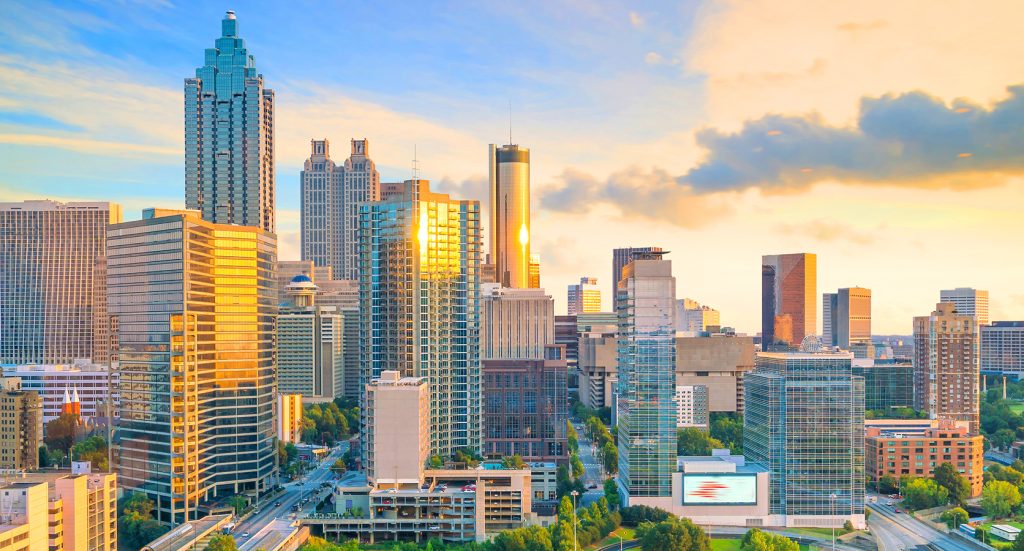
Metropolitan Parkway is a historic Oakland City corridor where transportation heritage, industrial legacy, and neighborhood renewal converge along one of Southwest Atlanta's most influential north-south thoroughfares.
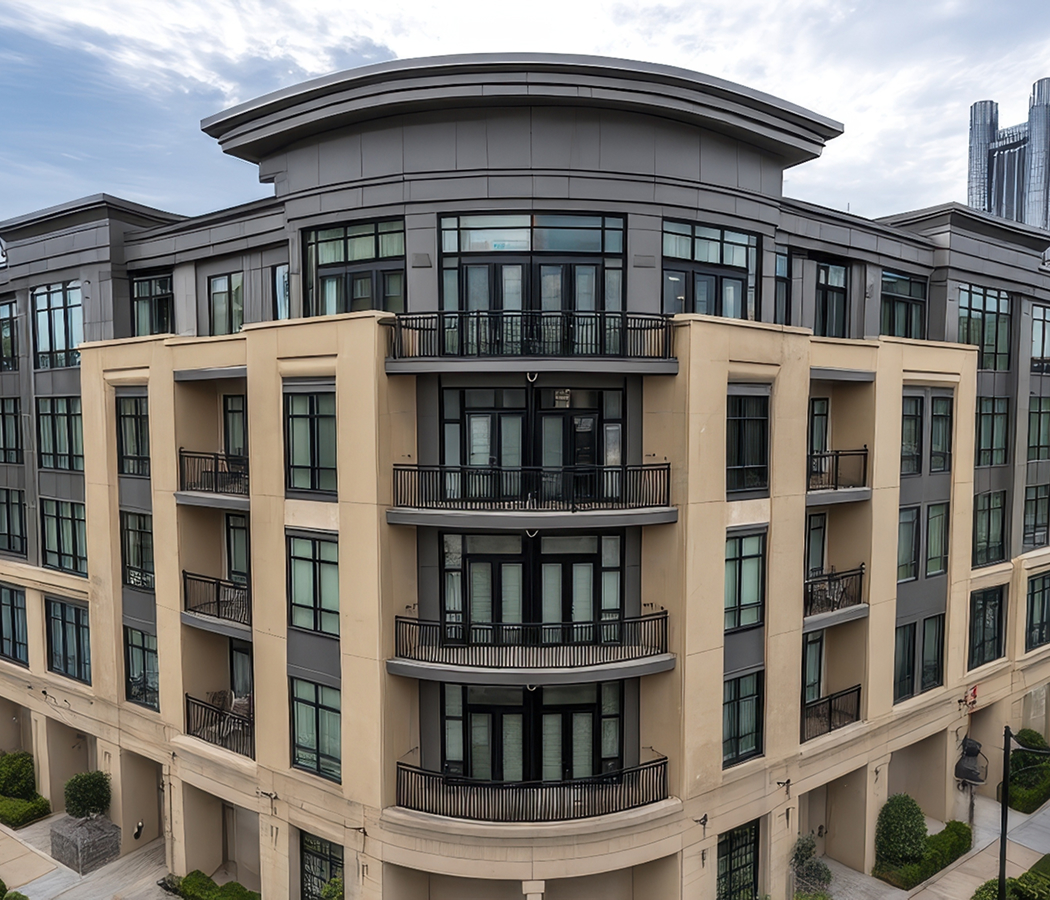
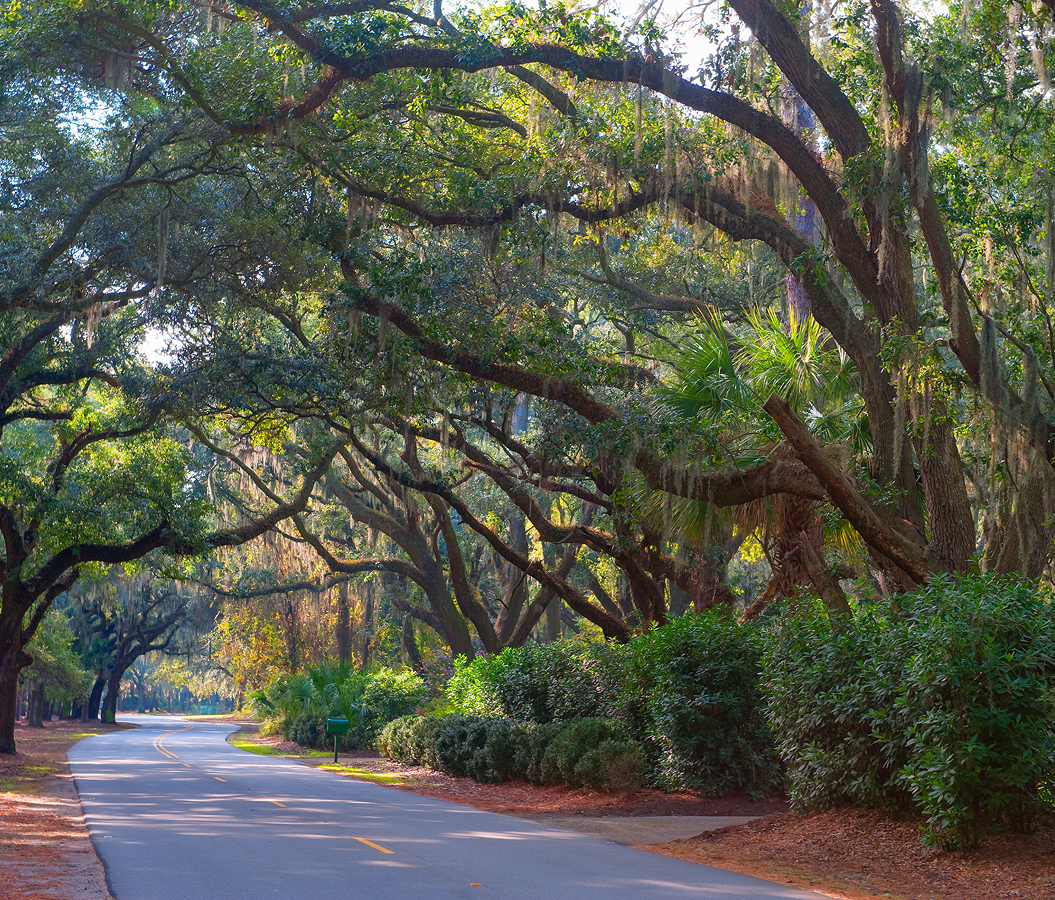
Running through Oakland City between Adair Park and Sylvan Hills, this prominent corridor connects historic commercial districts, neighborhood parks, educational institutions, locally owned businesses, industrial landmarks, and long-established residential communities that have shaped Atlanta's southwest side for generations. Historic storefronts, adaptive reuse projects, mature tree canopies, and evolving mixed-use developments create a streetscape that reflects both the corridor's industrial origins and its continuing revitalization. Originally developed as a principal route linking Atlanta with communities to the south, the roadway has remained central to the city's commercial and residential growth through successive generations. The result is a corridor defined by connectivity, resilience, and enduring urban significance.
What you should know about Metropolitan Parkway.
Metropolitan Parkway is best known for following the historic route of the Old Whitehall Road, among Atlanta's earliest transportation corridors, which became nationally significant during the Battle of Atlanta in 1864 as Union and Confederate forces maneuvered through the surrounding landscape during the campaign that ultimately secured the city.
Long before it became a modern arterial roadway, the corridor connected frontier settlements and agricultural communities with Atlanta's emerging commercial center, serving farmers, merchants, and travelers moving between the city and South Georgia. During the Civil War, the route became strategically important as military supply lines, troop movements, and defensive positions converged around the southern approaches to Atlanta. As the city rebuilt following the war, industries, warehouses, rail facilities, and residential neighborhoods developed along the corridor, transforming it into one of Southwest Atlanta's defining commercial arteries. Today, Metropolitan Parkway preserves a transportation legacy that spans frontier Georgia, the Civil War, industrial expansion, and the continuing revitalization of Atlanta's historic southwest neighborhoods.
How to fold Metropolitan Parkway into your trip.
Metropolitan Parkway works as an exploration of Southwest Atlanta's historic neighborhoods, industrial heritage, and cultural landmarks.
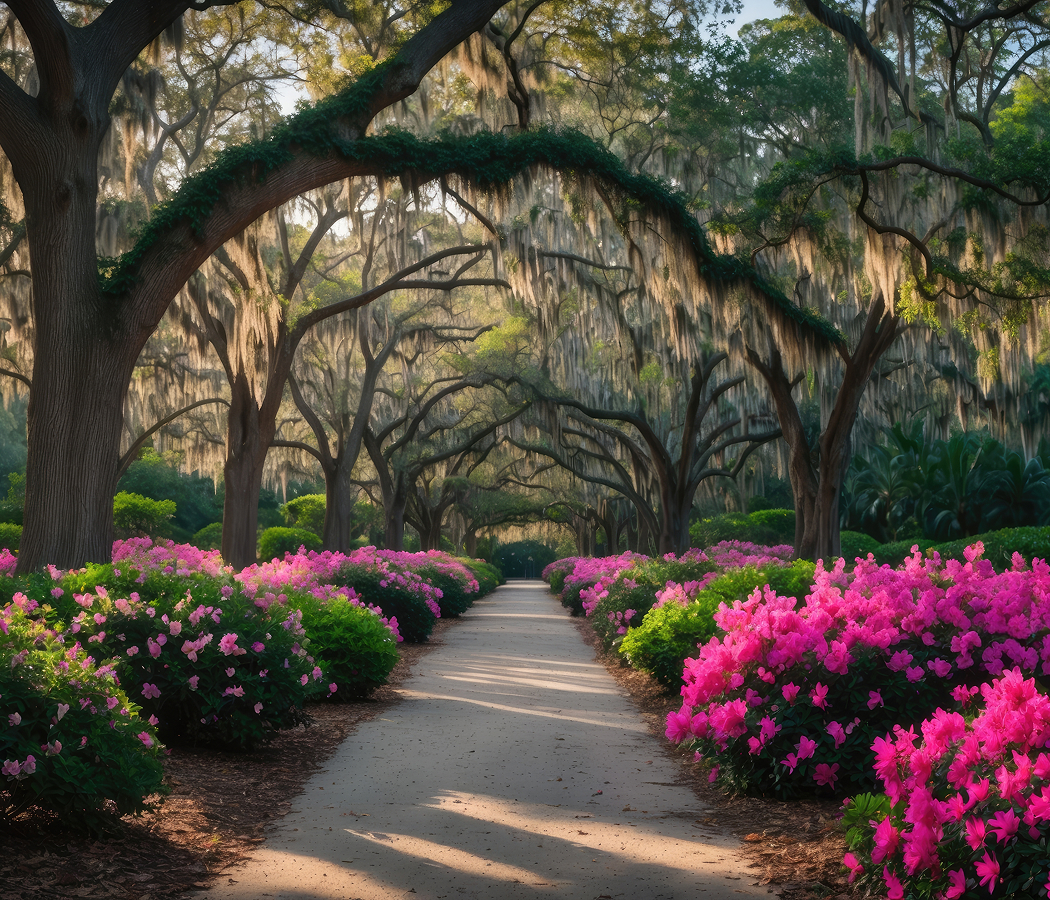
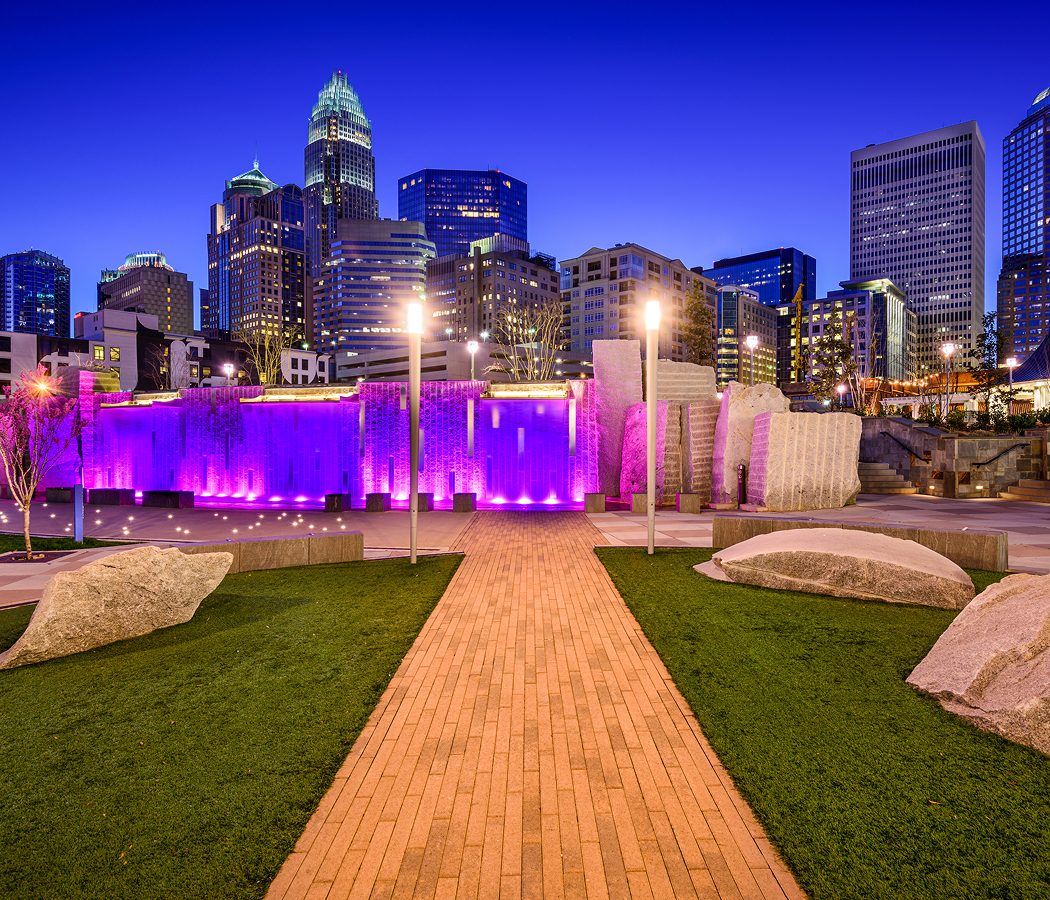
Begin at Atlanta BeltLine Westside Trail, where landscaped pathways and public art immediately introduce the corridor's continuing transformation through neighborhood investment. Continue toward The Wren's Nest, whose beautifully preserved Victorian home provides deeper insight into one of Atlanta's most important literary landmarks. From there, make your way to Perkerson Park, where expansive greenspaces, walking trails, and recreational amenities provide a broader perspective on the community life that continues to define the surrounding neighborhoods. Along the route, you'll encounter historic commercial buildings, neighborhood restaurants, restored industrial properties, welcoming public spaces, and tree-lined streets that demonstrate how Metropolitan Parkway continues to connect Atlanta's transportation history with its evolving urban future. The progression moves naturally from transformative trail to literary landmark to historic neighborhood park, revealing why Metropolitan Parkway remains one of Southwest Atlanta's defining corridors.
Where your story begins.
Foresyte Travel reveals places that feel extraordinary long before you arrive.
Experience premium editorial crafted for luxury travelers.