Why Middleton Place matters.
Middleton Place is a historic Ashley River plantation where Ashley River Historic District's heritage meets America's oldest landscaped gardens, the political influence of the Middleton family and the enduring history of enslaved African Americans who shaped the estate's agricultural and architectural development.
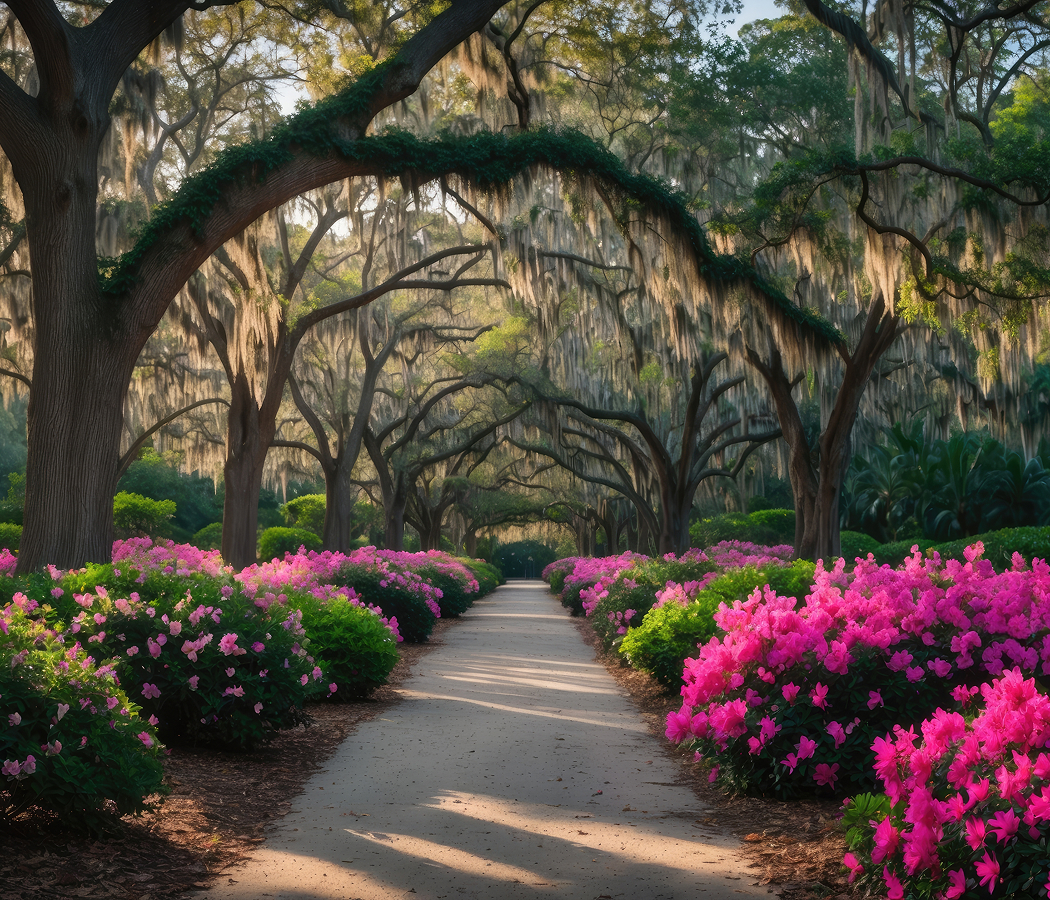
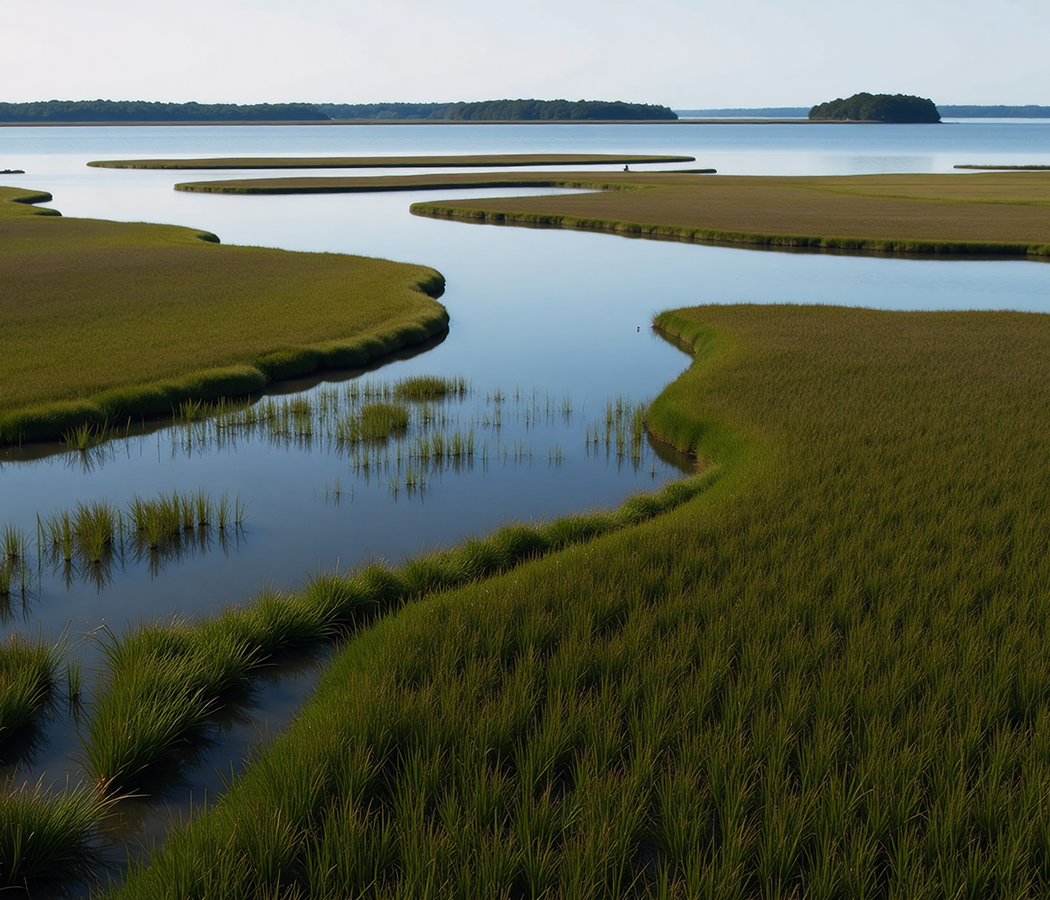
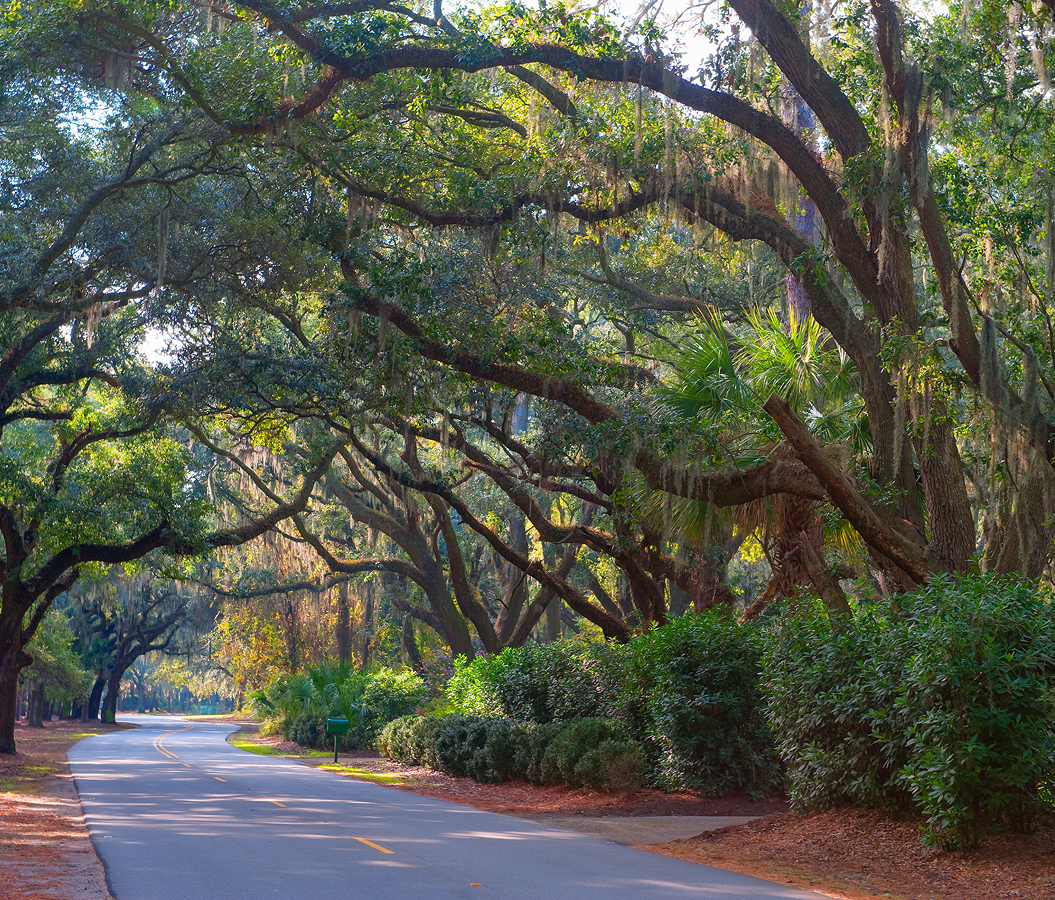
Set along Ashley River Road near the Ashley River and just steps from the forested landscapes of the Ashley River Historic District, the estate occupies an expansive waterfront property northwest of Charleston, where formal gardens descend toward tidal marshes and the river's broad, winding channel. Geometric terraces, sculpted hedges and ornamental pools organize the landscape around a series of carefully engineered water features. Ancient live oaks extend enormous branches above garden paths, with Spanish moss and flowering camellias contributing to the property's distinctive Lowcountry vegetation. The surviving plantation residence and associated outbuildings stand beside landscaped grounds that retain the spatial organization of an eighteenth-century country estate. The result is an exceptionally preserved historic landscape whose formal garden design, riverfront geography and surviving structures reveal the intertwined histories of plantation wealth, artistic ambition and enslaved labor.
What defines Middleton Place.
Middleton Place is best known for its expansive eighteenth-century gardens, developed through the ambitions of the Middleton family and the labor of enslaved Africans and African Americans. The property entered the family in 1741 when Henry Middleton acquired it through his marriage to Mary Williams, whose inheritance included the plantation. Middleton subsequently expanded the estate's gardens, developing a formal landscape influenced by the geometric principles of European garden design. The project required extensive earthmoving, drainage construction and the careful manipulation of the property's riverfront terrain. Enslaved workers excavated ornamental ponds, shaped terraces and maintained the elaborate planting arrangements that established the gardens' distinctive character. Henry Middleton became one of South Carolina's most influential colonial political figures, serving as president of the First Continental Congress in 1774. His son Arthur Middleton subsequently signed the Declaration of Independence in 1776, connecting the family estate with the political transformation of British North America. The plantation's wealth depended heavily on rice cultivation, an agricultural enterprise sustained by the specialized knowledge and forced labor of enslaved Africans. During the American Revolution, British forces occupied and damaged portions of the property, reflecting the conflict's destructive impact on Lowcountry estates. The family subsequently restored its residence and gardens, maintaining Middleton Place as an important agricultural and domestic property. Union troops burned the principal plantation house and its northern wing in 1865, leaving the southern flanker as the estate's surviving residential structure. The Charleston earthquake of 1886 caused further damage to the property, compounding the destruction associated with the Civil War. During the twentieth century, descendant J. J. Pringle Smith and his wife Heningham restored substantial portions of the gardens, renewing the landscape's formal organization and historic plantings. The Garden Club of America recognized Middleton Place in 1941 as the oldest landscaped gardens in America, establishing its national importance within the history of American landscape architecture. The Middleton Place Foundation was established in 1974 to preserve the property and develop its interpretation as a historic cultural institution.
The Butterfly Lakes form one of the gardens' most distinctive architectural compositions, with paired water features arranged to resemble the outstretched wings of a butterfly. Their carefully controlled geometry demonstrates the substantial engineering required to create formal ornamental landscapes within the tidal environment of the Ashley River. The Azalea Hillside introduces a contrasting horticultural composition through masses of flowering shrubs arranged along the sloping garden terrain. Spring blooms transform the hillside through pink, white and red blossoms, creating one of the estate's most celebrated seasonal displays. Camellia collections preserve another important horticultural tradition, including specimens associated with the early introduction of these flowering plants into American gardens. The Middleton Place House Museum occupies the surviving southern flanker, preserving family furnishings, portraits, silver and other objects associated with generations of plantation ownership. Its interiors provide substantial insight into the domestic environment of wealthy Lowcountry families during the eighteenth and nineteenth centuries. Eliza's House, a reconstructed dwelling associated with the plantation's African American community, introduces a necessary examination of the lives of enslaved workers and their descendants. The structure commemorates Eliza Leach, who was born into slavery at Middleton Place and lived into the twentieth century. Interpretive exhibits examine family relationships, skilled trades, agricultural labor and the social structures imposed by slavery. The estate's Stableyards preserve additional connections with plantation work through demonstrations of traditional crafts and agricultural practices. Blacksmithing, carpentry and textile production introduce the specialized knowledge required to sustain a large plantation economy. Heritage-breed livestock contributes to the interpretation of agricultural practices associated with the historic property. Middleton Place's cultural importance emerges through the preservation of its designed landscape alongside an increasingly comprehensive account of the people whose labor created and maintained it.
How Middleton Place fits.
Middleton Place works as the historical anchor for an Ashley River outing connecting Charleston's colonial plantation architecture, the development of American decorative arts and the preservation of Lowcountry riverfront landscapes.
Begin at Drayton Hall, the exceptional eighteenth-century plantation house completed 1742 for John Drayton. Its architecture incorporates a carefully proportioned Palladian composition, reflecting the influence of classical European design on wealthy colonial landowners. The building survived the American Revolution, Civil War and subsequent periods of economic change, preserving substantial portions of its original architectural fabric. Its two-story portico, formal interior rooms and carefully arranged circulation spaces demonstrate the architectural ambitions of South Carolina's colonial elite. The property's interpretation examines the lives of enslaved African Americans whose agricultural labor and skilled craftsmanship sustained the estate. Its preserved grounds and riverfront setting provide important context for understanding the relationship between plantation architecture and the surrounding Lowcountry environment. Continue to Magnolia Plantation and Gardens, the historic estate established in the seventeenth century by the Drayton family along the Ashley River. Its gardens developed into an important example of romantic landscape design during the nineteenth century, emphasizing naturalistic planting arrangements and scenic views across water features. The property became associated with the cultivation of azaleas and camellias, contributing substantially to the horticultural traditions of the American South. Its extensive garden paths, ornamental bridges and wetlands preserve a distinctive relationship between designed landscapes and native Lowcountry ecosystems. The plantation's historical interpretation addresses the lives of enslaved workers and their descendants, including the development of African American communities following emancipation. Conclude at Charles Towne Landing State Historic Site, the preserved location of the first permanent English settlement in South Carolina, established in 1670. The original settlement occupied a peninsula near the confluence of the Ashley River and Old Town Creek, providing access to regional waterways and maritime transportation. English settlers developed defensive earthworks, agricultural plots and early commercial facilities, establishing the foundation for the subsequent growth of Charleston. Archaeological investigations have uncovered substantial evidence of colonial settlement, Indigenous interaction and the early development of the Atlantic plantation economy. The site's interpretive facilities include a reconstructed seventeenth-century trading vessel and a natural habitat zoo presenting animals associated with the region's early colonial environment. Its extensive grounds preserve the wooded and marshland landscapes surrounding the original settlement. The progression moves from Drayton Hall's exceptional colonial architecture through Magnolia Plantation and Gardens' horticultural heritage and culminates at Charles Towne Landing State Historic Site's foundational settlement history, connecting three consequential chapters of the Ashley River's development.
Where your story begins.
Foresyte Travel reveals places that feel extraordinary long before you arrive.
Enjoy editorial crafted for luxury travelers.
Foresyte may earn a commission when you book.