Why Mint Museum Uptown matters.
Mint Museum Uptown is a distinguished art museum where Uptown Charlotte's cultural heritage meets the evolution of American craft, the international development of contemporary design and the collecting ambitions that established North Carolina's first art museum.
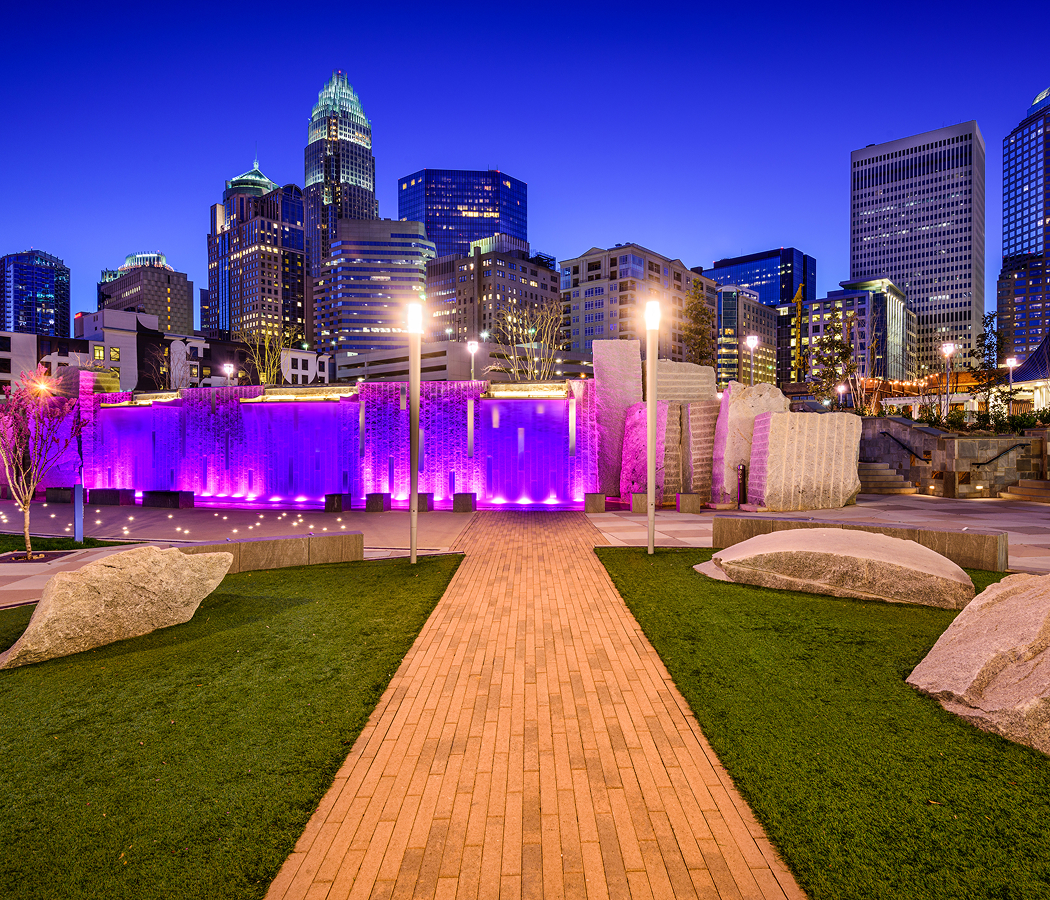
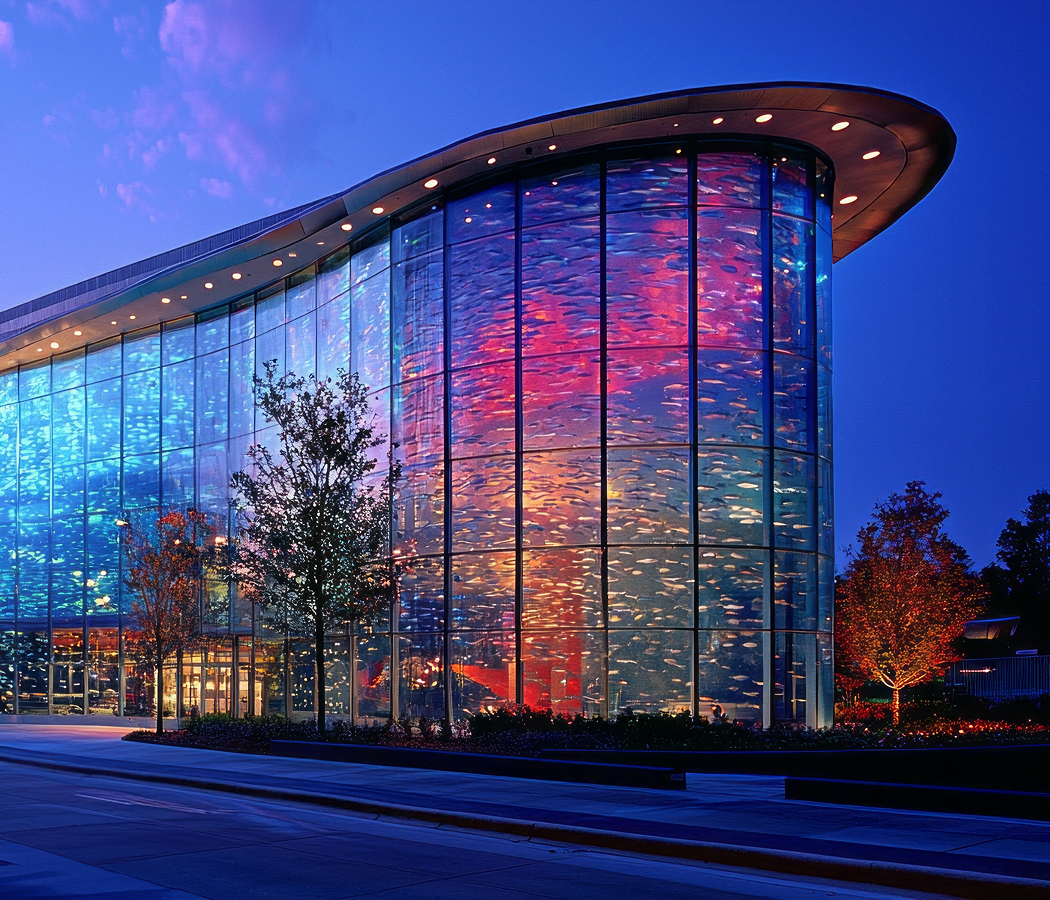
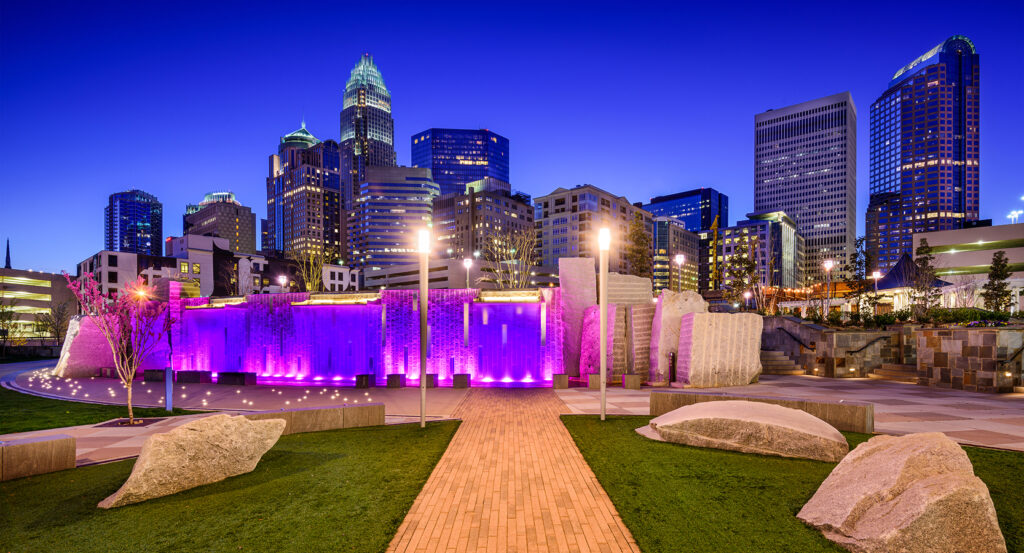
Set along South Tryon Street near West Martin Luther King Jr. Boulevard and just steps from the Knight Theater, the museum occupies a prominent position within Charlotte's Levine Center for the Arts, where contemporary cultural buildings frame a pedestrian-oriented stretch of the central business district. Its five-story structure combines pale masonry, expansive glass surfaces and sharply defined architectural volumes overlooking the surrounding streets. A broad entrance atrium introduces galleries arranged across several floors, with generous circulation spaces connecting exhibition rooms and public gathering areas. Natural light enters through carefully positioned windows, complementing the controlled illumination of the collection galleries. The result is a substantial contemporary museum whose architectural clarity and expansive exhibition spaces establish a major cultural presence in Central Charlotte.
What defines Mint Museum Uptown.
Mint Museum Uptown is best known for its internationally significant collections of craft and design, contemporary art and American painting, which expanded the institutional ambitions of the Mint Museum through a major new cultural facility. The museum's origins reach to 1936, when the Mint Museum of Art opened in the former Charlotte branch of the United States Mint on Randolph Road. The original federal building had been constructed in 1836 to process gold discovered in North Carolina during the region's early nineteenth-century mining boom. Following the closure of the mint, local preservation advocates helped relocate the historic structure and establish it as a public art museum. The institution developed through donations, acquisitions and exhibitions that introduced Charlotte audiences to American and European painting, decorative arts and international artistic traditions. Its collections expanded substantially during the second half of the twentieth century as the city developed into a major financial and commercial center. The establishment of a dedicated craft and design collection strengthened the museum's national position within the study of contemporary decorative arts. The Mint Museum of Craft + Design opened in a separate Uptown location in 1999, creating a specialized institution devoted to ceramics, glass, metalwork, fiber and innovative design. Continued collection growth and the development of Charlotte's cultural district prompted plans for a larger consolidated museum. Machado Silvetti designed the new building as part of the Levine Center for the Arts, incorporating flexible galleries and substantial public circulation spaces. Mint Museum Uptown opened on October 1, 2010, introducing 145,000 square feet of museum facilities. The project reunited major contemporary art and craft collections within a prominent downtown institution. Its opening represented a substantial expansion of Charlotte's cultural infrastructure and strengthened the museum's role within the national arts community.
The Craft + Design Collection forms one of the museum's principal strengths, encompassing objects that examine the relationship between artistic expression, material experimentation and technical craftsmanship. Contemporary ceramics occupy an important position, with vessels and sculptural forms demonstrating developments in glazing, firing and experimental construction. Studio glass introduces another substantial concentration, incorporating works whose manipulation of transparency, color and molten material expanded the artistic possibilities of glassmaking. Metalwork collections examine the development of contemporary jewelry, sculptural objects and functional forms produced through casting, fabrication and other specialized techniques. Fiber art extends the collection into weaving, textile construction and sculptural approaches to traditional materials. The museum's contemporary art holdings include painting, sculpture, photography and mixed-media works associated with significant artistic movements of the twentieth and twenty-first centuries. American art collections introduce important developments in portraiture, landscape painting and artistic responses to the country's changing social and industrial environments. The museum also preserves works associated with North Carolina artists, establishing a substantial connection with the region's creative development. Its galleries accommodate large-scale installations and temporary exhibitions that examine international artistic practices through individual artists and thematic presentations. Educational studios and public programming spaces support workshops, lectures and activities associated with the interpretation of art and design. The museum's relationship with its Randolph Road counterpart creates an institutional connection between historic collections and contemporary artistic production. Mint Museum Uptown's cultural importance rests in the depth of its craft holdings, the breadth of its contemporary collections and its contribution to Charlotte's emergence as a major center for artistic exhibition in the American Southeast.
How Mint Museum Uptown fits.
Mint Museum Uptown works as the artistic anchor for an Uptown Charlotte outing connecting the city's African American cultural heritage, its international modern art collections and the architectural development of its principal cultural district.
Begin at Harvey B. Gantt Center for African-American Arts + Culture, the cultural institution devoted to the artistic achievements and historical contributions of African Americans. The center takes its name from Harvey Gantt, the architect and civic leader who became Charlotte's first African American mayor. Its contemporary building, designed by architect Philip Freelon, incorporates a striking facade inspired by traditional African American quilting patterns. Galleries present exhibitions of painting, photography, sculpture and other artistic media, emphasizing the cultural contributions of African American artists. The institution also maintains connections with the history of Charlotte's former Brooklyn neighborhood, a substantial Black residential and commercial community transformed by twentieth-century urban redevelopment. Continue to Bechtler Museum of Modern Art, the distinguished museum devoted to twentieth-century European and American artistic production. Designed by Swiss architect Mario Botta, the building incorporates a striking terracotta exterior and a dramatic fourth-floor gallery volume extending above the entrance plaza. The museum opened in 2010 to present the collection assembled by the Bechtler family, whose interests encompassed major developments in modern art. Its holdings include works by Alberto Giacometti, Joan Miró, Pablo Picasso and other influential artists associated with twentieth-century European modernism. The collection establishes an important connection between Charlotte's cultural institutions and international artistic movements. Conclude at Knight Theater, the contemporary performance venue developed as part of the Levine Center for the Arts. The theater opened in 2009 and accommodates 1,200 spectators within an auditorium designed for dance, theatrical productions and musical performances. Its stage and technical facilities support a diverse calendar of cultural programming, including performances associated with Charlotte Ballet and other regional arts organizations. The theater's architectural integration with the surrounding cultural district establishes a close relationship between visual art and live performance. Its public spaces and performance facilities contribute to the concentration of major artistic institutions along South Tryon Street. The progression moves from Harvey B. Gantt Center for African-American Arts + Culture's historical and artistic collections through Bechtler Museum of Modern Art's international modernist works and culminates at Knight Theater's performing arts program, connecting three significant dimensions of Charlotte's cultural development.
Where your story begins.
Foresyte Travel reveals places that feel extraordinary long before you arrive.
Enjoy editorial crafted for luxury travelers.
Foresyte may earn a commission when you book.