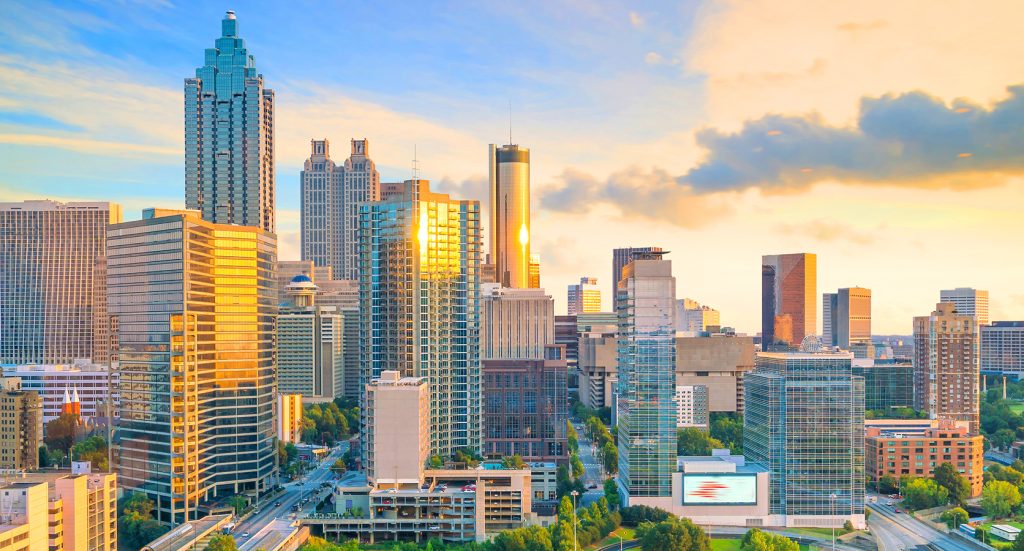
Why Moreland Avenue matters.
Moreland Avenue is a dynamic East Atlanta corridor where historic neighborhoods, cultural diversity, and urban energy converge along one of the city's most influential north-south thoroughfares.
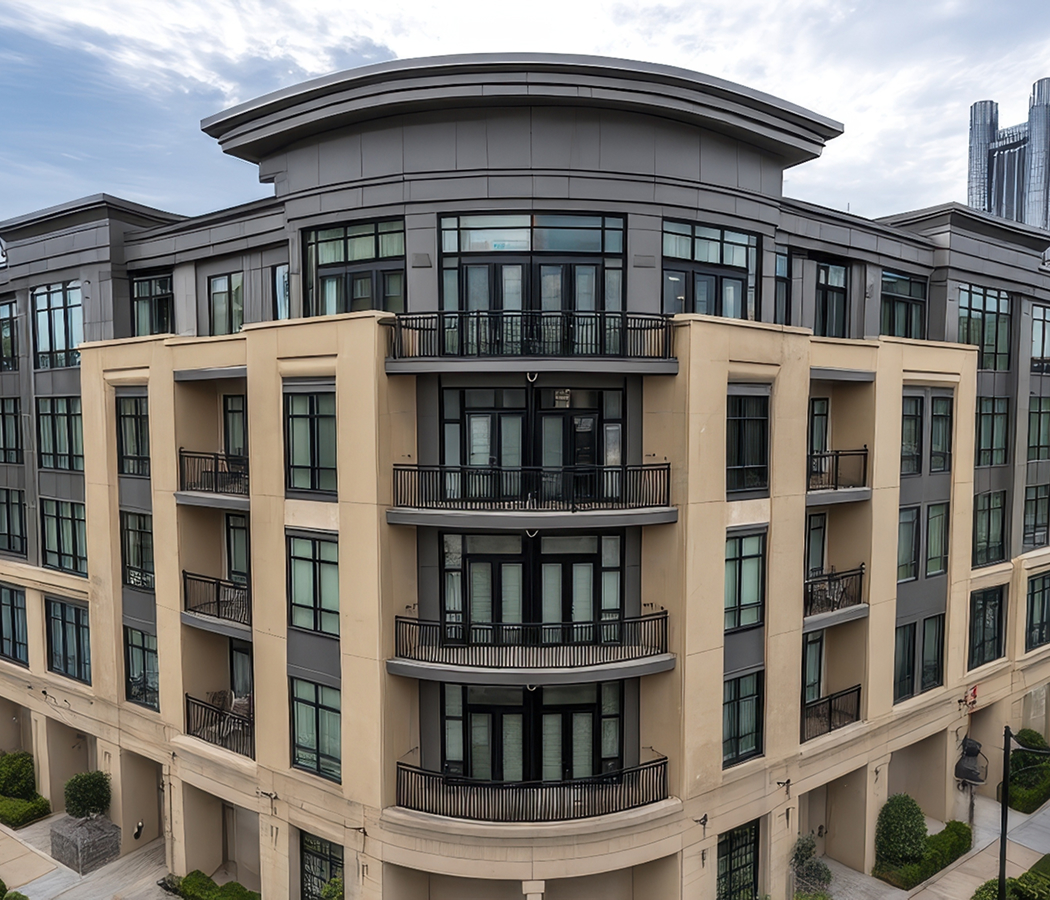
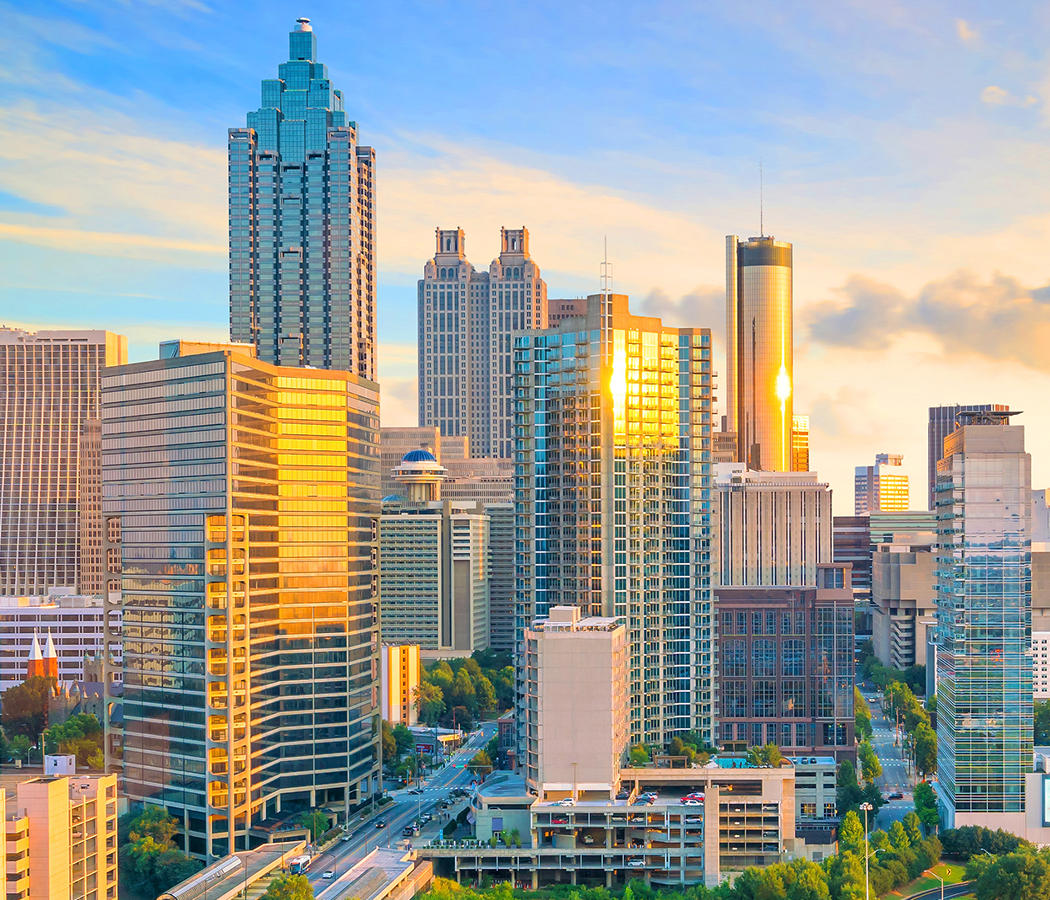
Running through East Atlanta between Little Five Points and East Atlanta Village, this energetic corridor connects eclectic shopping districts, locally owned restaurants, historic neighborhoods, parks, music venues, and longstanding commercial centers that have shaped Atlanta's east side for generations. Independent storefronts, colorful murals, historic commercial buildings, mature tree canopies, and evolving mixed-use developments create a streetscape where creativity and community thrive side by side. As Atlanta expanded beyond its nineteenth-century core, the avenue became a defining connector between distinctive neighborhoods that each developed their own unique character while remaining linked by this enduring corridor. The result is a street defined by diversity, authenticity, and cultural vitality.
What defines Moreland Avenue.
Moreland Avenue is best known for serving as the spine connecting Little Five Points, among the largest and best-preserved commercial historic districts in Atlanta, where more than 120 contributing historic buildings preserve the neighborhood's emergence as a thriving streetcar commercial center during the late nineteenth and early twentieth centuries.
Originally developed around the intersection of several streetcar lines, Little Five Points evolved into one of Atlanta's busiest neighborhood business districts, attracting merchants, theaters, banks, restaurants, and civic institutions that served the city's rapidly growing east side. While many comparable commercial districts were substantially altered during later redevelopment, the neighborhood surrounding Moreland Avenue retained an exceptional concentration of historic architecture that today houses independent bookstores, music venues, vintage retailers, art galleries, cafés, and locally owned businesses. This remarkable continuity has allowed the corridor to preserve both its historic fabric and its reputation as Atlanta's center for independent culture, making Moreland Avenue one of the city's most distinctive streets for experiencing the evolution of neighborhood commerce, preservation, and creative expression.
How Moreland Avenue fits.
Moreland Avenue works as an exploration of East Atlanta's creative culture, historic neighborhoods, and independent spirit.
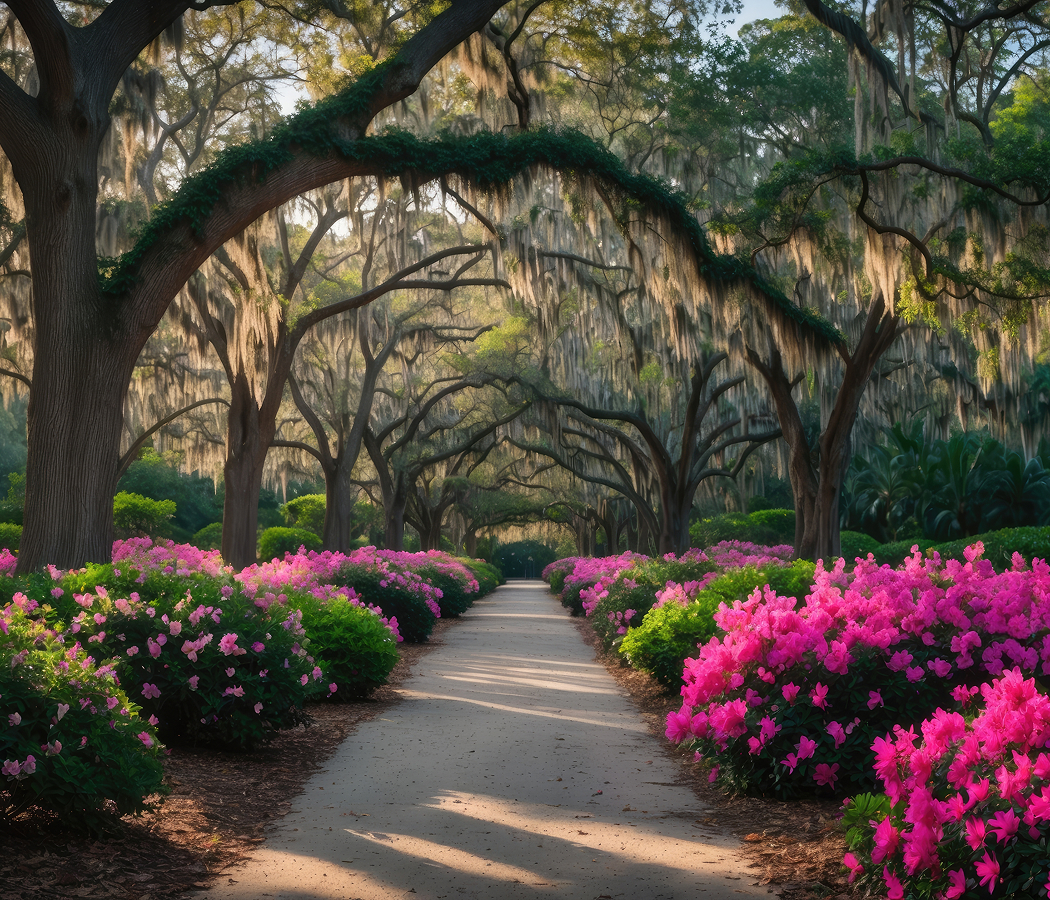
Begin at Little Five Points, where colorful storefronts, independent businesses, and energetic public art immediately establish the corridor's unmistakable character. Continue toward Jimmy Carter Presidential Library and Museum, whose nationally significant exhibitions provide a broader perspective on one of Georgia's most influential political legacies. From there, make your way to Freedom Park, where expansive greenspaces, walking trails, and public art reveal another dimension of the east side's remarkable urban landscape. Along the route, you'll encounter live music venues, neighborhood cafés, historic commercial buildings, boutique retailers, murals, and lively pedestrian spaces that demonstrate how Moreland Avenue seamlessly connects some of Atlanta's most distinctive communities. The progression moves naturally from iconic commercial district to presidential landmark to celebrated urban park, revealing why Moreland Avenue remains one of Atlanta's defining cultural corridors.
Where your story begins.
Foresyte Travel reveals places that feel extraordinary long before you arrive.
Enjoy editorial crafted for luxury travelers.
Foresyte may earn a commission when you book.