Why Bode-Museum matters.
Bode-Museum feels like a time capsule floating on the Spree, a sanctuary where light, stone, and silence conspire to honor the past.
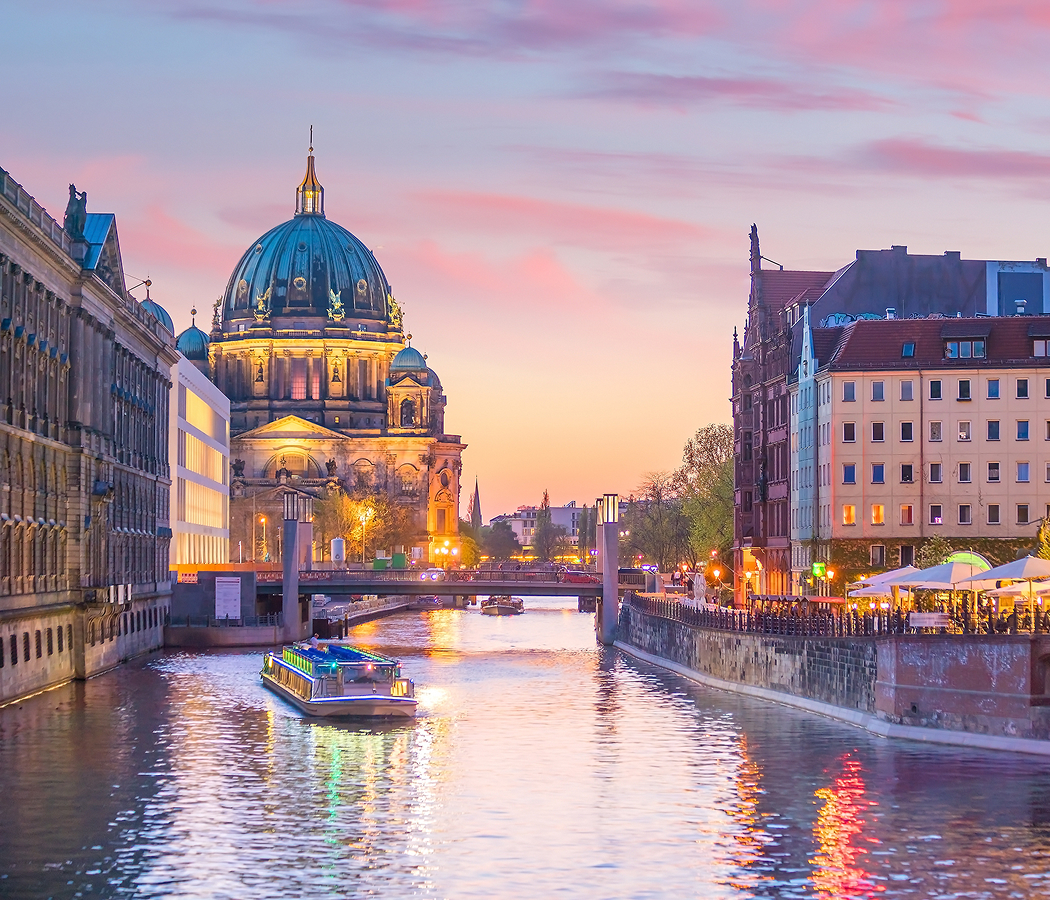
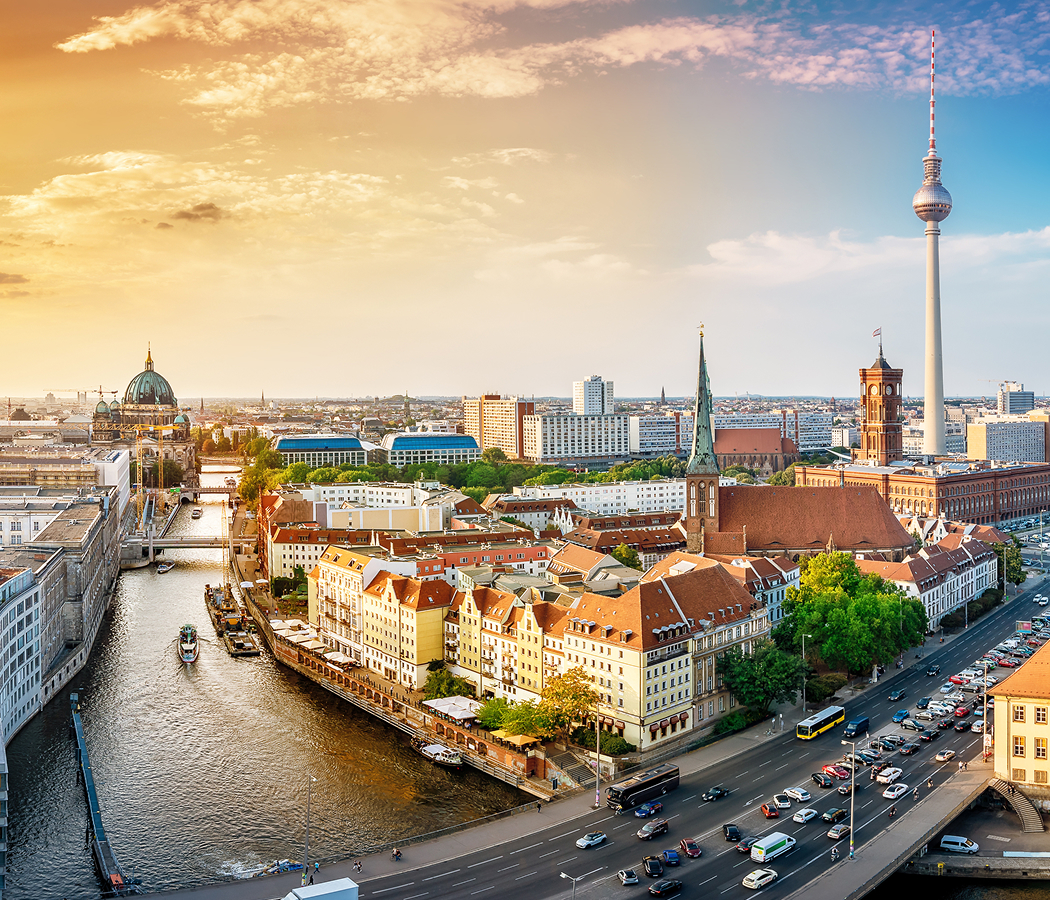
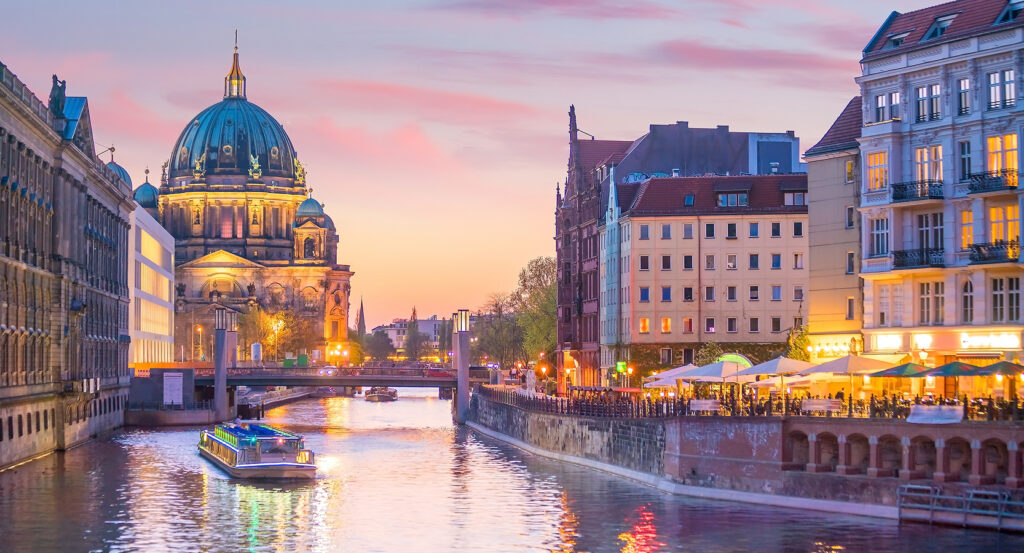
Perched elegantly at the northern tip of Museum Island, its domed silhouette mirrors the river's curve, creating one of Berlin's most poetic vistas. Step through its grand bronze doors, and the world outside dissolves. Marble staircases spiral upward beneath frescoed ceilings, leading into galleries where Renaissance saints, Byzantine mosaics, and Baroque sculptures coexist in serene dialogue. The museum's layout, a sequence of intimate chambers and radiant halls, was designed to feel more like a palace than an institution, inviting you to wander. Its collection, assembled under Emperor Wilhelm II, remains one of Europe's most refined, masterpieces by Donatello, Tilman Riemenschneider, and Antonio Canova whispering across centuries. The Bode isn't a museum you rush through; it's a space you drift within, letting art and architecture weave together into quiet transcendence.
What defines Bode-Museum.
Opened in 1904 as the Kaiser-Friedrich-Museum, Bode-Museum was conceived by its namesake curator Wilhelm von Bode, whose revolutionary vision reshaped how art could be experienced.
Instead of displaying works by period or medium, Bode grouped them by mood and theme, sculptures alongside paintings, coins beside icons, creating conversations across disciplines that felt almost spiritual. The museum's architecture by Ernst von Ihne embodied this philosophy: a blend of Beaux-Arts grandeur and Renaissance harmony, designed to guide emotion as much as intellect. Severely damaged during World War II, the building's dome and galleries were painstakingly restored in the late 20th century, reopening in 2006 with renewed brilliance. Today, it houses three extraordinary collections, Sculpture from the early Middle Ages to the Baroque, the Museum of Byzantine Art, and one of the world's largest Coin Cabinets. Few visitors realize that the Bode also played a role in Cold War intrigue: stolen masterpieces, including a precious Vermeer, once passed through East Berlin's black-market networks before eventually being recovered. The museum stands now not just as a monument to art, but as a triumph over loss, war, and time.
How Bode-Museum fits.
Bode-Museum rewards unhurried discovery, best savored when the morning light filters through its arched windows and dances across marble floors.
Begin with the Byzantine Art collection, where gold icons shimmer in half-light, their stillness anchoring the experience. Move next into the Sculpture Gallery, a breathtaking progression from Gothic woodcarvings to Italian Renaissance masterpieces. Pause before Donatello's Madonna Pazzi, her tenderness distilled in terracotta, then drift toward Canova's neoclassical elegance and Riemenschneider's haunting expressiveness. The Coin Cabinet might seem niche, but it's a quiet gem, a timeline of human civilization told through currency, design, and power. Before you leave, step into the museum's grand staircase beneath its domed ceiling, among Berlin's most majestic interiors, and look out toward the Spree, the Fernsehturm rising in the distance. In that moment, you'll feel the full resonance of Bode-Museum: a discussion between centuries, where every sculpture, shadow, and reflection reminds you that art endures, and so does beauty.
Where your story begins.
Foresyte Travel reveals places that feel extraordinary long before you arrive.
Enjoy editorial crafted for luxury travelers.
Foresyte may earn a commission when you book.