Why you should experience Nichols Park Natural Area in Chicago, Illinois.
Nichols Park Natural Area is a quiet restoration of wildness within the city, a place where native landscape reclaims its rhythm and invites you to slow down long enough to notice it.
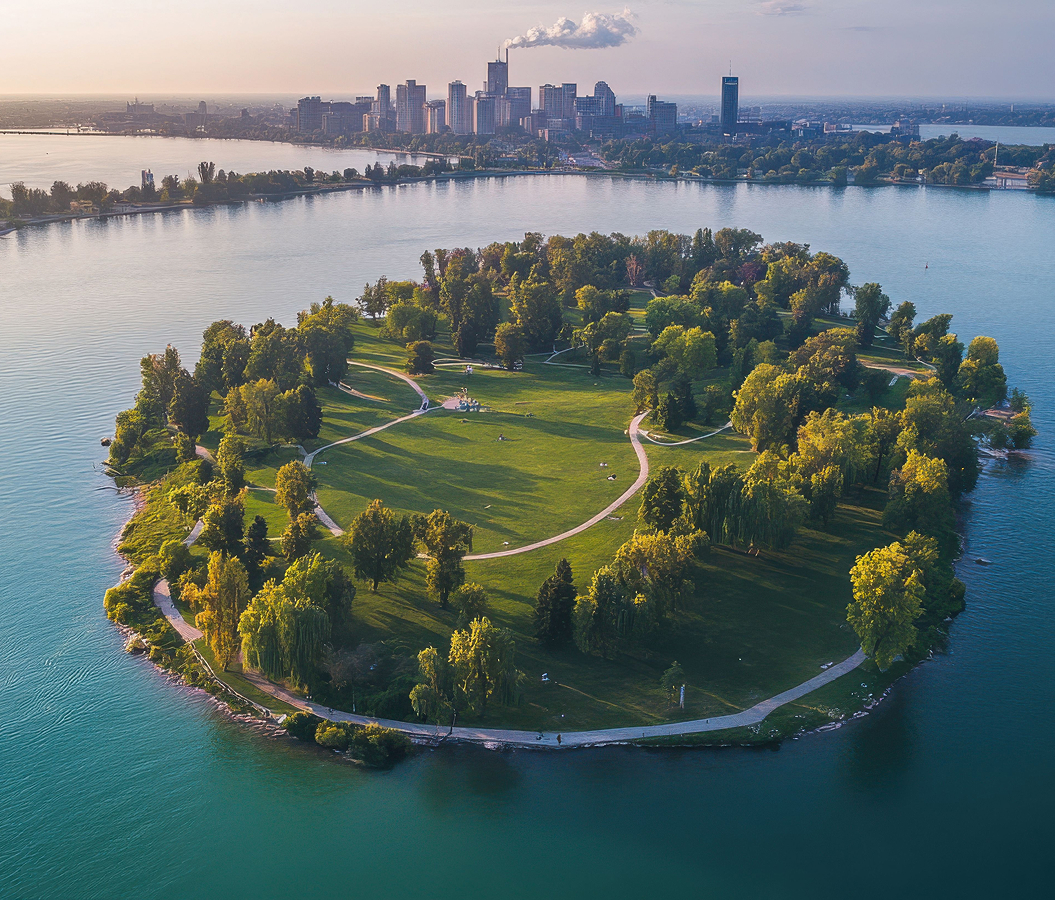
Just east of Washington Park and a short walk from the University of Chicago campus in Hyde Park, this protected green space unfolds with an intentional absence of noise, replacing urban urgency with prairie grasses, pollinator gardens, and the soft movement of wind across open ground. The experience feels subtle at first. There are no grand entrances or dramatic reveals, only a gradual shift in atmosphere as the density of the city loosens its grip. Footpaths guide you gently through pockets of native plantings, where seasonal changes define the color palette, tall grasses in late summer, muted tones in fall, and early blooms that quietly signal renewal. It's a space built for observation rather than performance, where the reward comes not from what's shown, but from what's allowed to exist undisturbed. For those willing to move at its pace, Nichols Park Natural Area offers something increasingly rare in Chicago: a moment of ecological clarity.
What you should know about Nichols Park Natural Area.
Nichols Park Natural Area represents a focused effort to restore native Midwestern ecosystems within an urban structure, prioritizing biodiversity, sustainability, and long-term environmental balance.
Unlike traditional park landscaping, which often favors manicured lawns and ornamental plantings, natural areas like this are intentionally designed to mirror pre-settlement prairie conditions, using species that support local wildlife and require minimal artificial maintenance. Native grasses such as big bluestem and switchgrass form the structural backbone, while wildflowers provide seasonal variation and critical resources for pollinators like bees and butterflies. The result is not just aesthetic, it's functional. These plantings improve soil health, manage stormwater more effectively, and create microhabitats that support birds and insects often displaced by urban development. What makes Nichols Park Natural Area particularly notable is its integration within a broader neighborhood context. It doesn't isolate itself from the city, it coexists with it, offering residents and visitors a living example of how urban spaces can contribute to ecological resilience. The scale may be modest, but the intention is precise, every plant, pathway, and open section contributing to a system designed to sustain itself over time.
How to fold Nichols Park Natural Area into your trip.
Nichols Park Natural Area fits best as a reflective pause, a place you visit when you want to reset your pace and experience a quieter side of the city.
Plan to arrive during daylight hours when the natural textures are most visible, ideally in late spring through early fall when the plant life is fully active and the colors shift week by week. This is not a destination that demands a long stay, but it rewards attention. Walk slowly through the paths, take note of the details, the movement of grasses, the sound of insects, the subtle layering of plant life that changes depending on where you stand. It pairs naturally with time spent in Hyde Park, whether you're exploring nearby museums, campus spaces, or neighborhood cafés, offering a moment of contrast that deepens the overall experience. There's no need to structure your visit heavily. Let it exist as an interlude, something you step into and out of. Nichols Park Natural Area doesn't compete for attention, it simply offers a different way of holding it.
Where your story begins.
Foresyte Travel reveals places that feel extraordinary long before you arrive.
Experience premium editorial crafted for luxury travelers.