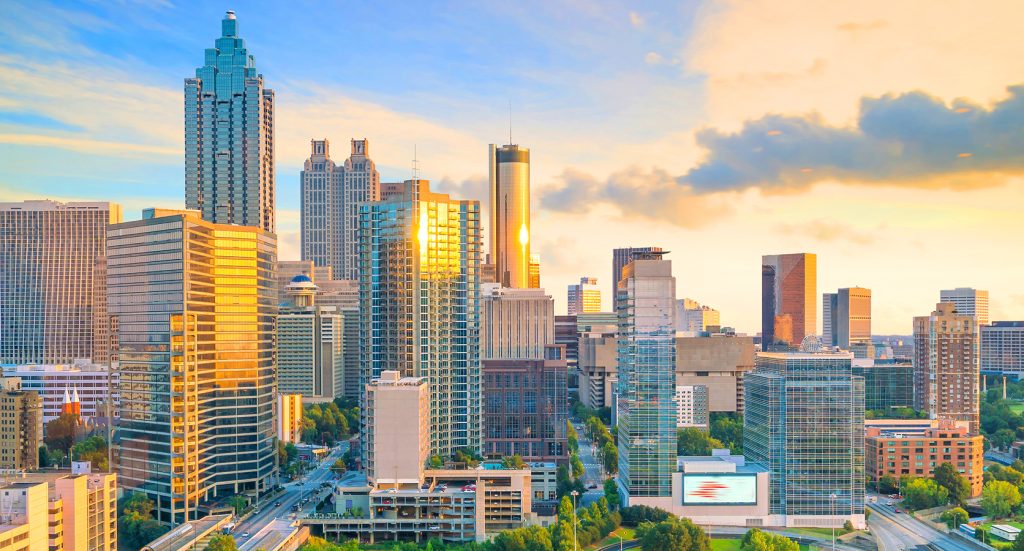
Why you should experience Peters Street in Atlanta, Georgia.
Peters Street is a historic Castleberry Hill corridor where industrial heritage, artistic reinvention, and entrepreneurial energy converge along one of Downtown's most influential streets.
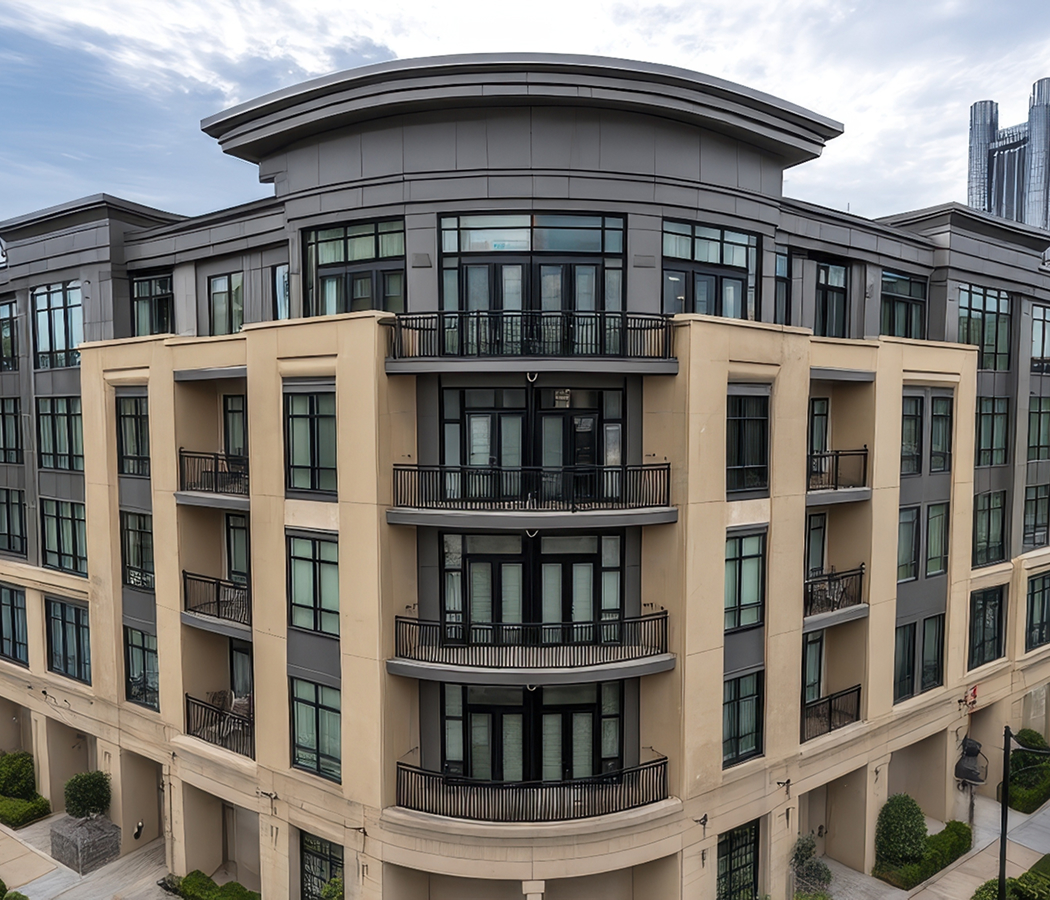
Running through Castleberry Hill between Downtown and Mechanicsville, this character-rich corridor connects restored warehouses, acclaimed restaurants, contemporary art galleries, creative workspaces, entertainment venues, and historic brick storefronts that have shaped the neighborhood's remarkable transformation. Preserved industrial architecture, adaptive reuse projects, murals, and active pedestrian spaces create a streetscape where Atlanta's railroad-era foundations continue to define its modern creative identity. Once serving warehouses and wholesale businesses that fueled the city's commercial growth, the corridor now attracts artists, entrepreneurs, and visitors seeking one of Atlanta's most distinctive urban environments. The result is a street defined by preservation, creativity, and continual reinvention.
What you should know about Peters Street.
Peters Street is best known for honoring Richard Peters, the railroad executive whose leadership helped transform Atlanta into the South's preeminent railroad hub, while the surrounding warehouse district evolved into one of the city's largest concentrations of late nineteenth- and early twentieth-century industrial architecture, earning Castleberry Hill Historic District designation on the National Register of Historic Places in 1985.
As president of the Atlanta & West Point Railroad and a major investor in Atlanta's post-Civil War growth, Peters played a pivotal role in expanding the rail infrastructure that fueled the city's emergence as the commercial capital of the Southeast. The warehouses lining the corridor stored and distributed goods arriving by rail, creating a thriving industrial district whose sturdy brick buildings survived long after manufacturing declined. Preservation efforts during the late twentieth century transformed these former warehouses into galleries, studios, restaurants, lofts, and creative businesses, allowing the corridor to retain its industrial character while becoming one of Atlanta's most celebrated arts districts. Today, Peters Street remains a living reminder of the railroad economy that built modern Atlanta and the adaptive reuse movement that reshaped its historic core.
How to fold Peters Street into your trip.
Peters Street works as an exploration of Downtown's industrial heritage, creative culture, and architectural preservation.
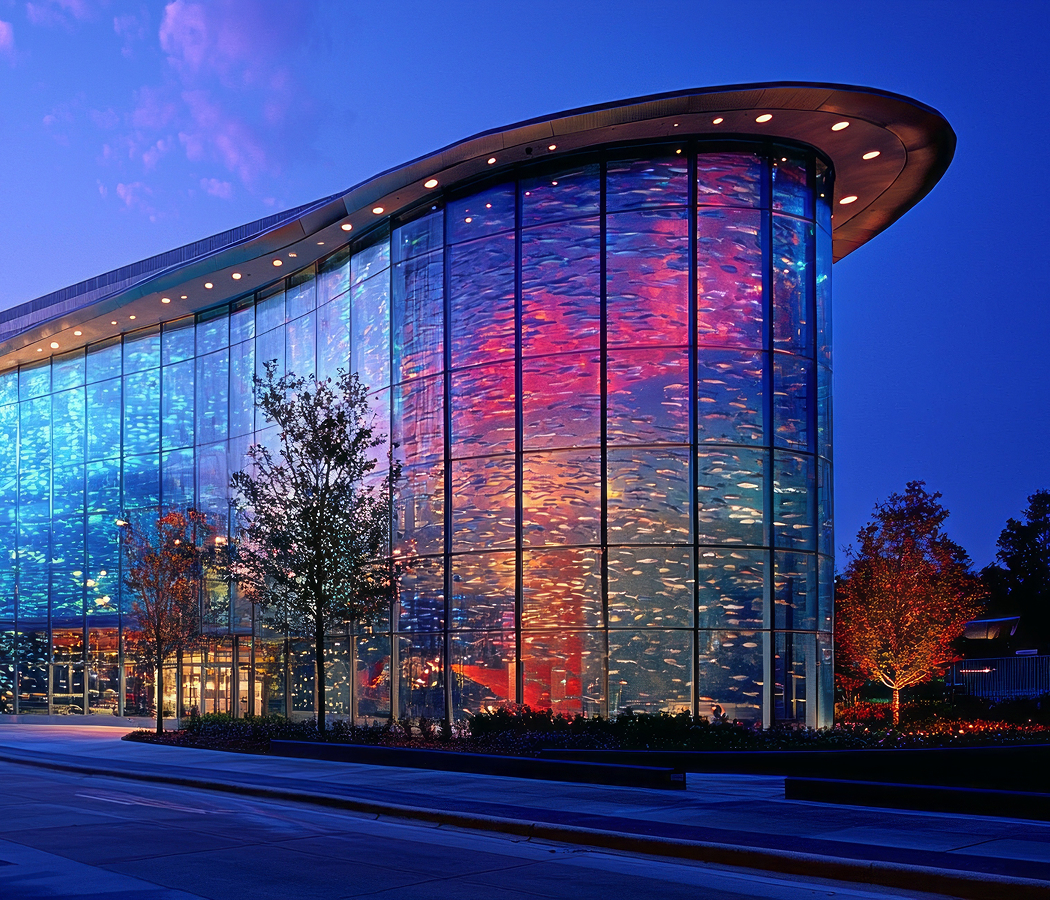
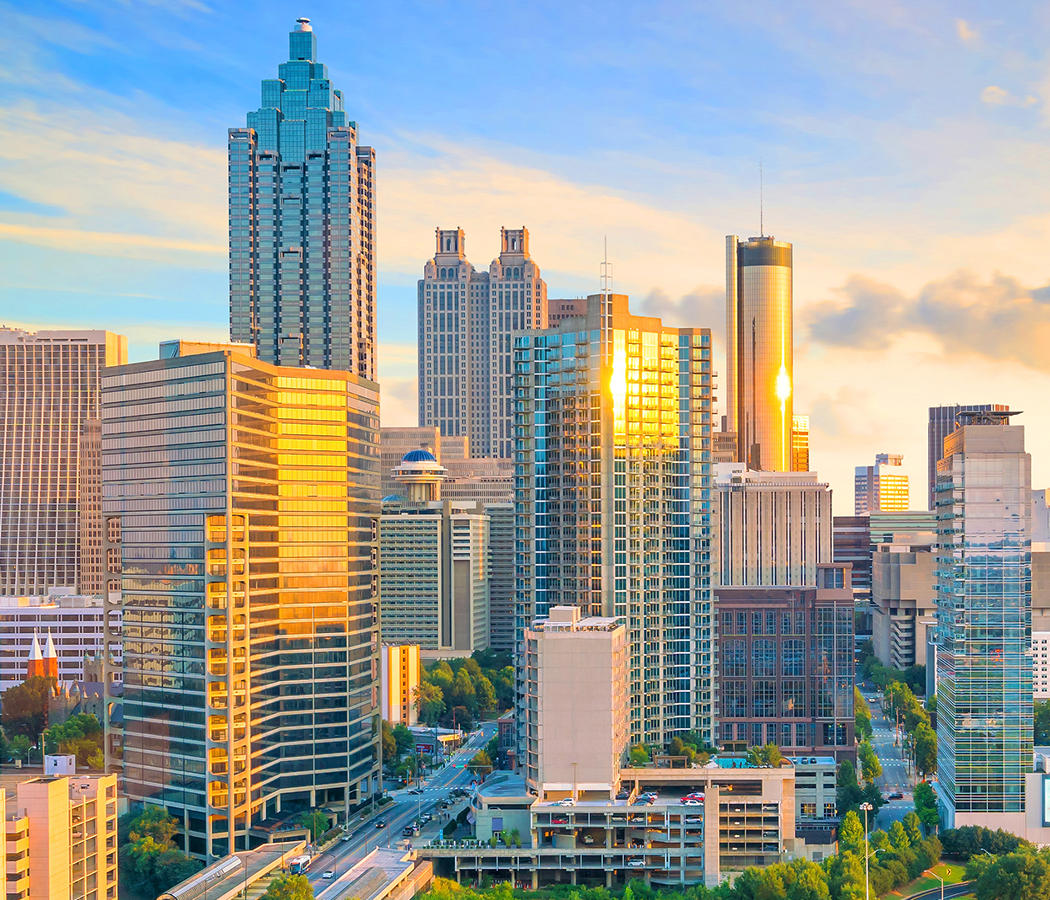
Begin at Castleberry Hill Historic District, where beautifully preserved warehouse buildings immediately establish the corridor's industrial legacy. Continue toward Mercedes-Benz Stadium, whose bold contemporary architecture provides a dramatic contrast while illustrating the neighborhood's continuing evolution. From there, make your way to The Gulch, where one of Atlanta's largest redevelopment areas offers a broader perspective on the city's ongoing transformation. Along the route, you'll encounter converted loft buildings, contemporary galleries, chef-driven restaurants, colorful murals, and inviting public spaces that demonstrate how Peters Street seamlessly connects Atlanta's railroad heritage with its modern creative economy. The progression moves naturally from preserved industrial district to iconic sports venue to transformative redevelopment corridor, revealing why Peters Street remains one of Downtown's most compelling streets.
Where your story begins.
Foresyte Travel reveals places that feel extraordinary long before you arrive.
Experience premium editorial crafted for luxury travelers.