Why you should experience Praya Palazzo in Bangkok, Thailand.
Praya Palazzo is Bangkok experienced as historical elegance and riverside sanctuary, where 19th-century Italianate architecture, storied lineage, and a river-anchored rhythm create a stay that feels cultured, intimate, and deeply rooted in place.
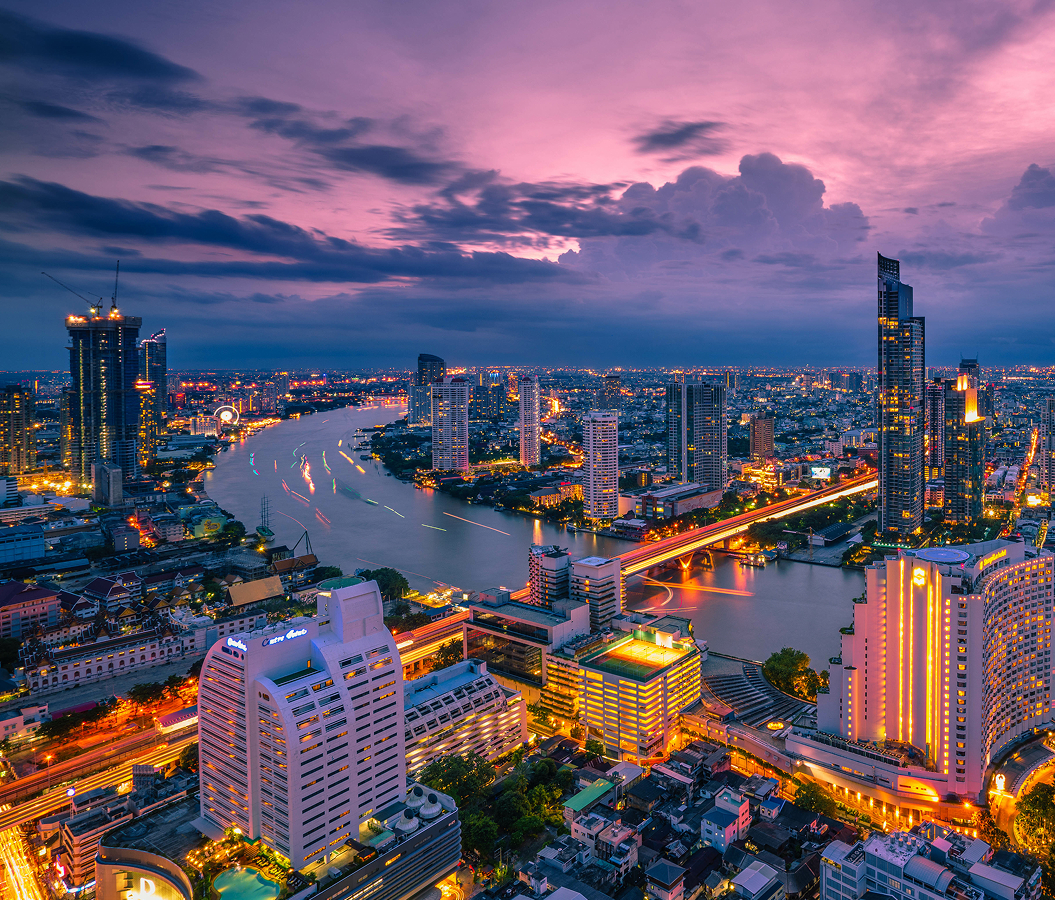
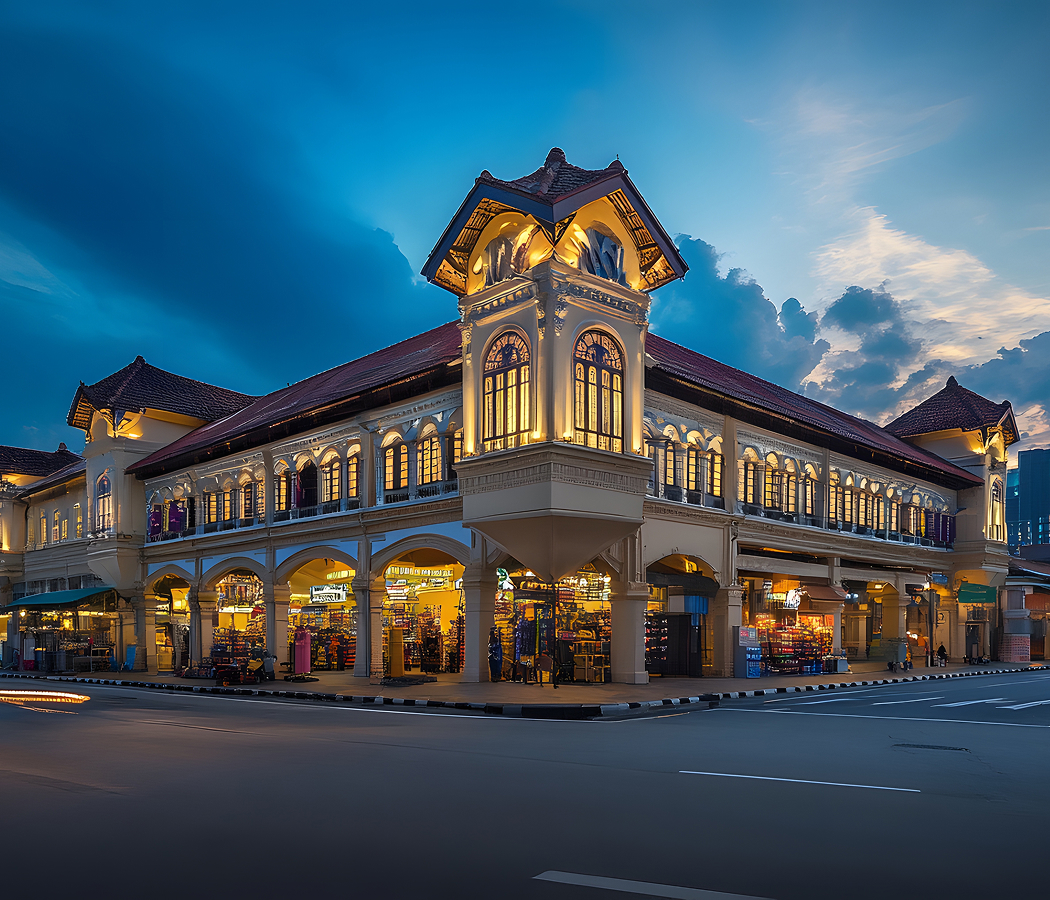
This is not a hotel that competes with Bangkok's frenetic pulse, it reframes it. Set along the Chao Phraya River within the historic Talat Noi neighborhood, Praya Palazzo reads as a cultivated residence. Arrival immediately softens the city's sharp edges. Streets here carry the texture of lived human rhythm, shop houses, narrow alleys, ferries docking, elders conversing in shade, yet as soon as you step onto the property, a different aesthetic takes hold: old-world balance structured around sky, water, and calm proportion. The hotel's façade does not shout; it commands attention by being unexpected, a graceful white edifice with arches, colonnades, and layered terraces that feel as if transplanted from another Mediterranean shore yet anchored by the river's own logic. Entering the lobby feels like crossing into a private world shaped by history. The interiors are composed with restraint, favoring tactile materials, crafted detail, and spatial quiet that guide sightlines outward toward the river and gardens. Check-in unfolds without fuss, conducted with attentive professionalism that respects silence as much as comfort. Public spaces throughout the hotel reinforce this sense of refined calm. Lounges are arranged as living rooms with purpose, comfortable yet composed, inviting engagement. Seating areas face water and sky, not hallways or signage. Materials such as hand-tiled floors, warm plasters, and sculpted wood reinforce texture and tactility. Movement through the property feels intuitive and personal, as though the building itself understands it only exists to support presence. Guest rooms continue this narrative of elevated domesticity. Rooms are shaped by proportion and balance, not performance. They are generously scaled but not overstated, designed for guests to inhabit fully. Beds are deeply comfortable, layered with fine linens and positioned to maximize light, silence, and view. Furnishings are bespoke and thoughtfully selected, blending modern clarity with echoes of heritage architecture. Lighting is soft and adaptive, bright when needed, soothing at night. Windows and balconies frame the river, gardens, or quiet streets, anchoring the room in geography. Sound is managed to support recovery: water movement outside registers as rhythm rather than intrusion, while the interior remains thoughtful and calm. Dining at Praya Palazzo is inseparable from its riverside identity. Meals unfold with water in view and breeze in presence, making each course feel like part of the hotel's architectural narrative. The culinary offering emphasizes seasonal clarity, balance, and respect for place, supported by staff who understand timing and pacing as essential elements of hospitality. Dining here feels modelled on dinner as human exchange.
What you should know about Praya Palazzo.
Praya Palazzo is best known for a philosophy of heritage immersion, where architectural continuity, material presence, and spatial restraint are elevated above trend or novelty.
The hotel inhabits buildings with over a century of history, and its design preserves original proportions, materials, and circulation logic wherever possible. Public areas are arranged to reduce physical load while emphasizing views, light, and material authenticity. Guest rooms follow a deliberate spatial hierarchy, rest, reflection, and quiet observation, ensuring that each space supports purpose. Materials are chosen for tactility and aging potential, allowing spaces to deepen in presence over time. Service culture reflects similar principles: staff are trained to prioritize precision, timing, and discretion, enabling interactions that feel responsive and human. The hotel operates as a cohesive environment rather than a collection of isolated moments, enabling a consistent sense of atmosphere regardless of occupancy or season. The result is an environment that feels grounded, personally inviting, and emotionally stable, offering Bangkok as a place of depth and nuance.
How to fold Praya Palazzo into your trip.
Praya Palazzo works best when you allow it to anchor your experience in history and presence.
Begin your mornings with simple orientation, sit by the river, watch the light shift across water, and let calm establish your perspective before engaging the city. Use the hotel as a base for measured exploration: wander historic neighborhoods, cross the river by ferry to cultural hubs, and return midday for rest, reading, or observation. Afternoons can unfold organically, museum visits, café discoveries, or slow neighborhood walks. Evenings are ideal for riverside dining or quiet reflection, allowing the day to settle. On departure, the experience concludes gently rather than abruptly, leaving you with the sense that you moved through Bangkok with presence rather than pace, supported by a place that understands history, texture, and rhythm as the deepest forms of immersion.
Where your story begins.
Foresyte Travel reveals places that feel extraordinary long before you arrive.
Experience premium editorial crafted for luxury travelers.