Why Prenzlauer Berg matters.
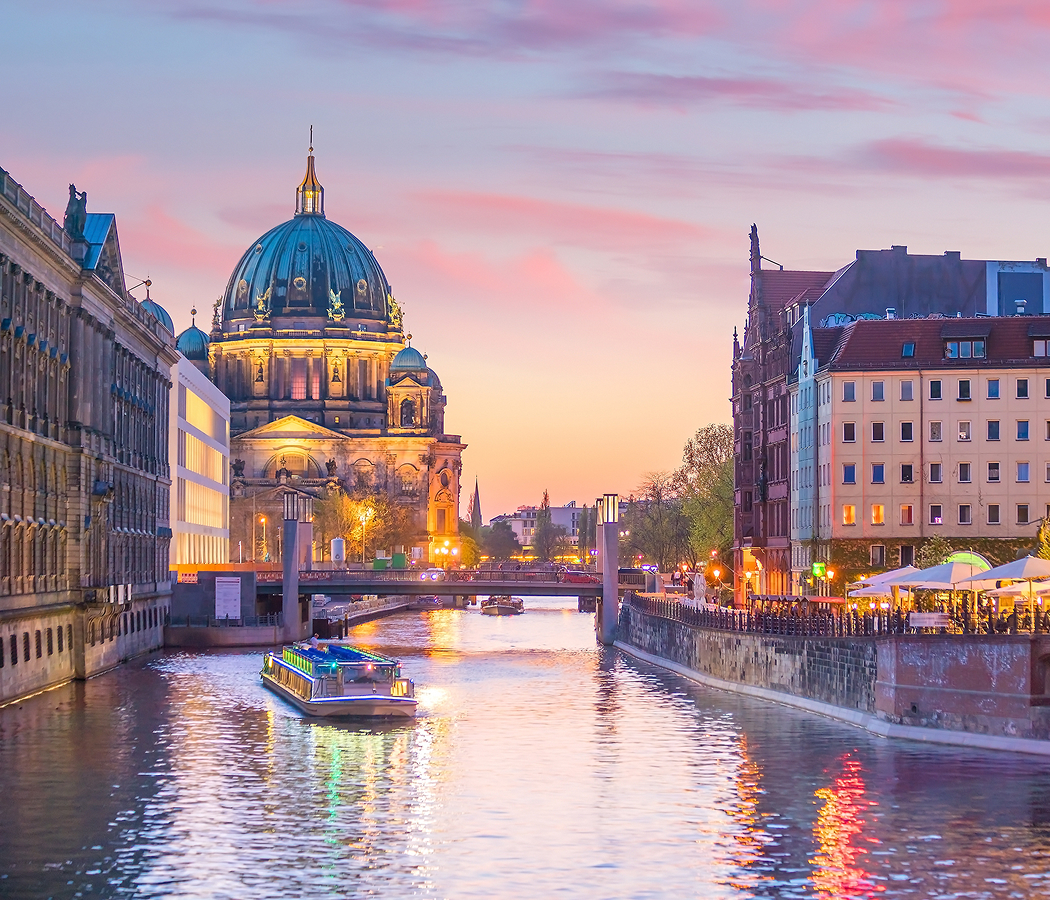
Prenzlauer Berg is Berlin's neighborhood of creative revival, where beautifully restored architecture, energetic café culture, leafy boulevards, family-friendly plazas, and artistic energy come together in one of the city's most beloved districts.
Located just northeast of the historic center, the neighborhood unfolds through elegant nineteenth-century apartment blocks, independent bookstores, thriving markets, neighborhood cafés, public squares, and cultural venues that reflect Berlin's remarkable transformation since reunification. Artists, entrepreneurs, young families, students, and longtime residents have helped shape a district known for balancing creativity with everyday livability. The area's architectural preservation and pedestrian-friendly streets create an atmosphere that feels both sophisticated and approachable. Along the border of neighboring Weißensee, quieter residential communities and cultural spaces extend beyond the district's lively core, reinforcing Prenzlauer Berg's reputation as one of Berlin's most desirable neighborhoods.
What defines Prenzlauer Berg.
Prenzlauer Berg is best known for being the epicenter of Berlin's post-reunification cultural renaissance, transforming from a neglected East Berlin district into one of Europe's most influential examples of urban regeneration.
During the decades of East German rule, much of the neighborhood's historic housing stock fell into disrepair despite its extraordinary architectural character. Following the fall of the Berlin Wall in 1989, artists, activists, entrepreneurs, and young residents moved into the district, attracted by affordable rents and abundant creative space. The area quickly became a center of cultural experimentation, independent businesses, and social change, helping define Berlin's global reputation as a creative capital. Over time, extensive restoration projects preserved its historic architecture while supporting new residential and commercial growth. Few neighborhoods have played such a visible role in shaping the character of modern Berlin.
How Prenzlauer Berg fits.
Prenzlauer Berg is an ideal centerpiece for a day spent exploring Berlin's creative culture, historic architecture, and neighborhood life.
Begin at Kollwitzplatz, where cafés, local markets, and tree-lined streets provide an introduction to the district's relaxed atmosphere before setting out to explore its surrounding neighborhoods. From there, wander through independent boutiques, cultural venues, and public spaces before continuing toward some of the area's most celebrated landmarks. Mauerpark, Kulturbrauerei, and the Berlin Wall Memorial all sit within easy reach, creating a natural progression between contemporary community life, industrial heritage, and one of the city's most important historical sites. As the afternoon unfolds, the neighborhood rewards exploration with hidden courtyards, local bakeries, restored façades, and lively public squares that reveal why Prenzlauer Berg remains so popular among Berliners. Prenzlauer Berg fits naturally into that rhythm of discovery, serving as both a symbol of Berlin's reinvention and one of its most enjoyable neighborhoods to experience.
Where your story begins.
Foresyte Travel reveals places that feel extraordinary long before you arrive.
Enjoy editorial crafted for luxury travelers.
Foresyte may earn a commission when you book.