Why you should experience Bale Kulkul in Indonesia.
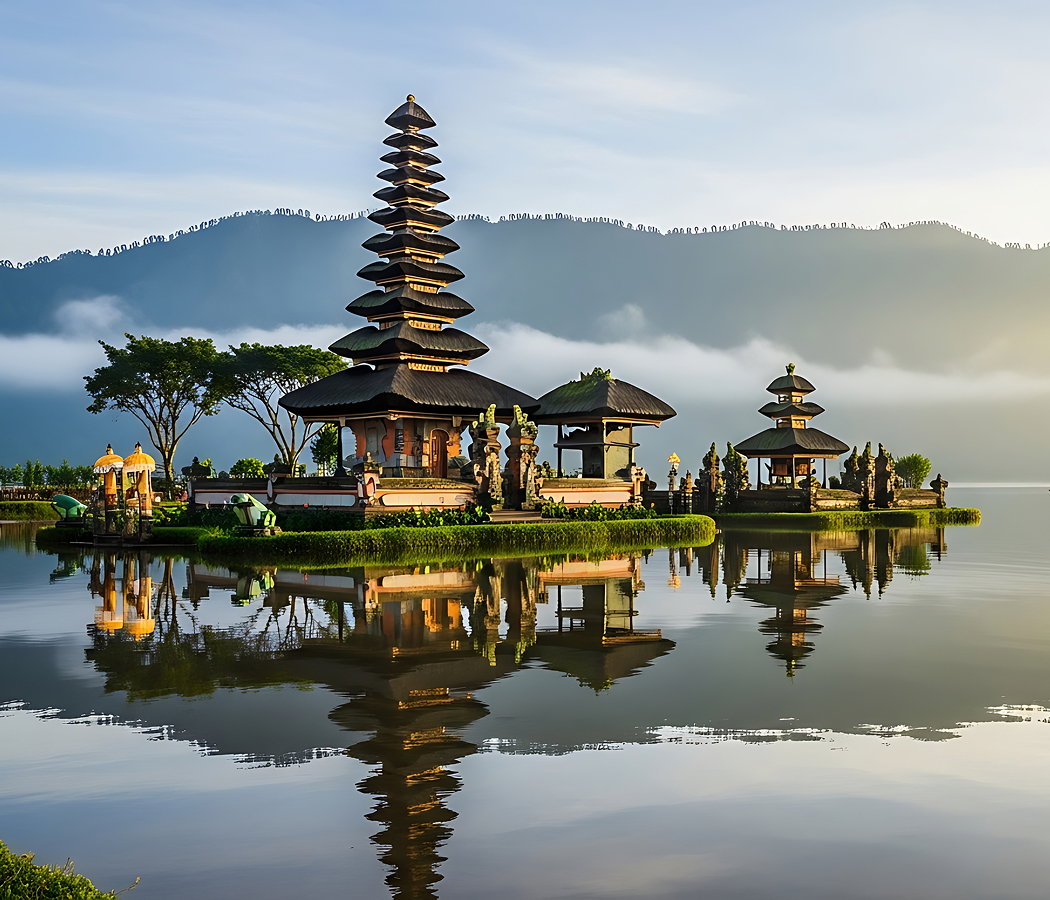
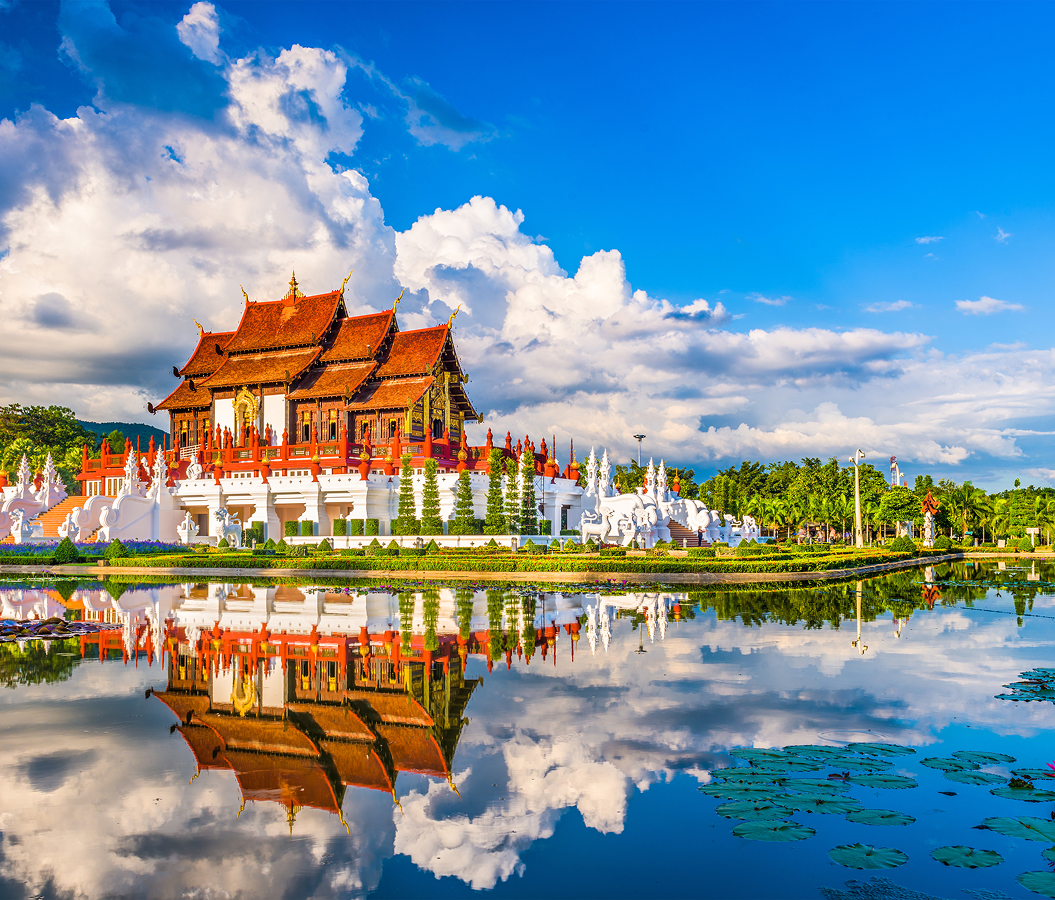
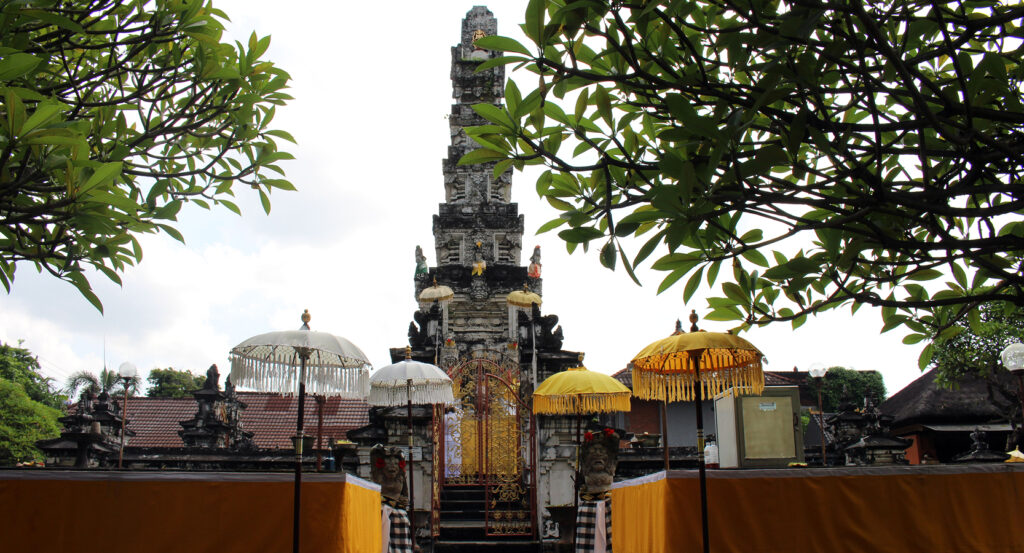
The Bale Pavilion at Pura Jagatnatha in Denpasar is where the sacred and the social converge, a tranquil stage for ceremony, reflection, and connection.
Open-sided and gracefully elevated on carved stone steps, the pavilion is crowned with a tiered thatched roof that catches the tropical breeze and diffuses the golden light of Bali's sun. The word bale means “open hall,” yet what unfolds within it feels far deeper than architecture. Polished wooden columns, etched with floral patterns and wrapped in gold and red fabric, frame a space that feels both regal and intimate. During temple ceremonies, priests chant here, devotees kneel in prayer, and offerings of flowers and fruit line the floor like living mosaics of devotion. Outside of rituals, the pavilion becomes a quiet gathering place, where elders tell stories, musicians tune their gamelan, and the heartbeat of the temple finds its rhythm. To sit within the Bale Pavilion is to witness the poetry of Balinese life itself, serene, reverent, and harmoniously intertwined with the divine.
What you should know about Bale Kulkul.
The Bale Pavilion is more than a resting place, it is an essential architectural and spiritual element in every Balinese temple complex.
Its design follows ancient cosmological principles rooted in Asta Kosala Kosali, the traditional Balinese system of sacred geometry. The height, width, and direction of each column are aligned with the temple's orientation toward Mount Agung, symbolizing humanity's connection to the gods. The pavilion's open walls signify honesty and transparency before the divine, while its raised platform represents elevation of thought and spirit. At Pura Jagatnatha, this Bale serves multiple functions: during festivals, it becomes a ceremonial stage for recitations of kidung (holy hymns); during full moons, it transforms into a meditation hall where monks lead prayers that echo through the temple grounds. The pavilion's beams, carved from aged teak, were sourced from ancestral groves and blessed before construction, a ritual believed to infuse the structure with spiritual energy. Few realize that even the woven alang-alang roof is replaced ceremonially every few years, representing renewal and the cyclical nature of existence.
How to fold Bale Kulkul into your trip.
Visit the Bale Pavilion during a calm morning or just before dusk, when the air is cool and incense wafts through the courtyard.
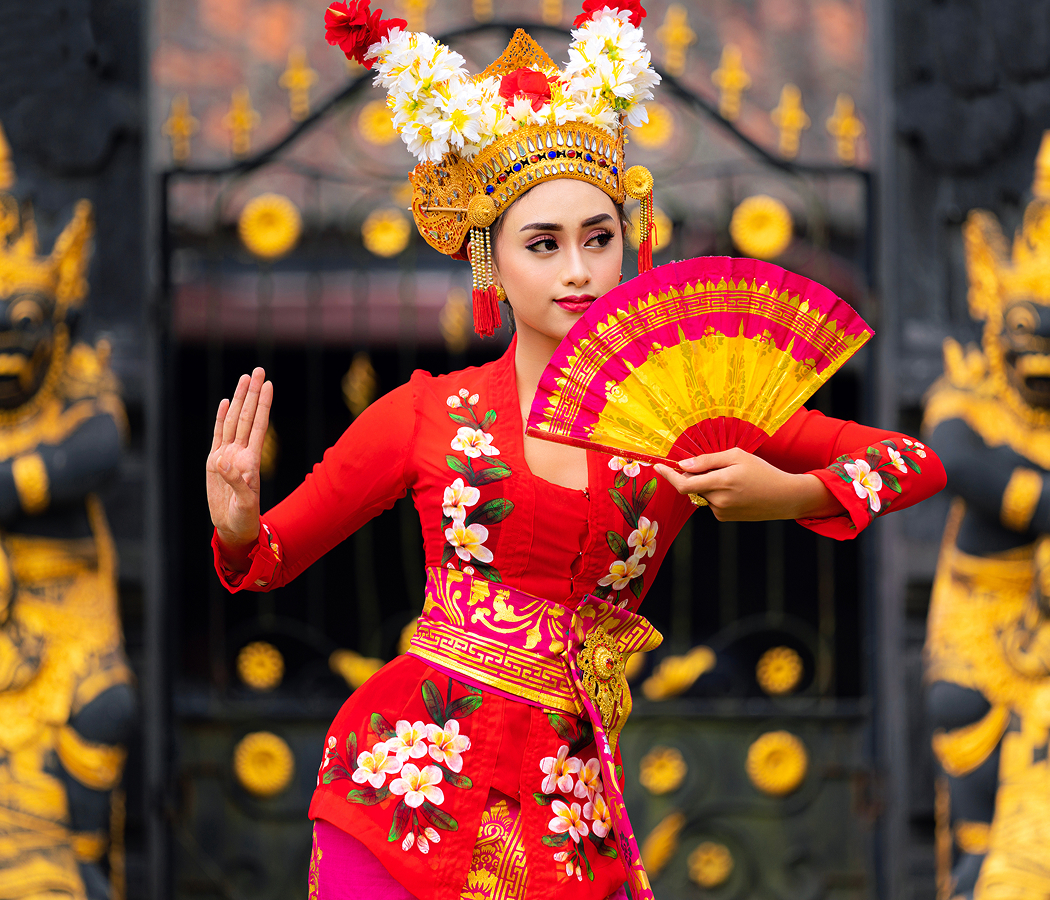
Step inside, remove your shoes, and sit cross-legged on the smooth wooden platform. Listen, not just to the sounds around you, but to the space itself. The gentle hum of the city fades, replaced by birdsong and the occasional chime of temple bells. If you're fortunate, you might witness a group of locals rehearsing traditional dance or preparing offerings, their movements slow and deliberate, every gesture infused with grace. During holy days, priests occupy the central platform while worshippers gather beneath the pavilion's canopy, creating an atmosphere of unity that transcends language. Stay until the light shifts and shadows stretch across the polished floor, the moment when the temple seems to breathe in harmony with the earth. Before leaving, bow your head in quiet gratitude; the Bale Pavilion isn't just a structure, it's a living sanctum of community and faith. The Bale Pavilion at Pura Jagatnatha in Denpasar stands as a reminder that spirituality doesn't always reside in isolation; sometimes, it lives in shared silence, laughter, and light.
Where your story begins.
Foresyte Travel reveals places that feel extraordinary long before you arrive.
Experience premium editorial crafted for luxury travelers.