Why Rama III matters.
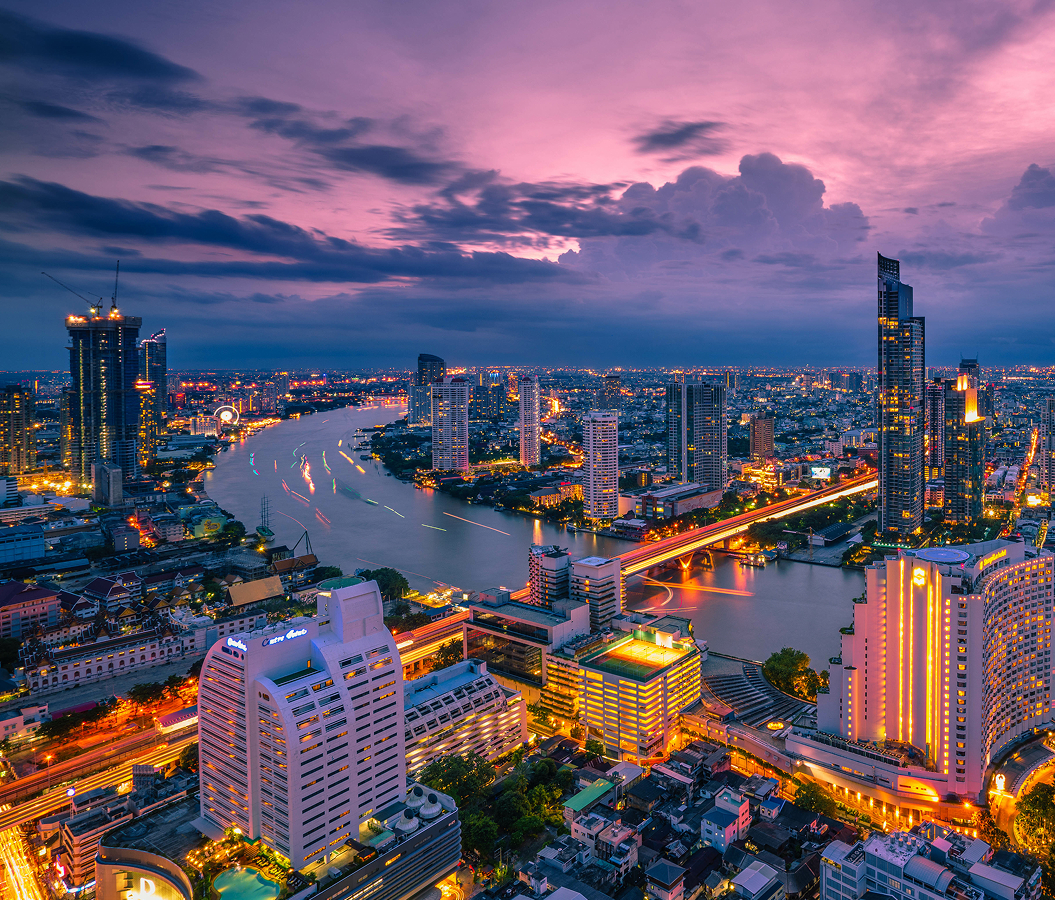
Rama III is Bangkok's district of riverfront growth, where modern residential towers, major commercial developments, historic waterfront communities, and strategic connectivity have transformed a once-industrial corridor into one of the capital's fastest-evolving urban districts.
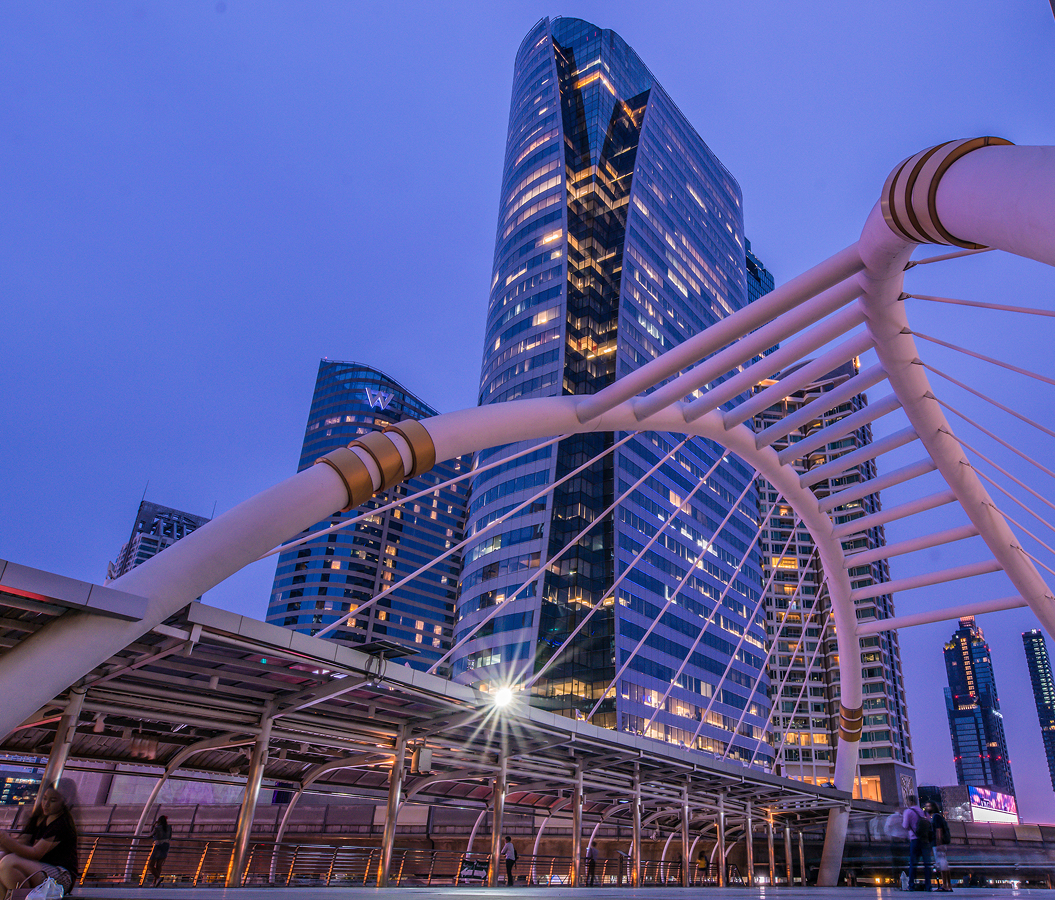
Following the curve of the Chao Phraya River south of the traditional city center, the neighborhood unfolds through contemporary condominium developments, riverside promenades, local markets, business complexes, waterfront restaurants, and long-established communities that continue to shape the district's identity. Cargo vessels still navigate stretches of the river that once fueled Bangkok's industrial expansion, while new developments rise along the shoreline overlooking one of Southeast Asia's most important waterways. Along the border of neighboring Yan Nawa, corporate towers and residential high-rises begin to define the skyline, creating a seamless transition between Bangkok's historic river economy and its modern urban future. The district's appeal lies in its sense of momentum, offering a front-row seat to one of the city's most significant transformation stories.
What defines Rama III.
Rama III is best known for Rama III Road, a major development corridor that helped redirect Bangkok's urban expansion toward the Chao Phraya River and became one of the city's most important centers of residential and commercial growth.
Constructed to improve transportation and support economic development beyond the historic core, the corridor opened vast stretches of underutilized riverside land to new investment and urban planning initiatives. Residential towers, office developments, retail destinations, and infrastructure projects followed, gradually transforming what had been a largely industrial and port-oriented area into a thriving mixed-use district. Its strategic location between Central Bangkok, the riverfront, and the southern suburbs accelerated its growth and established the corridor as a key component of the city's long-term development strategy. Today, Rama III remains one of Bangkok's most closely watched urban growth areas, reflecting the broader evolution of the capital in the twenty-first century. Few districts demonstrate the city's modern expansion as clearly.
How Rama III fits.
Rama III is an ideal centerpiece for a day spent exploring Bangkok's evolving riverfront, local communities, and contemporary urban landscape.
Begin the morning along the Chao Phraya waterfront, where riverside views and neighborhood markets reveal the historic foundations that shaped the district before modern development arrived. From there, follow the river corridor through the neighborhood's commercial and residential centers before continuing toward some of Bangkok's most important waterfront attractions. Terminal 21 Rama III, Bhumibol Bridge, and Central Rama III all sit within easy reach, creating a natural progression between modern architecture, riverfront infrastructure, and contemporary Bangkok lifestyle. As the afternoon unfolds, the district rewards exploration with local seafood restaurants, riverside cafés, and waterfront viewpoints that showcase a less-visited side of the city. Rama III fits naturally into that rhythm of discovery, serving as both a gateway to Bangkok's future and one of its most significant riverfront districts.
Where your story begins.
Foresyte Travel reveals places that feel extraordinary long before you arrive.
Enjoy editorial crafted for luxury travelers.
Foresyte may earn a commission when you book.