Why Salzedo Street matters.
Salzedo Street is a refined corridor where Coral Gables' Mediterranean Revival heritage, pedestrian-scale urbanism, architectural craftsmanship, and cosmopolitan character continue defining one of the city's most distinguished neighborhood streets.
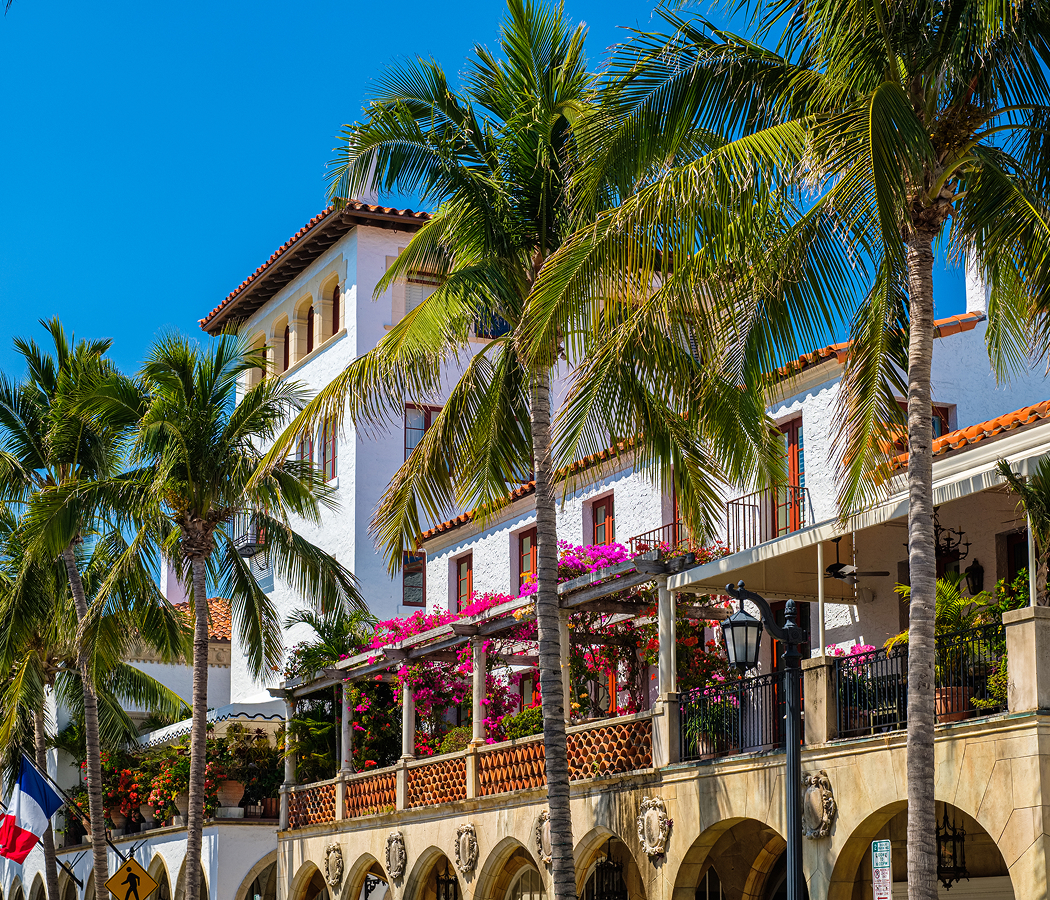
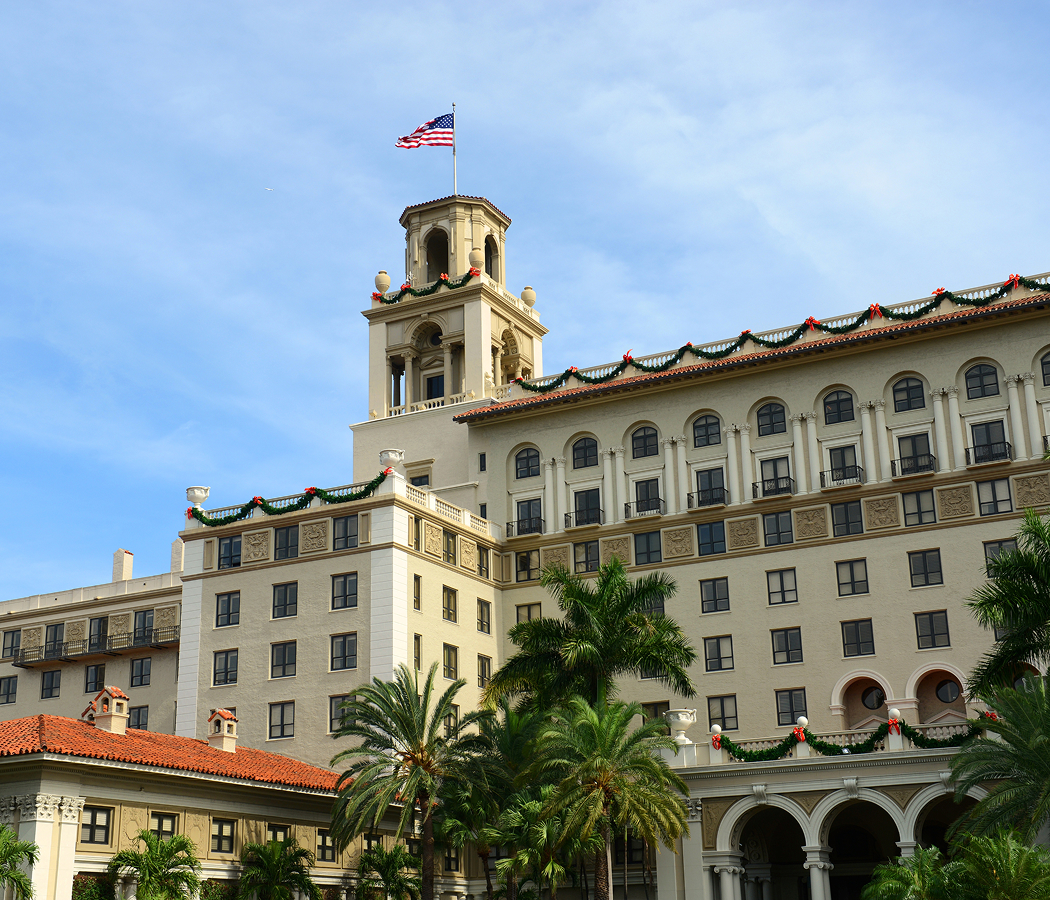
Running through Downtown Coral Gables between Crafts and Section, the corridor connects Mediterranean Revival storefronts, boutique offices, shaded plazas, independent restaurants, civic buildings, and mature royal palms that collectively reflect the enduring vision of one of America's earliest master-planned communities. Arcaded façades, coral rock detailing, wide sidewalks, and carefully integrated public spaces preserve the human scale envisioned during Coral Gables' formative years while supporting a spirited urban environment. Throughout the corridor, architecturally significant buildings, cultural institutions, and locally rooted businesses reinforce a setting whose character has matured through careful preservation and thoughtful reinvestment. The result is an experience defined by elegance, continuity, and one of Coral Gables' defining urban corridors.
What defines Salzedo Street.
Salzedo Street is best known for traversing the commercial heart of Coral Gables, the master-planned city founded in 1925 by George E. Merrick, whose Mediterranean-inspired vision established one of the nation's most influential examples of early twentieth-century community planning. The corridor developed as part of Merrick's coordinated street plan, where plazas, arcades, landscaped boulevards, and architecturally unified commercial blocks created a walkable downtown distinguished by cohesive urban design. Buildings lining Salzedo Street preserve notable examples of Mediterranean Revival architecture through stucco façades, red barrel-tile roofs, coral rock accents, wrought-iron balconies, arcaded walkways, decorative ceramic tile, and deeply recessed storefronts constructed primarily during the 1920s and early 1930s. Architects including Phineas Paist, Walter De Garmo, H. George Fink, and Denman Fink contributed to the architectural style that shaped Downtown Coral Gables, while locally quarried oolitic limestone and coral rock established a material palette unique to the city. Mature royal palms, live oaks, mahogany trees, and gumbo limbo continue reinforcing the subtropical landscape that has distinguished Salzedo Street since Coral Gables' earliest years.
Nearby the Coral Gables Museum occupies the restored 1939 Coral Gables Police and Fire Station, preserving civic architecture that now interprets the city's planning history, architecture, and cultural development through permanent exhibitions and archival collections. The Miracle Theatre, completed in 1948 and restored as the home of Actors' Playhouse at the Miracle Theatre, extends the corridor's architectural narrative into Coral Gables' performing arts tradition while preserving one of downtown's best-known postwar landmarks. Decorative cast-stone ornamentation, hand-forged wrought iron, patterned clay roof tiles, and carved coral rock detailing repeated throughout adjoining commercial buildings demonstrate the craftsmanship that unified George Merrick's architectural vision across successive decades of development. Together, these civic institutions, cultural landmarks, and enduring architectural materials deepen the historical narrative established by Salzedo Street's celebrated streetscape, demonstrating why the corridor remains central to Coral Gables' architectural identity.
How Salzedo Street fits.
Salzedo Street works as a leisurely exploration of Coral Gables' architectural heritage, cultural institutions, and walkable urban character.
Begin at Miracle Mile, where Mediterranean Revival storefronts, shaded sidewalks, and locally owned boutiques introduce the design philosophy that has distinguished Coral Gables for a century before following Salzedo Street through downtown. Continue to Giralda Plaza, whose pedestrian-friendly streetscape, public art, and inviting outdoor spaces deepen the appreciation for the city's human-scaled planning. Conclude at Venetian Pool, where coral rock grottos, cascading waterfalls, and the nationally recognized historic swimming complex provide a memorable finale celebrating the craftsmanship and imagination that define Coral Gables. The progression moves naturally from the city's commercial heart through its celebrated public realm before concluding at one of Florida's most extraordinary civic landmarks, revealing why Salzedo Street remains one of Coral Gables' defining corridors.
Where your story begins.
Foresyte Travel reveals places that feel extraordinary long before you arrive.
Enjoy editorial crafted for luxury travelers.
Foresyte may earn a commission when you book.