Why you should experience Samsen Street Hotel in Bangkok, Thailand.
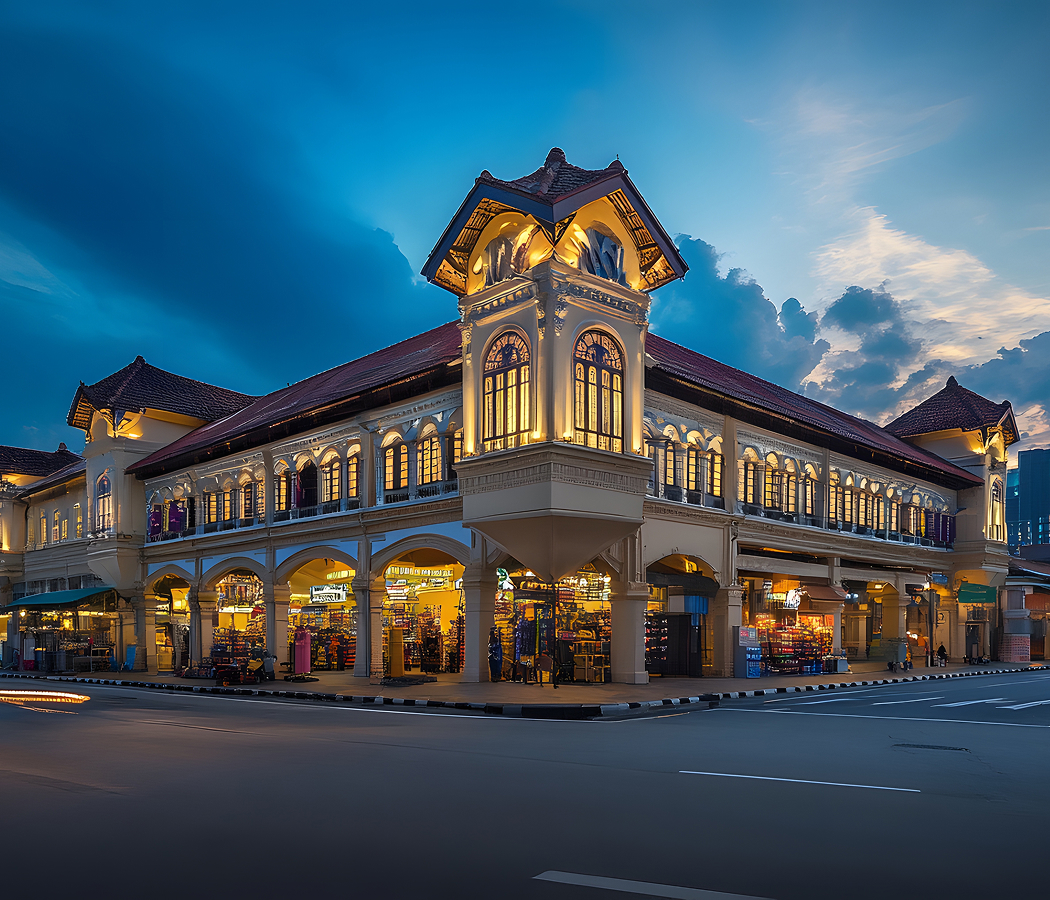
Samsen Street Hotel is a poised interpretation of Bangkok's cultural mosaic rather than a retreat from it, a place that channels the city's layered history, canal-edge neighborhoods, and architectural nuance into a stay that feels both rooted and refined.
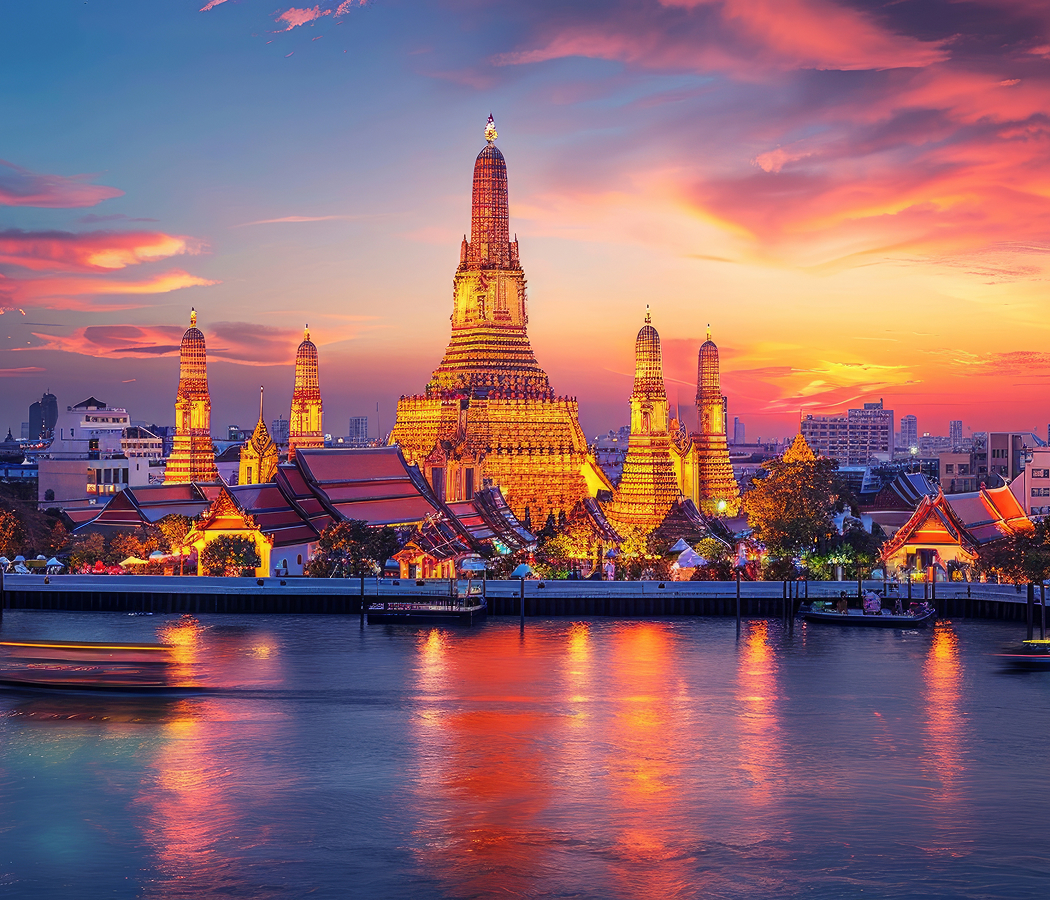
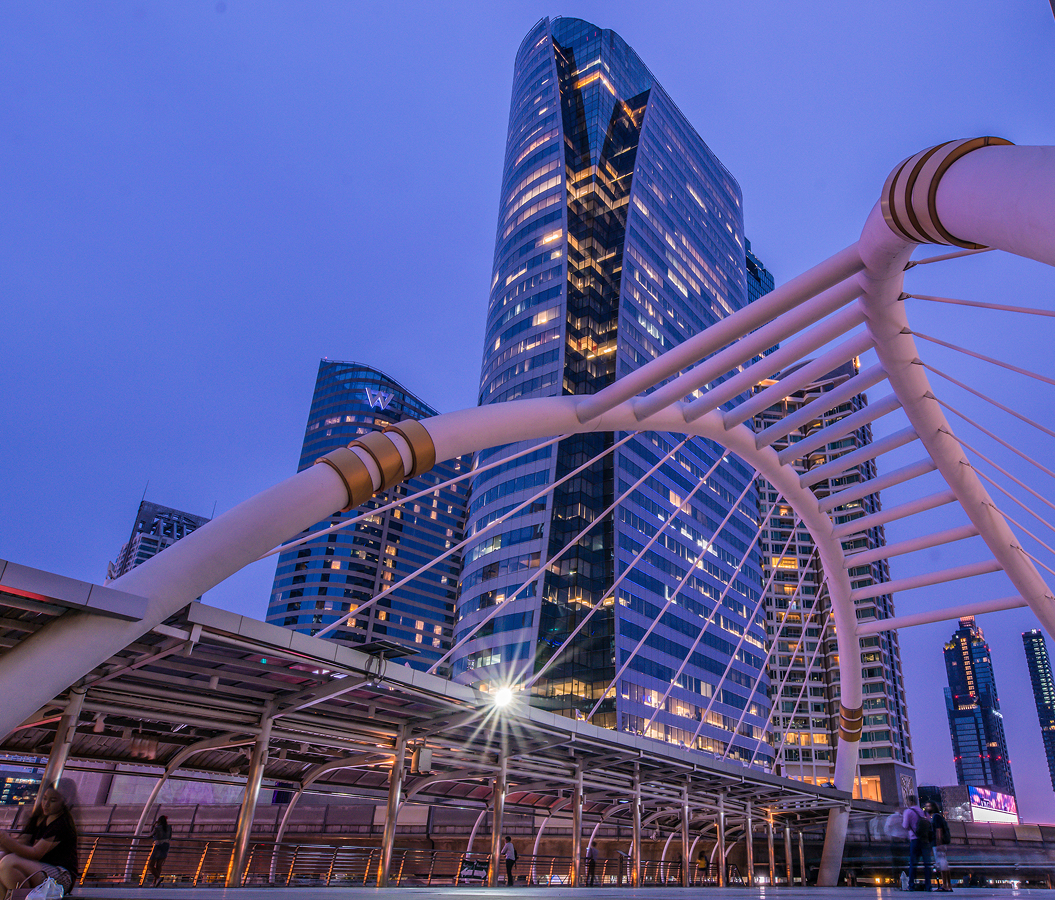
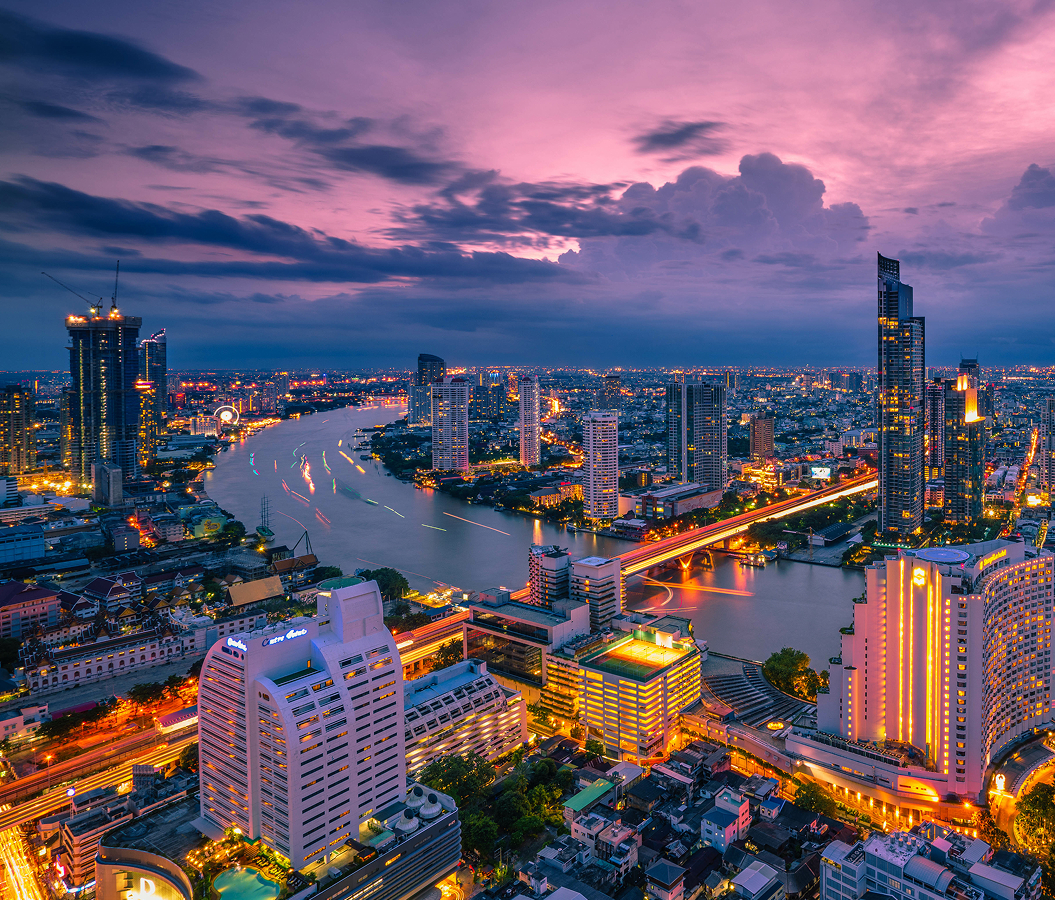
Situated on Samsen Road near the historic old town and riverside precincts, this property forgoes the usual Sukhumvit or Silom energy and instead anchors you in an area shaped by local life, heritage landmarks, temple routes, and weekday rhythms that Bangkok's tourist corridors rarely reveal. Arrival is composed, intentional, and devoid of theatrical gestures: you step from a quiet street into public spaces articulated with restrained design, natural materials, measured volumes, textural warmth, and lighting that favors psychological comfort over performance. There is a sense here that the hotel's interior was created to absorb context rather than overwrite it, allowing movement through space to feel intuitive rather than managed. Guest rooms unfold this sensibility with coherence. They are contemporary in expression yet quietly referential to Thai spatial traditions, with layouts that balance sleep, work, and rest. Beds are generous and engineered for restorative rest after long days of exploration rather than indulgent escape, and windows frame Bangkok's layered neighborhood geometry rather than generic skyline vistas, positioning the city as context rather than distraction. Furniture is purposeful: seating supports extended use, desks are scaled for actual productivity, and storage systems allow you to unpack fully for short or extended stays. Lighting is layered and adaptive, letting the room shift from focused daylight tasks to evening decompression. Bathrooms reflect the same thoughtful logic: clean surfaces, walk-in showers, generous counter space, and fixtures chosen for tactile ease and durability. Nothing here attempts to be ornamental; everything is designed to function clearly. Dining and amenity spaces extend the hotel's grounded personality. Breakfast areas are bright and efficient but never rushed, supporting mornings that feel intentional. Communal lounges provide calm spaces for informal meetings, reading, or brief pauses, and are composed to feel like extensions of the guest rooms. The pool area, thoughtfully placed above street level, offers genuine moments of decompression, marrying open air and urban visibility. Fitness facilities are modern and accessible, designed to support routine. Service at Samsen Street Hotel is professional, discreet, and situationally aware. Staff interactions feel genuine without being intrusive, responsive rather than performative, reinforcing a sense that the hotel exists to support your agenda rather than steer it. The property attracts travelers who value substance over flash: cultural explorers, professionals navigating Bangkok's diverse districts, repeat visitors who seek context as well as comfort, and anyone who wants to experience the city's heritage with clarity. Samsen Street Hotel does not soften Bangkok's pulse or retreat from it. It organizes it, offering a stay that feels composed, contemporary, and intimately attuned to how the city feels.
What you should know about Samsen Street Hotel.
Samsen Street Hotel was developed around an architectural and experiential premise that prioritizes environmental resonance and psychological clarity over thematic branding or performative luxury.
Unlike hotels that attempt to buffer their surroundings with design performance or cloak them in generic international style, this property places its context at the center of its identity. Its position on Samsen Road, a street historically tied to Bangkok's canal systems, community life, and quieter residential grids, was chosen not for convenience alone, but for narrative depth. The building's design emphasizes proportion, sightline control, and material integrity, creating spaces that support human movement. Public areas are arranged to balance volume with calm, allowing activity to occur. Guest room design was informed by understanding how people actually inhabit space over multiple days: movement patterns, transitions between tasks, and the psychological effect of daylight and neighborhood views. This results in interior environments that feel logically ordered. Material choices reflect durability and tactility, allowing surfaces to age with character. Dining areas were developed as functional anchors that support daily rhythm rather than destinations for performance, providing nourishment without time cost or social pressure. Rooftop and leisure zones were scaled to offer genuine relief, open air, visual ease, and a break from street intensity, without requiring detachment from the urban frame. Operational culture mirrors the hotel's design intelligence. Staff training emphasizes context awareness and adaptive responsiveness rather than scripted greeting lines, enabling service that feels genuinely supportive and tailored. This approach has cultivated loyalty among frequent travelers and repeat guests who value a hotel that performs well in real use rather than one that merely photographs well. In a hospitality landscape crowded with image-driven properties and hip thematic concepts, Samsen Street Hotel's distinction lies in coherence, design that holds up under actual living conditions, service that respects autonomy, and a character rooted in context.
How to fold Samsen Street Hotel into your trip.
Samsen Street Hotel works as a contextual anchor rather than a retreat or padding for itinerary gaps, a place that supports momentum, exploration, and cultural layering throughout your Bangkok stay.
Begin mornings without rush, using the hotel's breakfast space to orient your attention rather than check off a box, then step into the surrounding neighborhood on foot: local cafés, artisan shops, and quieter residential streets unfold with texture that reveals Bangkok's everyday character. Use nearby transit, MRT, buses, or riverboats, to branch outward toward business districts, heritage corridors, riverside temples, museum clusters, or market grids with logistical ease. Midday resets are most effective when kept purposeful. Return briefly to your room to rest, read, or work, letting the space support recalibration. The pool and rooftop areas then become tools for decompression, helping you reset physically. In the afternoon, Samsen's layered dining and cultural offerings reward repeated engagement, from traditional eateries to refined contemporary options that feel embedded in neighborhood life. Evenings can be social or restrained. Explore nearby nightlife environments, attend events, or keep things minimal, confident that your return will feel calm. Late nights do not feel punishing because the hotel's scale and design absorb energy. Samsen Street Hotel pairs especially well with itineraries that blend cultural exploration, contextual immersion, and repeated movement, travelers who want Bangkok to remain dynamic.
Where your story begins.
Foresyte Travel reveals places that feel extraordinary long before you arrive.
Experience premium editorial crafted for luxury travelers.