Why you should experience Schwabing-West in Munich, Germany.
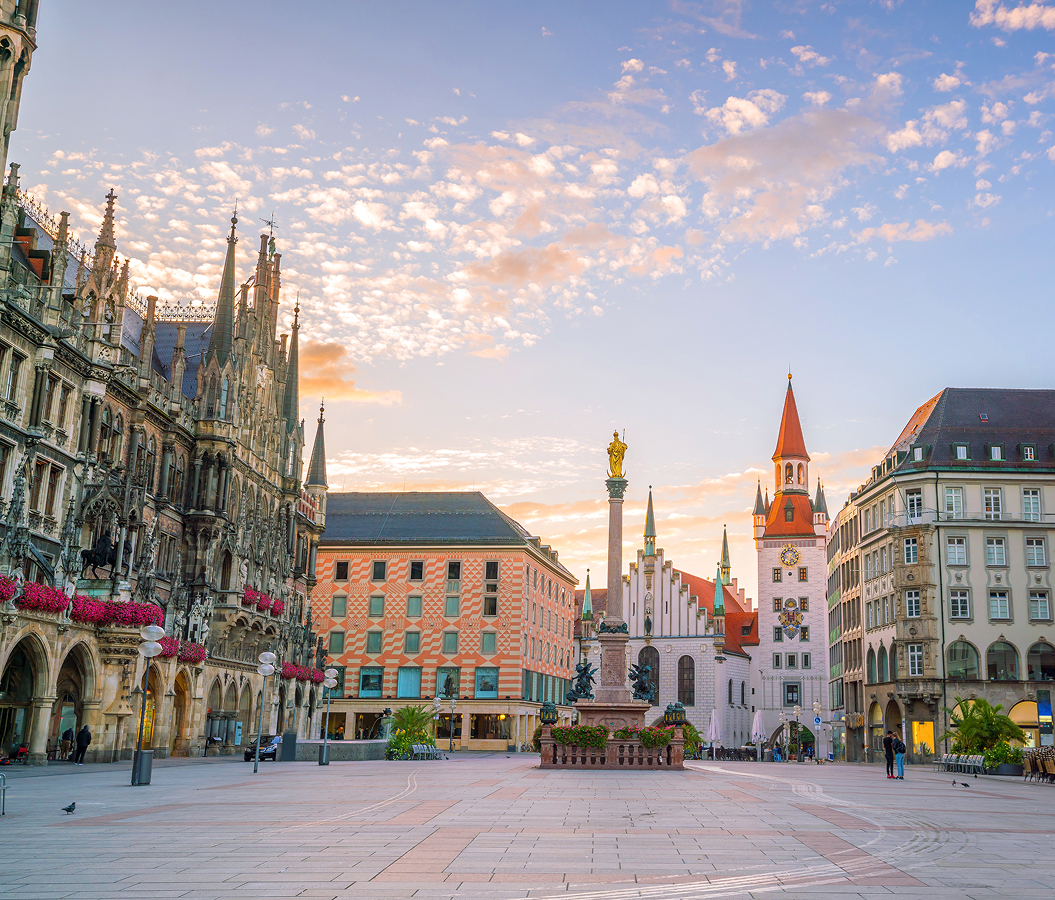
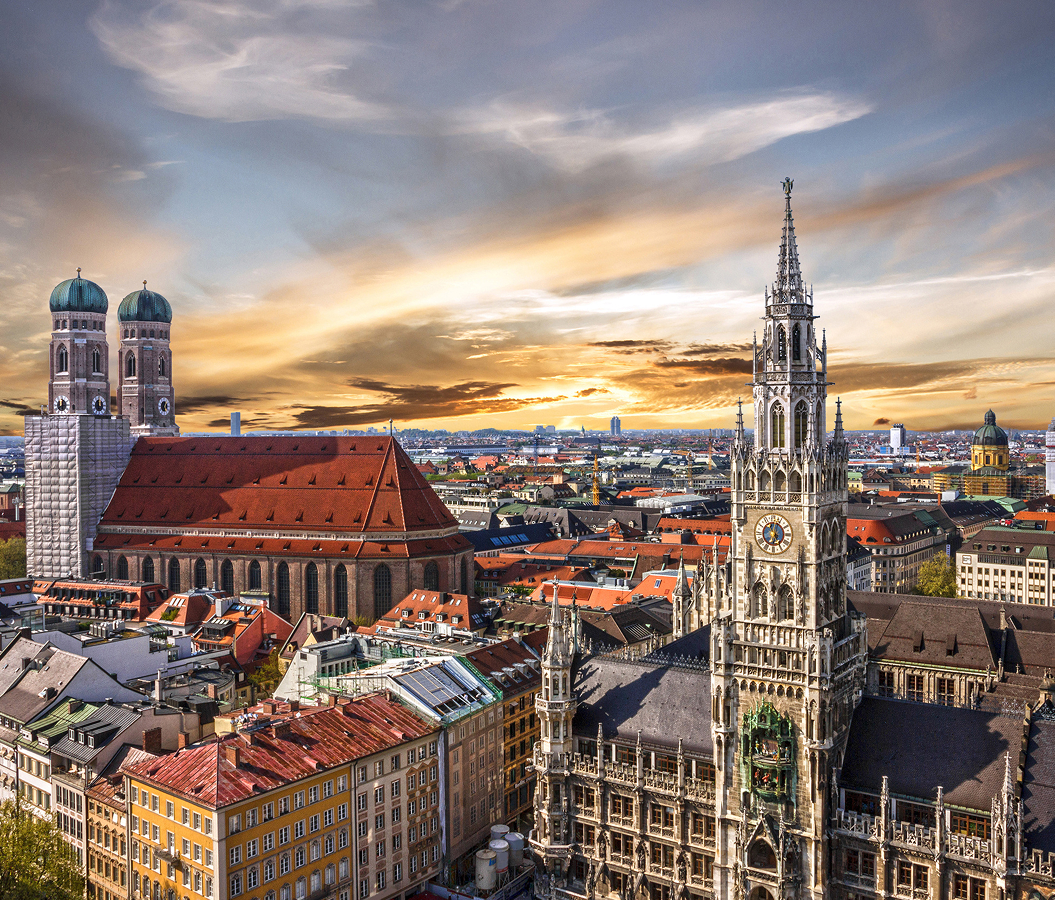
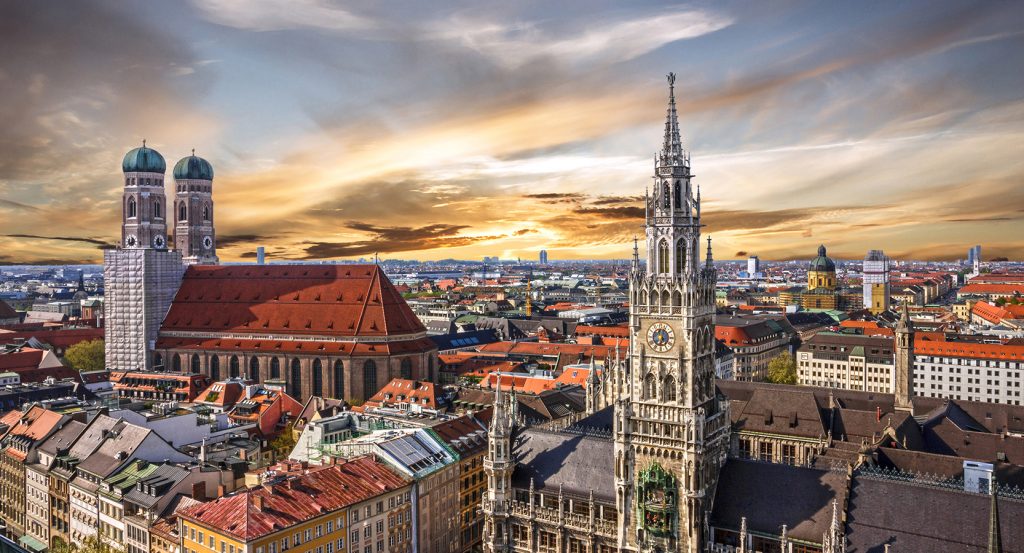
Schwabing-West is among the city's most desirable residential districts, where elegant streetscapes, creative energy, and everyday Munich life converge within a neighborhood that blends historic charm with a distinctly modern rhythm.
Tree-lined avenues, neighborhood cafés, independent boutiques, Art Nouveau buildings, local parks, thriving squares, and energetic dining destinations create a district that balances sophistication with approachability. As Munich expanded during the late nineteenth and early twentieth centuries, Schwabing-West developed alongside neighboring Schwabing as a residential district favored by professionals, academics, artists, and families seeking proximity to the city's cultural core. Its broad boulevards and architecturally rich streets helped establish a reputation for quality of life that continues today. Over time, new generations of residents infused the area with fresh creative energy while preserving its historic character. Today, visitors encounter a neighborhood that feels refined, lively, and effortlessly local. To the east, Schwabing's renowned artistic legacy and historic café culture complement the residential elegance and community atmosphere that define Schwabing-West. Every avenue, café terrace, and neighborhood square reflects a district shaped by culture, livability, and enduring appeal.
What you should know about Schwabing-West.
Schwabing-West is best known for containing one of Munich's finest concentrations of late nineteenth- and early twentieth-century residential architecture, including elegant Art Nouveau and Gründerzeit buildings that helped define the city's urban character.
Much of the district was developed during a period of rapid growth that transformed Munich into one of Germany's leading cultural and economic centers. Architects and planners created broad streets lined with decorative apartment buildings, many of which remain remarkably preserved today. These residential blocks helped establish a model of urban living that balanced density, beauty, and walkability, contributing to the district's enduring popularity. Over the decades, the neighborhood attracted residents who valued both architectural quality and proximity to the city's intellectual and cultural institutions. Today, its streets remain among the most attractive residential environments in Munich. Few districts in the city possess such a cohesive and well-preserved architectural landscape.
How to fold Schwabing-West into your trip.
Schwabing-West works as an exploration of elegant streets, neighborhood culture, and the public spaces that reveal everyday life in one of Munich's most beloved districts.
Begin at Elisabethmarkt, where the neighborhood's defining relationship with community life, local commerce, and culinary tradition immediately comes into focus. Continue toward Hohenzollernplatz, whose cafés, shops, and residential surroundings reveal the urban character that has made the district so desirable for generations. From there, make your way to Luitpoldpark, where landscaped pathways, open green spaces, and elevated viewpoints provide a broader perspective on the balance of nature and city living that distinguishes the neighborhood. Along the route, you'll encounter Art Nouveau façades, neighborhood bakeries, independent boutiques, local restaurants, public squares, residential boulevards, and community gathering spaces that showcase the district's remarkable charm. Together, these destinations reveal how Schwabing-West evolved into one of the city's most attractive and livable urban neighborhoods.
Where your story begins.
Foresyte Travel reveals places that feel extraordinary long before you arrive.
Experience premium editorial crafted for luxury travelers.