Why Sendling matters.
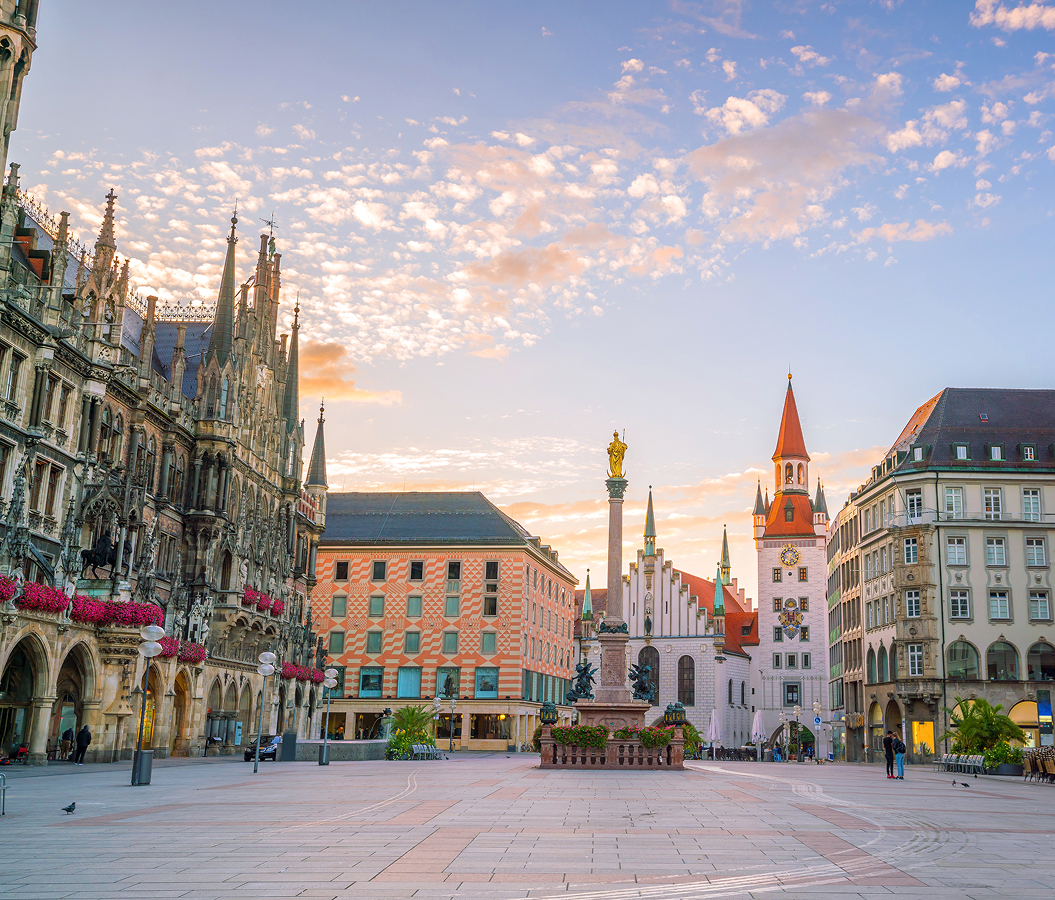
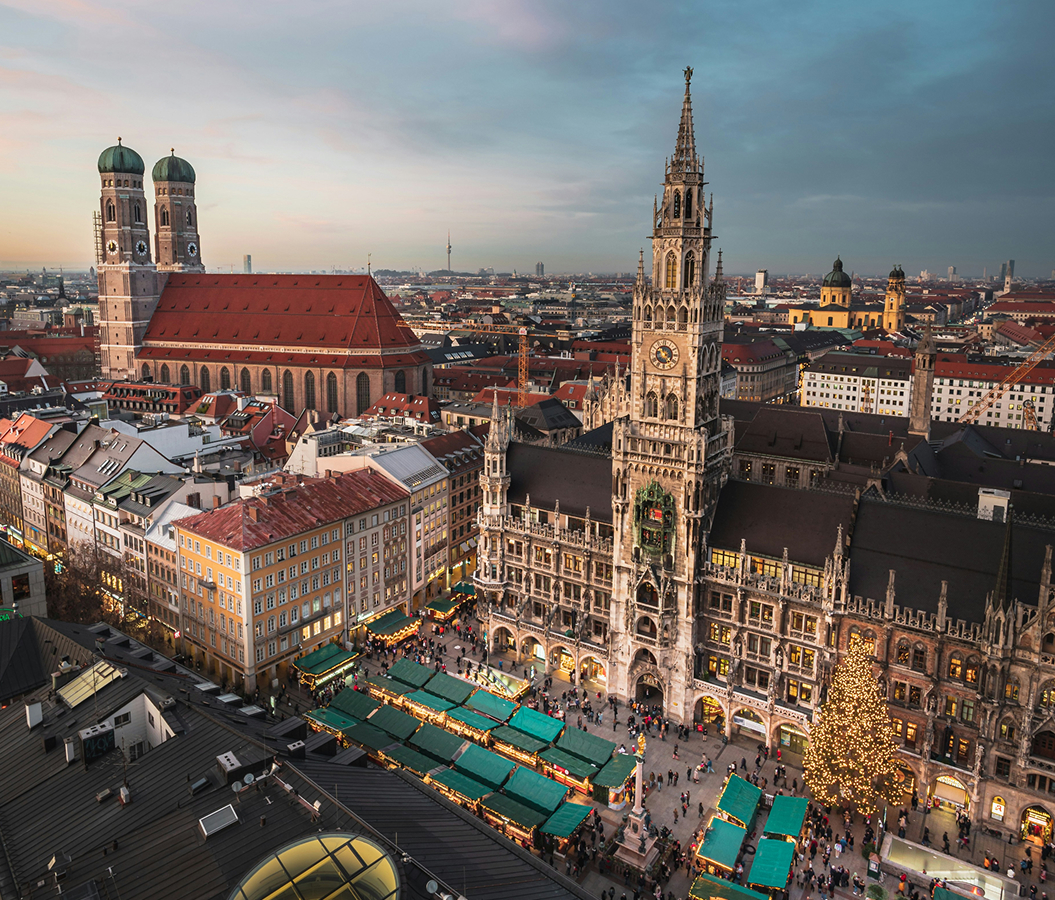
Sendling is among the city's most historically significant neighborhoods, where working-class heritage, local character, and urban renewal converge within a district that has played a pivotal role in Munich's development for centuries.
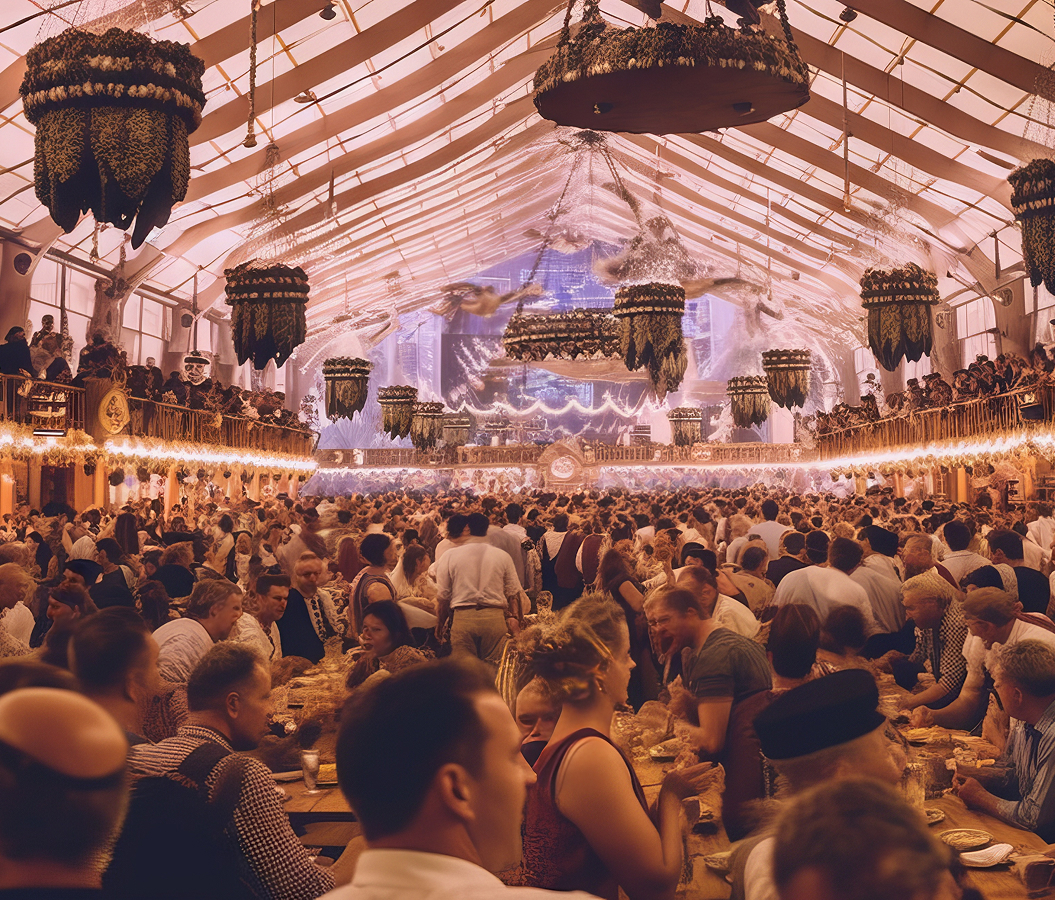
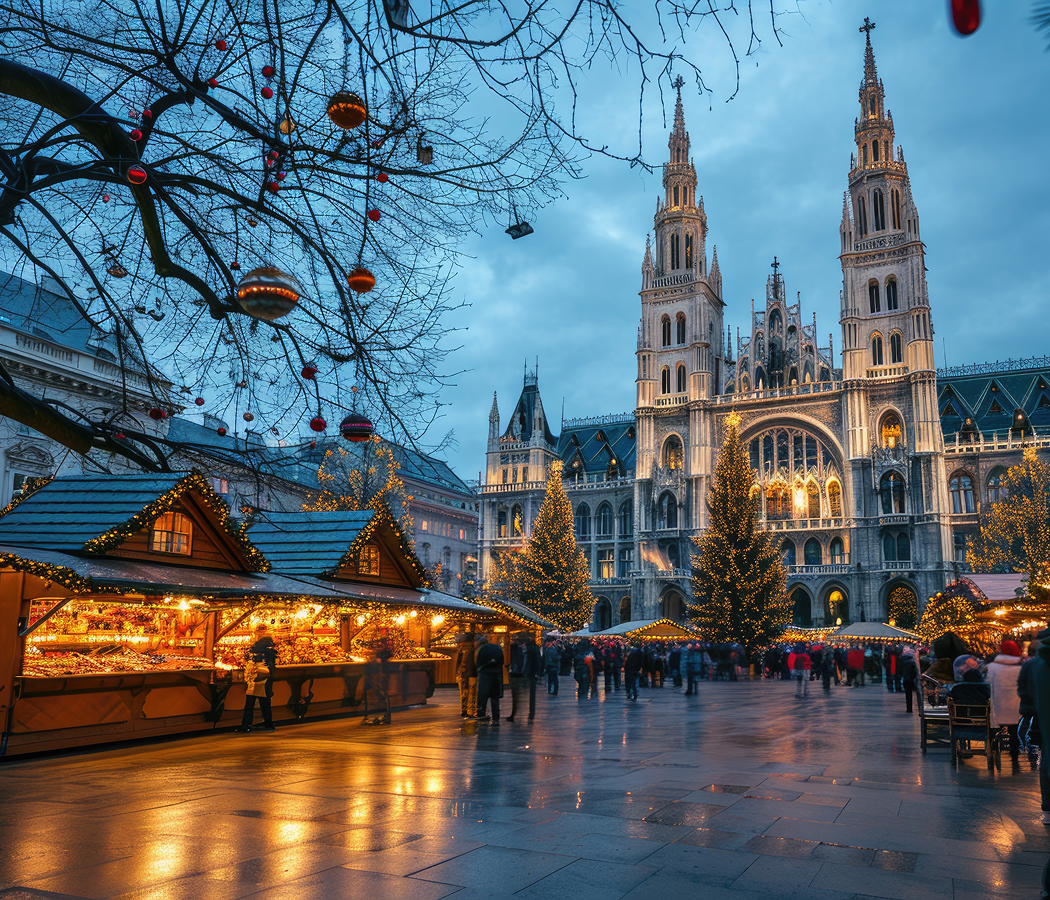
Historic churches, neighborhood beer gardens, thriving commercial streets, residential enclaves, local markets, public parks, and community gathering spaces create a neighborhood that balances tradition with modern city life. Originally a rural settlement south of Munich, Sendling gradually became integrated into the growing city during the nineteenth century as industrialization attracted workers and businesses to the area. Over time, the district developed a strong local character rooted in craftsmanship, labor, and community pride. Today, visitors encounter a neighborhood that feels authentic, lived-in, and distinctly Munich. To the south, Thalkirchen's riverside landscapes and recreation areas complement Sendling's urban character, creating a seamless transition between city neighborhoods and outdoor escapes. Every church square, beer garden, and residential street reflects a district shaped by resilience, community, and everyday Bavarian life.
What defines Sendling.
Sendling is best known for being the site of the Sendlinger Mordweihnacht, a pivotal event in Bavarian history during the War of the Spanish Succession that became a lasting symbol of resistance and regional identity.
On Christmas night in 1705, Bavarian audaciouss attempting to resist Habsburg occupation were defeated near Sendling in a tragic confrontation that became deeply embedded in Bavarian historical memory. The event, remembered as the Sendlinger Mordweihnacht, transformed the district into a symbol of sacrifice, resilience, and regional pride. Monuments, memorials, and local traditions continue to commemorate the episode centuries later, reinforcing Sendling's place within Bavaria's cultural narrative. While the neighborhood has evolved into a spirited residential district, its historical significance remains visible throughout the area. Few neighborhoods in Munich possess such a direct connection to one of Bavaria's defining historical events.
How Sendling fits.
Sendling works as an exploration of local history, neighborhood culture, and the community spaces that reveal everyday life beyond the city center.
Begin at Alte Pfarrkirche St. Margaret, where the neighborhood's defining relationship with history, faith, and community immediately comes into focus. Continue toward Harras, whose thriving square, transportation links, and local businesses reveal the commercial energy that has shaped the district for generations. From there, make your way to the Sendlinger Park corridor, where green spaces, residential streets, and neighborhood gathering places provide a broader perspective on the quality of life that continues to attract residents today. Along the route, you'll encounter historic churches, traditional beer gardens, local cafés, residential avenues, public parks, community landmarks, and neighborhood businesses that showcase Sendling's distinctive character. Together, these destinations reveal how Sendling evolved from a rural village into one of the city's most historically rich and community-oriented districts.
Where your story begins.
Foresyte Travel reveals places that feel extraordinary long before you arrive.
Enjoy editorial crafted for luxury travelers.
Foresyte may earn a commission when you book.