Why you should experience Shangri-La Bangkok in Bangkok, Thailand.
Shangri-La Bangkok is Bangkok experienced as riverside continuity and composed tradition, where scale, service lineage, and Chao Phraya rhythm create a stay that feels steady, expansive, and quietly assured.
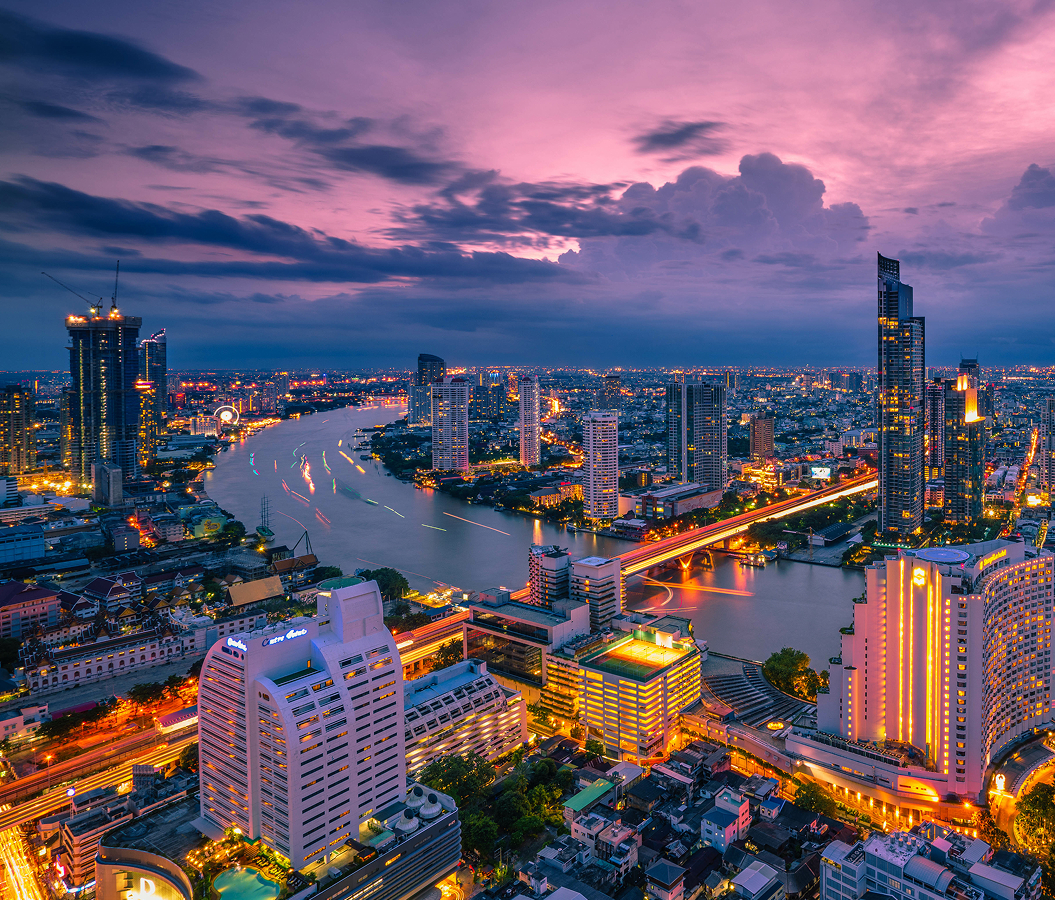
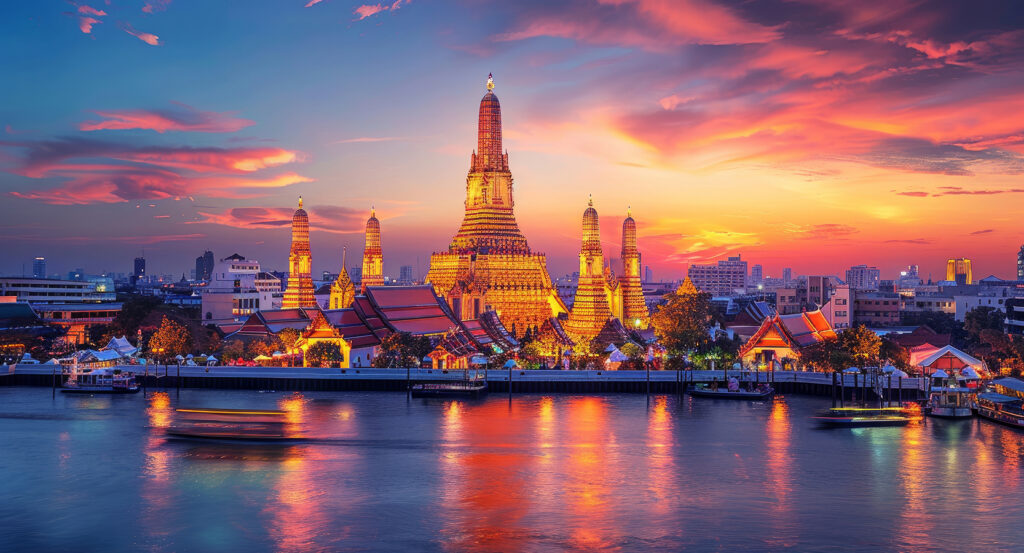
This is a hotel that does not attempt to redefine Bangkok. It steadies it. Positioned directly along the eastern bank of the Chao Phraya River, Shangri-La Bangkok occupies a stretch of waterfront that feels both central and buffered, active yet emotionally legible. Arrival immediately establishes this duality. The city's movement remains present, boats passing, traffic humming in the distance, but it is filtered through water, gardens, and architectural order. The hotel does not compete for attention. It holds space. Entering the property feels like stepping into a long-established rhythm. The lobby opens with scale and clarity, defined by generous proportions, polished surfaces, and sightlines that orient you toward the river. Check-in is unhurried and precise, delivered with a service style that values continuity over performance. There is a sense that this hotel knows exactly how it operates and sees no need to explain itself. Public spaces throughout Shangri-La Bangkok reinforce this feeling of grounded assurance. Lounges are expansive but not loud, arranged to preserve personal space and visual calm even at full capacity. Seating areas feel intentional rather than dense, allowing guests to engage or withdraw without friction. Materials are classic and tactile, stone, wood, soft textiles, chosen for longevity and familiarity. Movement through the hotel is fluid and legible, guided by proportion and light. The environment encourages a steady pace, subtly aligning your internal rhythm with the river outside. Guest rooms continue this philosophy of composed scale. Rooms are generously sized and thoughtfully arranged, offering space to inhabit. Many rooms maintain direct views of the Chao Phraya, ensuring that water and sky remain constant visual anchors. Beds are deeply comfortable and positioned for rest rather than display, supporting genuine sleep after days spent navigating Bangkok's intensity. Furnishings balance classic form with modern utility, creating spaces that feel established yet current. Storage, seating, and work areas are clearly defined, allowing the room to function for rest, planning, or quiet productivity. Lighting is layered and warm, adaptable from bright mornings to calm evenings. Sound is softened and distant, reinforcing the room's role as a place of restoration. Dining at Shangri-La Bangkok is deeply integrated into the hotel's identity. Restaurants are positioned to engage the river as a living backdrop, allowing meals to unfold alongside water movement, changing light, and passing boats. Culinary offerings emphasize consistency, balance, and breadth. Meals feel grounded and reliable, supported by service that understands timing as a form of respect. Whether dining casually or formally, the experience aligns with the hotel's broader character of continuity.
What you should know about Shangri-La Bangkok.
Shangri-La Bangkok operates on a philosophy of institutional continuity, where scale, service, and spatial planning are designed to remain stable regardless of occupancy or season.
The property's layout emphasizes horizontal openness and river orientation, reducing visual compression and preserving sightlines across public spaces. Lounges and common areas are intentionally oversized to maintain calm even during peak periods. Guest rooms follow a strict functional hierarchy that separates rest, preparation, and engagement, minimizing friction and physical overlap. Design choices favor timeless materials and familiar proportions rather than trend-driven experimentation, reinforcing a sense of trust and predictability. Service culture reflects this same discipline. Staff training emphasizes timing, discretion, and resonant awareness, ensuring interactions feel supportive. The hotel functions as a cohesive system rather than a collection of moments, allowing it to deliver consistency at scale. This operational clarity enables Shangri-La Bangkok to feel grounded, legible, and emotionally steady, offering an environment that supports presence.
How to fold Shangri-La Bangkok into your trip.
Shangri-La Bangkok works best when you allow it to act as your stabilizing anchor within the city's motion.
Begin your days with the river, use the view and light to orient yourself before engaging Bangkok's energy. Morning excursions by boat or planned transport allow you to experience the city while it remains open and navigable. Return midday to rest, dine, or walk the gardens, letting the hotel recalibrate your pace without disconnecting you from the city's flow. Afternoons can unfold selectively, markets, cultural sites, shopping, approached with intention. Evenings are ideal for riverside dining or quiet reflection, knowing your return environment is composed and expansive. On departure, the experience resolves smoothly, leaving you with the sense that you experienced Bangkok with balance. You leave carrying the feeling that the city unfolded at a pace you could inhabit, supported by a place that understands continuity, space, and calm as the foundations of lasting hospitality.
Where your story begins.
Foresyte Travel reveals places that feel extraordinary long before you arrive.
Experience premium editorial crafted for luxury travelers.