Why St. Charles Avenue matters.
St. Charles Avenue is a graceful corridor where Virginia-Highland's architectural heritage, neighborhood charm, cultural vitality, and enduring walkability define one of Atlanta's most beloved residential streets.
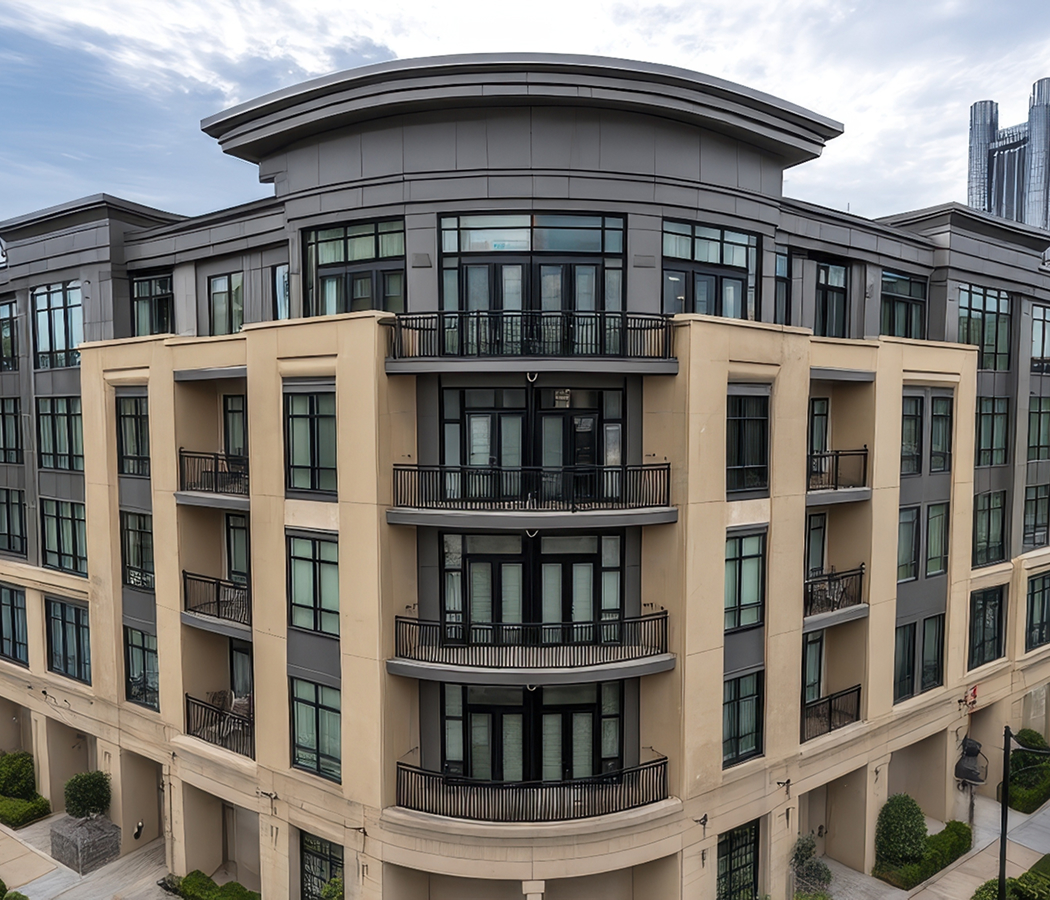
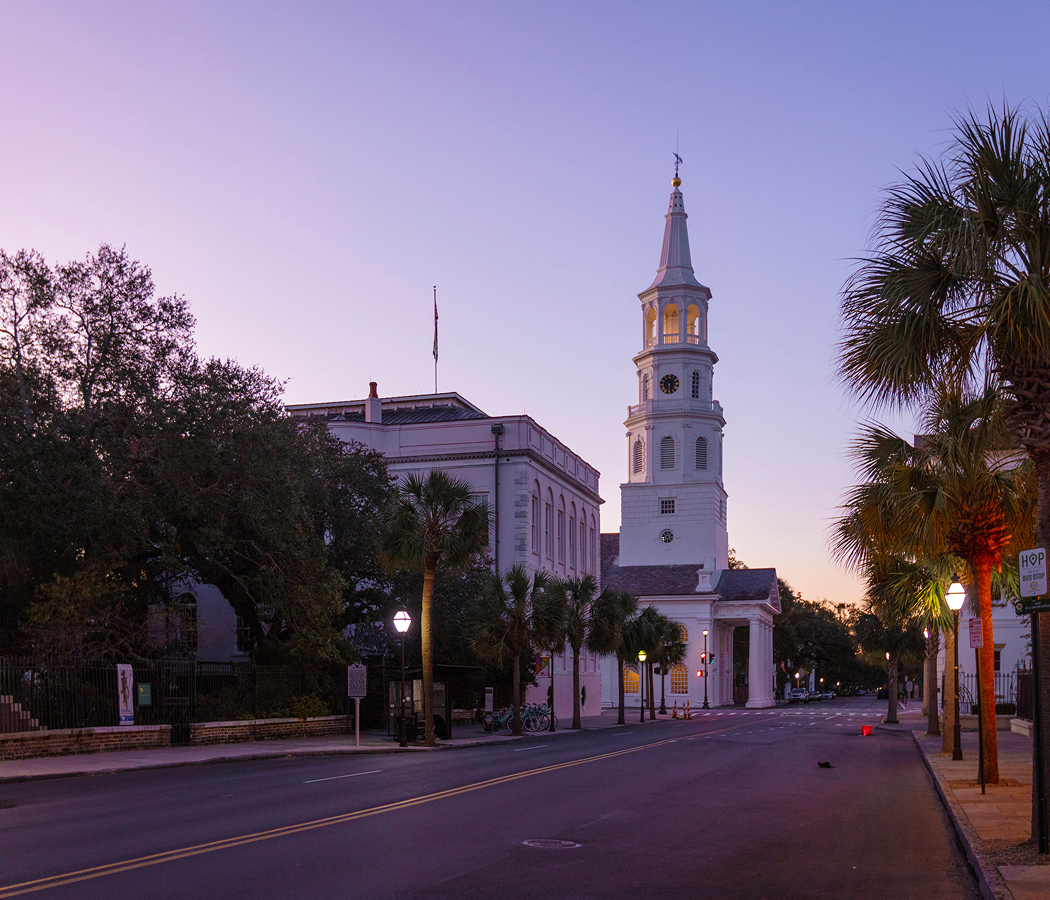
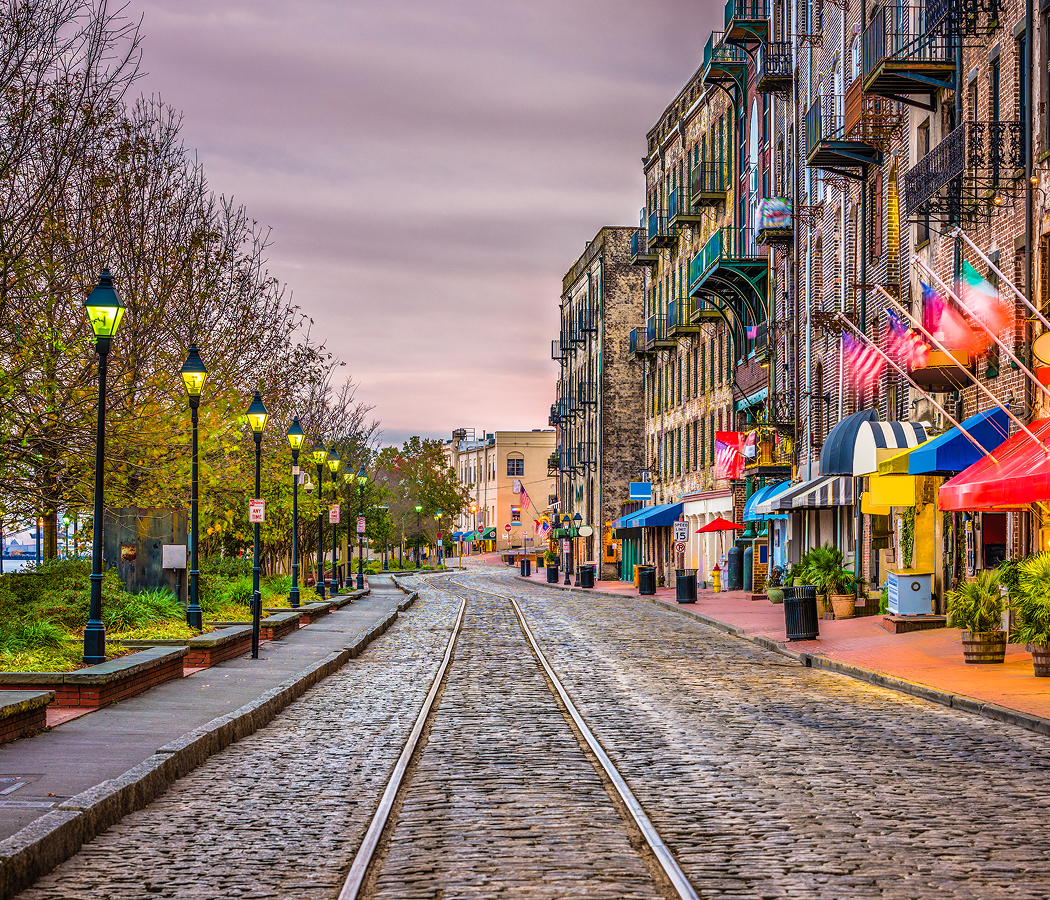
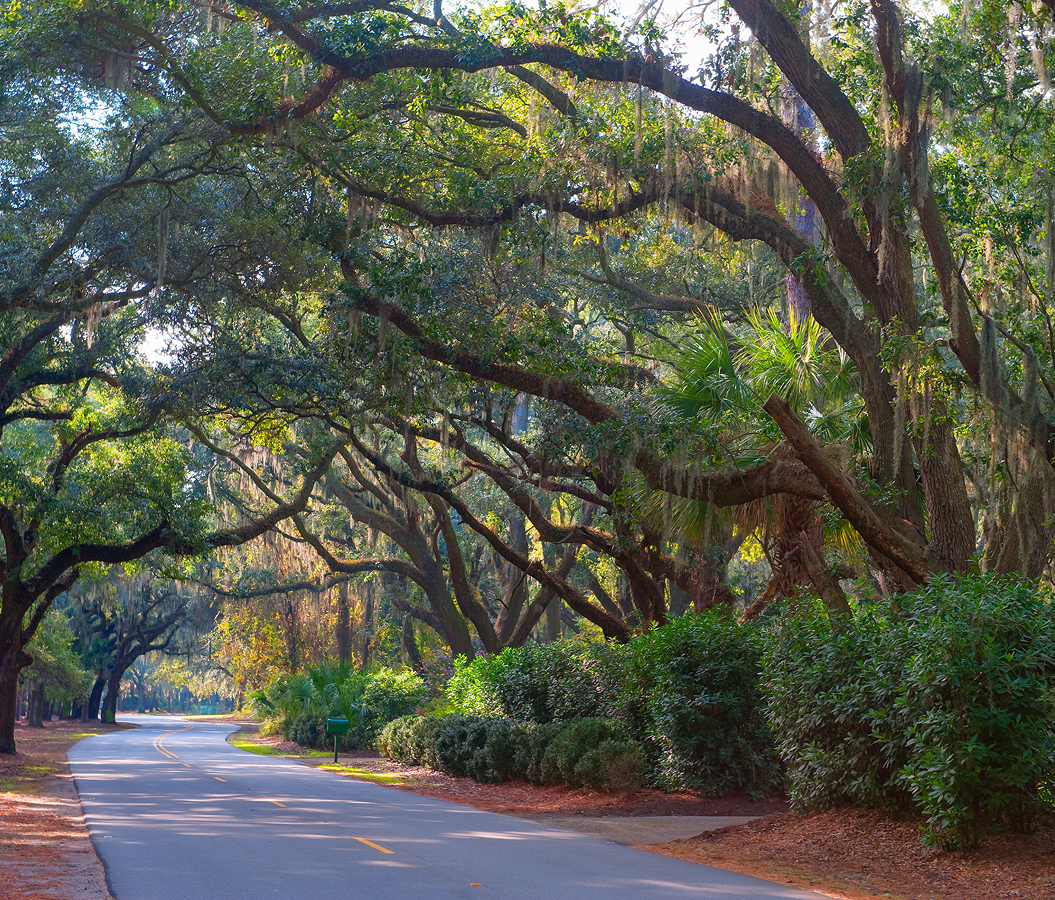
Running through Virginia-Highland between Poncey-Highland and Morningside-Lenox Park, the corridor connects early twentieth-century neighborhoods, historic churches, neighborhood businesses, and leafy residential blocks that collectively reflect Atlanta's evolution during its streetcar suburb era. Successive blocks reveal how transportation investment, thoughtful residential planning, and architectural craftsmanship established an avenue that continues embodying the character of one of Atlanta's most celebrated neighborhoods. Mature tree canopies, brick sidewalks, Craftsman residences, and preserved commercial corners create a streetscape shaped by more than a century of continuous community life. The result is an experience defined by elegance, continuity, and one of Atlanta's most distinctive neighborhood corridors.
What defines St. Charles Avenue.
St. Charles Avenue is best known for developing during Atlanta's streetcar expansion in the early twentieth century, when electric railway service encouraged residential growth beyond the city's historic core and established Virginia-Highland as one of Atlanta's premier suburban neighborhoods. Much of the corridor was built between 1905 and the 1930s, introducing Craftsman bungalows, Colonial Revival residences, Tudor Revival homes, and English Cottage architecture distinguished by clinker brick, granite foundations, exposed rafter tails, decorative half-timbering, and broad front porches. The avenue became part of a carefully planned residential district where curving streets, generous setbacks, and mature hardwood landscapes responded to the area's rolling topography while creating a cohesive neighborhood identity. During the 1970s, organized community opposition successfully challenged construction of the proposed Interstate 485, preserving both the surrounding street network and the historic residential fabric that had developed over preceding decades. Collectively, these layers of streetcar-era planning, architectural diversity, neighborhood activism, and landscape preservation established St. Charles Avenue as one of Virginia-Highland's defining corridors.
Throughout the corridor, original granite retaining walls, brick sidewalks, stone entry piers, ornamental masonry, and mature oak and magnolia trees continue expressing the craftsmanship and landscape design associated with Atlanta's finest early suburban development. Nearby congregations, neighborhood associations, and locally owned businesses have sustained a tradition of civic participation that has helped preserve the avenue's residential character through successive generations of growth and reinvestment. Numerous homes retain original wood windows, slate roofing, decorative chimneys, handcrafted millwork, and period masonry that demonstrate the exceptional quality of construction common during Virginia-Highland's principal building era. Ultimately the preservation of historic materials, enduring neighborhood stewardship, and remarkably intact architectural fabric demonstrates how St. Charles Avenue continues expressing the lasting character of one of Atlanta's most admired residential communities.
How St. Charles Avenue fits.
St. Charles Avenue works as an exploration of Atlanta's historic neighborhoods, architectural heritage, and community character.
Begin at Jimmy Carter Presidential Library and Museum, where exhibitions exploring modern American history establish a broader civic perspective before naturally leading into the surrounding historic neighborhoods. Continue to Virginia-Highland Commercial District, where independent boutiques, neighborhood cafés, and preserved early twentieth-century storefronts deepen appreciation for the community that developed alongside St. Charles Avenue while extending the walking experience. Conclude at Piedmont Park, where expansive landscapes, public gathering spaces, and longstanding recreational traditions provide the historical payoff by illustrating how Atlanta's great public park has complemented the surrounding streetcar suburbs for generations. Together, the sequence reveals how architecture, neighborhood identity, and public landscapes have collectively shaped the enduring character surrounding St. Charles Avenue.
Where your story begins.
Foresyte Travel reveals places that feel extraordinary long before you arrive.
Enjoy editorial crafted for luxury travelers.
Foresyte may earn a commission when you book.