Why The Dewberry Charleston matters.
The Dewberry Charleston is a quietly dramatic luxury stay that redefines Southern hospitality through restraint, intellectual clarity, and a deliberate refusal to perform, offering an experience where atmosphere, architecture, and calm confidence do the talking.
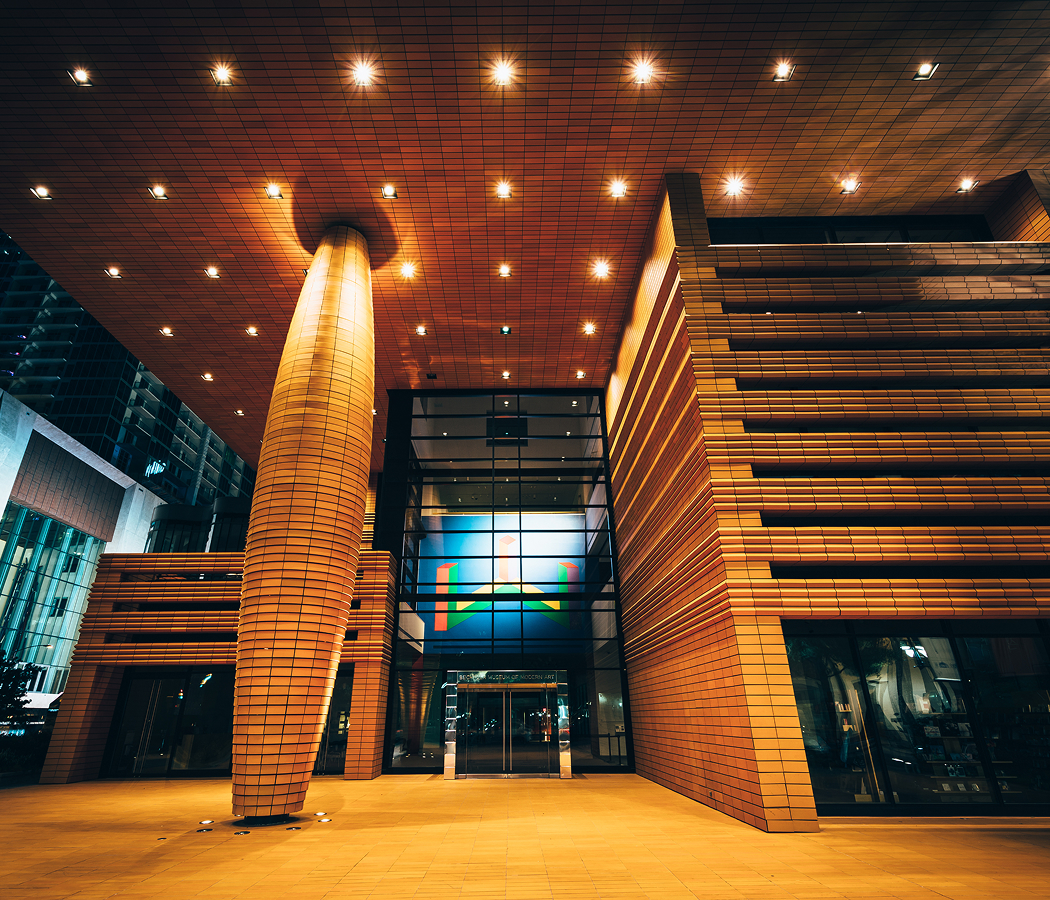
Set at the edge of Marion Square, The Dewberry occupies a former midcentury federal building, and that origin matters. From the moment you approach, the hotel signals that this will not be a nostalgic reenactment of Charleston, nor a polite imitation of historic grandeur. The exterior is disciplined, modernist, and composed, standing in intentional contrast to the surrounding ornamented cityscape. Arrival feels purposeful and grounded, as though you are stepping into a space that has already decided what it is and has no interest in convincing you. Inside, the transition is immediate and immersive. The lobby unfolds as a study in proportion, material, and silence. Stone, wood, leather, and glass are deployed with precision, creating an environment that feels warm. There is no visual clutter, no decorative noise. Instead, the space invites attention through balance and stillness. Movement slows. You become aware of sound, light, and texture. The hotel does not entertain you; it steadies you. Guest rooms continue this philosophy with remarkable discipline. Layouts are generous but controlled, offering space. Beds are substantial and grounding, positioned as architectural anchors. Furnishings are low-slung, tactile, and intentional, chosen to support the body. Color palettes remain muted and earthy, allowing daylight and shadow to shape the resonant tone of the room. Windows frame views of Marion Square, rooftops, or the city's quiet geometry, reinforcing a sense of perspective. Bathrooms are serene and ritualistic, with deep soaking tubs, refined fixtures, and lighting that encourages unhurried use. What defines The Dewberry Charleston is its intellectual approach to luxury. Public spaces are not designed for crowd flow or social display, but for presence. Mornings feel contemplative rather than energetic, shaped by silence, coffee, and light moving slowly across surfaces. Afternoons invite pause and recalibration, ideal for returning between walks or meetings to let the city settle into memory. Evenings feel composed and intentional, where dining and social spaces hum softly. The hotel's restaurant and lounge environments extend the same philosophy, offering experiences that feel edited, confident, and deeply considered. Service throughout The Dewberry is precise, intuitive, and refreshingly understated. Interactions feel informed rather than effusive, respectful rather than rehearsed. Staff anticipate needs without intrusion and offer guidance rooted in understanding rather than obligation. There is a sense that everyone here understands the tone of the space and protects it. Step outside and Charleston unfolds immediately, but differently. Marion Square, King Street, historic neighborhoods, and cultural institutions sit just beyond the doors, yet returning to the hotel always feels like stepping back into calm. This hotel is ideal for travelers who want Charleston to feel modern, thoughtful, and emotionally grounded, a stay shaped by design intelligence and composure.
What defines The Dewberry Charleston.
The Dewberry Charleston is guided by a philosophy that treats silence, proportion, and material honesty as the highest forms of luxury.
Unlike hotels that attempt to layer comfort on top of history, The Dewberry begins with restraint. The original modernist structure was not softened into anonymity; it was sharpened into clarity. This decision gives the hotel a sense of conviction that is rare in hospitality. Nothing here feels accidental. Every surface, angle, and transition has been considered for how it affects the body and mind. Another understated strength lies in how the hotel handles resonant pacing. There is no attempt to keep guests stimulated. Instead, the environment supports focus and calm. Light is used strategically, with brightness where orientation is needed and softness where rest is intended. Sound is managed through layout rather than suppression, allowing quiet to feel natural rather than enforced. This creates a sense of psychological ease that lingers long after check-in. The Dewberry also challenges traditional Southern hospitality tropes. Warmth here is not delivered through exuberance or charm, but through respect, consistency, and care. This reframing attracts a guest who values discretion and depth over ceremony. Architects, creatives, executives, and independent travelers often find resonance here, drawn to the hotel's confidence and lack of compromise. The property also treats time with unusual clarity. Mornings feel grounding and inward-facing. Midday remains neutral and adaptable. Evenings feel conclusive rather than escalating, allowing the day to close with intention. This rhythm mirrors the hotel's broader character: nothing is rushed, nothing is forced, and nothing is added. The service philosophy reinforces this discipline. Assistance is offered when needed and withheld when not. Conversations feel informed. There is an understanding that guests drawn to The Dewberry are often seeking clarity, restoration, or focus. Public spaces feel shared. Private rooms feel authored. Staying here often reframes Charleston as a city capable of contemporary confidence and intellectual depth, not just historical charm. The Dewberry does not reinterpret the city. It refracts it through a modern lens.
How The Dewberry Charleston fits.
The Dewberry Charleston works best when your Charleston experience is best known for intention, pacing, and a willingness to let quiet moments carry weight.
Begin your mornings inward. Open the curtains and let light define the room before the city enters. Take breakfast slowly, using the time to orient. Step outside when ready and walk through Marion Square or along King Street without agenda, allowing architecture and rhythm to guide direction. Late mornings and early afternoons are ideal for exploration. Visit galleries, historic streets, and cultural institutions, choosing depth over breadth. Return midday to the hotel not to retreat, but to integrate. Sit in a quiet space. Have a coffee. Let impressions settle. These pauses deepen the experience. In the afternoon, venture outward again with clarity. Explore neighborhoods, waterfront paths, or side streets, knowing your anchor remains calm and centered. As evening approaches, allow the hotel to reenter the experience. Change slowly. Begin with a drink or quiet moment in one of the hotel's social spaces, letting the shift from day to evening feel intentional. Dine thoughtfully, either on property or nearby, guided by mood. After dinner, return through softly lit spaces that feel resolved. Nights here are restorative, shaped by stillness. On your final morning, linger longer than planned. One last look across the square. One final moment of quiet. Let departure feel deliberate.
Where your story begins.
Foresyte Travel reveals places that feel extraordinary long before you arrive.
Enjoy editorial crafted for luxury travelers.
Foresyte may earn a commission when you book.