Why The Ritz-Carlton matters.
The Ritz-Carlton is a defining urban hotel where Downtown's commercial culture meets Southern history, civil rights memory and the city's transformation into a major regional center of business, sports and entertainment.
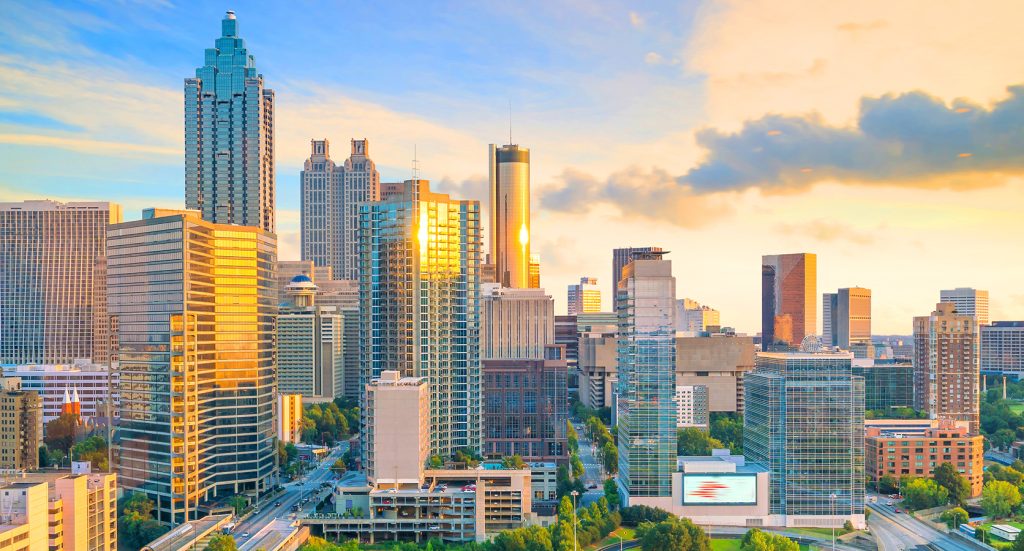
Standing along Peachtree Street in Downtown, The Ritz-Carlton sits between Centennial Olympic Park, the Georgia Aquarium, State Farm Arena and the historic streets leading toward Sweet Auburn, with Midtown and the Westside extending beyond the central business district. Its distinctive physical setting combines a grand urban hotel, office towers, convention facilities, sports venues, public parks and the dense civic landscape of the city center. The city is encountered primarily through movement between the hotel, Peachtree Street, downtown restaurants, museums, arenas, public squares and the routes leading toward the Georgia State Capitol and Martin Luther King Jr. National Historical Park. A second atmosphere develops inside the property through restaurants, lounges, guest floors, fitness facilities, spa services and event rooms that provide a polished refuge from downtown traffic, heat and public activity. The result is an exceptional city hotel whose architecture and setting connect Atlanta's commercial power, Southern history, civic institutions and contemporary entertainment economy.
What defines The Ritz-Carlton.
The Ritz-Carlton opened in April 1984 as the second hotel developed under the newly established Ritz-Carlton Hotel Company, placing the property at the beginning of one of the most consequential expansions in American luxury hospitality. The company's modern incarnation emerged in 1983 under businessman William B. Johnson, whose acquisition of the Ritz-Carlton name and partnership with hotelier Horst Schulze established the foundation for a national luxury hotel brand headquartered in Atlanta. Schulze brought a rigorous philosophy of personalized service, employee empowerment and operational consistency that became central to the company's identity. The downtown property joined The Ritz-Carlton, Buckhead during a period when Atlanta's corporate expansion, convention economy and international ambitions were reshaping its hospitality industry. Architects John Sumner and Associates designed the Peachtree Street hotel, introducing a major luxury property into a downtown increasingly defined by ambitious commercial construction. The following year, John Portman's Atlanta Marriott Marquis expanded the city's convention infrastructure, placing the Ritz-Carlton's arrival within a broader transformation of downtown hospitality. The company's subsequent expansion carried its Atlanta-developed service philosophy across the United States, culminating in the Malcolm Baldrige National Quality Award in 1992. The downtown hotel also became an important testing ground for the brand's culinary evolution. In 1999, Atlanta Grill became the first localized restaurant concept within a Ritz-Carlton portfolio previously organized around standardized dining formats. Its introduction marked a significant departure in the company's approach to restaurant identity, connecting luxury hotel dining with the particular culinary character of its host city. A comprehensive restaurant transformation in 2016 introduced AG, Modern Bar and Steakhouse, preserving the original concept's Atlanta character through a contemporary steakhouse format. The property's subsequent evolution included a 2022 renovation initiative encompassing its principal lobby and Lumen Lounge, with architectural work assigned to Sarfatty Associates. These successive developments position The Ritz-Carlton as an early institutional landmark in the modern Ritz-Carlton brand and an enduring participant in the evolution of Atlanta's luxury hospitality industry.
Executive Chef Quinn Bullard's culinary direction gives the hotel's hospitality character a distinctly Southern foundation, developed through regional sourcing, precise steakhouse technique, carefully balanced sweet and savory flavors and a particular emphasis on smoking. Appointed in 2024, Bullard brought extensive luxury hotel experience to a dining program whose principal restaurant combines the ceremony of a traditional American steakhouse with the agricultural character of the Southeast. At AG, Modern Bar and Steakhouse, the kitchen develops its character through carefully selected beef, seasonal produce, fresh seafood and preparations that introduce smoke, acidity and restrained sweetness into familiar Southern flavor combinations. Wet-aged steaks receive particular attention, with accompaniments such as chimichurri, compound butters and rich finishing sauces allowing guests to shape the depth and intensity of the meal. The restaurant's leather-lined booths, vintage photographs and formal table service reinforce an atmosphere of established metropolitan hospitality, with the outdoor Veranda extending dining into the open air above Peachtree Street. Its private dining arrangements deepen that sense of occasion through The Kitchen, an intimate communal chef's table, and The Distillery, a setting dedicated to more specialized gatherings. Lumen Lounge develops a complementary interpretation of Southern hospitality through globally influenced small plates, composed cocktails and live musical performances, giving the hotel's public interiors a distinct evening identity. The beverage program draws particular character from American whiskey, aromatic bitters, fruit and smoke, translating regional drinking traditions into polished contemporary mixology. Athens-based Jittery Joe's contributes another Georgia connection through micro-roasted coffee, housemade pastries and the Eighty-Four Pour blend, whose name commemorates the hotel's opening year. The property's pastry program adds a further dimension through seasonal afternoon teas, delicate confections and desserts incorporating Southern and Caribbean flavors, including the Atlanta Peach with passion fruit mousse and mint anglaise. On the twenty-fourth floor, the Ritz-Carlton Club Lounge develops the same hospitality philosophy through dedicated concierge attention, continuous culinary presentations and an elevated selection of wines, cocktails and refreshments. Together, these dining and service traditions give the hotel a coherent character rooted in Atlanta's hospitality heritage, regional culinary culture and the personalized standards established during the Ritz-Carlton brand's formative years.
How The Ritz-Carlton fits.
The Ritz-Carlton works as the starting point for an exploration connecting Atlanta's Olympic landscape, its civil rights history and the public institutions that preserve the city's cultural, scientific and regional identity.
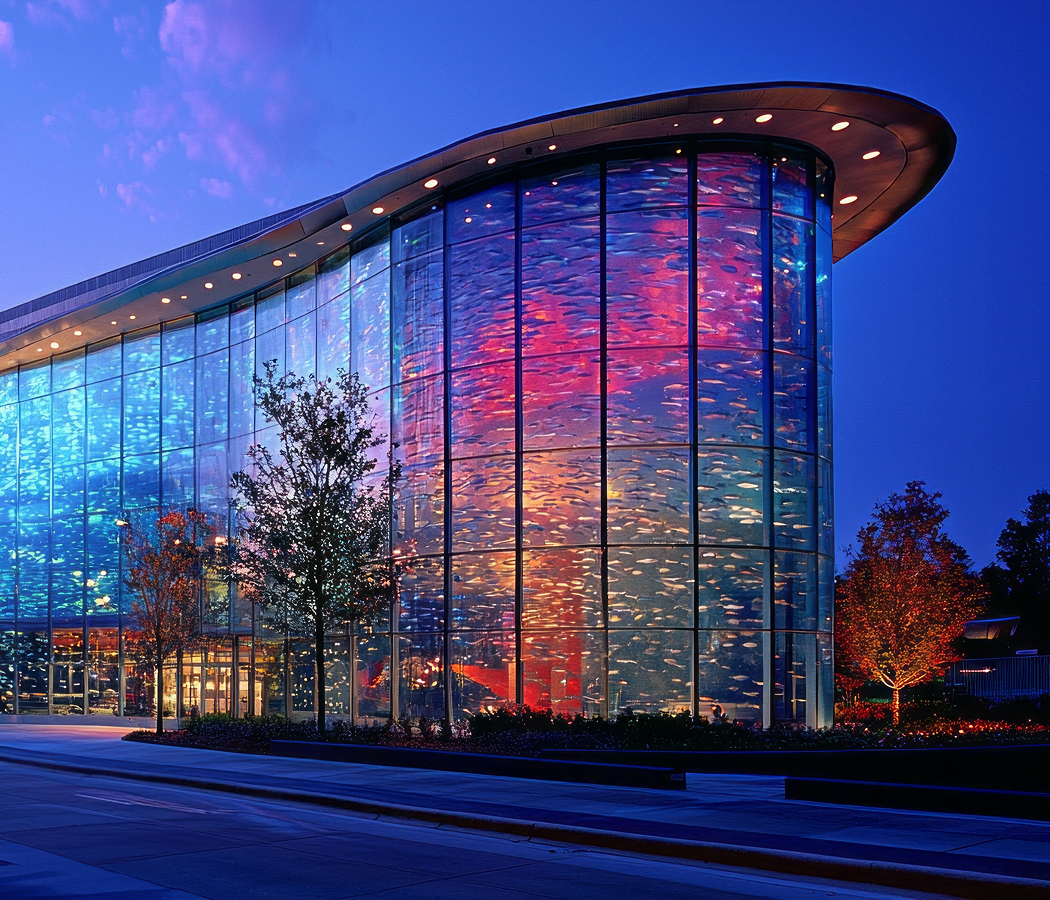
Begin at Centennial Olympic Park, the central public landscape where fountains, lawns, sculptures, memorials and event spaces preserve the legacy of the 1996 Summer Olympic Games. The park occupies the heart of Downtown and connects the Georgia Aquarium, World of Coca-Cola, State Farm Arena and the broader civic district through open pedestrian space. Its design demonstrates how an international sporting event reshaped the city's public center and visitor economy. Continue to Georgia Aquarium, the major marine institution where whale sharks, manta rays, ocean habitats, river environments and educational galleries present aquatic life from around the world. The aquarium occupies a prominent position beside Centennial Olympic Park and creates a scientific and architectural landmark within Atlanta's entertainment district. Its galleries connect the inland capital with global oceans, conservation, research and the wider environmental systems that shape modern city life. Continue to Martin Luther King Jr. National Historical Park, the historic landscape where the birth home, church, memorial sites and neighborhood streets preserve the life and legacy of the civil rights leader. The district occupies the Sweet Auburn neighborhood east of downtown and connects Atlanta's religious, political and community history with the broader national struggle for civil rights. Its buildings and public spaces reveal the local scale of a movement that reshaped the United States. Conclude at the Atlanta History Center, the expansive cultural institution where historic houses, gardens, exhibitions, archives and public programs present Atlanta's development from regional settlement to modern metropolis. The campus occupies a wooded landscape in Buckhead and provides a broader perspective on the city's political, military, commercial and social history. Its collections connect downtown's contemporary skyline with the neighborhoods, families and institutions that shaped Atlanta across generations. The progression moves from Centennial Olympic Park's civic and Olympic landscape through Georgia Aquarium's global marine culture, continues across Martin Luther King Jr. National Historical Park's civil rights history and concludes at Atlanta History Center, where the city's sport, science, memory, architecture and regional character meet.
Where your story begins.
Foresyte Travel reveals places that feel extraordinary long before you arrive.
Enjoy editorial crafted for luxury travelers.
Foresyte may earn a commission when you book.