Why you should experience The Siren Hotel in Detroit, Michigan.
The Siren Hotel is deliberate disruption cloaked in sophistication, where historic identity meets contemporary reinvention, and design audacity is balanced by hospitality that feels intentional.
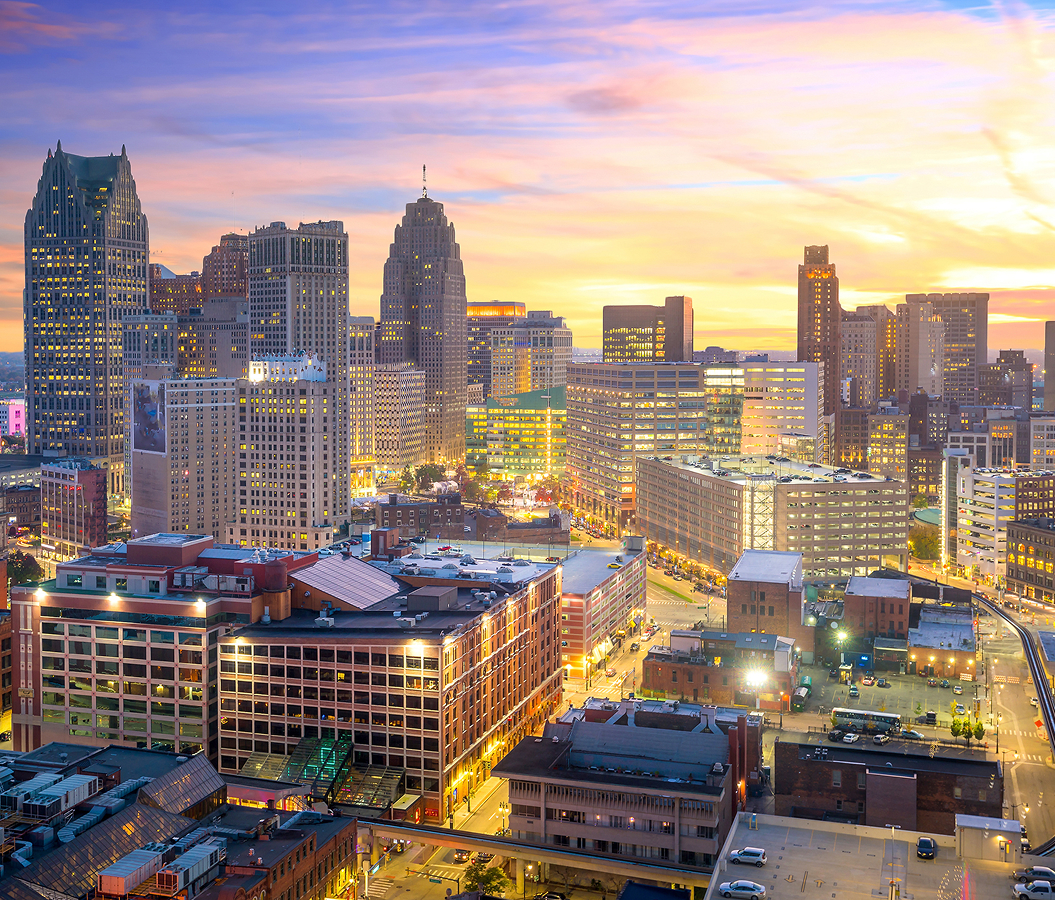
Set in Detroit's Washington Boulevard Historic District occupies a building that has witnessed the city's full arc, ambition, decline, reinvention, and reinterprets that narrative into an environment that feels both provocative and purposeful. Arrival isn't muted; it's a recalibration. The exterior carries architectural gravitas but hints at something unconventional within: a property that doesn't settle for backdrop, but insists on presence. Stepping inside is a transition from street energy to curated spatial experience. Interiors are layered, thoughtful, and unapologetically modern, yet they never feel out of place within the city's historic frame. Design pulls from art, craft, and collected detail. Rich textures, moody tones, unexpected compositions, and intentional lighting create an atmosphere that feels as alive as the city around you. Public spaces are structured for purpose, not performance. There are places to gather, to think, to notice, to be, but nothing feels staged or choreographed. Furniture placement, lighting cues, and visual rhythm support presence over impression. Conversation spaces feel social without forcing interaction; solitude corners invite reflection without isolation. Guest rooms extend this philosophy into private space with comfort that feels tailored, intelligent, and distinct. Layouts are bold yet coherent, supporting rest, work, and decompression in ways that feel natural. Beds are deeply comfortable and anchored in design logic that prioritizes styling. Lighting is layered and responsive, supporting early productivity and evening calm without visual fatigue. Windows are generous, framing Detroit context, historic façades, urban grids, rising towers, and moments of everyday life, grounding you in place. Bathrooms are refined yet practical: clean lines, purposeful finishes, and intuitive layouts that elevate routine. Sound is managed artistically, allowing the city's pulse to remain present without intrusion. Service at The Siren Hotel is perceptive, cultured, and adaptive. Interactions feel conversational and authentic. Staff guide with local insight, transit cues that save time, restaurant suggestions that resonate with the neighborhood's energy, cultural recommendations that feel reflective. Staying here feels like choosing expression over imitation, presence over anonymity, and a hotel that engages your curiosity.
What you didn't know about The Siren Hotel.
The Siren Hotel's identity is shaped by design intentionality fused with historic narrative, and that combination influences every aspect of the experience, from circulation patterns to lighting direction, material selection, and service tone.
Rather than returning to nostalgia or softening its historic edges, the hotel embraces them as texture, as architectural memory layered under contemporary expression. The building itself, located on Detroit's once-celebrated Washington Boulevard, was part of an urban era where ambition and civic pride shaped the city's architectural language. The Siren acknowledges that lineage, but. Interiors do not lean on familiar luxury tropes. There's no predictable palette of creams and silvers or overused hospitality tropes. Instead, you encounter intentional juxtapositions, deep tones balanced by light, crafted elements paired with industrial references, lighting that feels directional and composed. This isn't design for its own sake; it's design that frames experience. Public spaces feel anchored and purposeful. Circulation is intuitive; spaces feel connected. Renovations and updates emphasize infrastructure and performance as much as aesthetic evolution: lighting calibration, acoustics, climate systems, and spatial organization are continually refined so the environment feels adaptive. This operational intelligence is part of why the hotel feels so confidently composed: it's built to perform as much as it is built to impress. The neighborhood context reinforces this identity. Washington Boulevard is not a sanitized historic corridor; it's part of a city in active transformation, where architecture, culture, commerce, and daily life intersect dynamically. The hotel does not attempt to separate you from that energy; it situates you within it, offering vantage without retreat. Staff culture reflects this alignment. Service here is articulate, informed, and situationally aware. Conversations with staff feel like guidance from people who understand Detroit's lived life, where to go, when to go, why this moment matters. In a hospitality landscape often divided between thematic pastiche and upscale uniformity, The Siren Hotel stands apart by committing to intentional identity as its guiding principle, proving that a hotel can be compelling not because it mimics luxury or history, but because it weaves them into design that feels alive.
How to fold The Siren Hotel into your trip.
The Siren Hotel works best as a sensory and intellectual base, a place that doesn't just host your stay but enriches how you move through Detroit, turning the city's contrasts into coherent experience.
Days here can begin without routine pressure. Step outside and you are in the Washington Boulevard corridor, a walkable zone where historic façades, galleries, theaters, restaurants, and transit options all converge. This immediacy allows your day to unfold organically. Morning exploration can stretch from curated galleries to neighborhood cafés without logistical friction. Midday returns to the hotel are genuinely restorative. The environment's composed clarity allows experience to settle. This makes long days sustainable. Afternoons can extend through cultural engagement, neighborhood discovery, architectural tours, or purposeful wandering into Midtown or Corktown. Because the hotel is situated within a nexus of Detroit's historic and contemporary corridors, each movement feels additive. Evenings at The Siren Hotel feel like continuations. Dinner plans, whether fine dining, local favorites, or spirited neighborhood spots, feel accessible without transit planning. After dinner, return to the hotel's lounges and bars feels like a natural extension of the evening. The lighting, design, and spatial rhythm invite conversation, pause, and reflection without sensory overload. Over multiple nights, familiarity becomes an asset. You begin to anticipate rhythms, how light shifts across facades at dusk, which streets feel quieter after certain hours, where the city's pulse softens or intensifies. Extended stays reveal the property's deepest value: emotional continuity. You engage with Detroit not as a series of disconnected highlights but as an environment with cadence, texture, and meaning. By the time you depart, The Siren Hotel will not feel like just a place you stayed, it will feel like a lens through which Detroit became intelligible, perceptible, and deeply felt, offering coherence, comfort, and conceptual depth that stays with you long after check-out.
Where your story begins.
Start your planning journey with Foresyte Travel.
Experience immersive stories crafted for luxury travelers.