Why The St. Regis Kuala Lumpur matters.
The St. Regis Kuala Lumpur is a landmark luxury hotel where Kuala Lumpur Sentral's railway connectivity meets the St. Regis tradition of New York hospitality, contemporary Malaysian development and one of the city's most consequential hotel-and-residence towers.
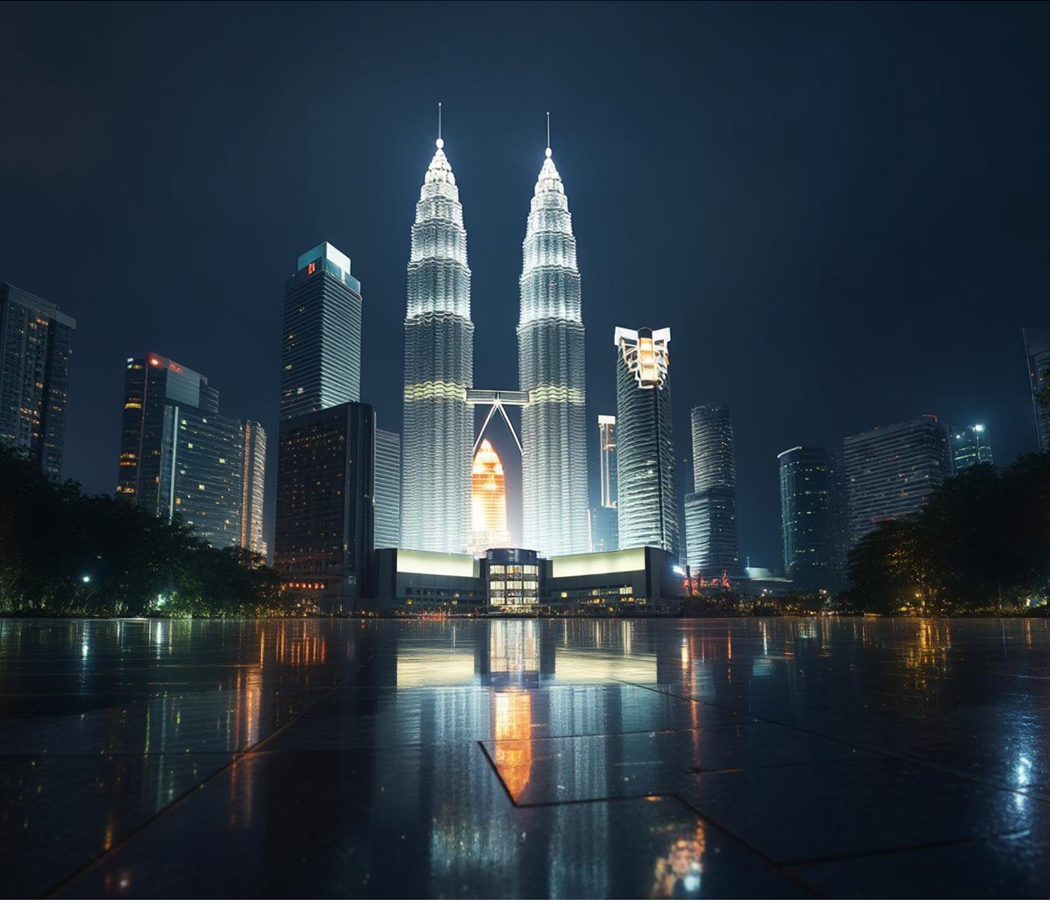
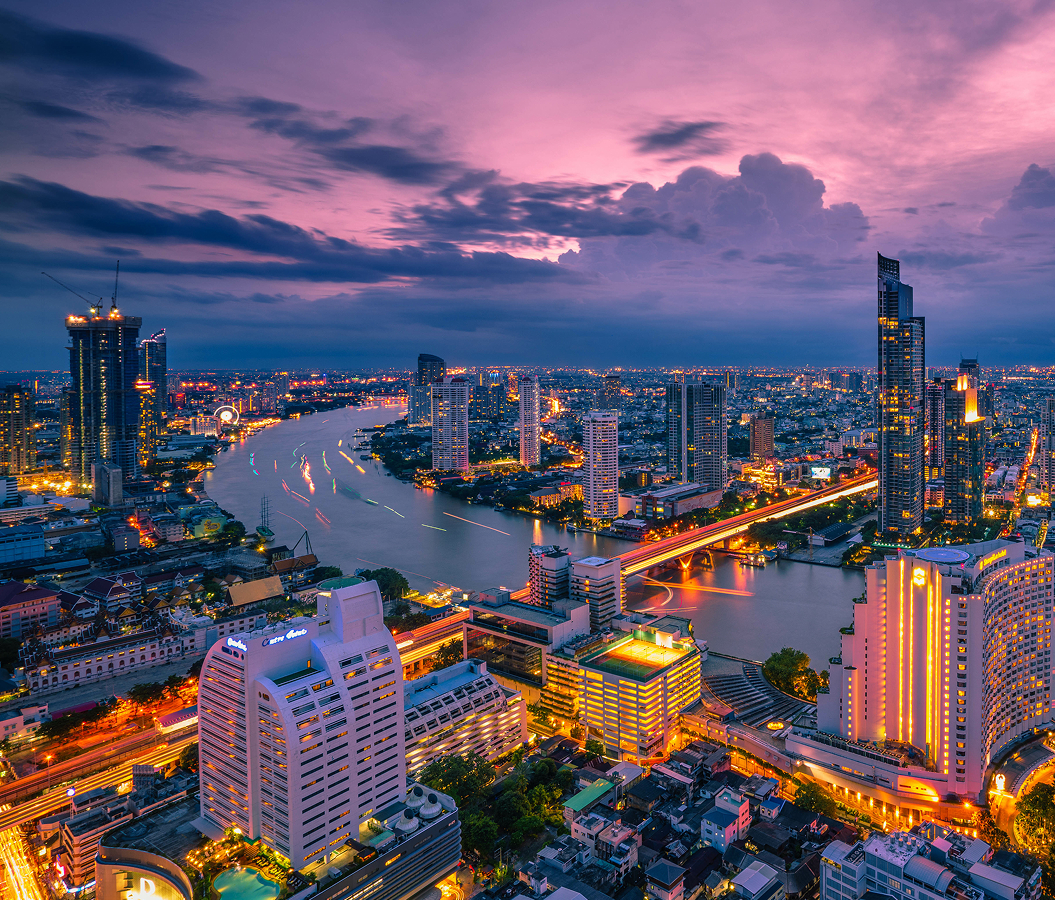
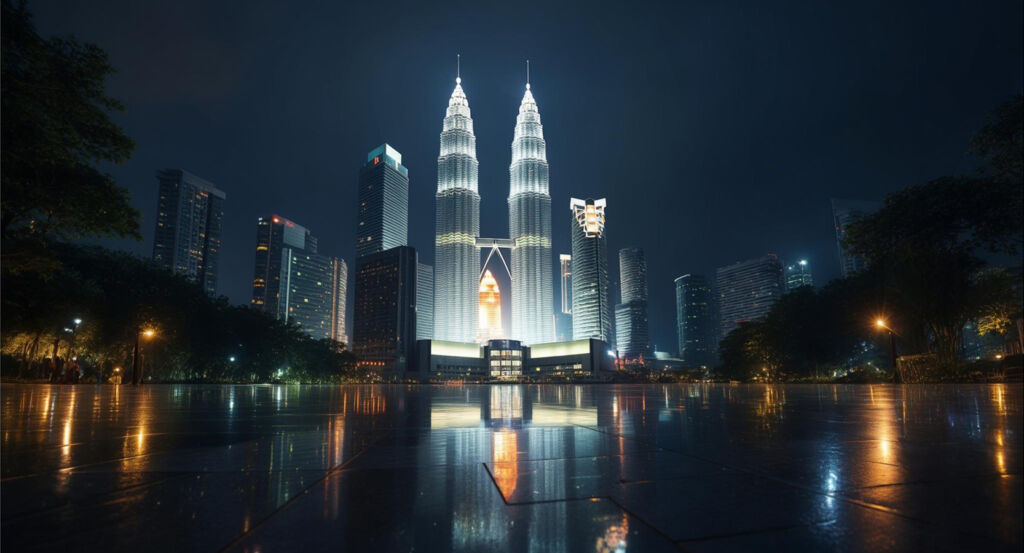
Occupying No 6 Jalan Stesen Sentral 2 in Kuala Lumpur Sentral, The St. Regis Kuala Lumpur sits beside KL Sentral station, between Jalan Damansara, Jalan Travers and Brickfields, with the railway interchange, office towers and central city skyline defining its immediate urban setting. The station complex links the property to airport rail services, intercity trains, urban transit and pedestrian routes through the Sentral district. Jalan Damansara carries traffic toward Central Kuala Lumpur, Petaling Jaya and the federal administrative corridor west of the city. The surrounding built environment shifts between glass office towers, elevated rail infrastructure, apartment blocks, shopping arcades and older streets associated with Brickfields. The hotel rises above this layered urban setting with broad views across the central city. Its position places formal luxury hospitality directly beside the infrastructure that connects Kuala Lumpur to the rest of Malaysia and the wider region. The result is a substantial urban hotel whose architecture and address express the metropolitan scale of Kuala Lumpur Sentral.
What defines The St. Regis Kuala Lumpur.
The St. Regis Kuala Lumpur originated in the transformation of KL Sentral into a major international commercial district, introducing the historic New York luxury hotel brand to Malaysia through an ambitious development combining contemporary architecture, private residential ownership and an extraordinary collection of commissioned art. Developer ONE IFC Sdn Bhd conceived the property as the hospitality centerpiece of ONE IFC, a mixed-use complex designed to accommodate the expanding commercial and residential ambitions of Malaysia's capital. The development represented a significant investment in Kuala Lumpur's luxury property sector, extending the commercial evolution of KL Sentral through an architectural program that combined international hotel management with privately owned residences. Architectural practice RSP Architects developed the 48-storey tower, establishing a contemporary high-rise composition whose substantial glazed elevations and carefully organized structural volumes expressed the district's emerging metropolitan character. The completed complex encompassed 957,000 square feet, integrating hospitality and residential functions within a coordinated architectural development. Its design also achieved Green Building Index certification, connecting the project's luxury positioning with Malaysia's developing standards for environmentally responsible commercial construction. London-based GA Design developed the hotel's interior architecture, drawing inspiration from the grand residential apartments of Manhattan and the distinctive social traditions associated with the St. Regis brand. The design philosophy traced its historical origins to John Jacob Astor IV, whose establishment of The St. Regis New York in 1904 introduced a new expression of private residential luxury to American hotel hospitality. GA Design interpreted this inheritance through elaborate decorative craftsmanship, richly detailed interiors and architectural compositions inspired by the ceremonial elegance of early twentieth-century New York. Equestrian motifs became a defining element of the decorative program, reflecting the Astor family's association with polo and the longstanding relationship between the sport and international aristocratic society. Horsehair leather panels, saddle stitching and stirrup-inspired details introduced these references throughout the interiors, establishing continuity between the hotel's contemporary design and the cultural inheritance of its founding brand. The artistic program acquired particular distinction through the involvement of Carmen Chua, chief executive officer of ONE IFC, who personally curated and commissioned a substantial collection of contemporary artworks. Colombian sculptor Fernando Botero contributed an expansive bronze horse measuring 3.5 metres, introducing his internationally recognized treatment of exaggerated volume and sculptural proportion into the hotel's principal public interior. British artist Mark Evans created Grace Thunders, a specially commissioned diptych comprising two hand-etched leather murals measuring 4.9 metres each. The composition depicts a dramatic polo charge, connecting Evans's distinctive artistic technique with the equestrian traditions underlying the property's decorative identity. Sculptor Barnaby Hosking contributed Birds and Butterflies, a three-dimensional installation inspired by the natural environment of Kuala Lumpur's Perdana Botanical Gardens. The collection established a distinctive relationship between internationally recognized contemporary artists, Malaysian cultural references and the St. Regis tradition of incorporating fine art into grand residential hospitality. The hotel's interior construction involved specialist Malaysian contractor CAN-I Interior Fit-Out, whose work between May 2013 and April 2016 included technically demanding decorative installations and imported finishes. Its contribution encompassed the gold-tiled domed ceiling of the wine cellar, a complex architectural feature requiring carefully coordinated metal framing, acoustic treatment and precision installation. The St. Regis Kuala Lumpur officially opened on May 3, 2016, becoming the brand's thirty-eighth property worldwide and establishing a significant new luxury hospitality institution within Malaysia's capital. Its arrival occurred during Starwood Hotels & Resorts Worldwide's final year as an independent company, preceding Marriott International's acquisition of Starwood in September 2016. The hotel subsequently developed a substantial international reputation for its art collection, personalized hospitality and sophisticated dining program. Its Astor Bar gained additional cultural visibility through its appearance in the 2018 film Crazy Rich Asians, connecting the property's elaborate interiors with an internationally successful cinematic portrayal of contemporary Asian luxury. Recognition continued through Tatler's 2025 Hotel of the Year and Best City Hotel distinctions, followed by further Best City Hotel recognition in 2026. The St. Regis Kuala Lumpur represents a distinctive convergence of Malaysian commercial development, international luxury hospitality, contemporary architectural design and the artistic traditions established by one of New York's most influential historic hotel brands.
Carmen Chua's artistic vision gives The St. Regis Kuala Lumpur an unusually distinctive experiential identity, transforming the ceremonial traditions of New York's original St. Regis into a contemporary Malaysian interpretation of private residential luxury. GA Design's interiors develop this relationship through the blend of European decorative craftsmanship, equestrian symbolism and expansive contemporary art, establishing a sequence of public spaces whose architectural character encourages extended social engagement. The Drawing Room provides a particularly expressive interpretation of this philosophy, with Botero's sculptural horse positioned beneath an elaborate five-tier crystal chandelier. The contrast of sculptural volume, refracted light and carefully composed furnishings creates an atmosphere informed by the grand drawing rooms of historic private residences. Afternoon tea introduces the ceremonial hospitality associated with the Astor family's New York establishment, connecting the measured presentation of pastries and refreshments with the social traditions of early twentieth-century metropolitan entertaining. The hotel's signature butler service extends that residential philosophy into personalized daily rituals, incorporating unpacking, garment pressing and morning coffee or tea service through an approach centered on attentive individual hospitality. This emphasis on discretion and continuity establishes a distinctive relationship between the property's elaborate public character and the intimate character of its private accommodations. Astor Bar develops another dimension through the sophisticated drinking culture associated with New York's historic luxury hotels, interpreting classic cocktail traditions through contemporary preparation and carefully selected spirits. Its Asam Boi Mary introduces a particularly distinctive Malaysian expression of the St. Regis Bloody Mary ritual, incorporating calamansi, preserved sour plum, chili padi and Sarawak pepper into a composition that connects the brand's American origins with Southeast Asian flavor traditions. The accompanying Decanter wine cellar contributes a more contemplative interpretation of beverage craftsmanship through a collection exceeding 650 labels, presented beneath an elaborate gold-tiled dome. The Macallan M Room extends this appreciation for provenance and maturation into Scotch whisky, bringing rare expressions from the distillery's Red Collection into a dedicated environment for guided appreciation. Executive Chef Marco Erba develops the hotel's culinary character through an international career encompassing France, Italy, Australia, China, Qatar and South Korea. His appointment in 2026 introduced a leadership philosophy shaped by European culinary discipline, extensive Asian hospitality experience and the technical demands of coordinating several distinctive restaurant concepts. The Brasserie expresses this international character through a culinary approach that connects contemporary European preparation with the aromatic complexity and agricultural diversity of Malaysian cuisine. Its recognition by the MICHELIN Guide strengthens the property's gastronomic standing, complementing a longstanding Guest Star Chef Series that has brought distinguished international culinary practitioners into the hotel's dining program since 2016. Japanese gastronomy contributes another defining dimension through Taka, whose intimate sushi counter is fashioned from 300-year-old hinoki wood. The restaurant's emphasis on seasonal Japanese ingredients and precise preparation connects the ceremonial traditions of sushi service with the relationship between knife technique, rice temperature and the natural character of premium seafood. Tenshin develops a complementary interpretation of Japanese craftsmanship through Edomae-style tempura omakase, with ingredients arriving from Japan three times weekly and preparations governed by the exacting relationship between batter, oil temperature and delicate texture. USHI introduces the distinctive agricultural heritage of Japanese beef through Ozaki cattle, whose carefully managed breeding and feeding produce the intricate marbling associated with exceptional Wagyu. These restaurants establish a sustained connection between ingredient provenance, specialized culinary technique and the intimate service traditions of Japanese fine dining. Crystal contributes a contrasting social atmosphere through rooftop entertaining, contemporary Asian-influenced cooking and cocktails suited to Kuala Lumpur's tropical climate. The property's experiential character ultimately emerges through the integration of commissioned contemporary art, personalized residential service, ceremonial beverage traditions and internationally accomplished gastronomy, establishing The St. Regis Kuala Lumpur as a distinctive expression of Malaysian metropolitan luxury shaped by the enduring cultural inheritance of the Astor family.
How The St. Regis Kuala Lumpur fits.
The St. Regis Kuala Lumpur works as a central base for tracing Kuala Lumpur's relationship with tropical urban landscape, Malaysian national culture and the Indian commercial life that grew around the railway district.
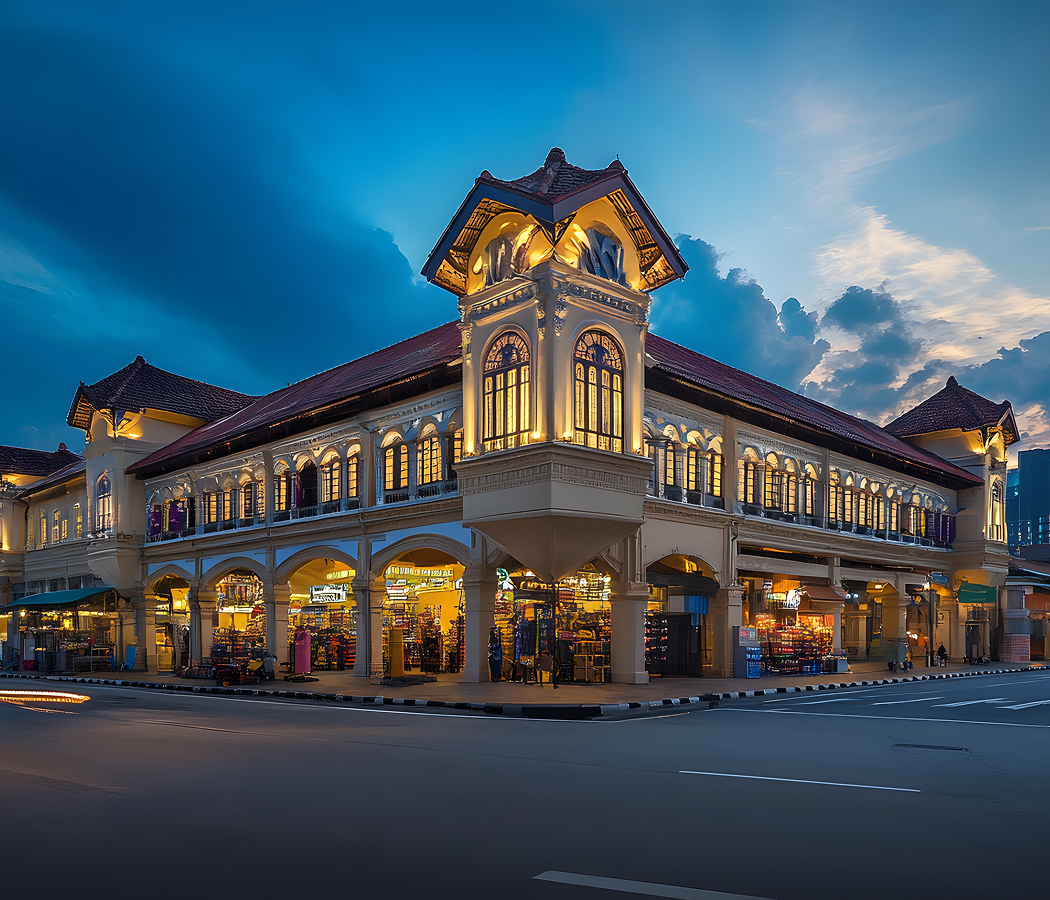
Begin at Perdana Botanical Gardens, the central green landscape formerly known as Lake Gardens and developed as a public recreational park in 1888. The 172.9-acre grounds contain lakes, walking paths, the Orchid Garden, Hibiscus Garden, Herb Garden, Deer Park and other planted collections within the dense central city. The gardens preserve a broad civic landscape between Kuala Lumpur's major institutions and the high-rise districts surrounding KL Sentral. Their older park structure gives the route a sense of historical depth before it reaches the formal institutions beyond the tree canopy. The garden's paths, water and botanical collections place tropical landscape at the center of the capital's urban identity. Continue to National Museum of Malaysia, which opened in 1963 as a national institution devoted to the country's history, culture and material heritage. The museum's building uses a traditional Malay architectural vocabulary, with a broad roofline, ceremonial entrance and mosaic decoration that frame its galleries as a statement of national identity. Its collections extend across prehistory, natural history, ethnology, ceramics, textiles and the cultural traditions of Malaysia's many communities. The museum occupies a significant civic position near Lake Gardens, the National Mosque and the former administrative quarter, linking cultural memory to the capital's post-independence landscape. Its galleries provide the historical style for understanding the ethnic, political and artistic forces that surround The St. Regis Kuala Lumpur. Conclude at Little India Brickfields, the Indian-Malaysian commercial district shaped by railway employment, migrant communities and generations of Tamil cultural life. Jalan Tun Sambanthan and Jalan Travers carry the district's shops, textile merchants, jewelry businesses, Hindu temples, restaurants and food stalls through a dense street-level setting beside KL Sentral. Brickfields was officially designated Little India Malaysia in 2009, giving formal civic expression to a neighborhood whose social history reaches back to the railway infrastructure of British Malaya. The district's commercial life remains tied to everyday residents through banana-leaf restaurants, sari shops, spice sellers, religious institutions and festival activity. The progression moves from cultivated public landscape through national cultural memory into the living neighborhood culture that gives Kuala Lumpur Sentral its human scale.
Where your story begins.
Foresyte Travel reveals places that feel extraordinary long before you arrive.
Enjoy editorial crafted for luxury travelers.
Foresyte may earn a commission when you book.