Why The Westin Hilton Head Resort & Spa matters.
The Westin Hilton Head Resort & Spa is a coastal resort where Hilton Head's maritime landscape meets Lowcountry traditions, Atlantic beach culture and the island's transformation from plantation territory into a major destination for golf, nature and leisure.
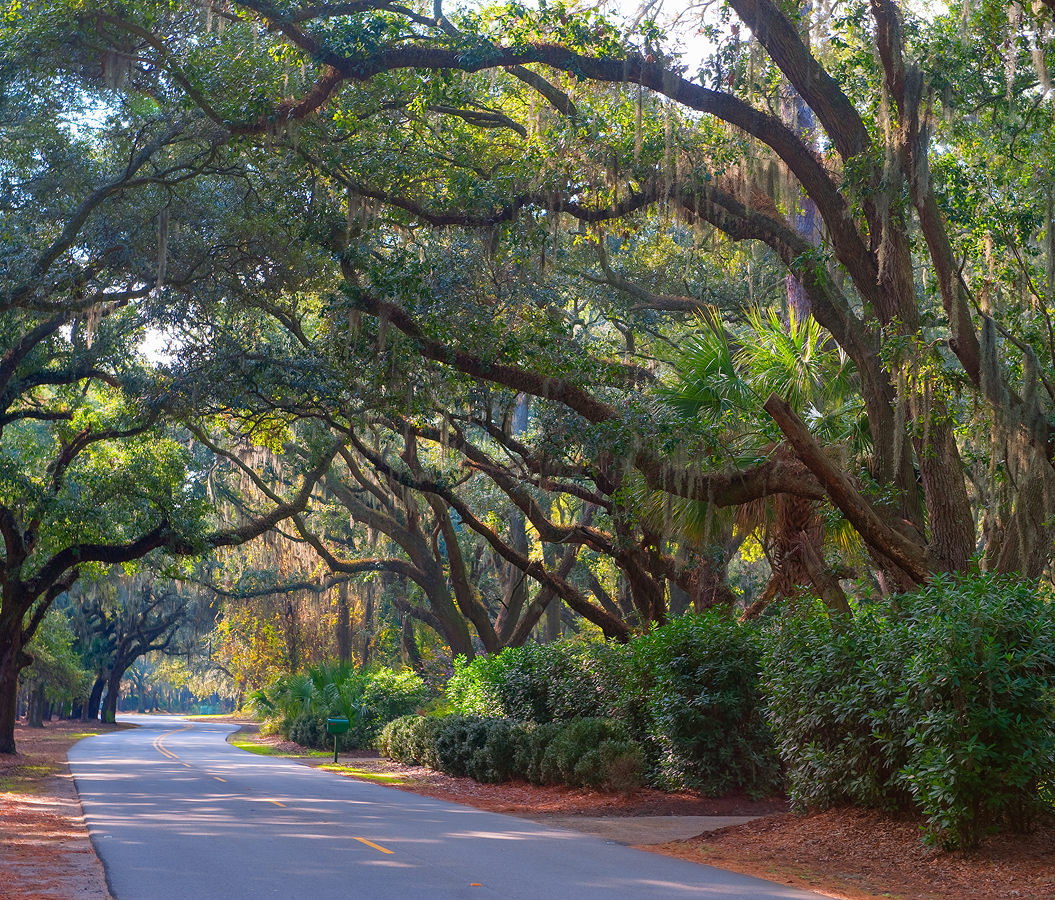
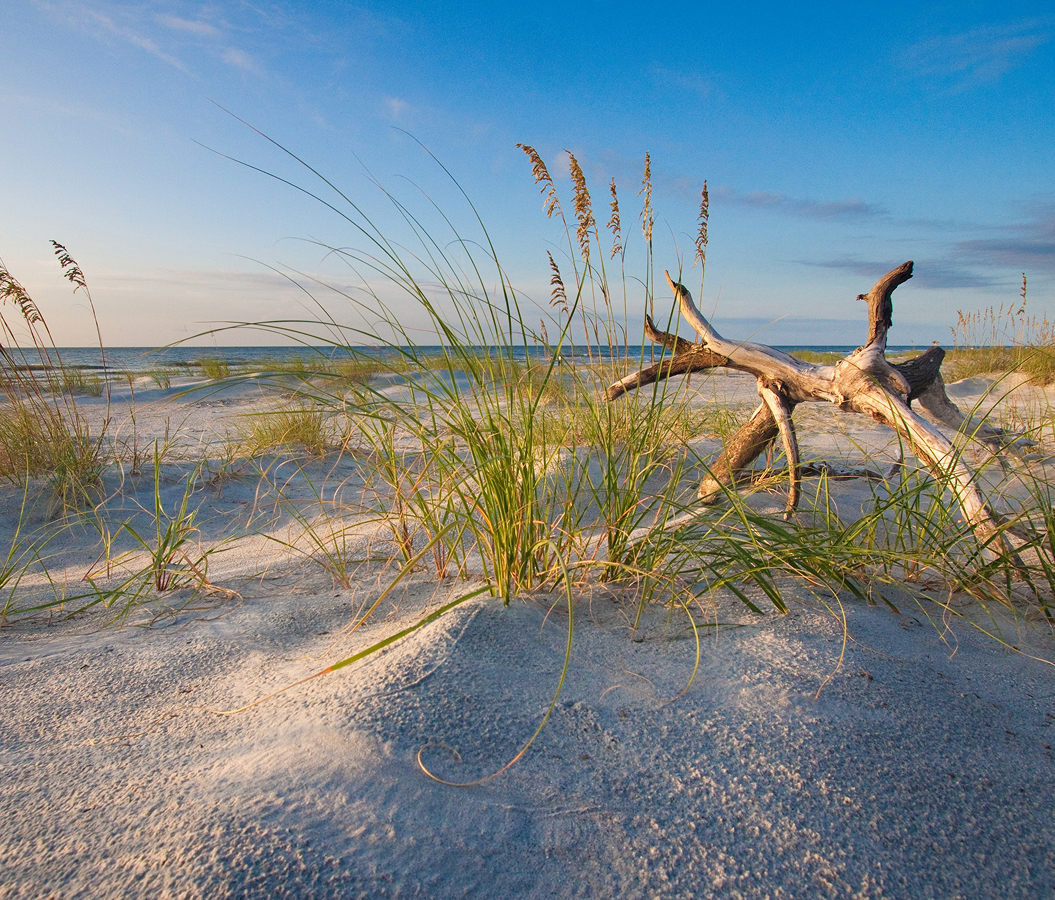
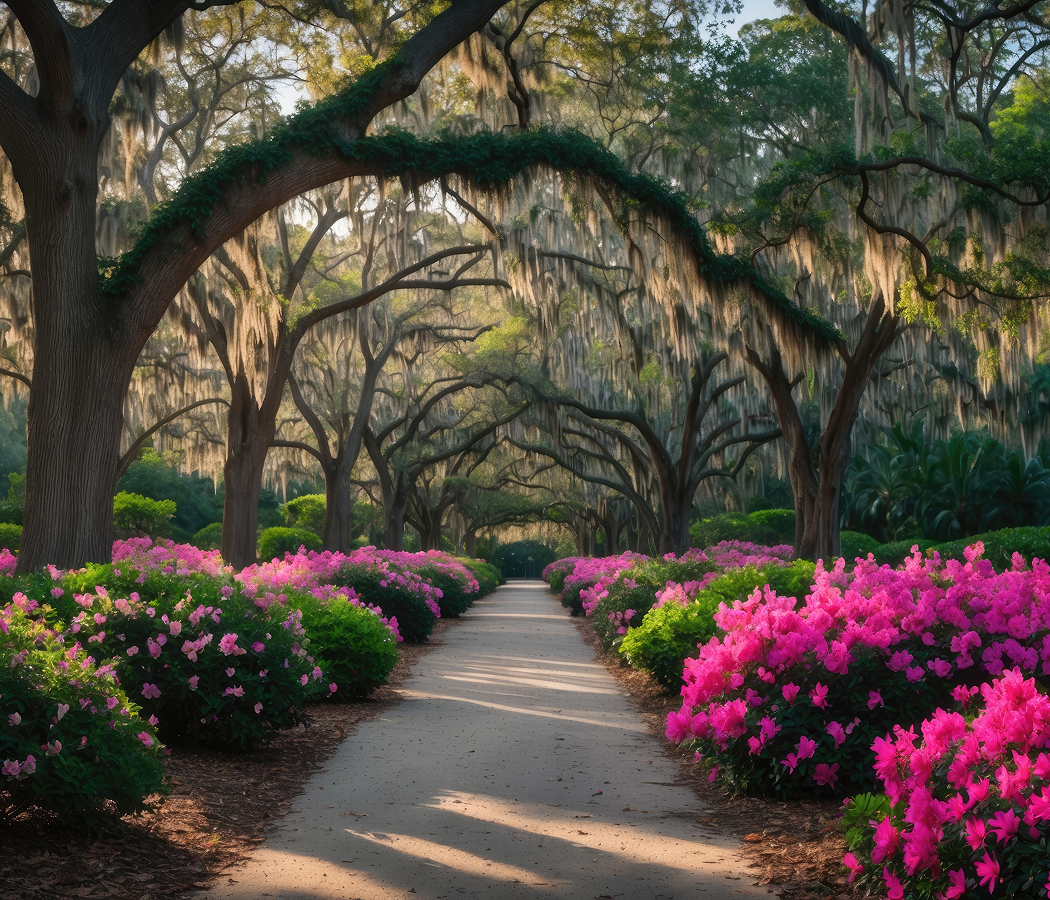
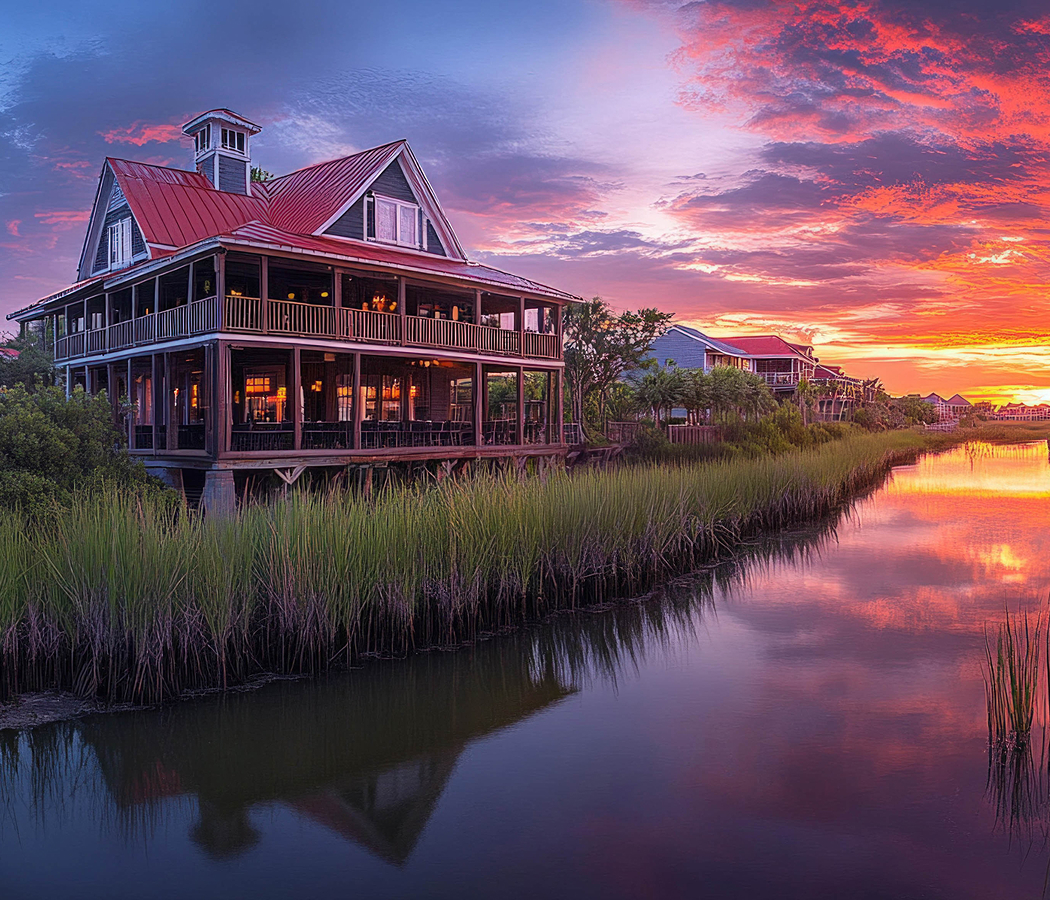
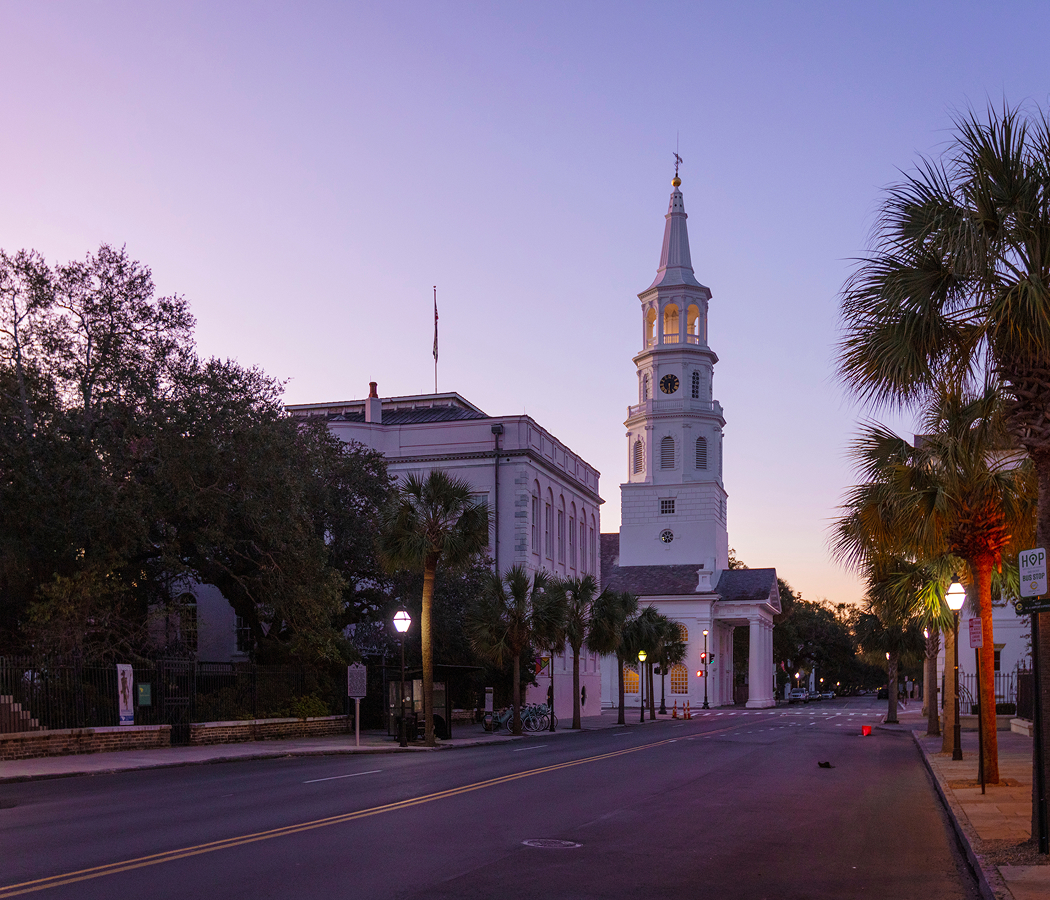
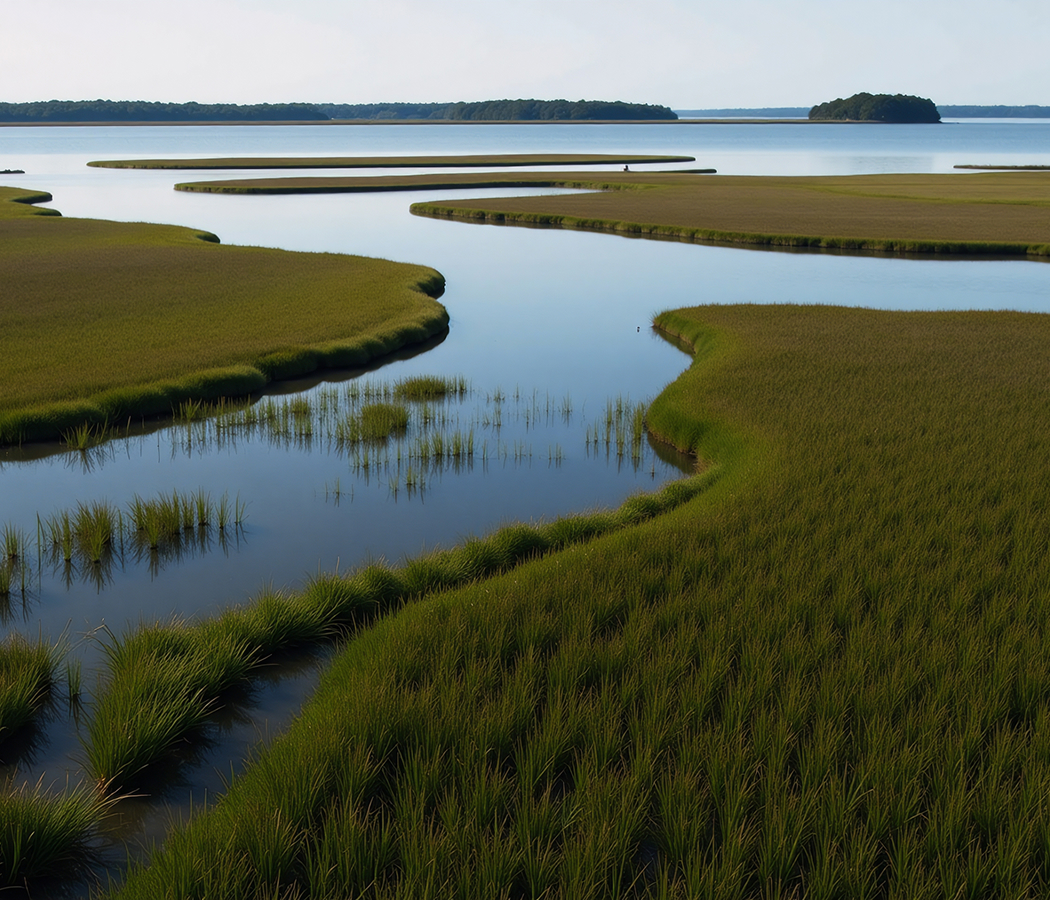
Set along Grasslawn Avenue on Hilton Head's northern coast, The Westin Hilton Head Resort & Spa occupies a beachfront position beside Port Royal Sound, with salt marshes, tidal creeks and maritime forests extending inland and the Atlantic opening beyond the island's eastern shore. Its low-rise buildings spread through gardens, pools and coastal paths rather than forming a single vertical tower. Broad rooflines, shaded balconies, pale surfaces and open terraces create an architectural language suited to the humid Lowcountry climate. Guest rooms and suites face the ocean, gardens, pools or sound, with balconies capturing palms, maritime vegetation and the changing light of the coast. The shoreline combines broad sand, dunes, sea oats and tidal water, creating a varied environment around the resort. Palmettos, live oaks and flowering plants soften the transition between the buildings, roads and beach. The property's position gives visitors access to the island's walking and cycling routes, golf communities, lagoons and marshes, while roads connect the resort with the island's villages and mainland bridges. Port Royal Sound remains a powerful geographic presence, linking the property to tidal movement, fishing and the wider estuarine system of the Lowcountry. The result is a substantial South Carolina resort whose architecture, gardens and beach setting connect contemporary hospitality with Hilton Head's maritime and ecological character.
What defines The Westin Hilton Head Resort & Spa.
The Westin Hilton Head Resort & Spa is best known for its role in establishing Hilton Head's northern Atlantic coastline as a major destination for upscale resort hospitality, connecting the island's planned tourism development with successive generations of investment in South Carolina's Lowcountry. The property opened in October 1985 within Port Royal Plantation, introducing a substantial oceanfront resort to an island whose transformation into an international vacation destination had accelerated through the development of private residential communities, golf courses and coastal hospitality establishments. Its beachfront setting distinguished the resort within the growing regional market for meetings, golf vacations and extended leisure travel. The property subsequently developed an established reputation for resort hospitality, earning AAA Four Diamond recognition and strengthening Hilton Head's position among the southeastern United States' leading coastal destinations. A major financial turning point emerged during the aftermath of the global financial crisis, when owner Transwest Resort Properties entered Chapter 11 bankruptcy protection in November 2010. Southwest Value Partners, the real estate investment company led by Mark Schlossberg and Cary Mack, acquired the resort through a restructuring completed in 2012, establishing a new ownership period centered on substantial capital improvements. The company undertook a $30 million renovation that culminated in a ceremonial reopening on April 19, 2013, attended by South Carolina Governor Nikki Haley. General manager Tim Freisen oversaw the transformation, which introduced redesigned public interiors, renewed dining establishments and extensive improvements to the resort's coastal landscape. The investment repositioned the property within Hilton Head's competitive luxury market, connecting the original resort's established reputation with a more contemporary interpretation of Lowcountry hospitality. Another major redevelopment began in November 2022, when Ellis Adams Design was commissioned to reinterpret the accommodations through the natural character of the island's beaches and marshlands. The project ultimately expanded to $13.8 million, with completion scheduled for February 2024, introducing renewed interiors inspired by coastal vegetation, Atlantic light and the distinctive landscape of the South Carolina barrier islands. Southwest Value Partners invested more than $47 million in capital improvements during its ownership, establishing a sustained period of architectural and commercial renewal. In September 2025, affiliates of KSL Capital Partners acquired the resort through the firm's Tactical Opportunities Fund, marking another significant transition in its institutional history. The $199.8 million transaction brought the property into the portfolio of an international leisure investment company with substantial interests in hospitality, recreation and resort real estate. The Westin Hilton Head Resort & Spa reflects the evolution of Hilton Head's luxury tourism economy through its original coastal development, post-recession financial restructuring and successive investments in the island's established resort culture.
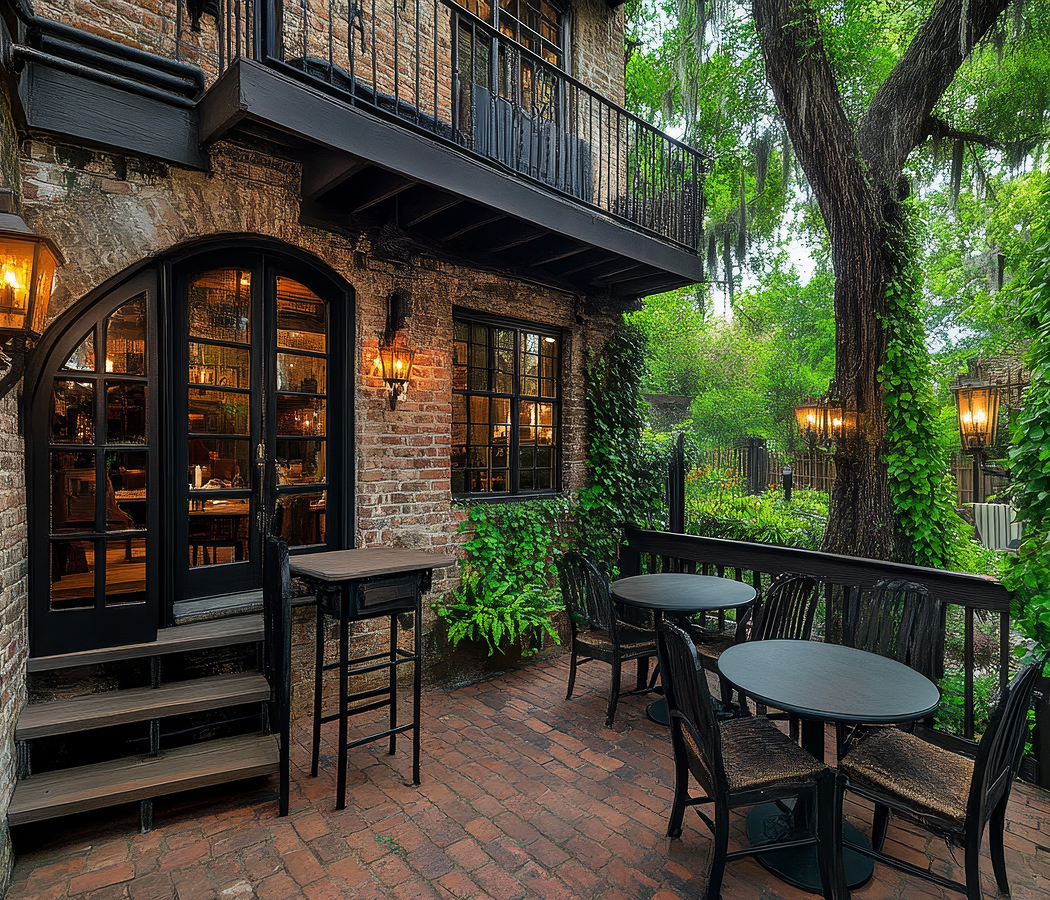
Tim Freisen's 2013 renovation established a distinctive architectural relationship between the resort's interior spaces and Hilton Head's coastal ecology, introducing a two-story living wall that became a prominent feature of the redesigned lobby. The installation brought a vertical composition of planted greenery into the arrival environment, extending the landscape of palmettos, live oaks and native flowers into the hotel's principal public space. A botanical conservatory complemented this approach, connecting the resort's architectural character with the subtropical vegetation that distinguishes the Lowcountry coastline. The redesigned lobby introduced individual reception stations and informal seating areas, establishing a more open interior arrangement around the living wall and its surrounding decorative features. The culinary transformation developed the same relationship with the coastal landscape through Oceans, an oceanfront restaurant whose dining environment emphasized the Atlantic shoreline. View 32 introduced an elevated outdoor bar overlooking the resort grounds and ocean, extending the property's social spaces into the maritime setting. Carolina Café developed a complementary culinary character through Lowcountry ingredients and regional cooking traditions, incorporating locally sourced produce and the agricultural heritage of coastal South Carolina. The resort's relationship with regional recreation extends into the Port Royal Golf Club, whose historic courses connect the property with Hilton Head's development as an internationally recognized golf destination. The Heavenly Spa by Westin introduced another significant distinction as the first Heavenly Spa in the continental United States, extending the brand's wellness philosophy into a dedicated coastal retreat. Ellis Adams Design subsequently developed the resort's residential interiors around the visual character of sea oats and sweetgrass, translating the textures of coastal vegetation into organic forms, natural finishes and a palette influenced by sandy beaches, marshlands and Atlantic skies. The design establishes continuity between the island's natural environment and the resort's interior character, connecting the architectural renewal of its public spaces with a complementary interpretation of Lowcountry residential design. Together, the living wall, coastal dining establishments, regional recreational traditions and landscape-inspired interiors preserve a distinctive relationship between the resort's built environment and the ecological character of Hilton Head.
How The Westin Hilton Head Resort & Spa fits.
The Westin Hilton Head Resort & Spa works as the starting point for an exploration connecting the Lowcountry's coastal ecology, Hilton Head's plantation history and the African American communities that shaped the island's modern identity.
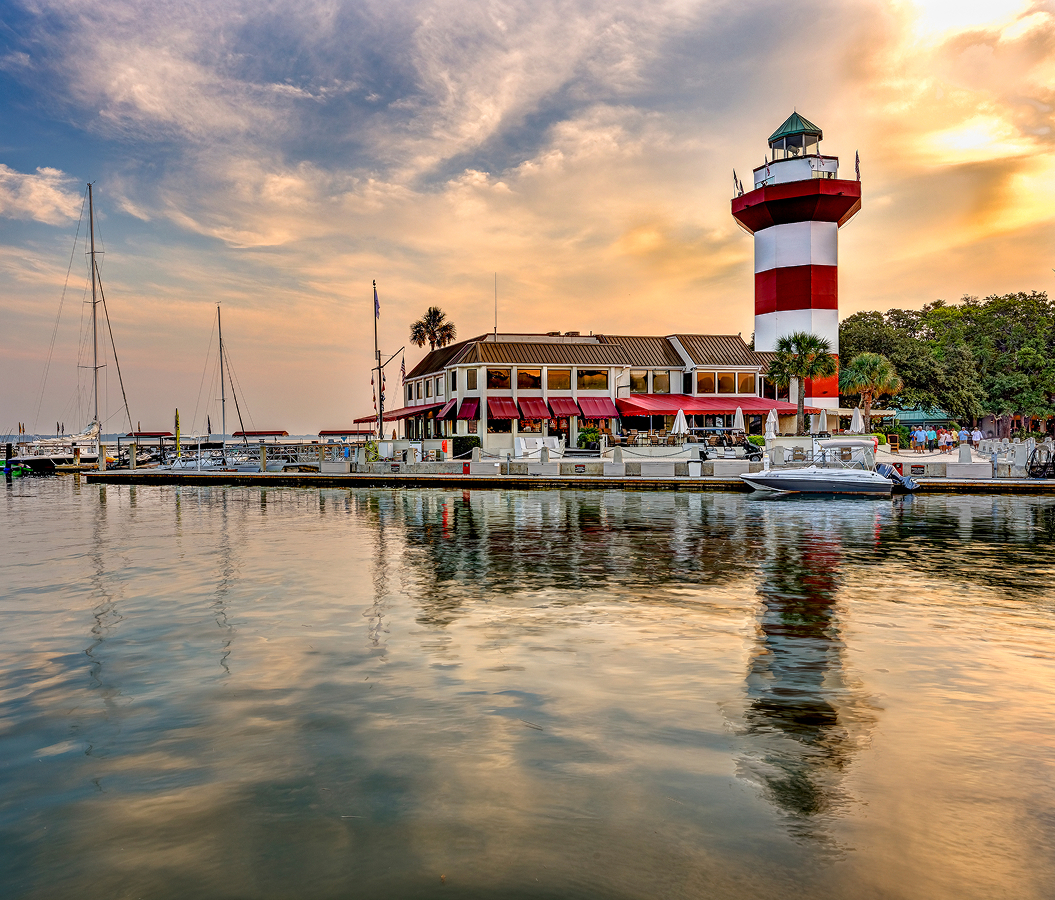
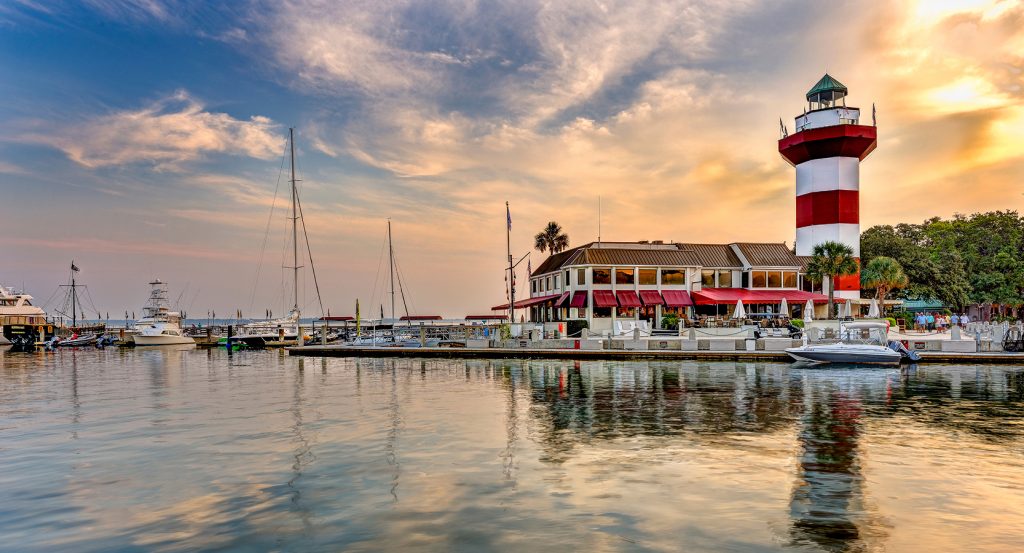
Begin at Coastal Discovery Museum, the island's principal environmental and cultural institution where maritime forests, salt marshes, historic structures, gardens and educational programs present the natural and human history of the Lowcountry. Its grounds preserve live oaks, tidal landscapes and working examples of coastal vegetation, creating a direct connection between the island's ecology and its cultural development. Exhibits and guided walks examine wildlife, waterways, Gullah traditions and the changing relationship between residents and the coast. The museum reveals the landscape beneath Hilton Head's resort economy. Continue to Harbour Town Lighthouse, the striped coastal landmark overlooking Calibogue Sound where a tower, marina and waterfront paths create one of the island's most recognizable public settings. The lighthouse stands within a resort community shaped by sailing, golf and tourism, while its elevated views reveal tidal channels, forests and the barrier-island geography surrounding Hilton Head. The marina connects the island to fishing, boating and the broader waterways of the Lowcountry. Its position demonstrates how navigation and leisure became central parts of the island's modern identity. Conclude at Mitchelville Freedom Park, the historic site where formerly enslaved people established one of the first self-governed communities of freed African Americans during the Civil War. The park preserves the memory of a community created on Hilton Head after Union forces occupied the island, linking local history with emancipation, education and self-determination. Its coastal setting connects the story of freedom to the marshes, waterways and land that sustained the community. The site demonstrates that Hilton Head's history extends far beyond plantations and resorts into the political and social transformation of the United States. The progression moves from Coastal Discovery Museum's living Lowcountry landscape through Harbour Town Lighthouse's maritime setting and concludes at Mitchelville Freedom Park, where Hilton Head's coastal geography meets the history of emancipation and African American self-government.
Where your story begins.
Foresyte Travel reveals places that feel extraordinary long before you arrive.
Enjoy editorial crafted for luxury travelers.
Foresyte may earn a commission when you book.