Why The Westin Kuala Lumpur matters.
The Westin Kuala Lumpur is a landmark city hotel where Bukit Bintang's commercial intensity meets Kuala Lumpur's modern skyline, international hospitality economy and growing emphasis on wellness, dining and long-stay urban living.
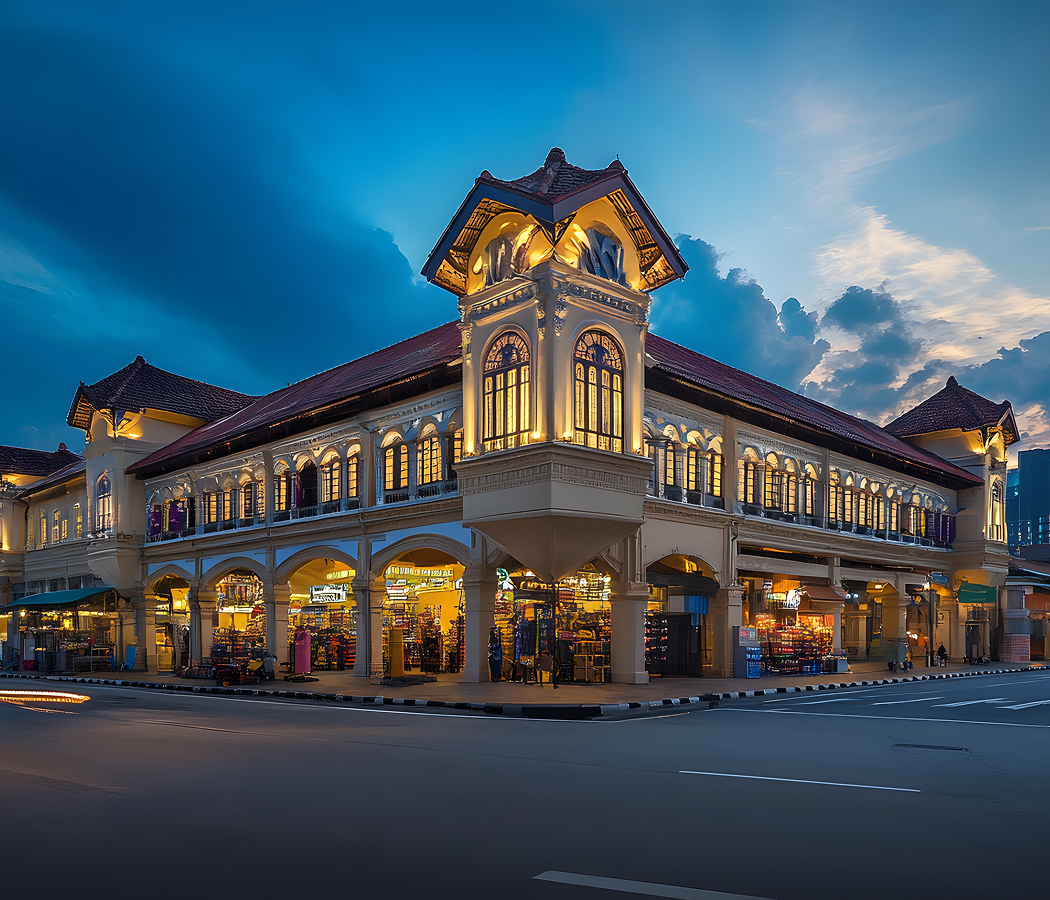
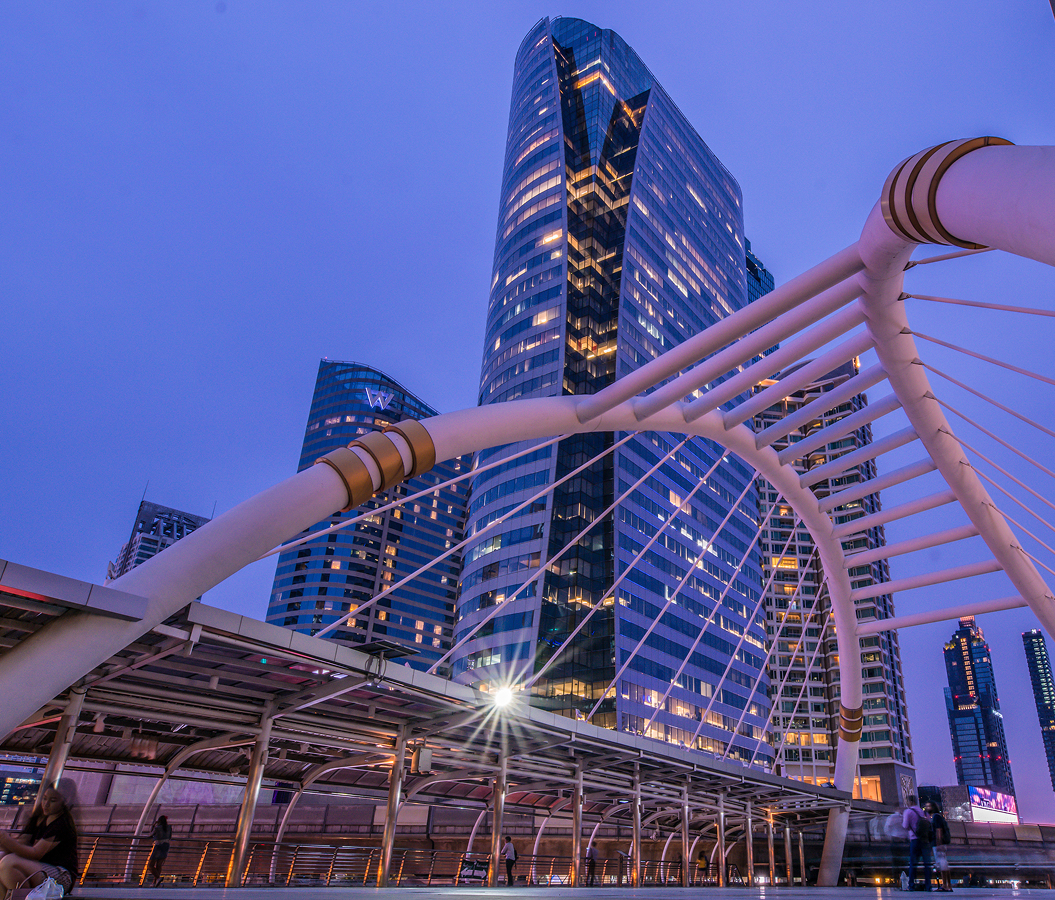
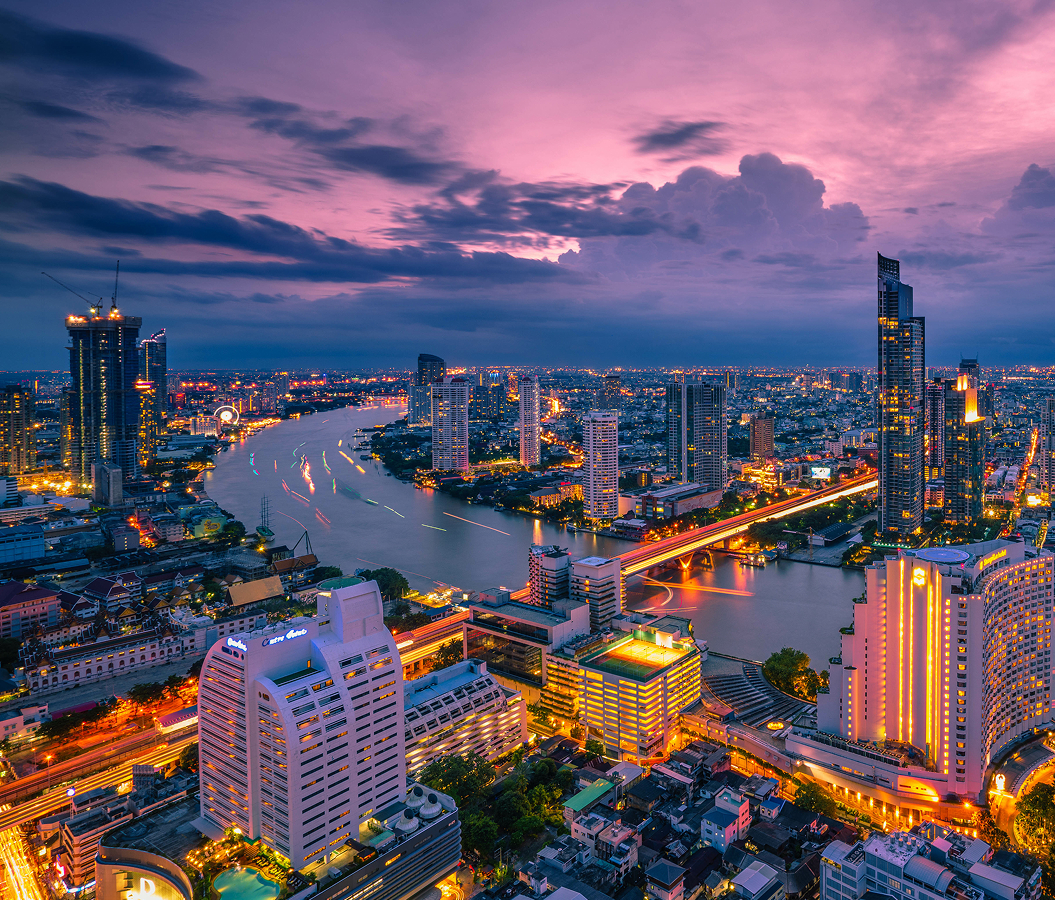
Occupying 199 Jalan Bukit Bintang at the center of Kuala Lumpur's Golden Triangle, The Westin Kuala Lumpur stands between Jalan Sultan Ismail, Jalan Raja Chulan and the commercial streets running toward Kuala Lumpur City Centre, with the city's major shopping, dining and entertainment districts surrounding the property. Jalan Bukit Bintang forms the principal east-west spine of the neighborhood, carrying movement between malls, hotels, restaurants and public transport connections. Jalan Raja Chulan leads north toward the modern towers and office developments of the central business district, while Jalan Sultan Ismail creates a major north-south corridor linking Bukit Bintang with Kampung Baru, Chow Kit and the southern districts. The hotel's location places it within a dense urban environment of high-rise buildings, covered walkways, traffic junctions and illuminated commercial frontages. Residences, offices and retail centers occupy the blocks around the hotel, creating a city landscape that remains active beyond conventional business hours. The elevated skyline toward Kuala Lumpur City Centre provides a constant visual relationship with the capital's most prominent towers, while the narrower streets of Bukit Bintang preserve a more concentrated commercial texture at ground level. The result is a hotel positioned at the meeting point of Kuala Lumpur's shopping district, business center and metropolitan entertainment economy.
What defines The Westin Kuala Lumpur.
The Westin Kuala Lumpur originated in Malaysian developer Ireka Corporation Berhad's expansion into international luxury hospitality during the commercial transformation of Bukit Bintang into one of Southeast Asia's most prominent shopping and entertainment districts. Ireka committed RM350 million to the project, extending its established construction and property development operations into hotel ownership through a substantial investment in Kuala Lumpur's premium accommodation sector. The development emerged during a period of recovery following the Asian financial crisis, when Malaysia's capital was strengthening its international commercial position through major infrastructure investments, retail development and renewed private-sector confidence. Ireka's involvement brought domestic property development expertise into partnership with Starwood Hotels & Resorts Worldwide, whose Westin brand had developed an international reputation for personalized service and restorative hospitality. The project represented an important commercial milestone for both organizations, establishing a Malaysian-owned luxury hotel under the management of a globally recognized hospitality company. The Westin Kuala Lumpur opened in September 2003 as the brand's first property in Malaysia and its 120th hotel worldwide. Its arrival also marked the first opening of a new deluxe hotel in Kuala Lumpur in six years, reflecting renewed investment in the city's international hospitality market. Starwood's Asia-Pacific president Miguel Ko oversaw a regional expansion strategy that introduced Westin's signature service standards and hospitality innovations to an increasingly competitive Malaysian market. The property entered an urban environment undergoing substantial commercial redevelopment, where international retail investment and expanding business travel were reshaping the economic character of Central Kuala Lumpur. Its original hospitality concept combined internationally standardized accommodations with an unusually ambitious collection of restaurants, reflecting the importance of dining and social entertainment to Malaysia's metropolitan hotel culture. Prego introduced contemporary Italian restaurant traditions, Qba Bar & Grill developed a Latin American dining and nightlife identity, and Five Sen5es contributed Cantonese gastronomy to the property's international culinary program. These establishments helped establish the hotel as a destination for Kuala Lumpur residents alongside its role in accommodating international business travelers. The hotel's early culinary leadership included Rudy Junaidie, who participated in the pre-opening team as Assistant Director of Kitchens following a professional career that began with Sheraton Langkawi Beach Resort in 1995. His subsequent return as Director of Kitchens strengthened the institutional continuity between the hotel's founding hospitality program and its later culinary development. The property also developed an extended-stay residential component, integrating serviced accommodations with the facilities and personalized support of an international luxury hotel. A significant environmental initiative subsequently introduced an on-site water filtration system and reusable glass bottles, addressing a previous annual consumption exceeding 400,000 single-use plastic bottles. Additional measures incorporated refillable bathroom dispensers, food-waste composting and a partnership with The Lost Food Project to redistribute surplus bread and pastries to lower-income communities. The hotel received three distinctions in the 2026 Haute Grandeur awards, recognizing its residential accommodation, meetings and events operations, and environmental initiatives. The Westin Kuala Lumpur represents an important chapter in Malaysia's international hospitality development, connecting domestic investment, global hotel management and the changing commercial character of the capital's luxury accommodation sector.
Rudy Junaidie's culinary leadership provides a distinctive connection between The Westin Kuala Lumpur's original gastronomic ambitions and the multicultural dining traditions of Malaysia's capital. His professional development within Starwood's international hospitality network established a foundation in large-scale kitchen management, culinary coordination and the technical demands of serving an international clientele. Kuala Lumpur's food culture brings Malay, Chinese, Indian and other regional traditions into unusually close contact, creating a culinary environment shaped by aromatic spice mixtures, contrasting cooking techniques and the social importance of shared meals. The Living Room develops this metropolitan character through an all-day dining program that incorporates Malaysian specialties alongside international preparations, bringing several culinary traditions into a coordinated restaurant operation. Its approach to regional cooking reflects the importance of freshly prepared aromatics, carefully balanced seasoning and the relationship between rice, vegetables, seafood and meat within Malaysian dining traditions. The kitchen's broader international offerings complement these foundations through familiar Western preparations, establishing a dining environment suited to the diverse preferences of the hotel's local and international guests. The Garam & Api weekend dinner program gives this culinary philosophy a more concentrated expression through the relationship between salt, fire and the transformation of ingredients under direct heat. Grilled meats develop their characteristic richness through surface caramelization, concentrated savory flavors and careful control of cooking temperatures, establishing a connection between contemporary hotel gastronomy and the elemental traditions of open-fire preparation. The program's combination of Asian flavors and Western cooking traditions reflects Kuala Lumpur's longstanding cultural exchanges and the international character of its restaurant industry. The Living Room's afternoon tea introduces a complementary interpretation of Malaysian agricultural produce through strawberries cultivated in the Cameron Highlands, connecting the cool-climate farming traditions of the peninsula's interior with the ceremonial hospitality of an international hotel. Its accompanying strawberry tea develops that relationship through delicate fruit aromatics and the measured sweetness associated with contemporary afternoon refreshments. The 443 Bar Lounge contributes a more intimate expression of metropolitan hospitality through composed cocktails, premium whiskies and cigars, drawing upon the traditions of international hotel bars and Kuala Lumpur's contemporary social culture. Its beverage program incorporates local flavor influences into familiar cocktail structures, connecting Malaysian ingredients with the technical conventions of modern mixology. Splash extends the property's dining philosophy into a relaxed outdoor environment through poolside refreshments and informal international cooking. The adjoining saltwater swimming pool introduces a distinctive recreational element through its chlorine-free treatment system, complementing Westin's established emphasis on physical restoration and personal well-being. The hotel's WestinWORKOUT Fitness Studio and signature Heavenly Bed extend this restorative approach into exercise and sleep, establishing continuity between the property's culinary, recreational and residential functions. Together, these traditions express The Westin Kuala Lumpur's hospitality character through Malaysian culinary diversity, international restaurant craftsmanship and the integration of metropolitan social life with restorative urban accommodation.
How The Westin Kuala Lumpur fits.
The Westin Kuala Lumpur works as a base for an outing connecting Bukit Bintang's food culture, Kuala Lumpur's national architectural character and the preserved rainforest of Bukit Nanas.
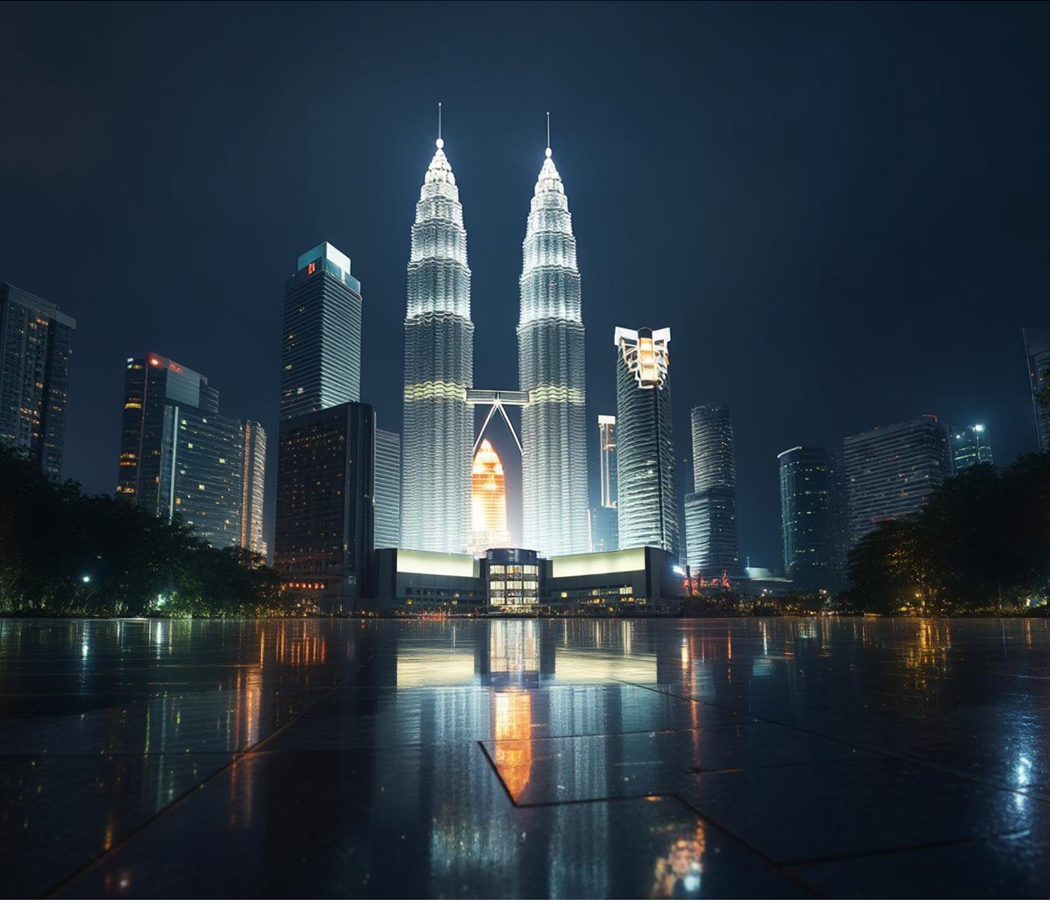
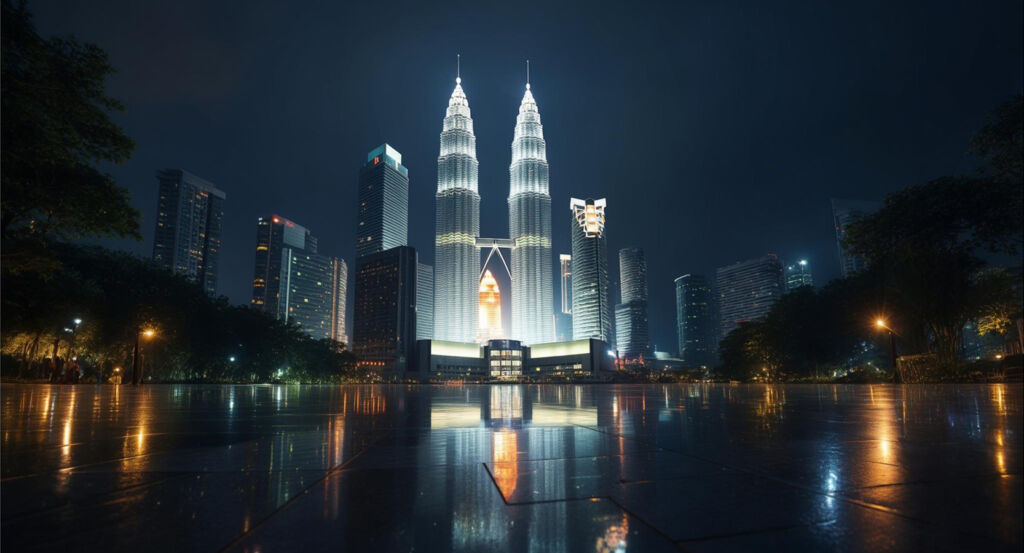
Begin at Jalan Alor, the narrow food street running south of Bukit Bintang through one of Kuala Lumpur's most concentrated dining districts. Its present character developed from a street associated with traditional commerce into a late-day and evening gathering place filled with Chinese-Malaysian, Malay, Thai and regional Southeast Asian cooking. Hawker stalls, seafood restaurants, noodle shops and grill houses place the preparation of food directly within the public street environment. The corridor's importance comes from the way it preserves a form of urban dining built around immediacy, repetition and shared tables rather than formal separation between kitchen and restaurant. Jalan Alor provides the most direct introduction to Bukit Bintang's multicultural commercial culture before the route moves toward Kuala Lumpur's expansive civic skyline. Continue to Petronas Twin Towers, the 88-story skyscrapers that rise from the Kuala Lumpur City Centre development. Cesar Pelli designed the towers around interlocking geometric forms derived from Islamic patterns, creating stainless-steel and glass façades with a distinctive eight-pointed plan. Each tower reaches 451.9 meters and is connected by a skybridge between the 41st and 42nd floors. Construction required more than 500 truckloads of earth to leave the site each night and a continuous concrete pour of 13,200 cubic meters for each tower. The towers opened a new era of national architectural ambition and placed Kuala Lumpur within the global network of supertall city centers. Conclude at KL Forest Eco Park, the remaining forested landscape on Bukit Nanas above the central city. The reserve was gazetted in 1906, making it among the oldest protected forest areas within Kuala Lumpur. Its elevated terrain preserves tropical trees, vines, wildlife habitat and walking trails directly beside the city's major commercial and government districts. The park's existence demonstrates that Kuala Lumpur's metropolitan growth did not erase every fragment of the rainforest that shaped the region before modern construction. Its paths and canopy create a sharp environmental contrast with the glass, steel and traffic corridors below. The progression moves from Jalan Alor's multicultural street dining through Petronas Twin Towers' national architectural ambition and culminates at KL Forest Eco Park, connecting the food culture, modern skyline and tropical landscape that define Kuala Lumpur's urban character.
Where your story begins.
Foresyte Travel reveals places that feel extraordinary long before you arrive.
Enjoy editorial crafted for luxury travelers.
Foresyte may earn a commission when you book.