Why The Westin Siray Bay Resort & Spa, Phuket matters.
The Westin Siray Bay Resort & Spa, Phuket is a hillside Andaman retreat where Siray Island's quiet shoreline meets Westin's wellness-centered resort model, panoramic sea views and a 2010 opening that helped establish Phuket's eastern coast as a luxury hospitality setting.
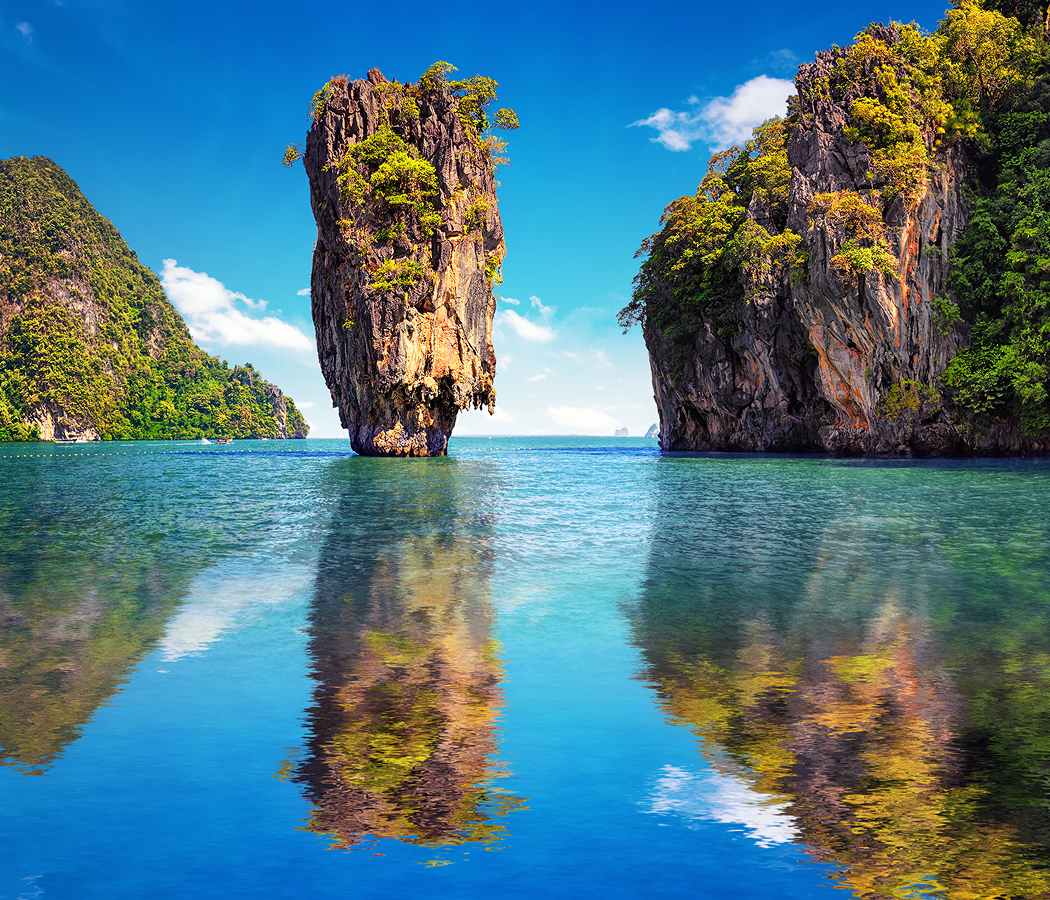
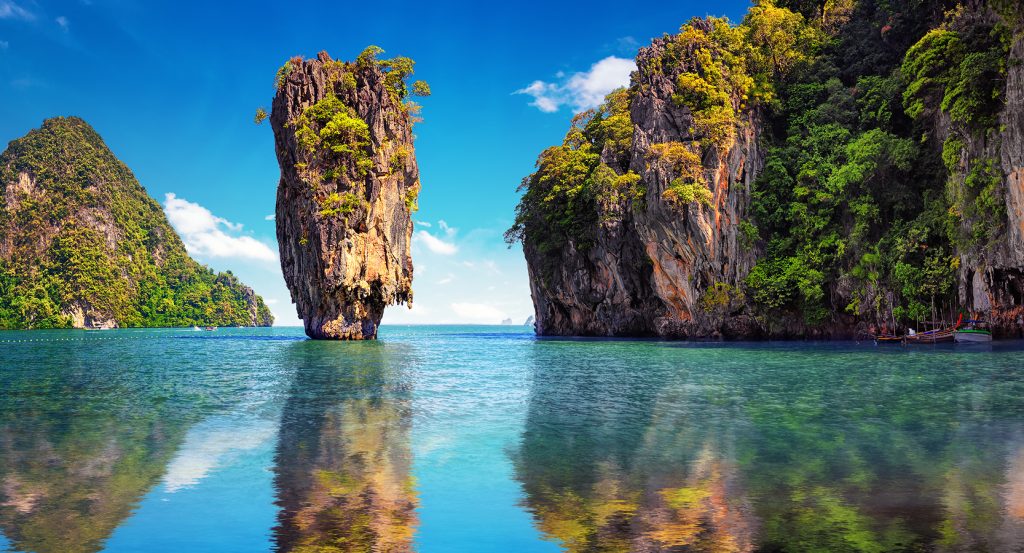
Set along Siray Bay on Phuket's eastern shore, The Westin Siray Bay Resort & Spa, Phuket occupies a coastal position across the Phuket Strait from Phuket Town, with Siray Island's low hills, mangrove edges and open Andaman waters surrounding the resort. The physical setting is distinctive because the property follows a sloping peninsula rather than a flat beachfront, giving guestrooms, villas, pools and terraces different elevations above the water. The resort is encountered through a sequence of descending paths, elevated balconies, sea-facing rooms and pools that continually redirect attention toward the bay. Private beachfront access, kayaking and ocean-facing recreation deepen the relationship between the resort and the coastal landscape. The result is a resort whose hillside circulation, island setting, open-water views and wellness infrastructure make Siray Bay the central organizing force of the property.
What defines The Westin Siray Bay Resort & Spa, Phuket.
The Westin Siray Bay Resort & Spa, Phuket is best known for combining Westin's international wellness system with an ocean-facing resort built across the slopes of Siray Island. The property opened on 1 August 2010 during a period when Phuket's eastern coast was developing beyond the island's established western beach districts. Its 257 guestrooms, suites and pool villas created a substantial accommodation complex oriented toward Siray Bay. The room inventory includes Superior Sea View rooms, Deluxe Sea View rooms, pool-access categories and larger villa configurations. The Sala Pool Villa with Seaview provides a private pool, terrace and 51-square-meter layout within the resort's most intimate accommodation tier. One-bedroom, two-bedroom and three-bedroom villas expand that model through larger living arrangements, private pools and kitchenettes. The Heavenly Bed, Heavenly Bath and Heavenly Rainforest Showerhead give every room category a consistent Westin identity. Private balconies and selected plunge pools extend the connection between the interior program and the Andaman coastline. Three outdoor pools distribute swimming across different elevations, allowing the resort's water system to mirror the stepped geography of the site. The property's design develops through repetition, with sea views, terraces, pools and sleep-focused interiors carrying the same coastal idea through every accommodation category. The Westin Siray Bay Resort & Spa, Phuket emerged as a complete resort environment in which location, room design and movement through the hillside operate as one connected system.
How The Westin Siray Bay Resort & Spa, Phuket fits.
The Westin Siray Bay Resort & Spa, Phuket works as a restorative base for an itinerary that begins with Phuket's commercial and architectural formation, continues through the Chinese educational institutions that preserved that history, and concludes with the island's most consequential Buddhist center.
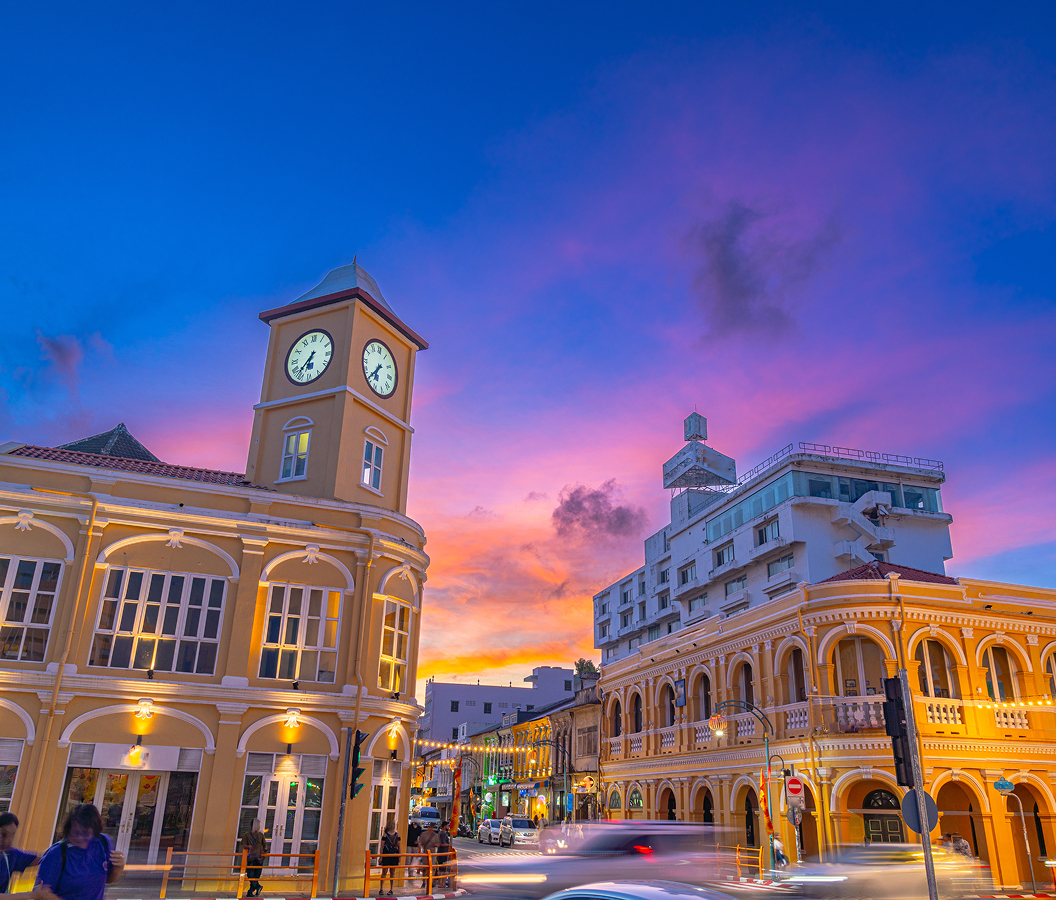
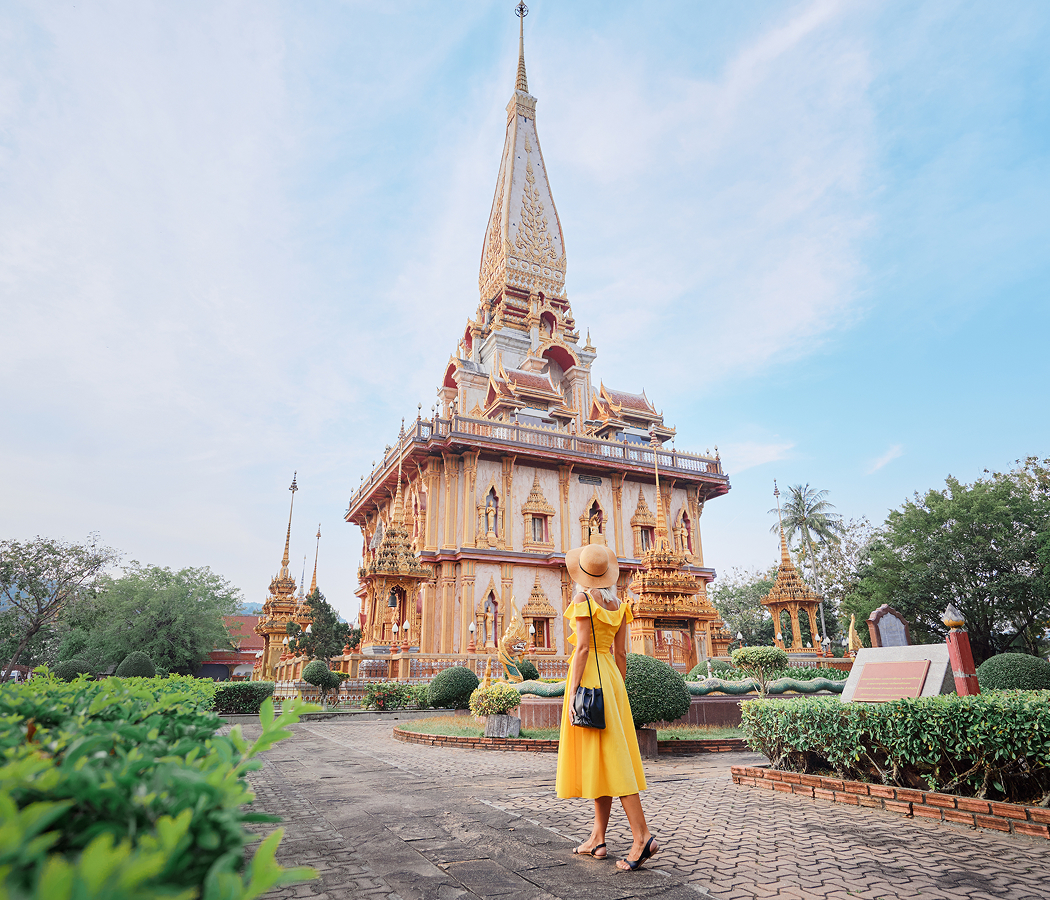
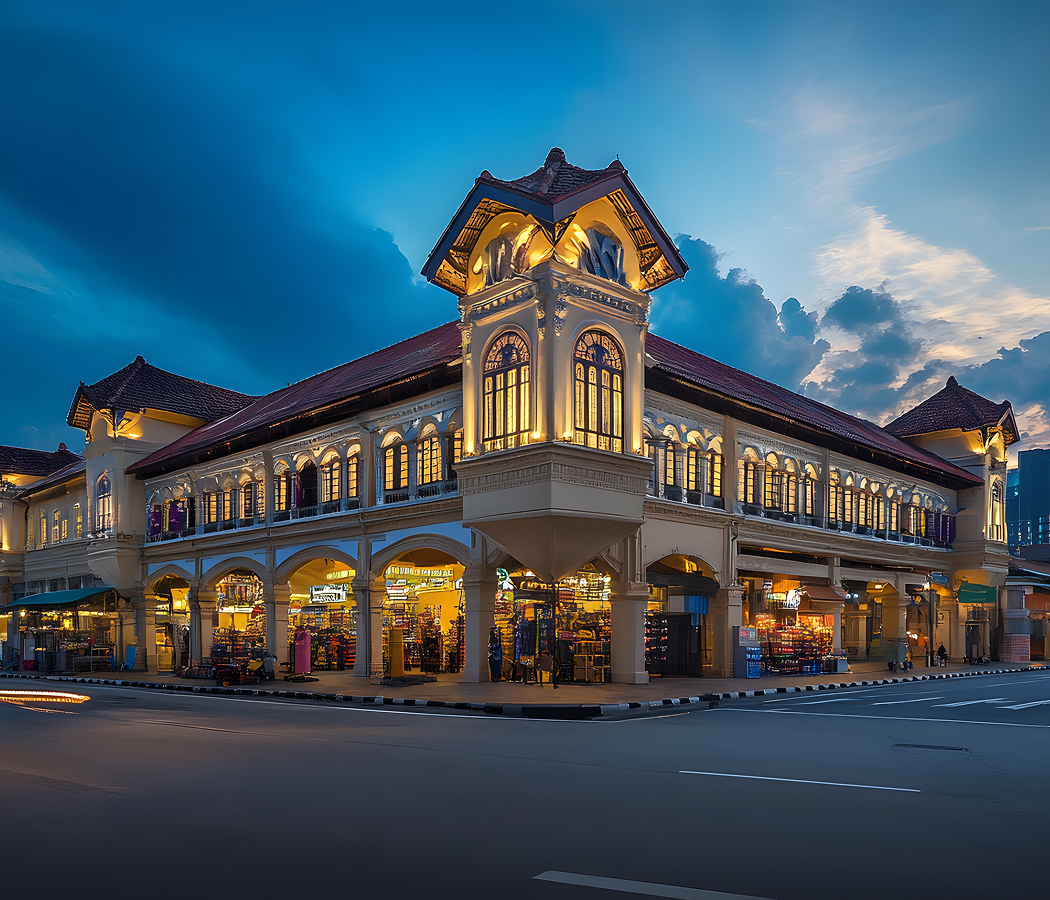
Begin at Phuket Old Town, where Phuket's nineteenth-century tin economy produced the mercantile district that still frames the island's urban history. Thalang Road, Dibuk Road, Phang Nga Road, Yaowarat Road and Krabi Road form the district's principal historic streets. Chinese, Indian, European and Muslim trading communities shaped the district as Phuket developed into a regional commercial center. Sino-Portuguese shophouses translated that exchange into architecture through narrow urban plots, arcaded fronts, internal courtyards and ornamental facades. The district's built fabric traces the movement of tin, labor, credit and migration through a compact civic landscape. Its surviving streets establish the economic mechanism that made Phuket an international port of exchange before mass tourism reoriented the island's economy. Phuket Old Town is the correct opening because it supplies the commercial foundation for the cultural institutions that follow. Continue to Phuket Thai Hua Museum, housed in a Sino-Portuguese building associated with Phuket Thai Hua School. The school became one of the island's important Chinese educational institutions, preserving language, community organization and collective memory within a formal learning environment. Museum displays connect Chinese migration with Phuket's tin-mining economy, local occupations, traditional clothing, foodways, festivals and architectural development. Photographs, books and school materials turn the building into an archive of community formation rather than a display of decorative architecture alone. The museum's two-story structure includes a broad interior hall, classrooms and exhibition areas that make education itself part of the historical narrative. Its collections show how immigrant families established continuity through literacy, moral instruction and cultural transmission. Phuket Thai Hua Museum deepens the itinerary by explaining how the commercial society represented by Phuket Old Town became an organized cultural society. Conclude at Wat Chalong, formally known as Wat Chaitararam, whose religious importance connects Phuket's social history with the authority of revered Buddhist monks. The temple is strongly associated with Luang Pho Chaem, a highly respected monk whose reputation for healing and spiritual guidance made the site a major center of devotion. Wat Chalong's religious complex includes the Grand Pagoda, whose interior murals depict episodes from the life of the Buddha and whose upper level provides a sacred visual climax. The temple's ceremonial architecture, monastic lineage and continuing devotional role shift the itinerary from trade and education into belief and communal identity. The site demonstrates how Phuket's historical development cannot be reduced to commerce, because religious institutions also organized authority, memory and public allegiance. The progression moves from the tin-era trading district of Phuket Old Town through Phuket Thai Hua Museum's preservation of Chinese education and migration, then culminates at Wat Chalong's Buddhist institutional legacy, revealing how Phuket developed through commerce, cultural transmission and spiritual authority.
Where your story begins.
Foresyte Travel reveals places that feel extraordinary long before you arrive.
Enjoy editorial crafted for luxury travelers.