Why you should experience Tiger Balm Garden in Singapore.
Tiger Balm Garden is an extraordinary cultural park where Pasir Panjang's hillside landscape, Chinese mythology, moral philosophy, and visionary patronage unfold across one of Asia's most distinctive collections of grand sculpture.
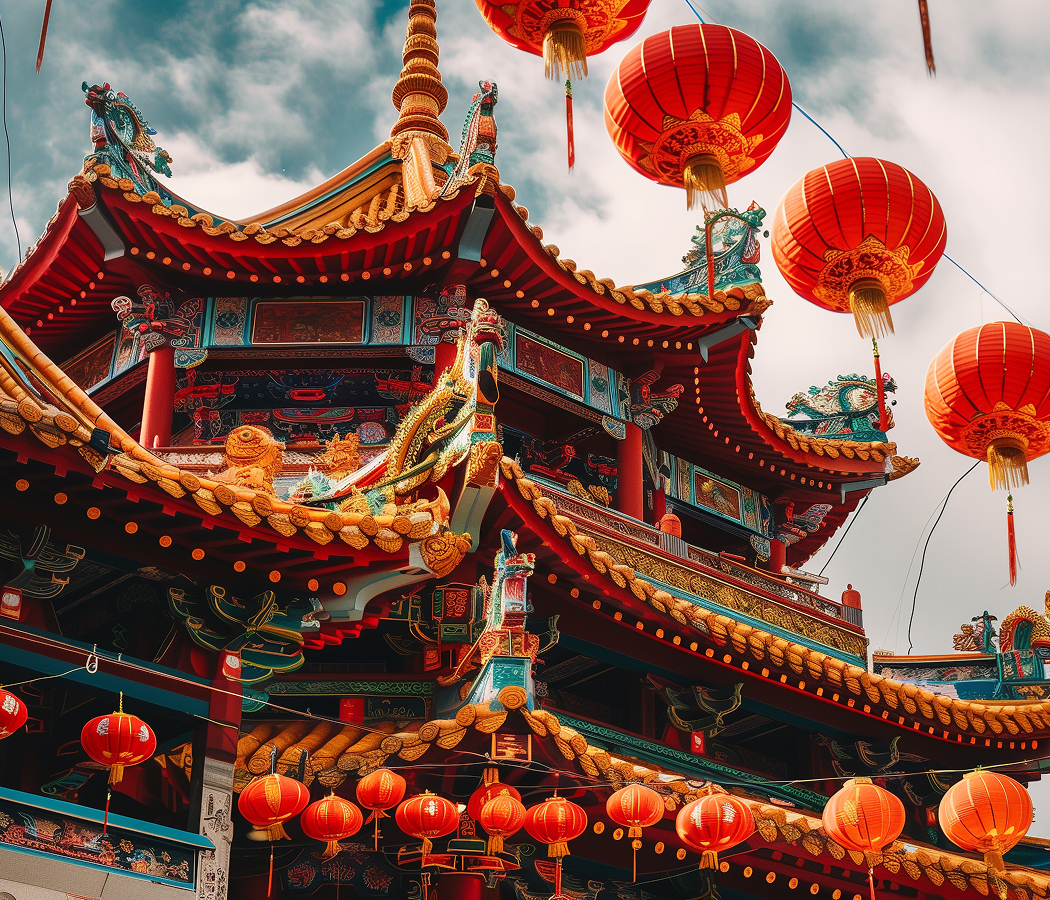
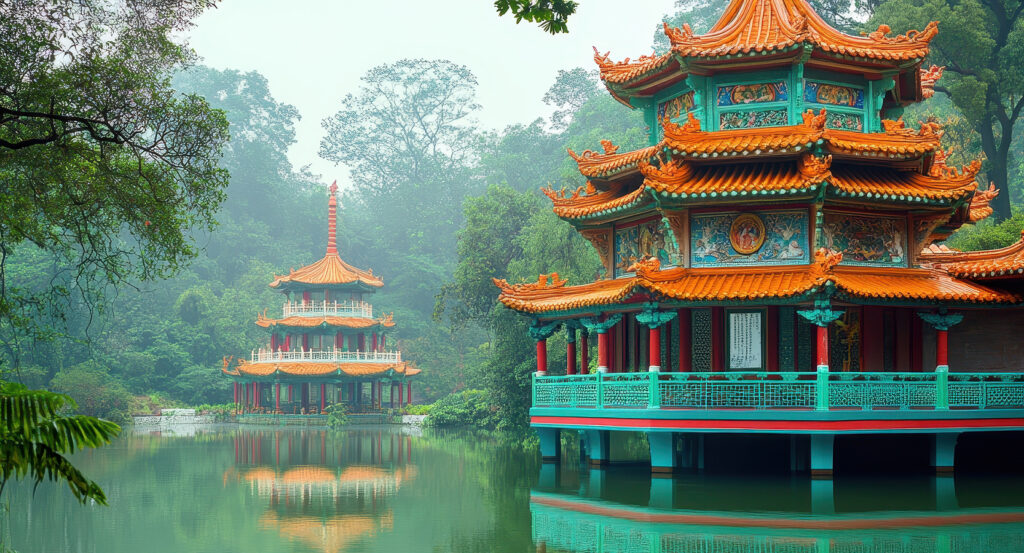
Set along Pasir Panjang Road near South Buona Vista Road and just steps from Haw Par Villa MRT Station, this sprawling cultural destination immerses visitors within ornate pagodas, pavilions, bridges, landscaped gardens, towering sculptures, and elaborate dioramas illustrating Chinese folklore, history, Buddhism, Taoism, Confucianism, and traditional moral teachings. More than 1,000 statues and 150 giant narrative displays transform winding pathways into an open-air gallery where mythology, religion, philosophy, and visual storytelling intersect through exuberant artistic expression. Carefully composed landscapes, energetic sculptural groups, and richly symbolic architecture invite visitors to explore centuries of Chinese culture through one of Singapore's most imaginative public spaces. The result is a destination defined by artistic imagination, cultural preservation, and enduring educational purpose.
What you should know about Tiger Balm Garden.
Tiger Balm Garden is best known for being created in 1937 by Burmese-Chinese brothers Aw Boon Haw and Aw Boon Par, the entrepreneurs who transformed Tiger Balm into one of the world's most recognizable medicinal brands, as a grand open-air cultural park intended to educate the public through vivid three-dimensional depictions of Chinese legends, history, ethics, and religious traditions. Constructed on an 8.5-hectare hillside surrounding Haw Par Villa after the brothers acquired the property in 1935 according to feng shui principles, the gardens originally complemented an Art Deco residence designed by Ho Kwong Yew before the villa itself was destroyed during the Japanese occupation of Singapore in the Second World War. Between 1937 and Aw Boon Haw's death in 1954, hundreds of sculptors and craftsmen created more than 1,000 statues and 150 large-scale dioramas portraying episodes from Journey to the West, Legend of the White Snake, Romance of the Three Kingdoms, the Eight Immortals, Confucian virtues, Buddhist teachings, Taoist cosmology, and the internationally known Ten Courts of Hell, establishing one of the world's most ambitious narrative sculpture parks. Government stewardship beginning in 1979 preserved the site as an important component of Singapore's cultural heritage, while successive conservation campaigns restored deteriorating sculptures, returned the historic name Haw Par Villa after unsuccessful commercial redevelopment attempts, and introduced Hell's Museum in 2021, the world's first museum devoted to concepts of death and the afterlife across multiple Asian religions and cultures.
Hundreds of vividly colored sculptures, hand-crafted reliefs, ornamental pavilions, ceremonial gateways, immersive narrative environments, and meticulously composed landscapes reveal an exceptionally ambitious effort to translate centuries of Chinese literature, ethics, and religious philosophy into accessible public art. Visitors encounter dramatic interpretations of karmic judgment, filial piety, loyalty, compassion, and moral consequence rendered through expressive sculpture, energetic color, and carefully sequenced storytelling that reflects traditional Chinese artistic conventions while remaining immediately understandable across generations. Restoration initiatives have safeguarded original sculptural techniques, decorative finishes, and architectural features, allowing the park to continue serving historians, artists, educators, and cultural scholars as one of Asia's most important surviving open-air museums devoted to Chinese mythology, religion, and visual storytelling.
How to fold Tiger Balm Garden into your trip.
Tiger Balm Garden works as part of an exploration through Singapore's western cultural corridor.
Begin at Reflections at Bukit Chandu, where compelling exhibitions illuminate Singapore's wartime history before continuing to Tiger Balm Garden to experience one of Asia's most imaginative cultural landscapes. Continue to Kent Ridge Park, whose elevated trails, memorials, and panoramic viewpoints deepen appreciation of the area's historical and natural significance. Conclude at National University of Singapore Museum, where distinguished collections provide a fitting finale celebrating Asian art, history, and cultural scholarship. The progression moves naturally from wartime heritage to grand sculpture before concluding through two defining cultural institutions, revealing why Tiger Balm Garden remains one of Singapore's most distinctive expressions of Chinese artistic and philosophical tradition.
Where your story begins.
Foresyte Travel reveals places that feel extraordinary long before you arrive.
Experience premium editorial crafted for luxury travelers.