Why you should experience Wat Mangkon Kamalawat in Bangkok, Thailand.
Hidden behind the electric blaze of Yaowarat Road, Wat Mangkon Kamalawat, or Temple of the Dragon Lotus, glows in serene defiance of the chaos around it.
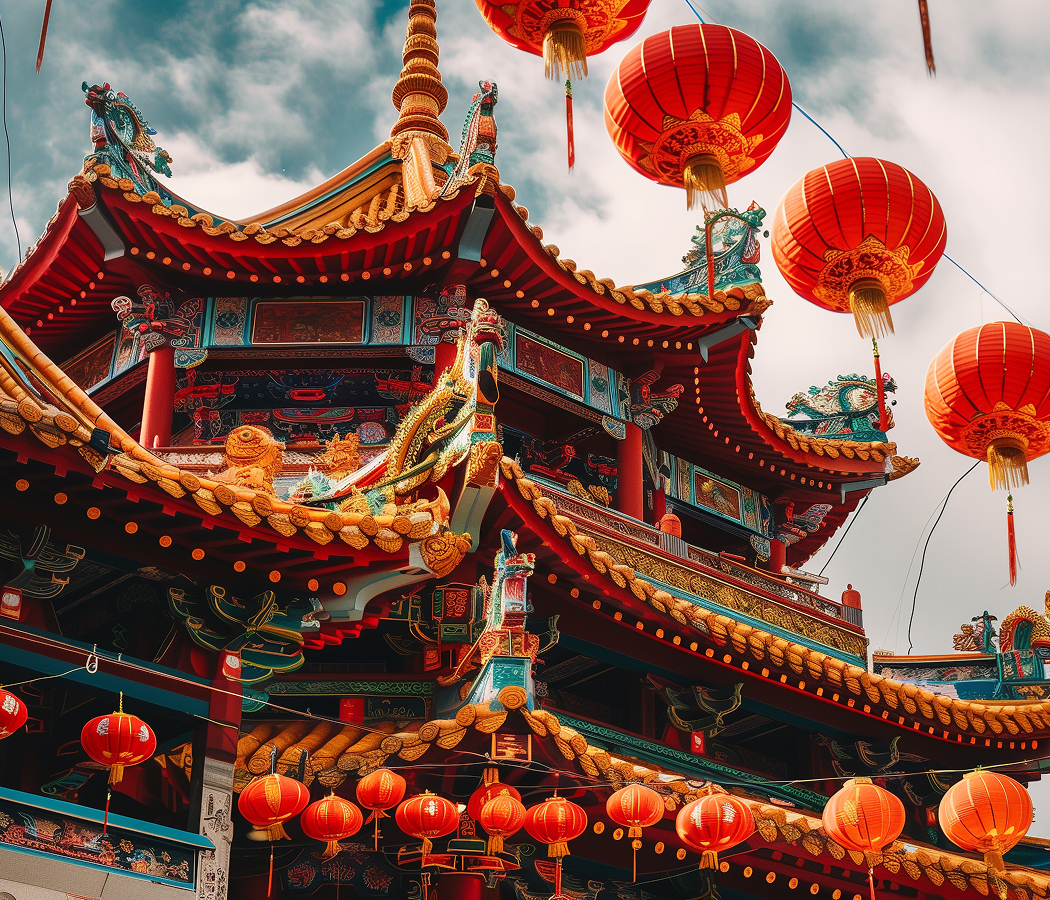
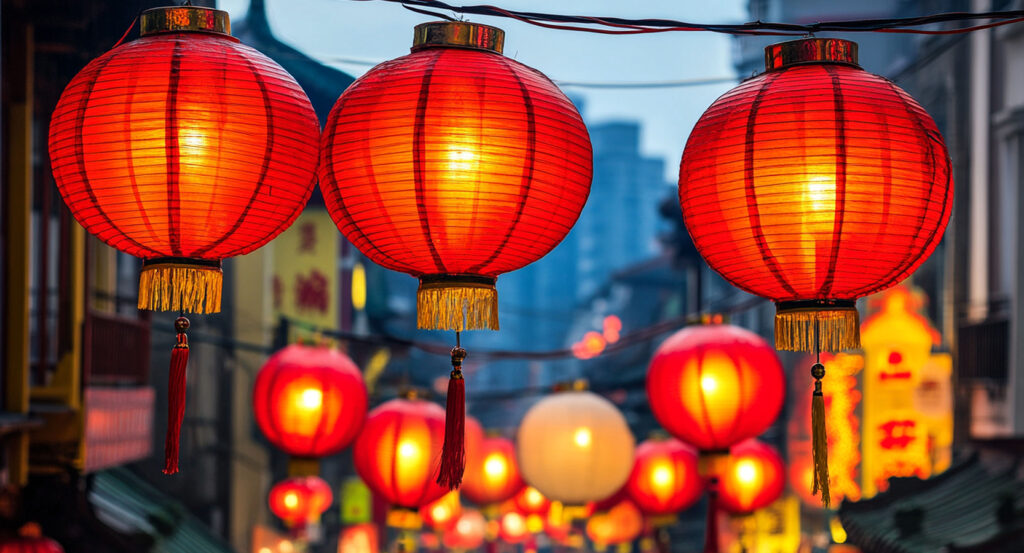
This is the beating spiritual heart of Bangkok's Chinatown, a sanctuary of incense, devotion, and myth where every wisp of smoke seems to rise like a prayer between worlds. Built in 1871 during the reign of King Rama V, the temple fuses Chinese and Thai architectural sensibilities into a single act of reverence. Its courtyard hums with the sound of worshippers lighting coils of incense that hang like halos from the ceiling, while red lanterns sway in the soft heat, their gold tassels catching the light. Dragons wind across the roof tiles, phoenixes guard the gates, and carved wooden pillars drip with gilded calligraphy, each stroke a verse of fortune, protection, and renewal. Inside, the main hall blazes with altars to Buddha, Taoist, and Confucian deities, their faces illuminated by the glow of a thousand candles. The air is thick and fragrant, incense, sandalwood, and prayer, and the rhythm of hands clasping, bowing, offering, creates a sacred music all its own. To step into Wat Mangkon Kamalawat is to leave time behind and enter the slow, swirling breath of belief.
What you should know about Wat Mangkon Kamalawat.
What most travelers never realize is that Wat Mangkon Kamalawat is far more than a temple, it's a living mirror of Bangkok's Chinese-Thai identity, an ever-burning lantern for a community that has shaped the city's very soul.
Founded by Phra Archan Chin Wang Samathiwat, a revered monk of Chinese descent, the temple was designed to unify the spiritual traditions carried by early immigrants from southern China. It became a place where Buddhism, Taoism, and Confucianism coexist, not in conflict, but in conversation. During festivals like Chinese New Year, Vegetarian Festival, and Ching Ming, the temple transforms into a physical epic, devotees dressed in white carrying offerings of oranges, lotus flowers, and joss paper through the incense-thick air. The sound of cymbals and chanting fills the corridors while monks in saffron robes move through the smoke like apparitions of calm. Over time, Wat Mangkon Kamalawat has come to symbolize the resilience of Chinatown itself: enduring modernization, surviving war, and thriving amid the city's relentless pulse. The dragons that curl across its eaves are not just decoration, they are emblems of protection and continuity, guardians of a cultural lineage that still breathes fire through Bangkok's oldest streets.
How to fold Wat Mangkon Kamalawat into your trip.
To fold Wat Mangkon Kamalawat into your Bangkok journey, arrive early, before the crowds and the heat, when the temple still belongs to the faithful.
Enter through the red gateway on Charoen Krung Road, and let the scent of burning sandalwood guide you inward. Move slowly between worshippers, respectful of their quiet rituals, and watch as the first sunlight slips through the smoke, painting the temple in amber and gold. Offer a candle or a lotus bloom at the altar, then take a seat near the wall and simply observe, the bowing heads, the flickering flames, the way time softens into rhythm here. Step outside again to explore the nearby Talat Noi neighborhood, where shrines and tea houses echo the same quiet grace. Return at night if you can, when the lanterns glow crimson and the chants drift out into the city like a lullaby for the restless. The Wat Mangkon Kamalawat isn't a stop on a checklist, it's a moment of stillness in Bangkok's unending movement, a place where faith wears the face of fire and gold, and every breath feels just a little closer to eternity.
Where your story begins.
Foresyte Travel reveals places that feel extraordinary long before you arrive.
Experience premium editorial crafted for luxury travelers.